
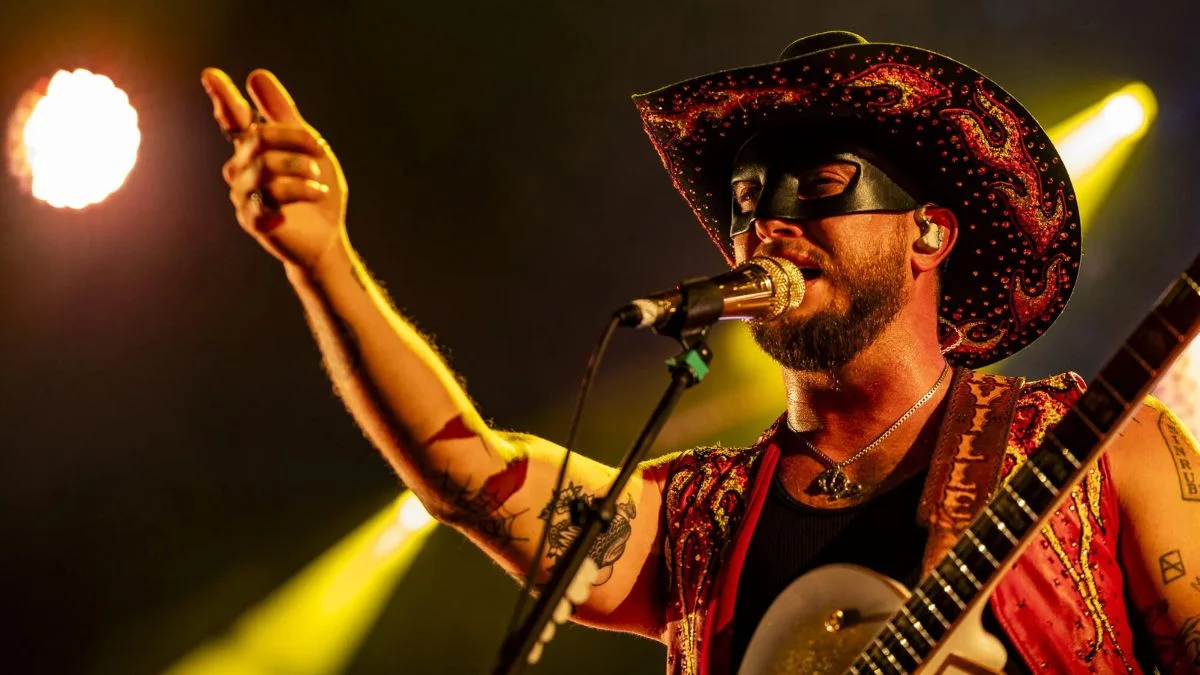
The intersection of professional sports and the entertainment industry has long been a source of public fascination, but rarely does it manifest with the direct, lyrical specificity found in the latest work from country musician Orville Peck. In his recently released fourth studio album, Mule, the enigmatic, masked artist includes a candid admission on the track "Ring the Bell," revealing that he once shared a romantic encounter with a member of the Las Vegas Raiders. This disclosure, while seemingly casual within the context of his songwriting, has sparked a broader conversation regarding the evolution of privacy, sexuality, and the breaking of traditional barriers within the hyper-masculine environment of the National Football League (NFL).
The Lyrical Revelation and Artistic Context
The album Mule, which arrived on streaming platforms and in physical stores on September 18, 2026, marks a significant milestone in Peck’s career. Known for his signature fringed mask and a baritone voice that harkens back to the classic era of country music, Peck has consistently utilized his platform to challenge the genre’s conservative boundaries. On "Ring the Bell," one of the standout tracks from the project, Peck delivers the line: "I made out with a guy on the Raiders."
In an interview with Variety following the album’s release, Peck clarified that the lyric is not a poetic fabrication but a recounting of a genuine personal history. By confirming the reality of the encounter, the musician has shifted the narrative from artistic storytelling to a biographical account of his private life. The move is consistent with the vulnerability presented throughout Mule, an album that critics have noted deals heavily with themes of addiction, self-reflection, and the complexities of human connection.
A Protocol of Consent and Confidentiality
A critical component of this revelation is the protocol Peck followed before finalizing the song for public consumption. According to the artist, he reached out to the unnamed football player to secure permission before the track was committed to record. Peck noted that the player was not only aware of the lyric but was, in his words, "very thrilled" to be included in the narrative.
This detail highlights an important shift in how high-profile figures navigate public disclosures. By obtaining consent, Peck circumvented the potential for a "outing" scenario—a situation that has historically caused immense professional and personal strife for athletes and public figures alike. Peck emphasized that he was acutely aware of the sensitivity surrounding the player’s potential need for privacy. He stated that he would not have included the line had there been any risk of compromising the player’s desire to keep his sexuality out of the public sphere.
The Landscape of Professional Sports and LGBTQ+ Inclusion
The Raiders organization, like the rest of the NFL, has seen a gradual, albeit complex, shift toward more inclusive environments over the past decade. While the league has historically been perceived as a bastion of traditional masculinity, there has been a concerted effort to foster an culture that accommodates a diverse range of personal identities.
For context, the NFL has implemented various initiatives aimed at curbing discrimination, including the "Football is for Everyone" campaign and partnerships with organizations like The Trevor Project. Despite these institutional efforts, the reality remains that an active player coming out as LGBTQ+ is a rarity. To date, only a handful of players have done so after their careers concluded, and none have come out while actively on an NFL roster.
Peck’s decision to keep the identity of the player a secret serves as a microcosm of the current state of the industry. It reflects a world where private romantic lives are becoming increasingly decoupled from professional identity, yet the fear of public scrutiny—specifically from the intense, often critical fanbase of professional football—remains a potent factor in how these relationships are managed.
Chronology of the Release and Promotion
The release of Mule is part of a larger 2026 campaign for Orville Peck. The timeline of the project’s rollout began in mid-summer 2026, with the official announcement of the album arriving in July alongside the reveal of his upcoming concert tour, the "Man Turned Mule Tour."
- July 2026: Peck announces the forthcoming album Mule and the accompanying North American tour.
- September 18, 2026: The album is released, featuring the track "Ring the Bell," which quickly gains attention for its candid lyrical content regarding the Raiders player.
- Late September 2026: In the subsequent press cycle, specifically the Variety interview, Peck confirms the lyric’s basis in reality.
- October 2026: The "Man Turned Mule Tour" is scheduled to launch, spanning major cities across the United States.
This strategic rollout allowed the music to speak for itself before the personal anecdotes became a central talking point in the media. By waiting until the album was available to the public to explain the lyric, Peck maintained control over the narrative, ensuring that the revelation was viewed through the lens of his artistry rather than as a tabloid-style leak.
Broader Implications for Celebrity and Privacy
The incident raises valid questions about the nature of celebrity privacy in the digital age. When a public figure shares a detail that involves another individual—even with that individual’s permission—it creates a "mystery" that inevitably leads to public speculation. Fans and sports journalists have already begun cross-referencing team rosters and past events in an attempt to identify the player.
From an analytical standpoint, this creates a unique tension. While Peck has respected the player’s privacy by withholding a name, the act of mentioning the team ("the Raiders") narrows the field of possibilities significantly. This demonstrates the limitations of anonymity in the era of social media, where the digital footprint of a public figure is subjected to forensic-level scrutiny by their audience.
Furthermore, the "thrill" expressed by the player indicates a potential shift in how athletes view their association with LGBTQ+ culture. If a professional athlete is comfortable with being the subject of a song regarding a same-sex encounter, it suggests a comfort level that would have been unimaginable in the NFL even twenty years ago. This could signify a generational change among the league’s workforce, where younger players are less concerned with the potential "stigma" of these associations than their predecessors were.
Conclusion and Future Outlook
Orville Peck’s Mule is not just a collection of songs; it is a document of a contemporary artist navigating the intersections of fame, sexuality, and the rigid expectations of American cultural institutions. By weaving his personal life into his work, Peck continues to challenge the boundaries of what is considered "appropriate" for a country artist.
As the "Man Turned Mule Tour" prepares to hit the road in late October, the focus will undoubtedly shift toward his live performances. However, the dialogue initiated by "Ring the Bell" serves as a reminder that the personal and the professional are inextricably linked. Whether the player in question eventually chooses to identify himself remains to be seen. For now, the story serves as a testament to the fact that, regardless of the industry—be it professional football or the country music scene—human connection continues to evolve in ways that prioritize agency, consent, and the quiet subversion of outdated societal norms.
Fans looking to witness this era of Peck’s career firsthand can secure tickets for the upcoming tour through platforms like Vivid Seats. As the tour progresses, it is likely that "Ring the Bell" will remain a focal point of his setlist, serving as both a narrative anchor for the album and a silent nod to a brief, yet significant, moment in the musician’s life.









Leave a Reply