
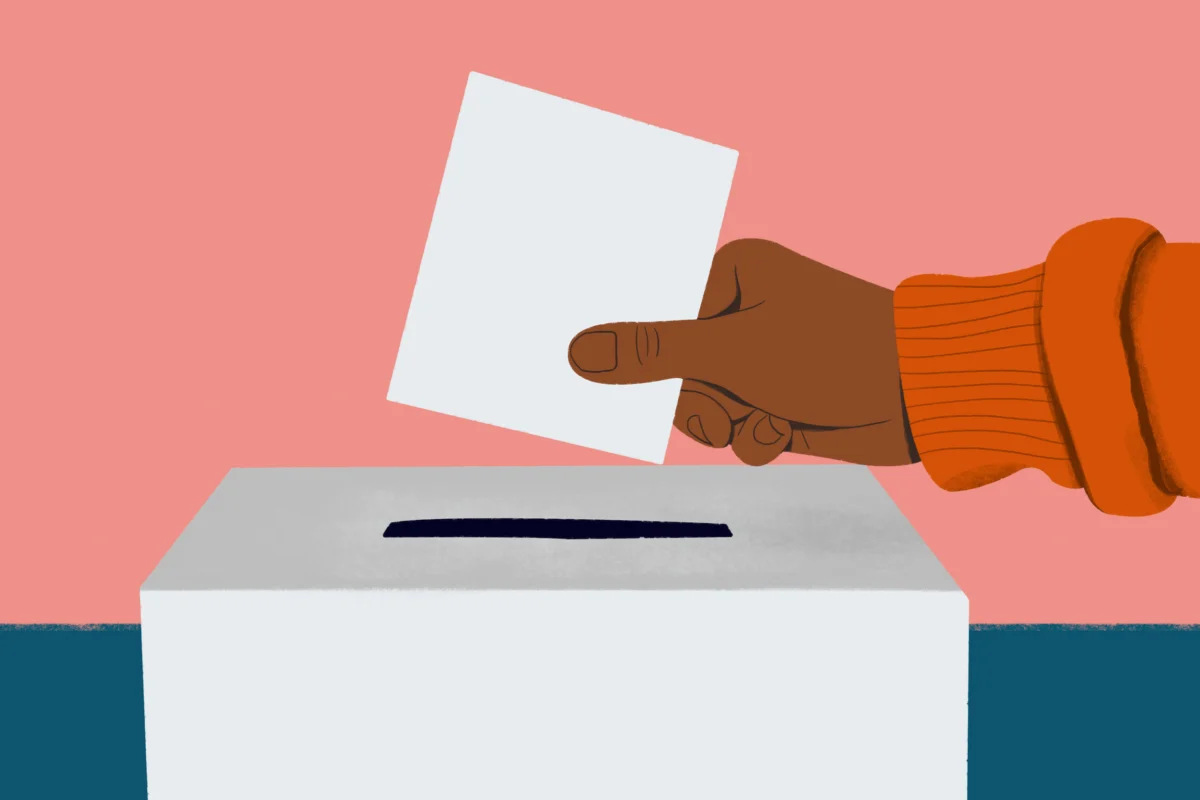
Healthcare affordability has re-emerged as a dominant fixture in American political discourse, capturing the attention of voters and candidates alike as the midterm elections draw near. With projections indicating that medical expenses will continue their upward trajectory into the coming year, political hopefuls across the country are scrambling to formulate and present comprehensive strategies aimed at alleviating the mounting financial burdens placed on ordinary citizens. The intersection of personal economic anxiety and high-stakes electoral politics has transformed the cost of care from a localized policy issue into a national litmus test for legislative competence.
To understand the gravity of the current situation, one must look closely at how the financial realities for patients have shifted over the last two decades. KFF Health News chief Washington correspondent Julie Rovner recently joined WAMU’s Health Hub to dissect the complex ways in which healthcare expenses are poised to influence voter behavior and shape campaign platforms. Drawing parallels to past political cycles, Rovner noted that similar spikes in medical costs during the early 2000s directly fueled the intense policy debates that ultimately culminated in the passage of the landmark Affordable Care Act (ACA) in 2010. Today, as households grapple with inflation and tightening budgets, the debate over healthcare access and cost containment threatens to become an equally powerful catalyst for political change.
The Evolution of Patient Financial Burdens
The financial strain experienced by modern healthcare consumers extends far beyond the traditional monthly insurance premium. While premium costs frequently dominate media headlines, the true day-to-day impact on patients is felt through out-of-pocket mechanisms such as escalating deductibles, expanding copayments, and higher coinsurance rates. These shifting financial structures mean that insured individuals are effectively carrying a much larger share of their medical risk than previous generations.
According to Rovner, who also hosts the popular podcast What the Health? From KFF Health News, the everyday experience of seeking medical treatment has undergone a stark transformation. "We’re seeing people have to pay more in their — not just premiums — but their deductibles, how much they pay before their insurance kicks in, and how much they pay when they go to the doctor," Rovner explained during her broadcast appearance.
This structural shift in financing has fundamentally altered the doctor-patient relationship. In the past, the administrative burden of billing occurred almost entirely behind the scenes, processed weeks or months after a medical appointment via a complex paper trail involving insurers and providers. In recent years, however, the financial reality of medical care has been shifted to the immediate point of service.
It has become increasingly common for healthcare facilities, clinics, and hospital systems to demand immediate payment or a guarantee of funds before a patient is even permitted to see a physician. "Now you get there, and they say, ‘Can we have your credit card?’ before you even get to go in and get your care," Rovner observed. This practice of upfront collections underscores the growing anxiety among healthcare providers regarding uncompensated care, while simultaneously serving as an aggressive daily reminder to patients of the steep price tag attached to basic medical attention.
Chronology of Cost Growth and Policy Responses
The steady ascent of American healthcare expenditures is not a recent phenomenon, but rather the result of decades of compounding cost pressures, technological advancements, administrative bloat, and market consolidation.
During the late 1990s and early 2000s, double-digit percentage increases in health insurance premiums triggered widespread public outrage and legislative gridlock. This period of economic friction forced lawmakers to confront the structural deficiencies of a fragmented healthcare market. The resulting policy battles eventually yielded the Affordable Care Act, which sought to expand coverage, ban lifetime limits, and regulate insurance practices.
However, while the ACA successfully extended health insurance coverage to millions of previously uninsured Americans, it did not fundamentally dismantle the underlying economic engines driving up the cost of medical services, pharmaceuticals, and hospital administration. Throughout the 2010s and early 2020s, deductibles continued to rise at a rate significantly faster than general inflation and wage growth. The introduction of high-deductible health plans (HDHPs), designed to give consumers "skin in the game," often had the unintended effect of discouraging patients from seeking preventative or necessary medical care due to fears of prohibitive out-of-pocket costs.
By the mid-2020s, post-pandemic economic pressures—including labor shortages, rising wages for healthcare workers, and broader inflationary trends—pushed the system to a new tipping point. As families balance the rising costs of housing, groceries, and energy, the added weight of healthcare expenses has created a volatile political environment just as the midterm election cycle reaches its peak.
Supporting Data and Economic Realities
Economic data compiled by health policy research organizations consistently highlight the widening gap between consumer earnings and the cost of maintaining health coverage. Over the past decade, average family premiums for employer-sponsored health insurance have climbed steadily, frequently outpacing cumulative wage growth and inflation.
More alarmingly, the average general annual deductible for single coverage has risen dramatically over the same timeframe. Millions of workers are now enrolled in plans that require them to pay thousands of dollars out of pocket before their insurance coverage begins to share the financial burden. For families living paycheck to paycheck, a sudden medical emergency or a chronic diagnosis requiring ongoing management can easily trigger a cascade of debt.
Furthermore, studies from health economics watchdogs indicate that administrative costs consume a substantial percentage of every healthcare dollar spent in the United States. The complex web of billing, coding, prior authorizations, and insurance verification requires dedicated bureaucratic infrastructure on both the provider and payer sides, contributing heavily to the final price billed to consumers. As these operational costs mount, providers increasingly rely on upfront credit card holds and aggressive collection tactics to secure revenue before rendering services, further alienating patients who feel nickel-and-dimed by the medical establishment.
Candidate Strategies and Political Implications
As candidates hit the campaign trail ahead of the midterms, the divergence in how political parties propose to address these systemic issues is stark.
Democratic candidates typically lean toward expanding government-backed programs, strengthening the regulatory framework of the Affordable Care Act, allowing Medicare to negotiate a broader range of prescription drug prices, and capping out-of-pocket expenses for seniors and vulnerable populations. Proponents of these measures argue that government intervention is the only effective counterbalance to corporate consolidation and unchecked price-gouging by pharmaceutical companies and hospital networks.
Conversely, Republican candidates generally advocate for market-driven solutions to lower costs. Their platforms frequently emphasize expanding consumer choice through the promotion of health savings accounts (HSAs), encouraging cross-state insurance competition, increasing price transparency requirements for hospitals and insurers, and reducing regulatory burdens that they argue stifle market innovation and drive up administrative expenses. Supporters of this approach maintain that empowering consumers with direct market information will foster natural competition and naturally drive prices down.
Despite these competing ideological visions, both sides recognize that voter sentiment is heavily anchored to kitchen-table economic issues. When constituents feel squeezed by the rising cost of visiting a doctor or filling a prescription, they look to elected officials for immediate, tangible relief.
Broader Impact and Future Outlook
The persistent rise in healthcare expenditures carries profound implications for the broader U.S. economy. For employers, the skyrocketing cost of providing health benefits to workers places a heavy damper on wage increases and business expansion. For families, medical debt remains a leading cause of personal bankruptcy, creating a pervasive sense of financial vulnerability even among those with steady employment and good insurance.
As the midterm elections approach, the debate over healthcare costs will undoubtedly remain a focal point of political messaging. Whether the proposed solutions offered by candidates will translate into meaningful structural reform or merely serve as rhetorical devices to capture voter enthusiasm remains to be seen. What is certain, however, is that until the fundamental drivers of healthcare inflation are addressed, American families will continue to bear the brunt of a system where financial survival is too often tied to medical necessity.






Leave a Reply