
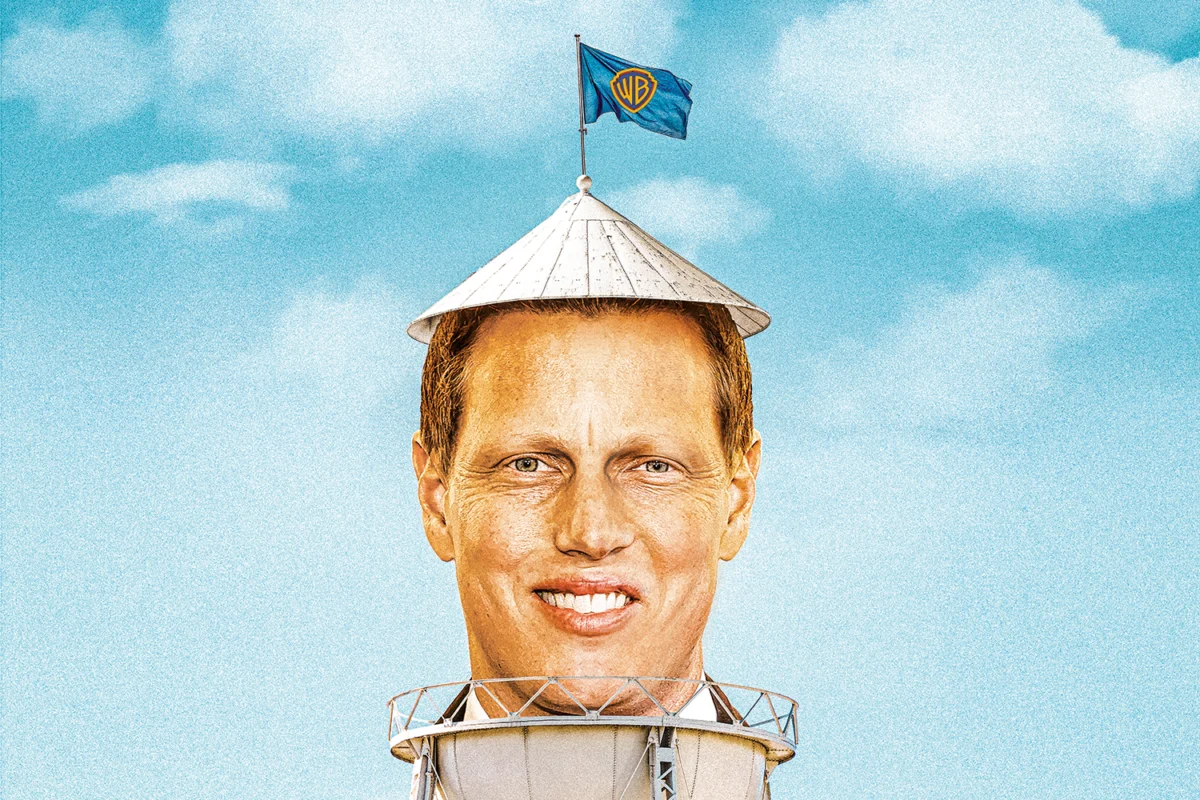
After nearly a year of high-stakes litigation and intense regulatory scrutiny, David Ellison, the Silicon Valley executive and heir to the Oracle fortune, has emerged victorious in his ambitious bid to reshape the landscape of modern media. On Monday, Ellison confirmed that a settlement had been reached with a coalition of state attorneys general, effectively clearing the primary legal hurdle that threatened to block the historic combination of Paramount Global and Warner Bros. Discovery. This agreement marks a pivotal turning point for the "ParaBros" entity, ending a period of corporate paralysis that had left both organizations in a state of suspended animation, stalling production pipelines and chilling industry investment.
The road to this resolution was fraught with friction. From the outset, the proposed merger faced stiff headwinds, including vocal opposition from Hollywood’s creative elite, concern from labor unions regarding the preservation of jobs, and persistent skepticism from legacy media competitors who feared the market-distorting effects of such a massive consolidation. While the settlement signals the end of the immediate legal standoff, it also sets the stage for a new, uncertain chapter in the history of American entertainment.
A Chronology of the ParaBros Saga
The genesis of the deal dates back to early 2023, when rumors of David Ellison’s interest in acquiring Paramount began to circulate. By late 2023 and into early 2024, the scope of the ambition became clear: a full-scale merger with Warner Bros. Discovery intended to create a titan capable of competing with the tech-native giants of the streaming era, such as Netflix, Amazon, and Apple.
However, the path was never smooth. By the second quarter of 2024, the momentum was met with a wall of resistance from state-level antitrust regulators, led by California Attorney General Rob Bonta and New York Attorney General Letitia James. The lawsuits filed by these offices centered on the potential for the merged entity to exert monopolistic control over television distribution, film output, and cable pricing. For months, the two media giants were locked in a "staring contest" with the state, a period during which production development stalled, executives faced uncertainty, and the industry at large braced for a potentially protracted trial that threatened to drain millions in legal fees and operational resources.
The Terms of the Settlement
The settlement brokered on Monday is not a blanket endorsement of the merger. Instead, it is a complex, court-enforceable compromise designed to mitigate the anti-competitive risks cited by the attorneys general. Key provisions include:
- Domestic Production Guarantees: The merged entity has committed to an infusion of $1.5 billion specifically earmarked for domestic film production, ensuring that the company maintains a robust pipeline of "home-grown" content.
- Labor Protections: In a win for the Writers Guild of America (WGA), the agreement includes a five-year moratorium on writer layoffs within the CBS News Broadcast division.
- Health Fund Contributions: Paramount has agreed to pay $17.5 million into the WGA health fund, alongside coverage for the union’s legal expenses incurred during the antitrust battle.
- Cable Pricing Guardrails: The agreement introduces enforceable guardrails aimed at maintaining competitive pricing within the cable television market, preventing the merged entity from using its combined scale to unfairly hike consumer costs.
Reactions from the Guilds and Stakeholders
The labor unions, which had been among the most vocal critics of the deal, have adopted a pragmatic stance. The WGA, while expressing disappointment that the merger was not blocked entirely, acknowledged that the reality of the legal landscape necessitated a settlement. In a statement, the union emphasized that its advocacy had successfully drawn public attention to the systemic risks of media consolidation. "We continue to believe the merger will cause damage to writers and the industry at large," the WGA noted, adding that they would continue to push for "industry-wide structural separation" between streamers and studios, echoing the spirit of the historic Financial Interest and Syndication Rules (Fin-Syn) that once regulated the broadcast era.
The Directors Guild of America (DGA) struck a more conciliatory tone, focusing on the stability the settlement provides. By securing binding commitments regarding theatrical film markets and domestic jobs, the DGA views the deal as a necessary stabilization of a fragile industry. The union expressed its gratitude to the attorneys general for their leadership in securing enforceable protections during a period of diminished production activity.
SAG-AFTRA, representing the actors, emphasized the power of collective bargaining while reminding the new management that the law serves as a "floor," not a ceiling. The union stated that it would approach the new entity with professionalism, but expected the employers to "exceed their legal obligations" to ensure healthy, dignified workplaces.
Political and Cultural Dissent: The Ruffalo Factor
The merger became a flashpoint for broader cultural debates, with actor Mark Ruffalo serving as the public face of the opposition. Ruffalo, a vocal critic of corporate consolidation, engaged in a highly publicized and contentious exchange with Paramount regarding the implications of the deal. Upon the announcement of the settlement, Ruffalo turned his criticism toward California Governor Gavin Newsom, characterizing the resolution as a concession to "billionaire cronies."
This rhetoric was echoed by the "Block the Merger Coalition," an advocacy group formed during the summer to oppose the deal. The coalition described the settlement as a "bad deal for the future of film" and an example of the interests of average Americans being "trampled to benefit oligarch billionaires." Despite the loss, the group vowed to remain an active force, framing their efforts as a broader crusade against the harms of conglomerate-driven media.
Broader Implications for the Industry
The successful consolidation of Paramount and Warner Bros. Discovery represents a significant shift in the competitive landscape. For the past decade, the industry has been defined by the "Streaming Wars," a capital-intensive race for subscriber growth that saw traditional studios struggle to pivot from linear television to digital platforms. This merger suggests a move toward a "consolidation phase," where scale is prioritized over growth-at-all-costs.
Analysts suggest that the $1.5 billion investment in domestic production is a strategic attempt to appease regulators while simultaneously shoring up the company’s core intellectual property assets. By focusing on domestic output, the company aims to differentiate itself from competitors who have increasingly relied on international co-productions and tax-incentive-driven filming locations.
However, the long-term impact on consumer choice remains a subject of intense debate. Critics argue that the reduction in the number of major studios limits the "diversity of voices" available to the public. As the WGA pointed out in their post-settlement statement, the shrinkage of outlets to sell creative work is a structural problem that necessitates new legislative approaches. The demand for a modern version of the Fin-Syn rules—which would effectively separate the ownership of production studios from the control of distribution networks—is likely to become a central pillar of industry discourse in the coming years.
Conclusion
As the dust settles on the ParaBros merger, the focus now shifts to integration. David Ellison faces the daunting task of merging two distinct corporate cultures, balancing the high debt loads of the combined entity, and delivering on the stringent, court-mandated commitments to domestic production and labor security.
For the attorneys general, the settlement represents a measured victory: a way to manage the inevitable trend of consolidation while providing legal levers to protect workers and consumers. For the labor guilds, it is a defensive success that provides immediate relief while signaling that the fight against media concentration is far from over. As for the industry, the merger marks the end of a long period of uncertainty, yet the challenges of competing in an era dominated by tech-heavy conglomerates remain as formidable as ever. The "ParaBros" deal is not just a corporate transaction; it is a signal that the era of the classic Hollywood studio system has irrevocably evolved, with the power now concentrated in the hands of those who can command the most capital and navigate the most complex regulatory waters.








Leave a Reply