
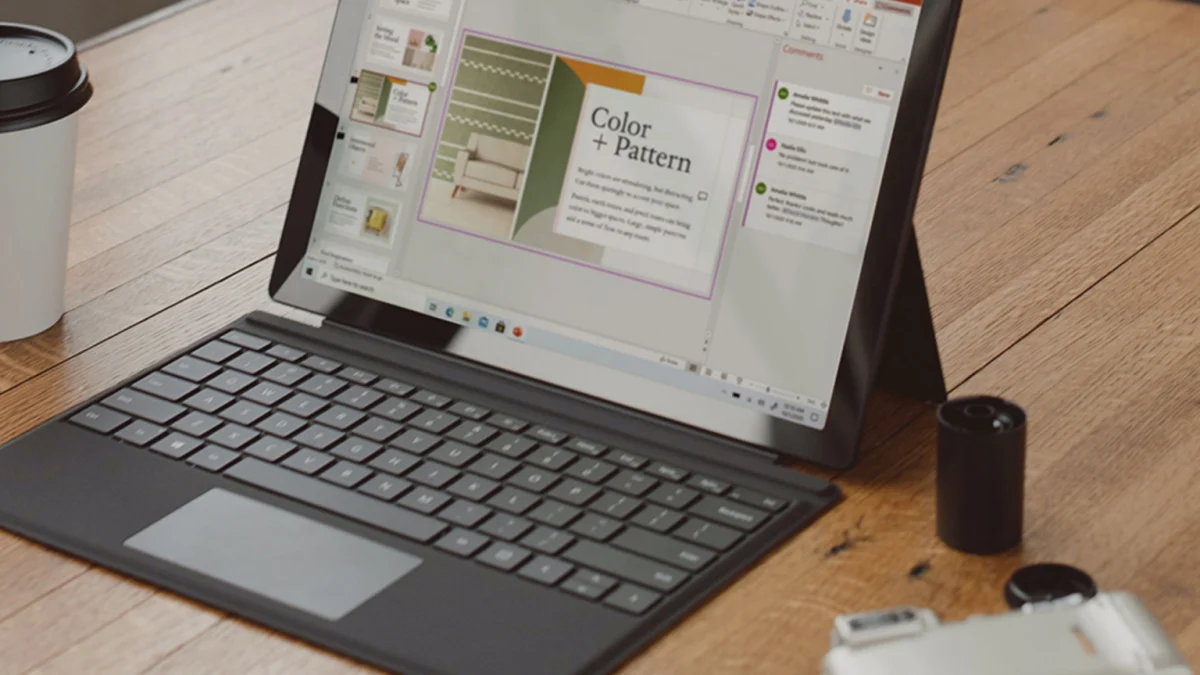
The ongoing digital transformation of the modern workplace has solidified the necessity of robust productivity software. Among the industry standards, the Microsoft Office suite remains the benchmark for document creation, data analysis, and professional communication. As software developers shift increasingly toward subscription-based "Software as a Service" (SaaS) models, the market for perpetual licenses has become a focal point for budget-conscious consumers and small businesses. Currently, a promotional campaign is offering Microsoft Office Professional Plus 2019 for Windows at a reduced rate of $16.97 through September 27, presenting a notable departure from the standard retail pricing structure.
The Evolution of the Microsoft Office Licensing Model
To understand the significance of this offer, one must examine the shift in Microsoft’s product strategy over the last decade. Historically, Microsoft utilized a "perpetual license" model. Users would purchase a boxed copy of Office, install it on their machine, and retain access to that specific version indefinitely.
In 2011, Microsoft introduced Office 365, which evolved into the subscription-based Microsoft 365. This model changed the consumer relationship with software; instead of a one-time transaction, users pay a recurring monthly or annual fee to access the latest version of the suite, along with cloud storage and collaborative features. While this model provides constant updates and cloud synchronization, it creates a "subscription fatigue" among users who prefer a static, reliable environment without the requirement of recurring billing.
Microsoft Office Professional Plus 2019 represents one of the final iterations of the standalone, non-subscription office software. It includes essential applications such as Word, Excel, PowerPoint, Outlook, OneNote, Publisher, and Access. Because it does not require a connection to Microsoft’s cloud services for activation or ongoing functionality, it remains a preferred choice for individuals who prioritize data privacy, offline capabilities, and predictable, one-time capital expenditures.
Market Context and the Shift to Perpetual Software
The availability of Office 2019 at a reduced price point reflects a broader secondary market for software licenses. As Microsoft moves the majority of its enterprise and home users toward the Microsoft 365 subscription umbrella, older versions of the software—while still highly functional—are often distributed through authorized resellers and promotional channels.
The current price of $16.97, down from an original retail valuation of $229, is indicative of the lifecycle stage of the 2019 suite. For professionals, students, or small office setups, the 2019 edition offers near-parity with modern software needs. It provides the core functionality that powers the vast majority of corporate document exchanges. While it lacks the AI-driven "Copilot" features and real-time cloud-co-authoring found in the latest Microsoft 365 iterations, the core engine—the ability to process complex spreadsheets, draft professional documents, and manage email archives—remains robust and industry-compliant.
Chronology of Office Productivity Software
The trajectory of the Office suite provides context for why a 2019 version remains a viable productivity tool in 2024:
- 2010–2013: The peak of the traditional "boxed" software era. Microsoft begins experimenting with cloud integration via SkyDrive (later OneDrive).
- 2016: Microsoft solidifies the dual-track model, offering both Office 2016 (perpetual) and Office 365 (subscription).
- 2018–2019: The release of Microsoft Office 2019. This version focused on performance improvements and refined interface elements, marking the final major standalone release before the industry fully pivoted to subscription dominance.
- 2021–Present: The introduction of Office 2021 and the eventual branding shift toward "Microsoft 365" as the primary product line, relegating perpetual versions to a secondary status for specific niche users.
Technical Implications and System Compatibility
For users considering the acquisition of a perpetual license, system requirements are a primary concern. Microsoft Office Professional Plus 2019 is specifically optimized for Windows 10 and Windows 11. Unlike subscription versions that receive "feature drops" every few months, the 2019 version is a static build. This offers a distinct advantage for those working in environments where software stability is paramount. In a corporate or academic setting, "feature drift"—where a software interface changes overnight due to an automatic update—can lead to workflow disruption. A static version ensures that the user interface remains consistent, which is often a critical requirement for specialized industries that rely on macros or custom add-ins.
Furthermore, the suite includes Access and Publisher, applications that are increasingly rare in basic subscription tiers. Access remains the standard for lightweight relational database management for small to medium enterprises, while Publisher provides a desktop publishing bridge that many users find more intuitive than professional-grade design software like Adobe InDesign.
Fact-Based Analysis of the Value Proposition
When analyzing the $16.97 price point, the value proposition is largely based on the elimination of the "Total Cost of Ownership" (TCO) associated with software.
- Cost Savings: At $16.97, the user pays less than two months of a standard Microsoft 365 Personal subscription. Over a three-year period, the savings compared to a subscription model amount to hundreds of dollars.
- Independence: Perpetual licenses do not require a Microsoft account login for every launch, nor do they necessitate an active internet connection for verification of the license. This is a critical factor for users in regions with unstable internet access or those working in high-security environments.
- Longevity: While official mainstream support from Microsoft for Office 2019 has a defined end date, the software remains functional indefinitely. For the average user, the security risks of running an older version are mitigated by standard system-level protections and the fact that most documents are now saved in standardized, backward-compatible formats like .docx, .xlsx, and .pptx.
Security and Ethical Considerations
It is essential for consumers to be aware of the nature of these licenses. Software sold at such significant discounts via third-party platforms is typically categorized as "volume licensing" or surplus stock. While these keys are generally legitimate and functional, users should ensure they are acquiring them from reputable outlets. The $16.97 price point represents a specific promotional window ending on September 27.
From a security standpoint, while the software will not receive the latest "feature" updates, Microsoft continues to provide critical security patches for supported versions of its software to prevent vulnerabilities. Users should ensure their operating system is fully updated to provide the necessary defensive layers for their productivity suite.
Broader Impact on the Software Economy
The existence of such offers highlights a growing divide in the software economy. On one side, the SaaS model provides immense value to Microsoft and enterprise customers through recurring revenue and seamless cloud integration. On the other, there is a persistent and vocal segment of the user base that rejects the "rent-to-own" culture.
The prevalence of these discounted perpetual licenses suggests that there is a significant market for software that does not demand a persistent connection to the developer’s servers. It serves as a check on the market, providing an alternative for those who view software as a tool to be owned rather than a service to be rented. As long as these licenses remain available, they provide a necessary bridge for users who need professional-grade tools but are unwilling or unable to commit to the long-term financial obligations of modern software subscriptions.
Conclusion
For individuals who require the standard suite of Microsoft productivity tools—Word, Excel, PowerPoint, and Outlook—without the requirement of a monthly fee, the current offer for Microsoft Office Professional Plus 2019 is a functional and economical solution. By securing a perpetual license, users can insulate their workflows from future subscription price hikes and ensure that their primary tools remain available regardless of their internet connectivity or their status as a subscriber. As the window for this offer closes on September 27, it serves as a reminder of the enduring utility of standalone software in an increasingly cloud-dependent digital world. The decision to invest in such a license is essentially a choice to prioritize long-term stability and cost-efficiency over the convenience of cloud-synced, constantly evolving software platforms.









Leave a Reply