
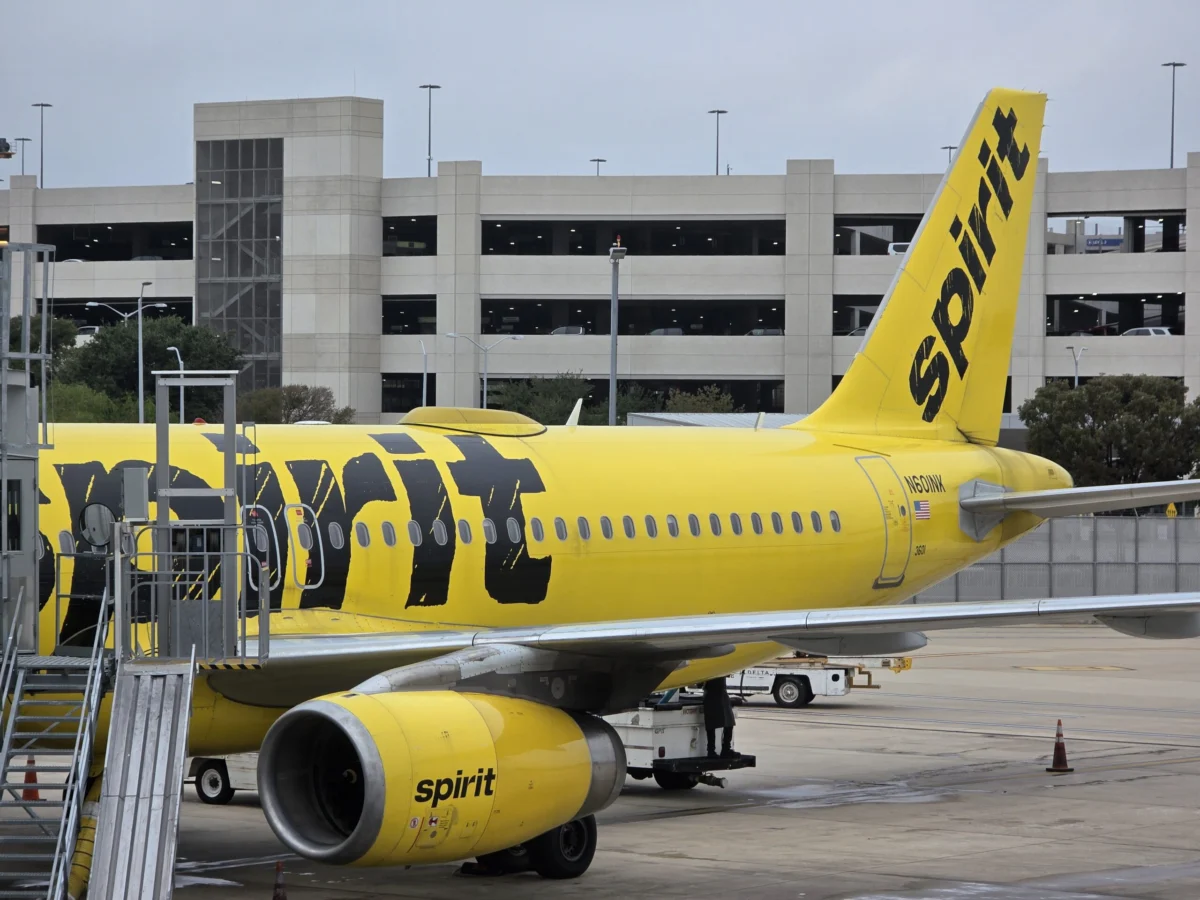
The recent collapse of Spirit Airlines has sparked a contentious debate regarding the structural integrity of the U.S. aviation industry. In a recent opinion piece, Mark Kahan posited that the proliferation of co-branded airline credit cards and the subsequent ability of major carriers to leverage their loyalty programs as collateral created an insurmountable competitive imbalance that ultimately led to Spirit’s downfall. However, a closer examination of Spirit’s financial history, operational metrics, and the broader macroeconomic environment reveals that this thesis overlooks critical internal failings and misrepresents the nature of airline capital structures.
The Financial Architecture of Loyalty Programs
Kahan’s argument centers on the premise that major carriers—American, Delta, and United—utilized their frequent flyer programs as "unfair" financial weapons, leveraging billions in debt against these assets to weather economic shocks like the Great Recession and the COVID-19 pandemic. The implication is that Spirit, as a smaller entity, lacked access to such capital-raising mechanisms.
Public financial records, however, contradict this narrative. During the pandemic, Spirit Airlines successfully executed multiple rounds of financing secured by its own loyalty program, "Free Spirit." Between 2020 and 2021, Spirit issued approximately $1.45 billion in debt backed by its loyalty assets. This demonstrates that the specific financing mechanism Kahan identifies as an exclusive privilege of the "Big Three" was, in fact, utilized by Spirit to preserve liquidity during the industry’s most challenging period. Furthermore, the airline benefited from over $750 million in direct federal grants and subsidized loans under the CARES Act, underscoring that Spirit was not excluded from the capital markets or government support systems available to its larger competitors.
Deconstructing the Operational Failure
The narrative that rising fuel prices, exacerbated by geopolitical instability such as the conflict involving Iran, served as the primary catalyst for Spirit’s bankruptcy is not supported by the airline’s internal financial performance. By late 2025, while already operating under Chapter 11 bankruptcy protection, Spirit’s fiscal reports highlighted a deeper, systemic crisis. In November 2025 alone, the carrier posted $239 million in operating revenue against $311.7 million in operating expenses, resulting in an operating loss of $72.7 million and a negative operating margin of 30.4%.
Crucially, the total fuel bill for that month amounted to $65.8 million. Even if Spirit had received its fuel at no cost, the airline would still have faced an operating deficit, indicating that the failure was not merely a product of energy price volatility, but a fundamental misalignment of its cost structure. By December 2025, major lenders and industry analysts were already anticipating a potential liquidation, as the airline failed to produce a viable, standalone business plan that satisfied its creditors.
The Erosion of the Low-Cost Model
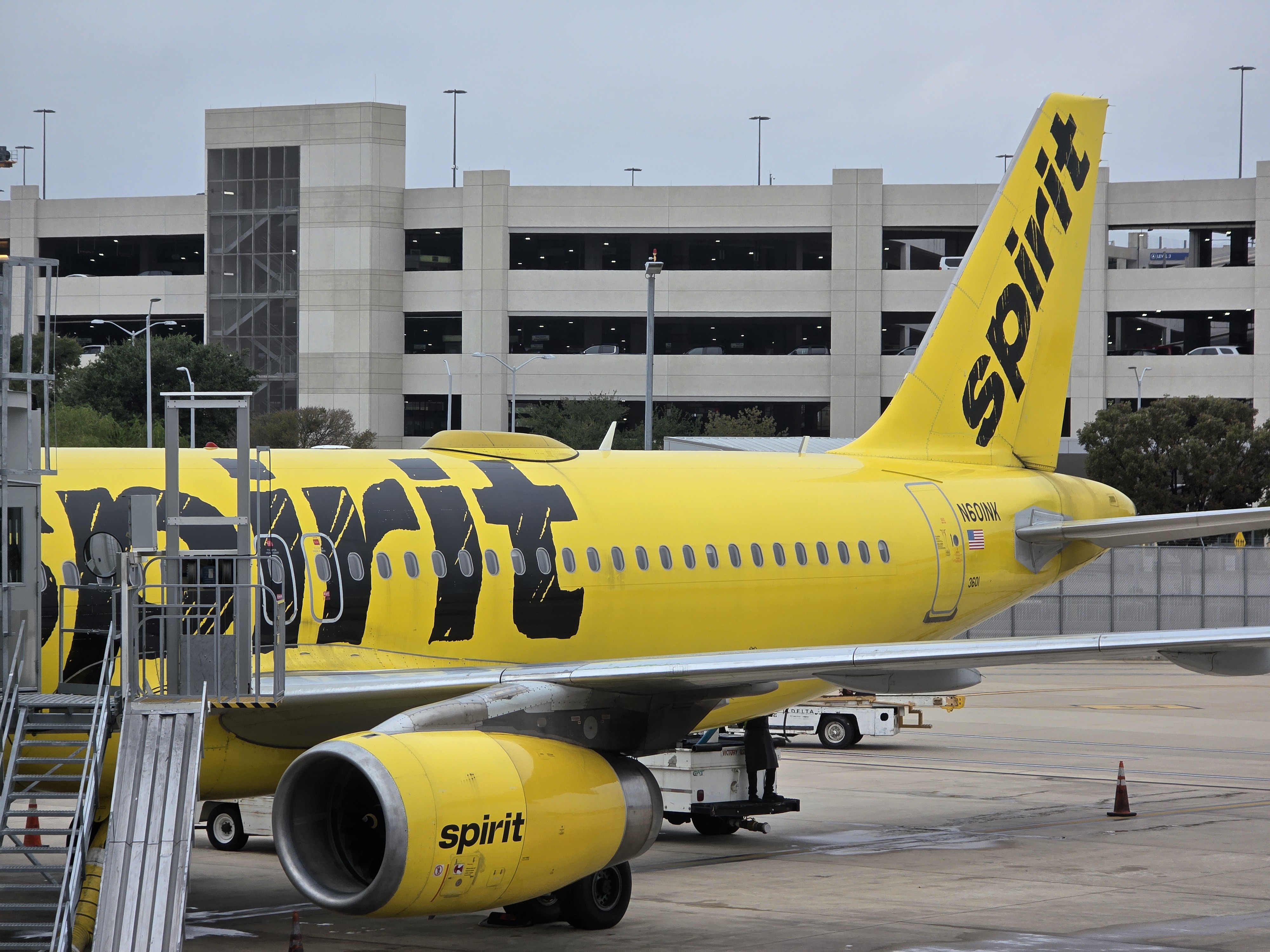
For decades, Spirit Airlines was the gold standard for cost discipline, maintaining an operating cost per available seat mile (CASM) that allowed it to undercut legacy carriers significantly. However, this competitive edge began to erode well before the final collapse. Between 2019 and the first nine months of 2025, Spirit’s CASM surged from 7.97 cents to 11.28 cents—an increase of over 41%.
Several factors contributed to this cost explosion, including aggressive labor inflation, widespread engine grounding issues, and a strategic decision to expand administrative infrastructure—such as the construction of an 11-acre headquarters campus—even as the company’s operating margins turned sharply negative. As the airline’s cost structure converged with that of legacy carriers, it lost its ability to offer the substantial discounts required to offset its lack of amenities. Consumers, increasingly sensitive to reliability and network breadth, shifted their preference toward larger airlines that offered better connectivity, superior app experiences, and more robust operational recovery options during delays or cancellations.
The Credit Card Revenue Misconception
Critics often characterize airline loyalty revenue as "free money," suggesting that it functions as a subsidy that creates an uneven playing field. This perspective, however, ignores the underlying economics of the partnership between airlines and financial institutions. Airlines essentially operate as retailers of miles, selling them to banks for cardholder use. The airline incurs significant costs to deliver the travel benefits associated with these programs.
Furthermore, these programs are not independent of the airline’s broader network strategy. For example, Delta’s expansion into markets like Austin or Southwest’s push into Hawaii is driven by the necessity to provide aspirational destinations that maintain the value of their loyalty programs. This cycle encourages greater capacity and more frequent flights, which, in a competitive market, generally exerts downward pressure on fares. Eliminating the ability to borrow against these programs would not result in lower fares; rather, it would likely force airlines to rely on more expensive, unsecured debt, increasing their overall cost of capital and potentially leading to higher ticket prices for the end consumer.
A Historical Perspective on Deregulation
The critique offered by Kahan, which advocates for the restriction of loyalty-backed financing and a potential return to more stringent government oversight, echoes arguments he made as far back as 1992. During his tenure in the late 1970s at the Civil Aeronautics Board, the regulatory environment was vastly different; at the time, the government set routes and fares, a system that would have effectively rendered the low-cost carrier model illegal.
The assertion that the loss of Spirit is the primary driver of recent airfare increases—which saw a 23.4% rise by August 2026—fails to account for the long-term trend of declining real airfares. Even with recent spikes, adjusted for inflation, airfares remain significantly lower than they were in 2016. The current price environment is more accurately explained by capacity constraints, fuel costs, and the post-pandemic surge in travel demand, rather than the exit of a single carrier that had already significantly reduced its domestic footprint.
The Impact of Financial Constraints
Kahan’s analysis also mischaracterizes the role of credit card processors in the final stages of the airline’s collapse. While he suggests that processors unfairly withheld $200 million in 2024 and $50 million in 2025, these figures are better understood as compensating deposit balances—a standard practice to mitigate risk when an airline’s credit profile deteriorates.
As an airline’s financial position weakens, processors must ensure they have sufficient liquidity to cover potential customer refunds should the carrier cease operations. This is a standard risk management procedure, not a targeted strike against a specific airline. The fact that these holdbacks squeezed Spirit’s liquidity is a symptom of the company’s insolvency, not the root cause.
Conclusion: Structural Reality vs. Regulatory Nostalgia
The failure of Spirit Airlines is a case study in the risks of business model drift. By failing to control costs as it expanded, and by attempting to pivot toward a premium product without the necessary operational infrastructure or brand reputation, Spirit lost its place in the market. The desire to blame complex financial instruments like loyalty-backed debt or the influence of large financial institutions obscures the reality that the aviation industry remains a high-stakes, low-margin business where operational efficiency is paramount.
Calls to re-regulate the industry or dismantle loyalty programs ignore the benefits these programs provide to the modern consumer, including lower base fares and expanded network connectivity. The demise of Spirit Airlines is not a failure of the free market, but rather a reflection of the market working exactly as intended: firms that fail to adapt their cost structures and value propositions to meet changing consumer demands are eventually displaced by competitors that can provide more value to the passenger.








Leave a Reply