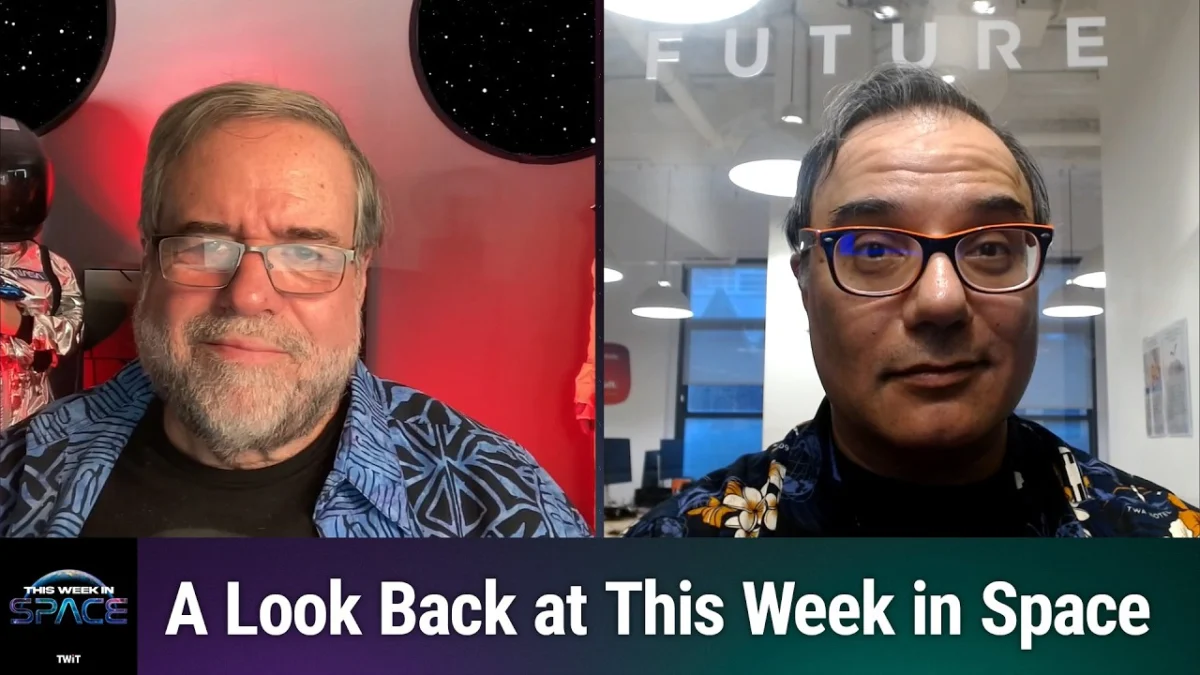
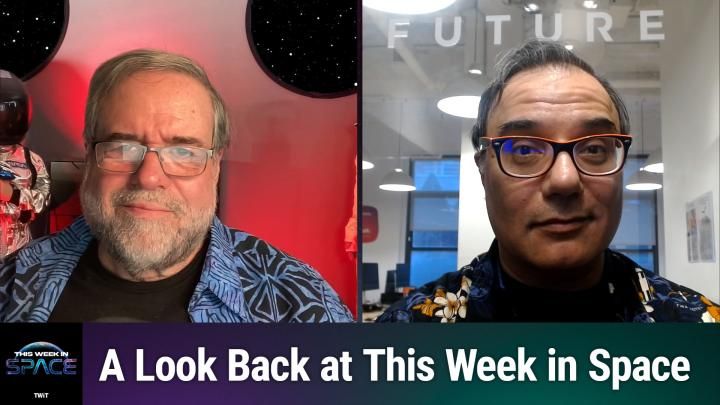
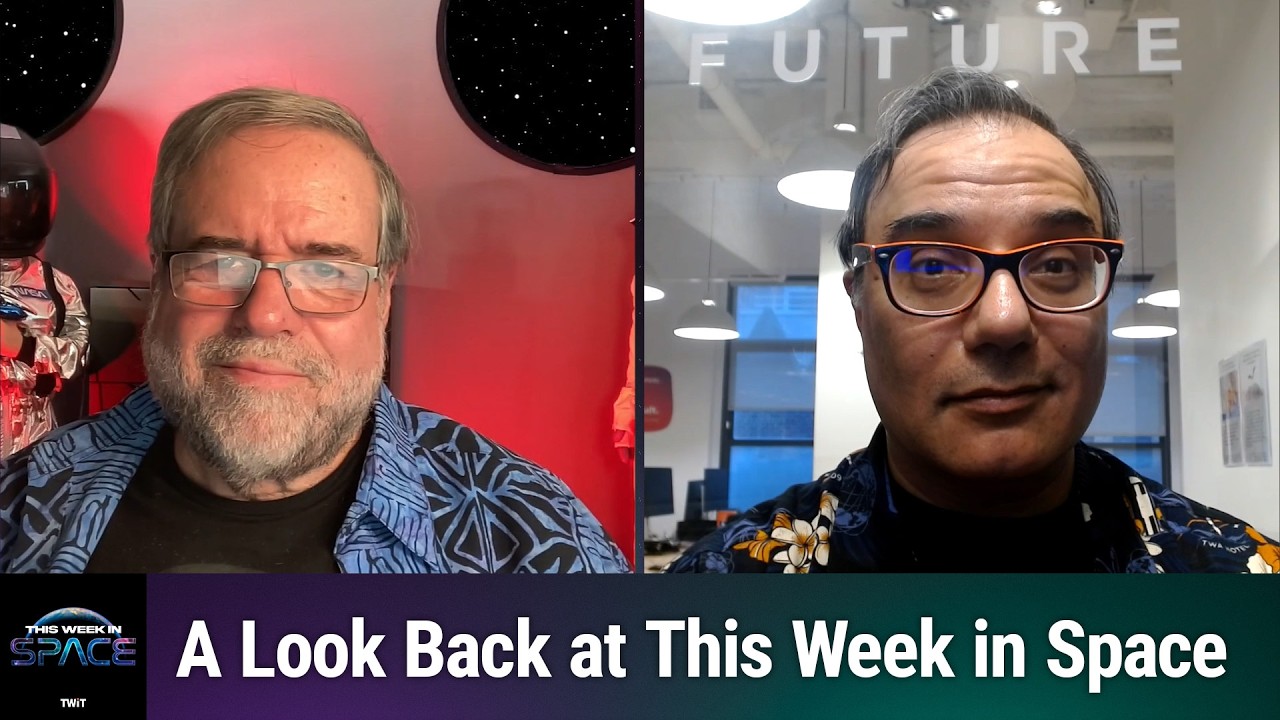
The long-running podcast This Week in Space (TWiS), a staple of the TWiT.tv network, has officially concluded its production run with the release of its 237th episode. Hosts Tariq Malik and Rod Pyle signed off for the final time, marking the end of a series that served as a significant educational bridge between complex aerospace developments and the general public. While the show is currently off the air, the production team has indicated that the project is not dead, but rather in a state of transition, with plans to re-emerge in a new venue by early 2027.
A Retrospective on a Specialized Niche
Launched to demystify the rapidly evolving “New Space” era, This Week in Space was designed to provide a deep, analytical dive into the private and public sectors of aerospace. Over the course of approximately 240 episodes—including beta test recordings—Malik and Pyle navigated the complexities of the lunar return missions, the rapid advancement of commercial orbital launch capabilities, and the shifting geopolitical landscape of space exploration.
The show gained traction by combining professional journalism with a conversational style that made dense topics, such as orbital mechanics and interplanetary propulsion, accessible. Its format—typically a weekly Friday deep-dive—offered listeners a consistent, reliable source of information during a period when the frequency of launches and technological breakthroughs hit an all-time high.
Chronology and Evolution of the Program
The program’s history mirrors the acceleration of the space industry itself. When the podcast began, the industry was witnessing the early normalization of reusable rocket technology and the first major steps of the Artemis program. Throughout its tenure, the podcast tracked significant milestones, including:
- 2021–2022: The establishment of the show’s format, focusing on the emergence of SpaceX’s Starship development and the initial phases of the Artemis lunar initiative.
- 2023: A period of expanded coverage regarding international space agencies, particularly the growing influence of the Chinese National Space Administration (CNSA) and the emergence of commercial space stations.
- 2024: Deep dives into the integration of artificial intelligence in space robotics and the shifting economics of low-Earth orbit (LEO) tourism.
- Late 2024/Early 2025: The final phase of the show’s tenure on the TWiT.tv network, culminating in a retrospective of the most memorable interviews and comedic highlights from the series.
The decision to conclude the current iteration of the podcast is part of a broader shift in digital media, where long-form educational content is increasingly looking for sustainable, independent models to thrive.
The Voices Behind the Mic
The success of the podcast was largely attributed to the complementary backgrounds of its hosts. Tariq Malik, serving as the Editor-in-Chief of Space.com, provided the rigorous journalistic framework required to fact-check the rapidly changing news cycle. His background as a veteran reporter covering human spaceflight since 2001 gave the show a level of institutional memory rarely found in independent podcasts.
Rod Pyle, an accomplished author and historian, provided the narrative depth. With 18 books on space history to his credit—including works like Innovation the NASA Way and Destination Mars—Pyle was responsible for grounding current events in the context of the Cold War and the early Apollo era. Together, their dynamic offered listeners a mix of "hard news" and historical perspective that cultivated a loyal, engaged audience.
The Broader Impact of Aerospace Podcasting
The cancellation of a high-profile show like This Week in Space highlights the challenges of the niche science-podcasting market. While space exploration has seen a massive surge in public interest, the cost of producing high-quality, research-intensive content is significant.
Analysis of the podcast’s impact suggests that its primary contribution was the normalization of space news as a standard beat in the technology sector. By covering not just the "wins"—such as a successful landing—but also the regulatory, economic, and safety challenges facing the industry, the hosts provided a level of transparency that helped the public navigate the hype surrounding the billionaire-led space race.
Official Statements and Future Outlook
While the departure from the TWiT.tv network is definitive, the hosts have remained optimistic about the future of the brand. In their final broadcast, the pair emphasized that the "terrible space humor" and the deep analysis that characterized the show will continue, albeit in a different format.
For followers of the series, the hosts have directed the audience to their social media channels under the handle @rodandtariq on Instagram and Facebook. These channels will serve as the hub for updates regarding the "2027 initiative," a mysterious placeholder for the show’s next iteration. Industry observers suggest that this hiatus may be a strategic pause to allow for a rebrand or a shift to a new distribution platform that better aligns with the evolving landscape of digital media consumption.
A Market for Enthusiasts: The Falcon 9 Legacy
In a nod to the hardware that dominated so many of their discussions, the final episode also highlighted the intersection of aerospace news and consumer products. The hosts drew attention to the growing demand for high-fidelity space collectibles, specifically the Estes Model Rocketry scale model of the SpaceX Falcon 9.
The inclusion of such topics underscores the show’s commitment to the "space enthusiast" community, which is comprised not only of policy wonks and engineers but also of hobbyists and students. The availability of a $149.99 launchable model of the workhorse of the modern space age serves as a symbolic marker of how the podcast bridged the gap between academic interest and practical, hands-on engagement with spaceflight.
Looking Toward 2027
The hiatus of This Week in Space is a reminder of the volatility of the digital media industry, even for established programs. However, the space industry itself shows no signs of slowing down. With planned Mars missions, the continued construction of the Lunar Gateway, and the proliferation of private constellations, the need for high-quality, expert-led analysis remains higher than ever.

Whether the return in 2027 takes the form of a podcast, a documentary series, or a new digital-first educational platform, the legacy of the show’s 237 episodes stands as a testament to the importance of specialized science communication. For now, the "final frontier" will have to wait for the next iteration of Malik and Pyle’s commentary, but the foundation they laid—a community of informed, passionate, and scientifically curious listeners—remains ready for the next launch.
As the industry pivots toward the next generation of lunar exploration and deep-space missions, the void left by the conclusion of this series will likely be filled by new voices, but few will have the depth of institutional experience that defined this specific production. For the fans who followed the show from the early days of its beta testing to its final, bittersweet sign-off, the message is clear: keep looking up, and stay tuned for the next mission.