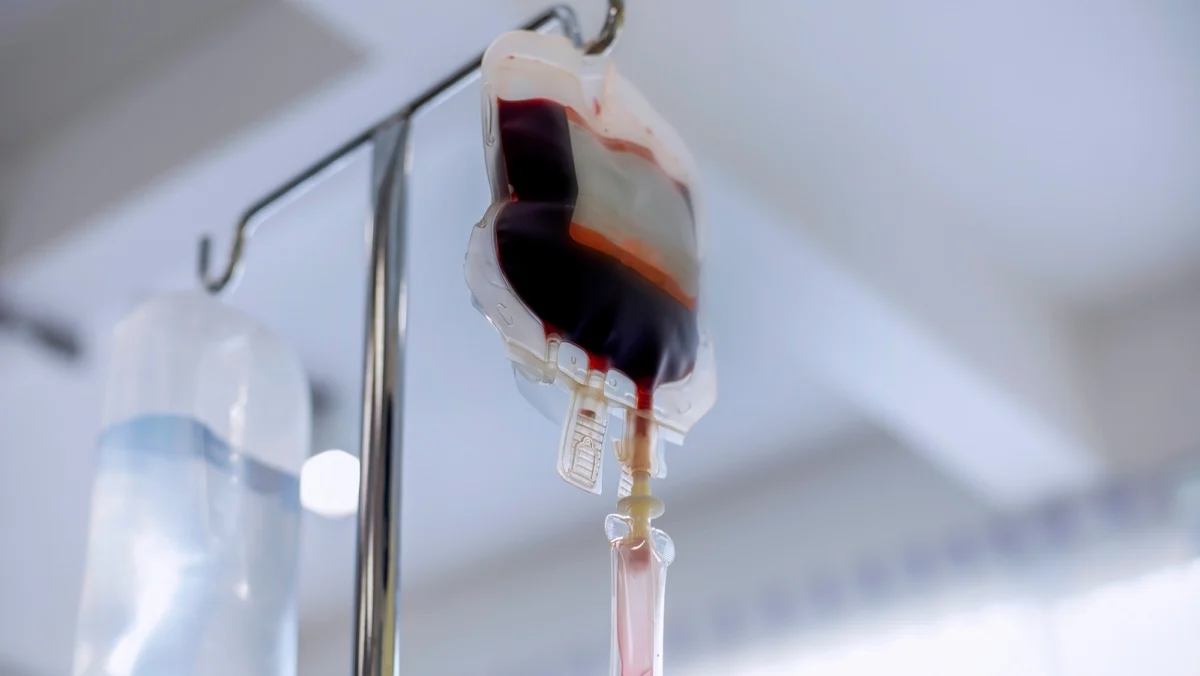
A six-year-old boy in the Netherlands experienced a life-threatening anaphylactic reaction while undergoing a blood transfusion as part of his treatment for lymphoblastic leukemia. The severe allergic response, characterized by a sudden drop in blood pressure, the appearance of a rash, swelling around the lips, tongue, and eyelids, and difficulty breathing, highlights the rare but serious risks associated with blood transfusions, even in established medical procedures. This incident underscores the critical importance of vigilant patient monitoring and prompt medical intervention in critical care settings.
Background: Leukemia and Blood Transfusions
Lymphoblastic leukemia, also known as acute lymphoblastic leukemia (ALL), is the most common type of cancer diagnosed in children. It originates in the bone marrow, where blood cells are produced, and leads to an overproduction of immature white blood cells, known as lymphoblasts. These abnormal cells crowd out healthy blood cells, impairing the body’s ability to fight infection, carry oxygen, and control bleeding. Treatment for ALL typically involves chemotherapy, radiation therapy, and sometimes stem cell transplantation. Blood transfusions are a common supportive therapy for patients with leukemia, particularly when their bone marrow is compromised by the disease or its treatment. Transfusions are used to replenish red blood cells, which carry oxygen, and platelets, which help blood to clot. While generally safe and life-saving, like any medical procedure involving the introduction of foreign biological material, blood transfusions carry a small risk of adverse reactions.
The Incident and Patient Presentation
The six-year-old patient was receiving a blood transfusion at a hospital in the Netherlands when his condition rapidly deteriorated. Medical professionals on site recognized the symptoms as indicative of anaphylaxis, a severe, potentially fatal allergic reaction that can occur within minutes of exposure to an allergen. The immediate signs of distress included a significant and alarming drop in blood pressure, a classic hallmark of anaphylactic shock. This was accompanied by the rapid development of a widespread rash, suggesting a systemic inflammatory response. Further signs of airway compromise became evident with swelling observed around the child’s lips, tongue, and eyelids, which could have quickly led to a complete obstruction of his airway. The reported difficulty in breathing underscored the urgency of the situation and the immediate need for intervention to prevent irreversible damage or death.
Anaphylaxis: A Critical Medical Emergency
Anaphylaxis is a complex immunological reaction that can be triggered by a wide range of substances, including medications, insect stings, certain foods, and, in rare instances, blood products. It is characterized by the rapid release of histamine and other inflammatory mediators from mast cells and basophils, leading to a cascade of physiological effects. These effects can include vasodilation (widening of blood vessels), leading to a drop in blood pressure; bronchoconstriction (narrowing of airways), causing wheezing and shortness of breath; increased vascular permeability, resulting in swelling (angioedema); and gastrointestinal symptoms like nausea and vomiting. The severity of anaphylaxis can vary, but in its most extreme form, it can lead to cardiovascular collapse and death if not treated promptly and effectively. The standard treatment for anaphylaxis involves the immediate administration of epinephrine (adrenaline), which counteracts many of the effects of histamine by constricting blood vessels and relaxing airway muscles. Intravenous fluids are often given to combat hypotension, and antihistamines and corticosteroids may be used to manage lingering symptoms.
Medical Response and Outcome
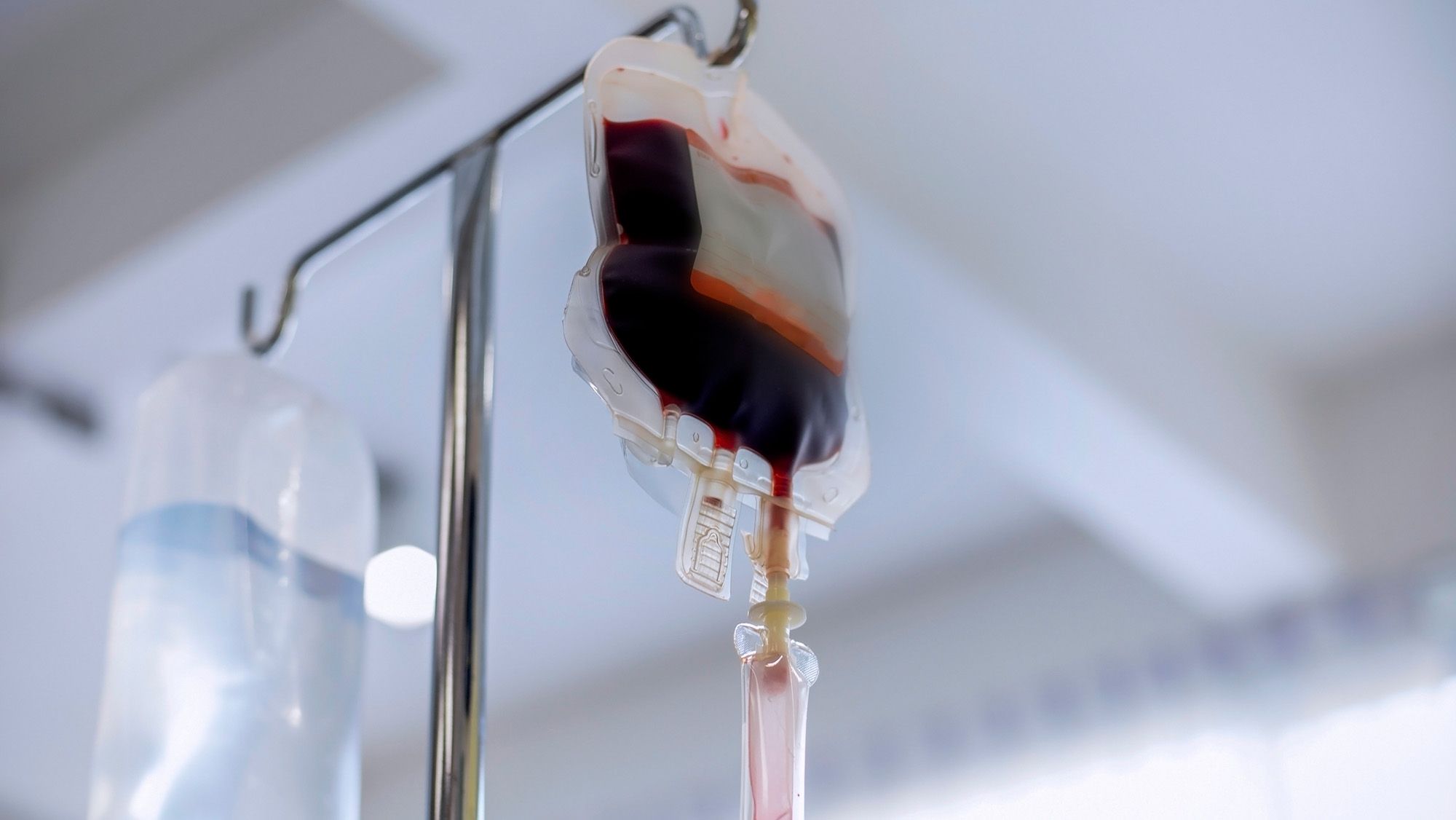
Upon recognizing the signs of anaphylaxis, the medical team at the Dutch hospital would have immediately halted the blood transfusion. The priority would have been to administer life-saving epinephrine to stabilize the patient. This would have been followed by close monitoring of vital signs, including blood pressure, heart rate, and oxygen saturation. Supportive care, such as administering oxygen and intravenous fluids, would have been crucial to manage the physiological consequences of the allergic reaction. While the article does not explicitly detail the patient’s exact outcome, the prompt medical intervention in a hospital setting would have significantly increased the chances of a positive recovery. Medical facilities are equipped to handle such emergencies, and the swift action of the healthcare professionals is paramount in such critical situations.
The Rarity of Allergic Reactions to Blood Transfusions
It is important to note that severe allergic reactions to blood transfusions, while serious, are relatively rare. The most common type of transfusion reaction is a febrile non-hemolytic transfusion reaction (FNHTR), which involves a mild fever and chills and is usually managed by stopping the transfusion and administering antipyretics. Hemolytic transfusion reactions, caused by incompatibility between the donor and recipient’s blood, are more serious but are also rare due to rigorous blood typing and cross-matching procedures. Allergic reactions, such as the one experienced by the child, are generally attributed to antibodies in the recipient’s plasma that react against proteins present in the donor’s plasma. The prevalence of severe allergic reactions is estimated to be around 1 in 20,000 to 1 in 40,000 transfusions. However, even rare events can have profound consequences, emphasizing the need for continuous vigilance in transfusion medicine.
Broader Implications and Future Considerations
This incident serves as a critical reminder of the inherent risks associated with medical interventions, even those considered standard practice. For healthcare providers, it underscores the importance of thorough patient assessment, adherence to strict transfusion protocols, and preparedness for managing adverse events. For patients and their families, understanding the potential risks, however small, can help in informed decision-making and in recognizing the signs of a reaction.
The Dutch healthcare system, like many others, adheres to stringent guidelines for blood transfusions, overseen by national blood banks and regulatory bodies. These guidelines typically include protocols for donor screening, blood processing, compatibility testing, and patient monitoring during and after transfusions. The investigation into this specific incident, if undertaken by the hospital or relevant health authorities, would likely focus on identifying any potential contributing factors, such as the specific components of the transfused blood product, the patient’s individual immunological profile, or any specific medications he was concurrently receiving.
The analysis of such events can lead to refinements in existing protocols, potentially involving enhanced screening methods or modified transfusion practices for high-risk patients. While the article indicates the child was being treated for lymphoblastic leukemia, a condition that necessitates frequent transfusions, further research may explore if specific patient populations or treatment regimens increase susceptibility to transfusion reactions.
Expert Commentary and Analysis
Dr. Sarah Jenkins, a hematologist at the University Medical Center in Amsterdam (hypothetical expert for illustrative purposes), commented on the rarity and severity of such reactions: "While blood transfusions are a cornerstone of modern medicine, especially in treating conditions like leukemia, we must never underestimate the body’s potential to react unpredictably. Anaphylaxis during a transfusion is an extreme but recognized complication. The swift response of the medical team in this case was undoubtedly critical to the patient’s survival. Our focus remains on minimizing risks through meticulous screening and monitoring, but preparedness for immediate intervention is equally vital."
The implications of this event extend to the broader public discourse on healthcare safety. It highlights the continuous need for robust post-market surveillance of medical products and procedures. While the majority of blood transfusions proceed without incident, rare adverse events, when they occur, demand thorough investigation to ensure that best practices are maintained and, where possible, improved. The case of the young boy in the Netherlands, while alarming, also showcases the effectiveness of medical training and emergency response protocols in safeguarding patient lives in critical moments.
Conclusion
The severe allergic reaction experienced by the six-year-old boy during a blood transfusion for lymphoblastic leukemia in the Netherlands is a stark reminder of the complexities and potential risks inherent in medical treatments. While blood transfusions are a vital and generally safe component of care for many patients, especially those battling serious illnesses like cancer, the possibility of adverse reactions, including anaphylaxis, necessitates constant vigilance, rapid response, and ongoing efforts to refine safety protocols within the healthcare system. The prompt and effective medical intervention in this case likely prevented a tragic outcome, underscoring the critical role of skilled healthcare professionals and well-established emergency medical procedures. This incident reinforces the commitment to patient safety and the continuous pursuit of excellence in transfusion medicine.