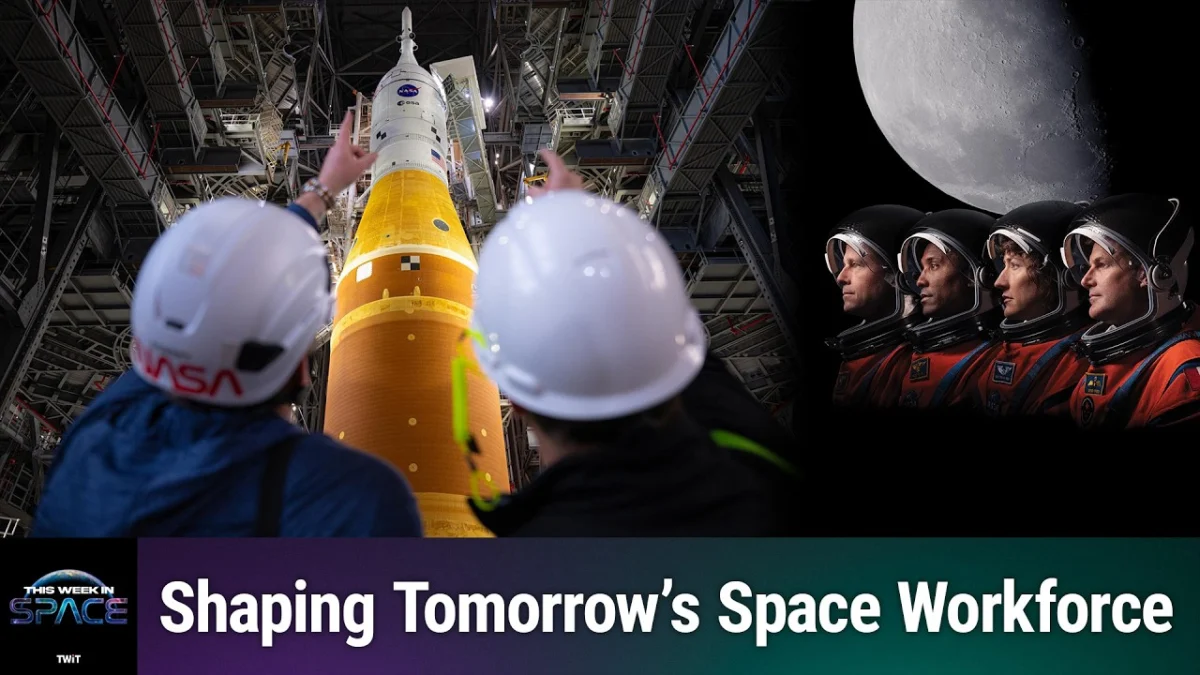
The modern aerospace industry is currently experiencing a period of unprecedented expansion, driven by the renewed lunar ambitions of global superpowers and a surge in commercial space activity. This rapid growth has created a critical demand for a highly skilled workforce, necessitating a robust pipeline for Science, Technology, Engineering, and Mathematics (STEM) talent. During the 233rd episode of the podcast This Week in Space, host Tariq Malik and guest host Rick Jenet explored this urgent hiring landscape with Dr. Amanda Smith-Hackler, the Director of Education for the Universities Space Research Association (USRA) and Principal Investigator for the Air Force Research Laboratory (AFRL) Scholars and STEM Workforce Development Programs. The discussion underscored the necessity of bridging the gap between academic training and the practical requirements of the rapidly evolving "NewSpace" economy.
The urgency of this workforce development stems from the shift in the global space paradigm. Unlike the space race of the 20th century, which was largely defined by a competition between two sovereign nations, the current era is characterized by a "democratization" of access to orbit. With the rise of reusable launch vehicles, miniaturized satellite technology, and private-sector involvement, the number of space-faring nations and commercial entities has reached an all-time high. Consequently, the industry is no longer just looking for traditional aerospace engineers; it requires a diverse array of data scientists, software architects, manufacturing specialists, and policy analysts who understand the complexities of the orbital environment.
The Evolution of the Aerospace Pipeline
To understand the current hiring crisis, one must look at the historical progression of space workforce development. During the Apollo era, the pipeline was centralized, largely funneled through government-led initiatives and massive defense contractors. Today, the ecosystem is decentralized. The AFRL Scholars Program and similar initiatives managed by Dr. Smith-Hackler are designed to expose students to the realities of research and development (R&D) in a government-adjacent setting before they even complete their degrees.
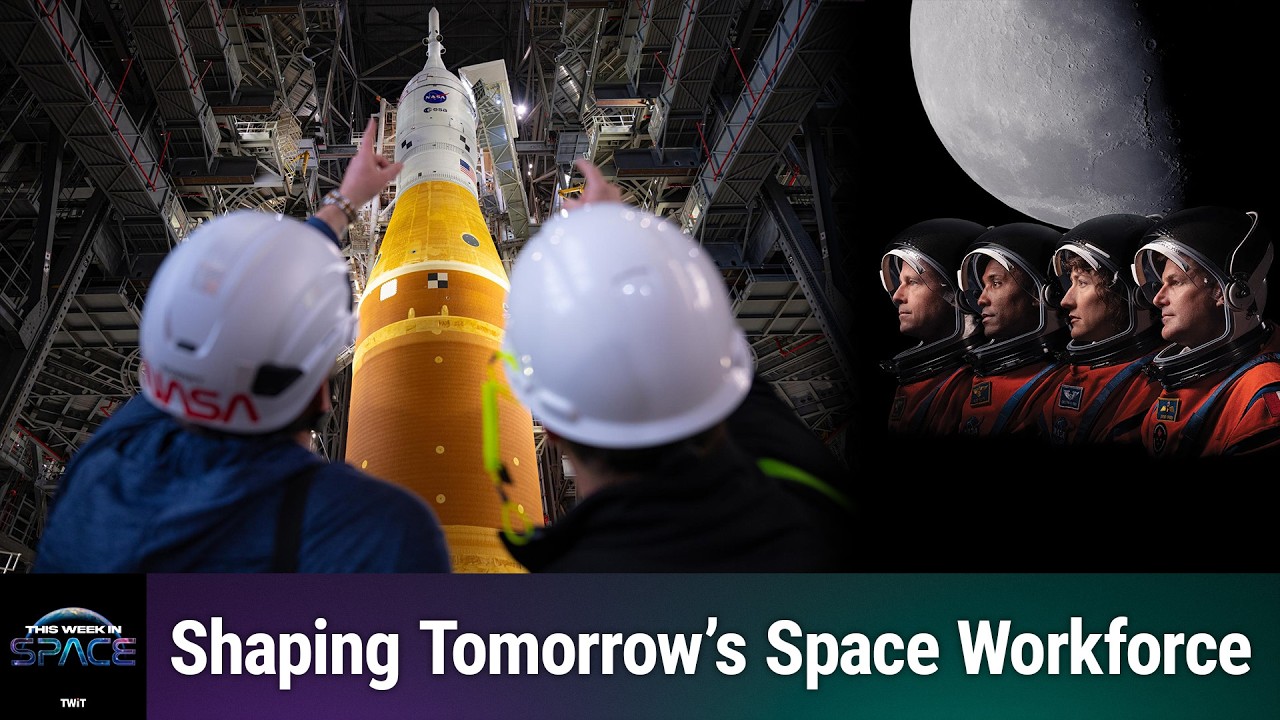
The "Artemis Generation"—a term referring to the cohort of students and young professionals who will support the return of humans to the lunar surface—faces a unique set of challenges. Unlike their predecessors, they must navigate a landscape where international collaboration (such as the Artemis Accords) and commercial competition exist simultaneously. According to industry data, the global space economy is projected to grow from roughly $546 billion in 2022 to over $1 trillion by 2040. This trajectory suggests that the current educational output of STEM graduates is insufficient to meet the projected demand, leading to intense competition for top-tier talent among traditional aerospace giants like Boeing and Lockheed Martin, and agile newcomers such as SpaceX, Blue Origin, and Rocket Lab.
Chronology of Modern Space Workforce Shifts
The transition toward the current hiring environment can be broken down into several key phases:
- The Post-Shuttle Transition (2011–2015): Following the retirement of the Space Shuttle, many skilled workers transitioned into private sectors or retired. This period created a "knowledge gap" that the industry is still working to bridge.
- The Commercial Crew Catalyst (2015–2020): NASA’s decision to transition from owner-operator to a customer model for low-Earth orbit (LEO) transport forced companies to build their own independent hiring infrastructures, moving away from relying solely on NASA contractors.
- The Artemis Proliferation (2020–Present): The formalization of the Artemis program shifted the focus back to deep-space exploration, requiring new skill sets in lunar surface operations, sustainable life support, and long-duration radiation shielding.
The Role of Mentorship and Practical Application
A recurring theme in the discussions led by experts like Dr. Smith-Hackler is the "skills gap" between classroom theory and laboratory reality. While university curricula provide a foundational understanding of physics and mathematics, the pace of change in space hardware often outstrips the ability of academic institutions to update their textbooks.
Programs like the AFRL Scholars initiative are designed to act as a bridge. By placing students in active research environments, these programs allow participants to work on real-world projects, such as spacecraft materials testing or orbital mechanics modeling. This experiential learning is vital; it transforms a student from a passive consumer of information into an active contributor to the aerospace ecosystem. For the industry, this reduces the "onboarding" time required for new hires, a critical factor when the cost of human error in space operations is measured in millions of dollars and lost mission time.
Supporting Data and Industry Implications
Recent reports from the Space Foundation indicate that the workforce is becoming increasingly interdisciplinary. While mechanical and aerospace engineering remain the most sought-after degrees, there has been a 40% increase in demand for software engineering and cybersecurity expertise within the space sector over the last five years. This shift reflects the transition from hardware-heavy missions to software-defined satellites and autonomous ground systems.
Furthermore, the demographic makeup of the workforce is shifting. Organizations are placing a greater emphasis on diversity and inclusion, not merely as a matter of social responsibility, but as a strategic necessity. A diverse workforce is statistically more likely to innovate and solve complex problems, which is essential for the unprecedented challenges of long-duration space flight and off-world habitation.
Analysis: Beyond the Classroom
The broader implication of this talent crunch is that the "NewSpace" sector must become more active in shaping the educational pipeline. It is no longer sufficient to wait for graduates to enter the job market; companies are increasingly partnering with universities, hosting hackathons, and providing early-career fellowships.
However, a significant barrier remains: the lack of public awareness regarding the breadth of roles available in the sector. Many students assume that working in space requires an advanced degree in rocket science. In reality, the industry needs project managers, accountants, legal experts, and environmental scientists to navigate the regulatory and logistical hurdles of extraterrestrial development. Broadening the narrative to include these roles is essential for scaling the workforce to the level required by the next decade’s ambitious lunar and Martian missions.
Engaging the Next Generation: Hands-On Inspiration
While long-term career development is a serious economic endeavor, the industry also recognizes the importance of early-stage inspiration. This is where consumer-facing products play a surprisingly meaningful role. The availability of high-quality, launchable scale models—such as the Estes Falcon 9 model—serves as an entry point for younger students. These tools provide a tactile connection to the physics of flight and the engineering principles behind modern launch vehicles.
By making the technology accessible and understandable, the industry fosters a "space-first" culture that begins in childhood. While a model rocket is not a substitute for rigorous STEM education, it is an essential instrument for igniting the curiosity that leads to the pursuit of advanced degrees in engineering and science.
Conclusion
The "Artemis Generation" represents a pivotal moment in human history. As we prepare to establish a sustained presence on the Moon and look toward Mars, the success of these endeavors rests entirely on the quality and dedication of the workforce building the infrastructure. Through the collaborative efforts of government agencies, academic institutions, and private industry, the STEM pipeline is slowly adapting to the demands of a multi-planetary future.
The insights provided by Dr. Amanda Smith-Hackler and the hosts of This Week in Space highlight a clear reality: the space economy is no longer a fringe sector but a cornerstone of 21st-century technological progress. As the hiring landscape continues to tighten and evolve, the emphasis on practical experience, interdisciplinary skill sets, and early engagement will remain the primary drivers for sustaining the momentum of the current space renaissance. Whether through structured government fellowships or the humble, yet effective, act of launching a model rocket in a backyard, the pathway to the stars is being paved one student, one intern, and one engineer at a time. The mission, it appears, is as much about cultivating the human mind as it is about launching hardware into the void.