Aerolineas Argentinas, the national flag carrier of Argentina and a prominent member of the SkyTeam alliance, has announced a comprehensive strategic pivot marked by a significant fleet modernization program and a multi-million-dollar investment in the passenger experience. This transition comes at a pivotal moment for the airline, which has historically struggled with financial instability and operational inefficiencies. After nearly two decades of relying on state subsidies, the carrier has reported a remarkable financial turnaround, posting consecutive profits and moving toward a model of fiscal self-sufficiency. The newly unveiled initiatives, which include the acquisition of 20 next-generation aircraft and a total cabin overhaul for long-haul routes, represent a bold attempt to position the airline as a competitive player in the international aviation market.
A Historic Financial Turnaround and the Path to Self-Sufficiency
The trajectory of Aerolineas Argentinas has been fraught with challenges since its nationalization in 2008. For 18 consecutive years, the airline operated at a loss, often serving as a symbol of the broader economic volatility within Argentina. During this period, the carrier received enough government intervention to maintain operations but lacked the capital necessary for long-term strategic growth or fleet renewal. This cycle of dependency created an aging fleet and a product offering that struggled to compete with both regional rivals and international giants.
However, recent financial data indicates a profound shift in the airline’s fortunes. In 2024, Aerolineas Argentinas reported a net profit of $56.6 million, a figure that nearly doubled to $112.7 million in 2025. Perhaps most significantly, 2025 marked the first year since the airline’s return to state ownership that it did not require government subsidies to cover its operating costs. This newfound profitability has provided the carrier with the leverage needed to negotiate lease agreements for new aircraft and commit to a $65 million investment in its onboard product. Analysts attribute this turnaround to a combination of optimized route planning, increased load factors, and a stabilized domestic market, alongside a more disciplined approach to cost management.
Strategic Fleet Expansion: The Move to Airbus and Boeing Next-Gen Jets
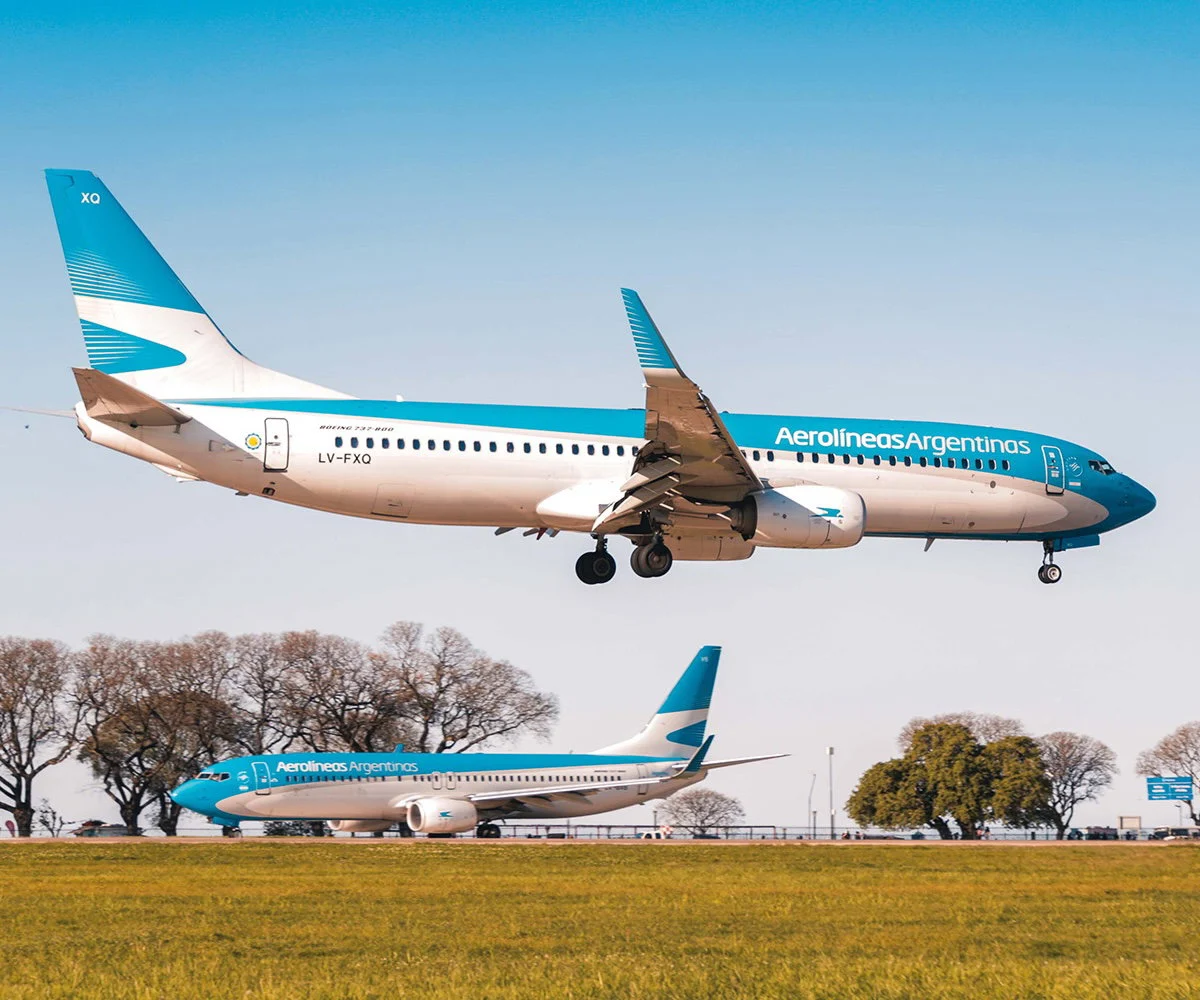
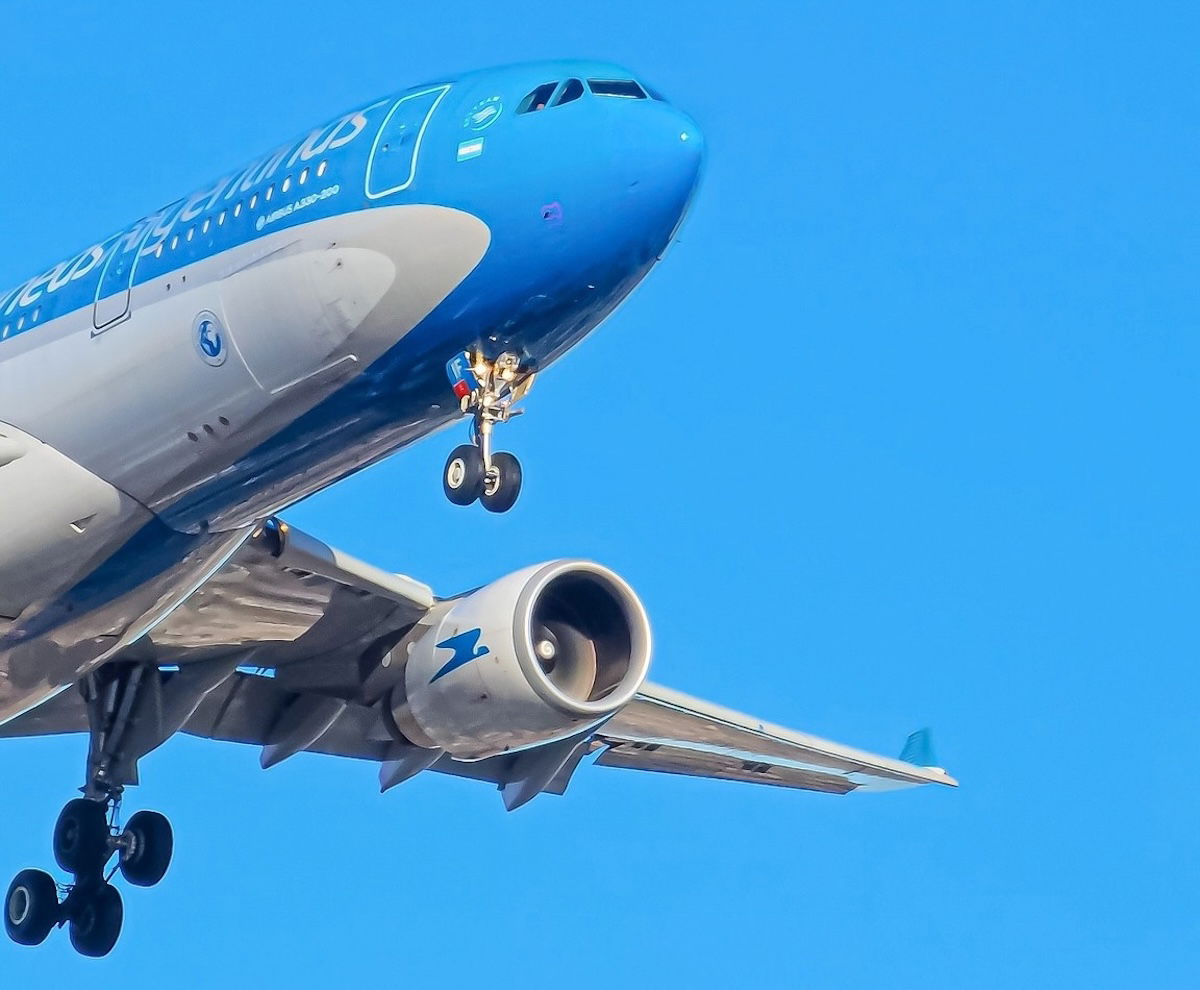
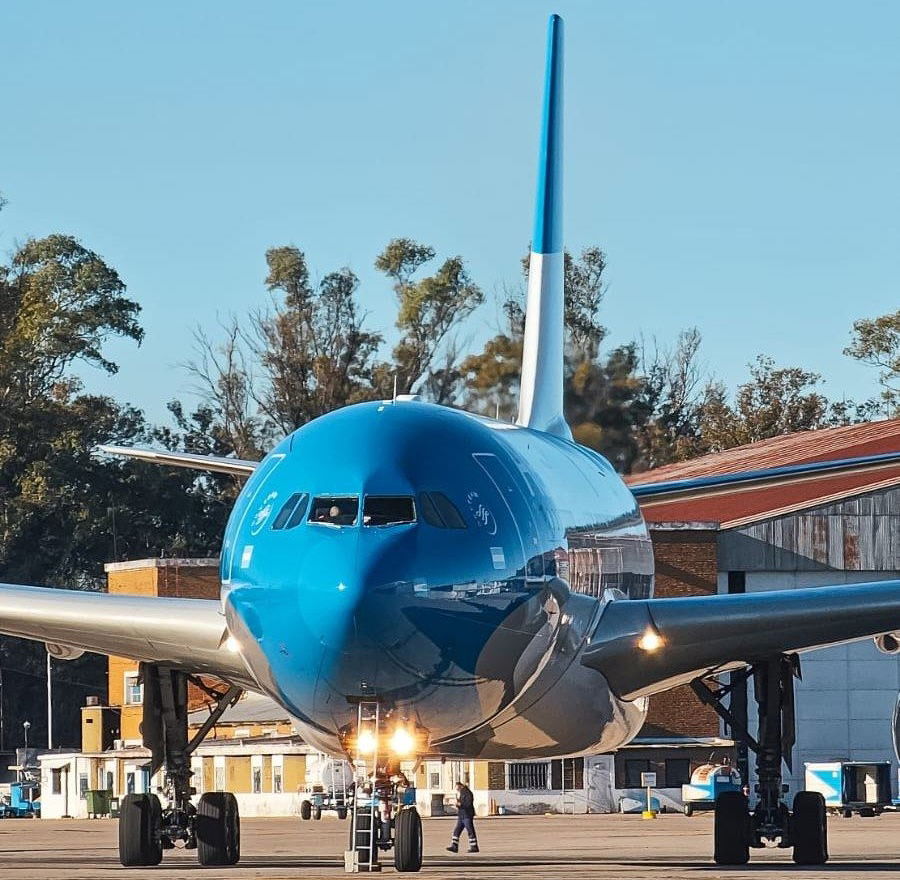
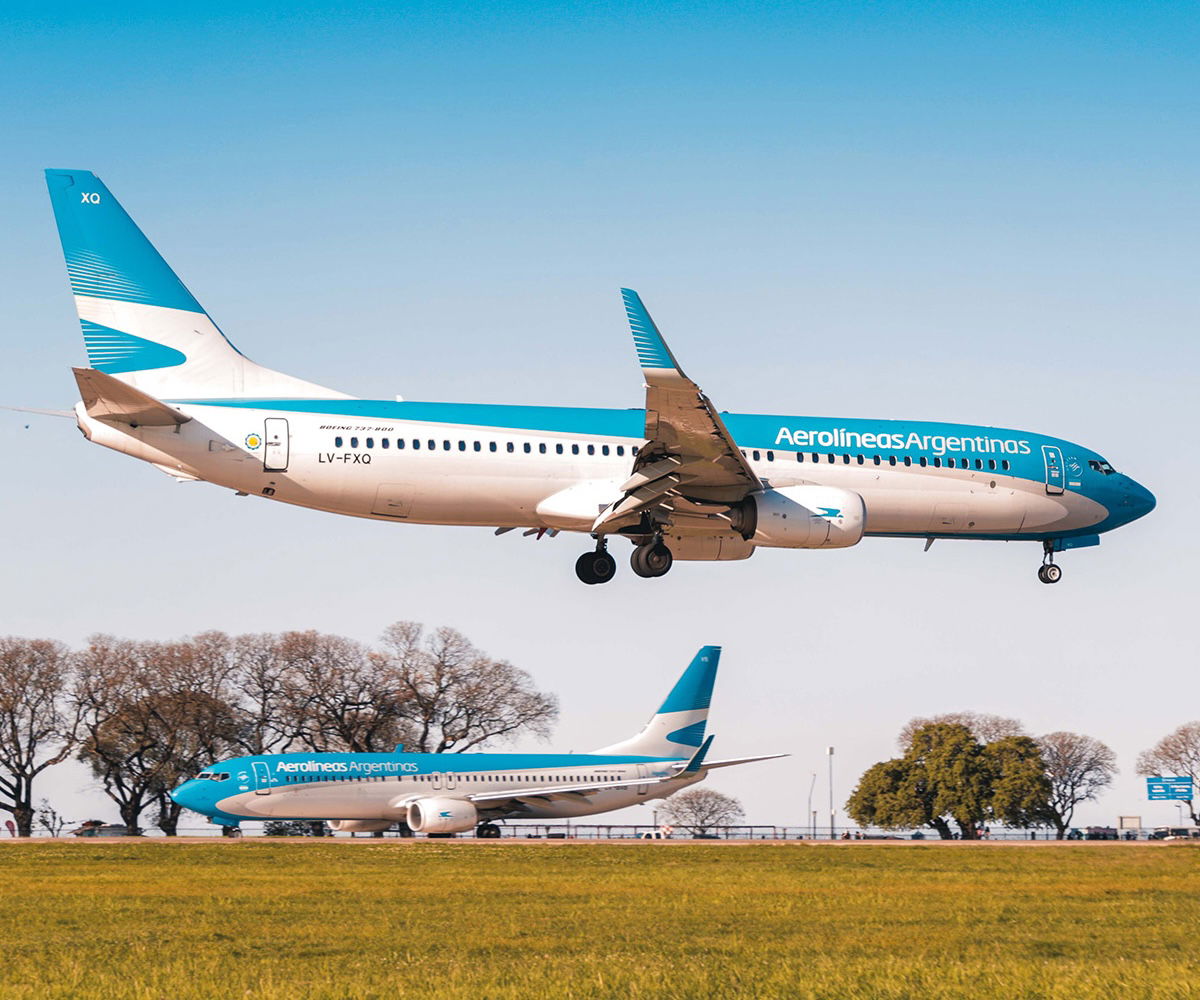
Central to the airline’s modernization strategy is the acquisition of 20 modern aircraft, which will be integrated into the fleet through various lease agreements. The current fleet, which consists of approximately 80 aircraft including Airbus A330s, Boeing 737-800s, and Embraer E190s, will be bolstered by the addition of the Airbus A330-900neo and the Boeing 737 MAX.
The transition to the A330-900neo is particularly significant for the airline’s long-haul capabilities. These aircraft are renowned for their fuel efficiency, powered by Rolls-Royce Trent 7000 engines, and offer a reduced environmental footprint compared to the older A330-200 models currently in service. The airline expects these new wide-body jets to be the cornerstone of its international operations to Europe and North America. Simultaneously, the integration of more Boeing 737 MAX aircraft will enhance the efficiency of the carrier’s short- and medium-haul network, providing better range and lower per-seat costs for domestic and regional South American routes. The delivery schedule for these 20 aircraft is set to conclude by 2031, ensuring a gradual but steady transformation of the carrier’s operational profile.
Reimagining the Passenger Experience: The $65 Million Cabin Overhaul
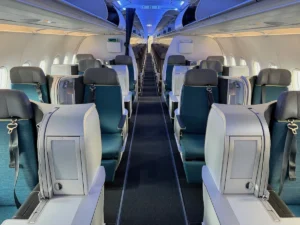
Beyond the acquisition of new hulls, Aerolineas Argentinas is dedicating $65 million toward a comprehensive refurbishment of its existing long-haul cabins. For years, the airline’s business class product has been criticized for being uncompetitive. The current A330-200 fleet features an angled-flat seat in a 2-2-2 configuration, a layout that lacks direct aisle access for all passengers and falls short of the industry standard for premium international travel.
The airline has confirmed that its new Airbus A330-900neo aircraft will feature a three-class configuration designed to maximize comfort and revenue potential. The aircraft will be equipped with 291 seats in total, distributed as follows:
- 30 Business Class Seats: These will utilize the Vantage XL platform, a staggered 1-2-1 configuration that ensures every passenger has direct aisle access and a fully flat bed. This product is identical to that found on other premium carriers, such as ITA Airways, signaling Aerolineas Argentinas’ intent to compete directly for high-yield corporate and leisure travelers.
- 24 Premium Economy Seats: A dedicated cabin offering increased legroom and enhanced service, catering to the growing segment of travelers looking for a middle ground between economy and business class.
- 237 Economy Seats: Modern slimline seats equipped with updated personal entertainment systems and ergonomic improvements.
Furthermore, the airline plans to harmonize the experience across its long-haul fleet by retrofitting existing A330-200s to match the interior standards of the new A330-900neos. This consistency is vital for brand reliability, ensuring that passengers receive a high-quality product regardless of the specific aircraft assigned to their flight.
Connectivity and Technology: The Introduction of Fleet-Wide Wi-Fi
In an era where constant connectivity is a prerequisite for many travelers, Aerolineas Argentinas has historically lagged behind its SkyTeam partners. To address this, the airline has announced a partnership with Intelsat to provide multi-orbit Wi-Fi connectivity across its entire fleet. This rollout is scheduled to begin in 2027, starting with the long-haul Airbus A330 fleet before expanding to the Boeing 737 and Embraer E190 aircraft.
The airline will utilize Intelsat’s new electronically steered array (ESA) antenna, which allows for seamless switching between geostationary (GEO) and low-earth orbit (LEO) satellites. This technology ensures lower latency and higher speeds, providing a domestic-like internet experience even while flying over remote oceanic regions. This upgrade is expected to significantly boost passenger satisfaction scores and provide a new stream of ancillary revenue through tiered internet packages.
Chronology of the Transformation
The roadmap for Aerolineas Argentinas’ evolution is defined by several key milestones:

- 2008–2023: Period of state-funded operations characterized by consistent financial deficits.
- 2024: The airline records its first significant profit of $56.6 million.
- 2025: Profitability increases to $112.7 million; the airline achieves independence from government subsidies.
- Late 2025: Formal announcement of the $65 million passenger experience investment and the 20-plane lease agreement.
- 2026: Commencement of cabin retrofits for the existing Airbus A330-200 fleet.
- 2027: Launch of fleet-wide Wi-Fi services, beginning with international routes.
- 2026–2031: Phased delivery of 20 new Airbus A330-900neo and Boeing 737 MAX aircraft.
Broader Impact and Industry Implications
The modernization of Aerolineas Argentinas carries implications that extend beyond the airline itself. For Argentina, a robust and self-sustaining national carrier is a vital tool for economic development and tourism. By improving its international product, the airline is better positioned to bring high-spending foreign tourists to the country, supporting the local hospitality and service sectors.
From a competitive standpoint, these upgrades place Aerolineas Argentinas in a stronger position relative to its regional competitors. Since the exit of LATAM Argentina from the domestic market, the airline has faced increased pressure from low-cost carriers like Flybondi and JetSmart. By elevating its service standards and modernizing its fleet, Aerolineas is clearly differentiating itself as a full-service premium alternative.
Furthermore, the airline’s commitment to the SkyTeam alliance is strengthened by these developments. As partners like Delta Air Lines and Air France-KLM continue to invest in the Latin American market, having a reliable, modern, and profitable partner in the Southern Cone is essential for the alliance’s network integrity. The move to the Vantage XL business class seat, in particular, aligns Aerolineas with the hardware standards of its global partners, facilitating a more seamless experience for connecting passengers.
Conclusion: A New Era for Argentine Aviation
The transformation of Aerolineas Argentinas from a subsidized state entity into a profitable, modernizing carrier is one of the more notable turnarounds in recent aviation history. While challenges remain—including the inherent volatility of the Argentine economy and the high cost of fuel—the airline’s current trajectory suggests a newfound maturity.
The investment in the Airbus A330-900neo and the Boeing 737 MAX, combined with a total overhaul of the cabin interior and the introduction of advanced connectivity, addresses the primary criticisms that have dogged the airline for decades. As the delivery of these aircraft continues through 2031, the aviation industry will be watching closely to see if Aerolineas Argentinas can maintain its financial discipline while delivering the premium experience it has now promised to its passengers. For the first time in nearly twenty years, the "Condor" appears ready to fly on its own strength, marking a new chapter for Argentine aviation on the world stage.