Aerolineas Argentinas, the national flag carrier of Argentina and a prominent member of the SkyTeam alliance, has officially embarked on a comprehensive fleet modernization and passenger experience overhaul, marking a definitive shift from its historically turbulent financial past. After eighteen consecutive years of operating at a loss following its nationalization in 2008, the carrier has reported a significant financial recovery, achieving profitability in 2024 and 2025. This newfound fiscal stability has paved the way for a multi-million dollar investment strategy aimed at upgrading its long-haul capabilities, harmonizing its narrow-body fleet, and introducing world-class amenities that align with modern international aviation standards.
The airline’s transformation comes at a critical juncture for the South American aviation market, where competition from regional giants such as LATAM and Avianca has intensified. By securing a profit of $56.6 million in 2024 followed by a more robust $112.7 million in 2025, Aerolineas Argentinas has demonstrated that it no longer requires the government subsidies that were once a staple of its existence. This financial independence is the cornerstone of the airline’s "2030 Vision," a strategic roadmap that includes the acquisition of twenty new-generation aircraft and a $65 million investment in cabin retrofits.
A Strategic Pivot: From Deficit to Profitability
The history of Aerolineas Argentinas since its 2008 nationalization has been characterized by high operational costs and a reliance on the Argentine Treasury. For nearly two decades, the airline served as a vital link for domestic and international travel but struggled to find a sustainable business model. The recent turnaround is attributed to a combination of optimized route planning, increased cargo revenue, and a stabilization of internal operational efficiencies.
In 2025, the carrier achieved a milestone by operating without government support for the first time in seventeen years. This fiscal milestone provided the necessary leverage to negotiate lease agreements for a fleet expansion that will see the introduction of modern, fuel-efficient aircraft. Industry analysts suggest that the move toward leasing rather than direct purchasing allows the airline to maintain liquidity while rapidly upgrading its aging fleet.
Fleet Expansion: The Airbus A330neo and Boeing 737 MAX
The centerpiece of the modernization effort is the acquisition of twenty new aircraft through various leasing partners. This order is strategically split between wide-body aircraft for long-haul international routes and narrow-body jets for domestic and regional operations. The deliveries are scheduled to be completed by 2031, ensuring a steady phase-out of older, less efficient airframes.
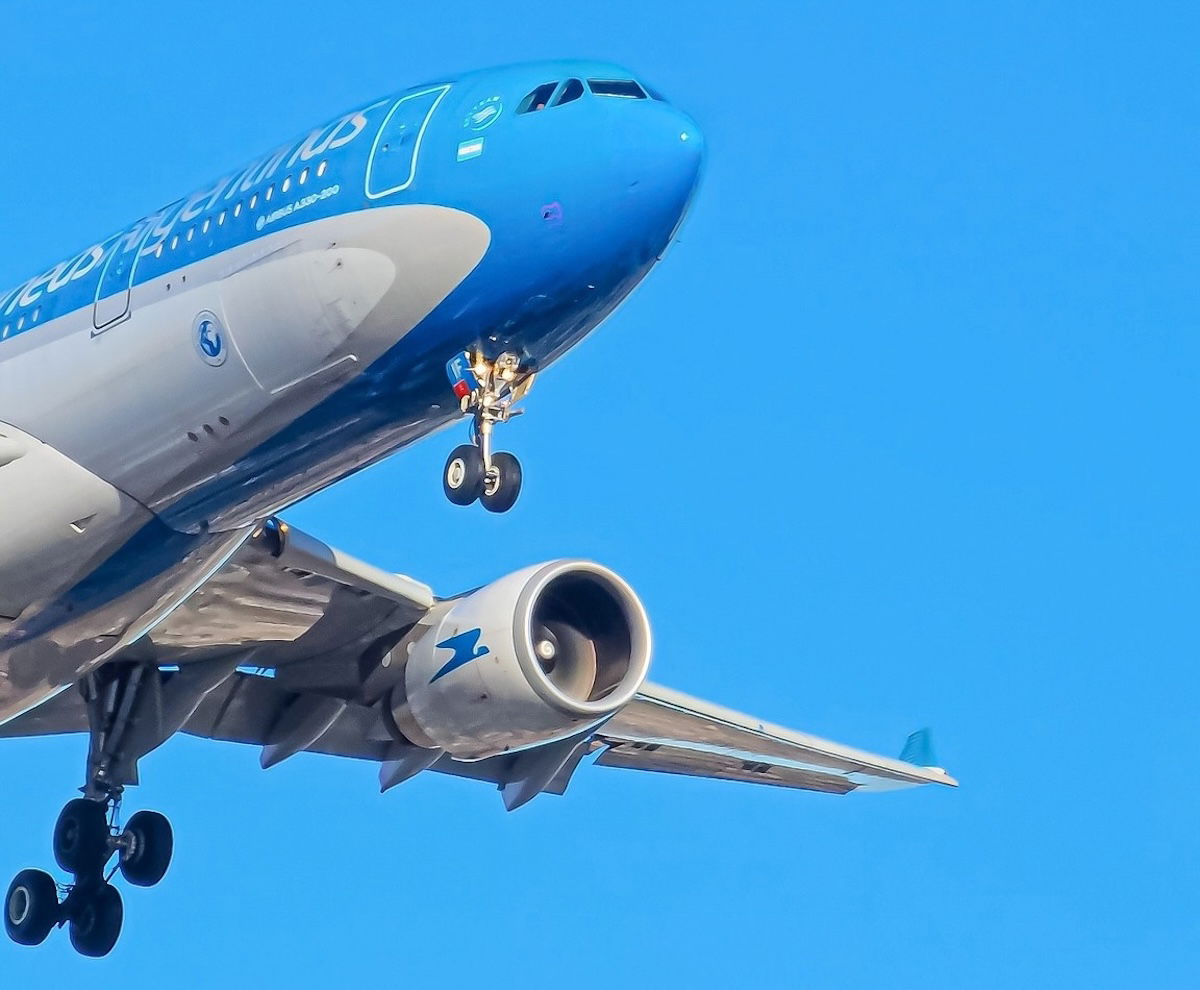
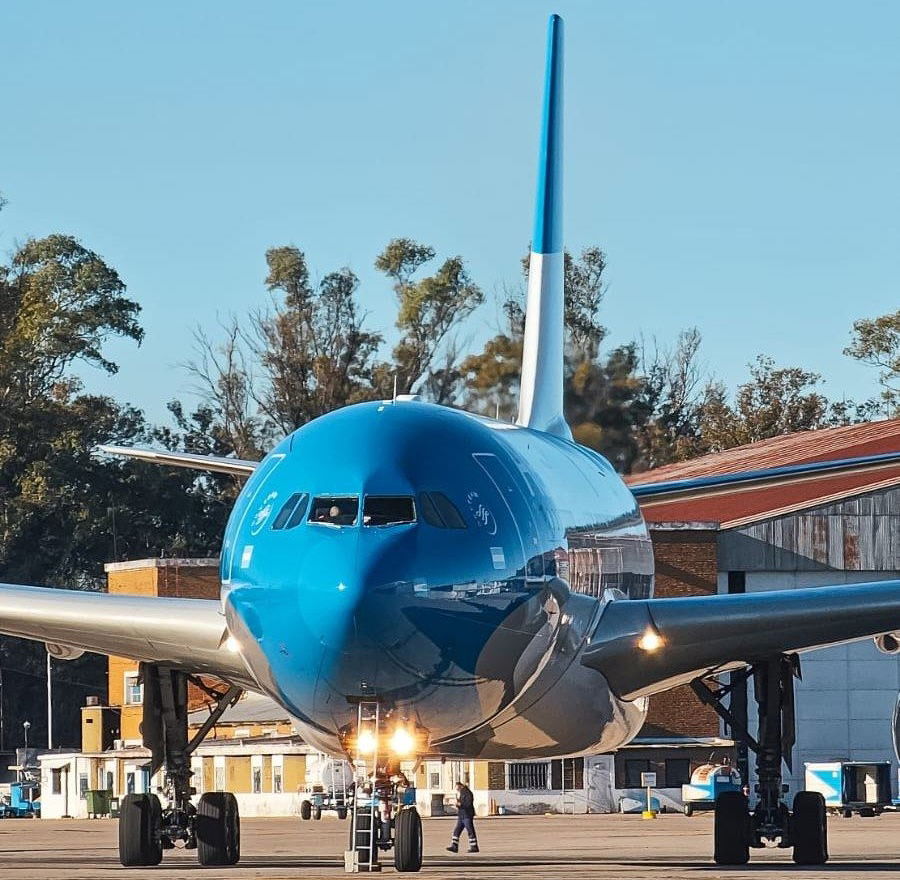
The airline will introduce the Airbus A330-900neo to its long-haul fleet. The A330neo is renowned for its operational efficiency, powered by Rolls-Royce Trent 7000 engines, which offer a significant reduction in fuel consumption and carbon emissions compared to the previous generation A330-200s currently operated by the carrier. For Aerolineas Argentinas, the A330neo represents an opportunity to increase capacity on high-demand routes to Europe and the United States while lowering the cost per available seat mile.
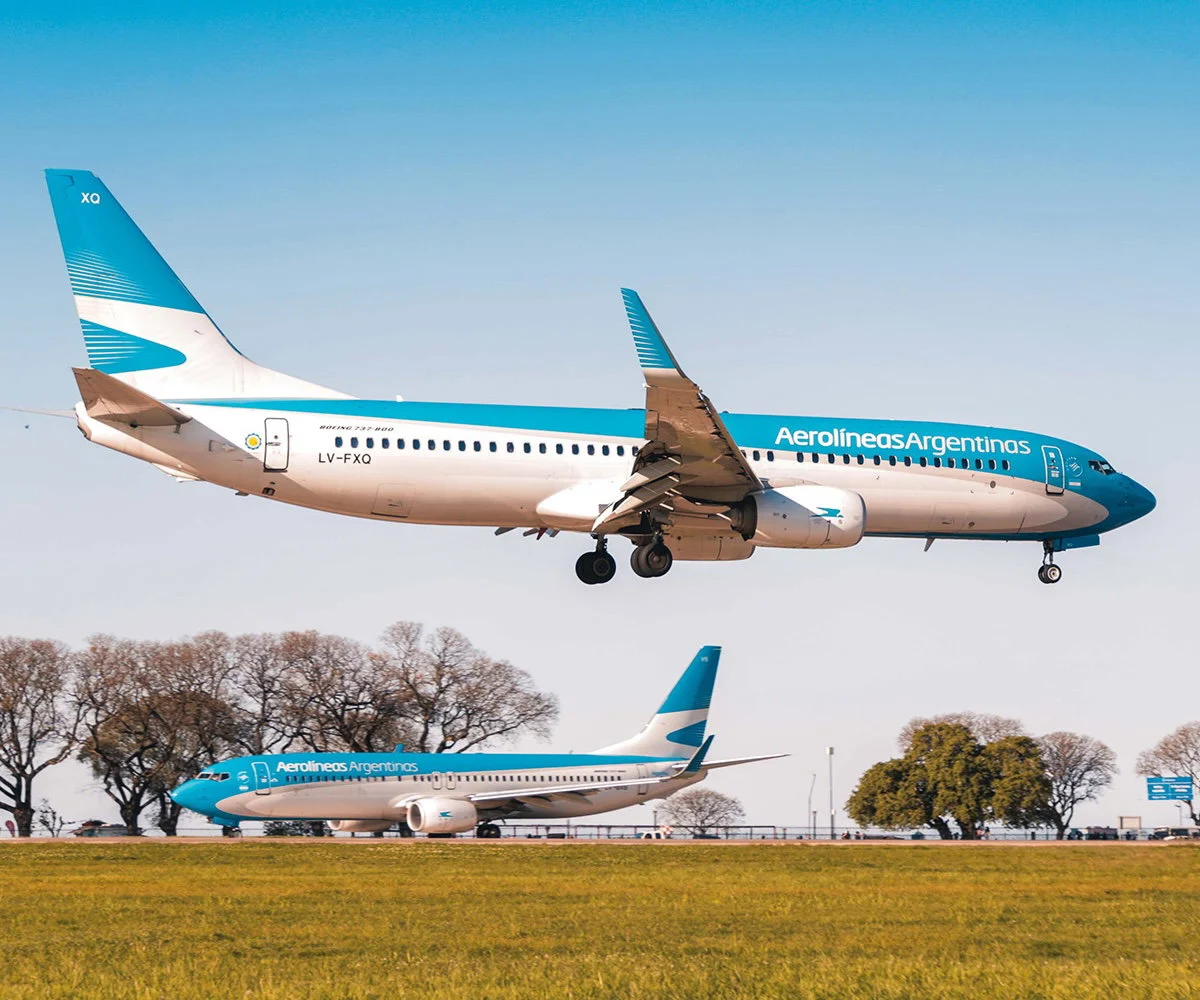
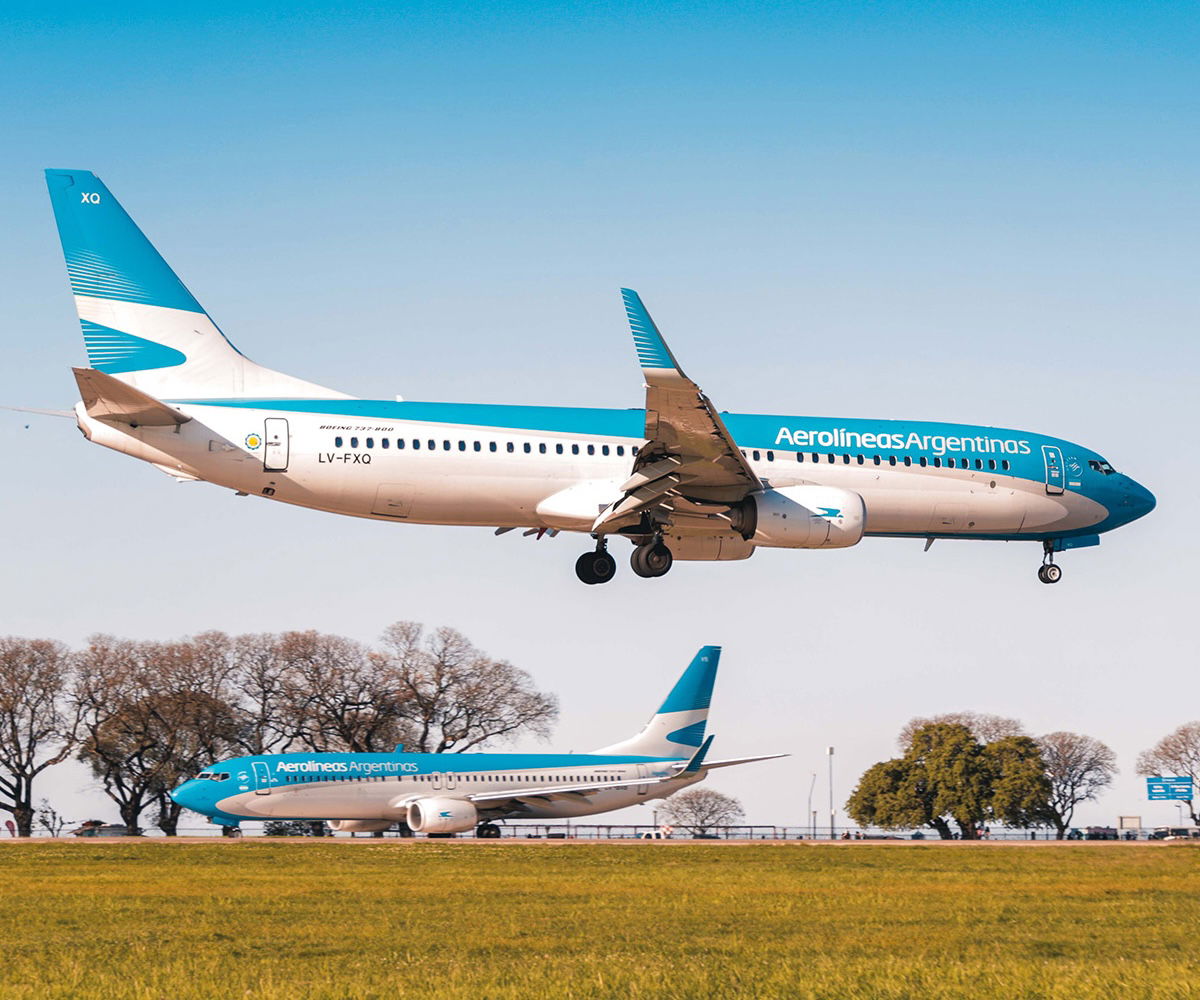
On the short and medium-haul front, the airline is doubling down on the Boeing 737 MAX family. The 737 MAX 8 and the larger MAX 9 will provide the backbone of the carrier’s domestic network, which serves the vast geography of Argentina, from the northern sub-tropics to the southern reaches of Patagonia. The MAX aircraft offer improved range and reliability, allowing the airline to explore new thin-haul international routes within South America that were previously not viable with older Boeing 737-800 or Embraer E190 aircraft.
Elevating the Passenger Experience: A $65 Million Cabin Overhaul
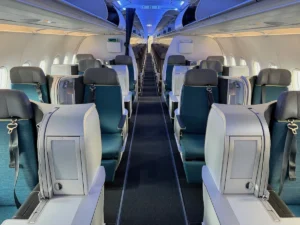
Beyond the acquisition of new metal, Aerolineas Argentinas is addressing a long-standing criticism of its service: an uncompetitive business class product. For years, the airline’s Airbus A330-200 fleet featured an "angled-flat" business class in a 2-2-2 configuration. In an era where "all-aisle access" and "fully flat beds" are the industry standard for long-haul travel, this layout placed the carrier at a disadvantage when competing for high-yield corporate and premium leisure travelers.
The airline has committed $65 million to harmonize and upgrade its cabins. The new Airbus A330-900neos will feature a three-class configuration totaling 291 seats. This includes:
- 30 Business Class Seats: Utilizing the Vantage XL platform, these seats will be arranged in a staggered 1-2-1 configuration, ensuring direct aisle access for every passenger. The seats will convert into fully flat beds and feature increased storage and larger high-definition entertainment screens.
- 24 Premium Economy Seats: This dedicated cabin will offer increased legroom, enhanced recline, and upgraded meal services, catering to a growing segment of travelers looking for a middle ground between standard economy and business class.
- 237 Economy Seats: These seats will feature improved ergonomics and individual power outlets.
In addition to the new aircraft, the airline plans to retrofit its existing A330-200 fleet to match this new interior standard. This harmonization is vital for maintaining brand consistency, ensuring that passengers receive the same level of comfort regardless of whether they are flying on a new or older wide-body aircraft.
Connectivity and the Digital Frontier
In a move to align with global trends in passenger expectations, Aerolineas Argentinas will introduce high-speed Wi-Fi across its entire fleet. Beginning in 2027, the airline will partner with Intelsat to provide multi-orbit connectivity. This technology utilizes an electronically steered array (ESA) antenna capable of communicating with both Geostationary (GEO) and Low Earth Orbit (LEO) satellites.

The implementation of LEO satellite connectivity, such as through the Starlink or OneWeb networks supported by Intelsat’s hardware, will significantly reduce latency and increase bandwidth. This will allow passengers to stream video, participate in video calls, and browse the web with speeds comparable to home broadband. The rollout will begin with the long-haul A330 fleet, followed by the Boeing 737 MAX and Embraer E190 fleets.
Market Implications and Regional Competition
The modernization of Aerolineas Argentinas has broader implications for the South American aviation landscape. As a member of SkyTeam, the airline provides critical connectivity for partners like Delta Air Lines, Air France, and KLM. An upgraded product makes Aerolineas a more attractive partner for codeshare agreements and joint ventures, potentially increasing the flow of international tourists into Argentina.
Furthermore, the upgrade is a direct challenge to LATAM Airlines, which has long been the dominant premium carrier in the region. By offering a competitive 1-2-1 business class and modern Wi-Fi, Aerolineas Argentinas aims to recapture market share on lucrative routes such as Buenos Aires to Madrid, Miami, and Rome.
Industry experts also note that the timing of this investment is crucial. Argentina’s economy has faced significant headwinds, including high inflation and currency volatility. By moving to a self-sustaining financial model and investing in fuel-efficient aircraft, Aerolineas Argentinas is insulating itself against future economic shocks. Lower fuel burn directly translates to lower operational costs, which is essential for maintaining profitability in a high-inflation environment.
Timeline of Implementation
The transformation of Aerolineas Argentinas is a multi-year project with several key milestones:
- 2024–2025: Achieve and maintain operational profitability without government subsidies.
- Late 2025: Finalization of lease agreements for the 20 new Airbus and Boeing aircraft.
- 2026: Commencement of the A330-200 cabin retrofit program to install the new Vantage XL business class seats.
- 2027: Initial rollout of Intelsat multi-orbit Wi-Fi on long-haul routes.
- 2028–2031: Progressive delivery of Airbus A330-900neo and Boeing 737 MAX aircraft, culminating in a fully modernized fleet.
Conclusion
The resurgence of Aerolineas Argentinas represents one of the more remarkable turnarounds in the modern aviation industry. From a state-dependent entity plagued by losses to a profitable carrier investing in the cutting edge of passenger comfort and aircraft technology, the airline is positioning itself as a formidable player in the Southern Hemisphere.
The combination of the Airbus A330neo’s efficiency, the Boeing 737 MAX’s versatility, and a $65 million investment in the "Vantage XL" business class indicates a clear intent to move upmarket. For passengers, these changes promise a more reliable, comfortable, and connected experience. For the Argentine taxpayer, the airline’s shift to profitability offers a reprieve from years of financial burden. As the first of the new aircraft prepare for delivery, the aviation world will be watching closely to see if Aerolineas Argentinas can maintain its upward trajectory and redefine its legacy on the global stage.