American Airlines reported a significant surge in second-quarter revenue, reaching $16.7 billion—a 16.3% increase year-over-year—outpacing several of its primary domestic rivals in top-line growth. Despite this robust revenue performance, the carrier’s quarterly profit remained a modest $71 million. While this figure exceeded conservative Wall Street expectations, it underscored a persistent gap in profitability compared to industry leaders Delta Air Lines and United Airlines. As management navigates a complex recovery strategy focused on premium cabin expansion and operational reliability, the company faces intensifying pressure from financial analysts who question whether the airline’s current scale and capacity are sustainable given its lower-margin output.
The second-quarter results arrive at a critical juncture for American Airlines. Under the leadership of CEO Robert Isom, who transitioned into the role in early 2022, the carrier has been attempting to shed its reputation as a "low-cost legacy" hybrid and move toward a high-value, premium-focused model. However, the path to financial parity with its peers is hampered by high fuel costs, a heavily unionized workforce, and a balance sheet still recovering from significant debt accumulation during the previous decade. With the airline forecasting a loss in the third quarter and aiming for a break-even result for the full fiscal year at the midpoint of its guidance, the "runway" for management to prove the efficacy of its long-term plan appears to be narrowing.
Analyst Skepticism and the Question of Capacity
During the second-quarter earnings call, the tone from Wall Street analysts was notably less patient than in previous sessions. The primary concern among investors is American’s "margin gap"—the difference between its operating profit margins and those of United and Delta. Despite American’s assertion that its strategy is gaining momentum, analysts pushed for more aggressive measures, including potential capacity cuts to shore up the bottom line.
Duane Pfennigwerth of Evercore ISI challenged management on the airline’s reluctance to trim its schedule, asking pointedly why a "low-margin producer" was not cutting capacity with a greater sense of urgency. This sentiment was echoed by David Vernon of Bernstein, who questioned the fundamental logic of American’s current size. Vernon suggested that trimming the network could free up capital and accelerate the repair of the airline’s balance sheet, which remains burdened by legacy debt.
The inquiry into American’s network strategy also touched upon its international footprint. Jamie Baker of J.P. Morgan raised concerns regarding the airline’s "premium capacity" on widebody aircraft. Baker noted that American’s share of high-yield local international markets remains lighter than its competitors, suggesting that the airline might be over-investing in premium hardware for routes that may not support the necessary fare premiums.
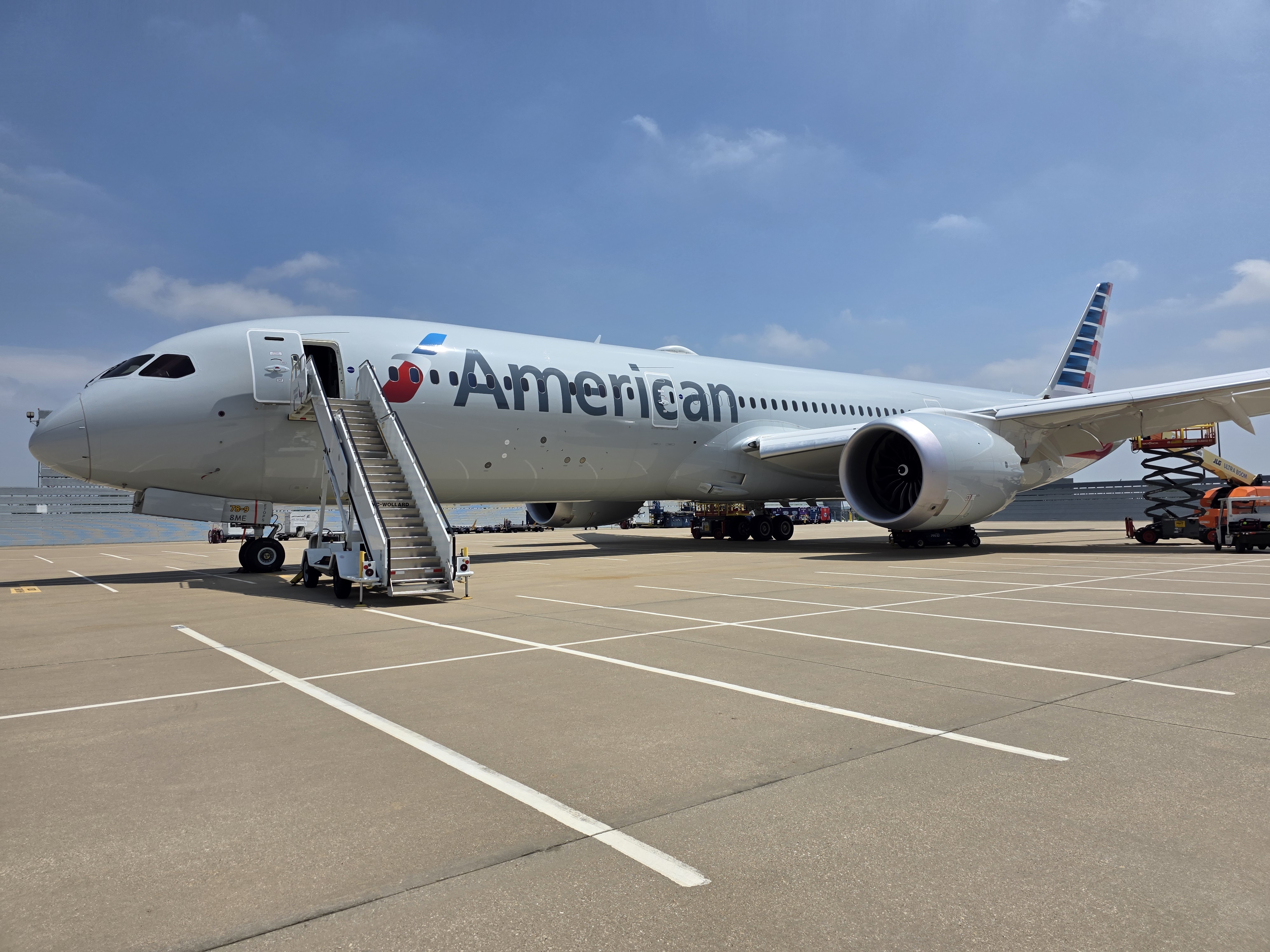
In response, CEO Robert Isom defended the current capacity levels, attributing recent fluctuations to the volatility of fuel prices and the long lead times required for schedule planning. Isom maintained that the schedules published months in advance were designed for profitability, but shifting macroeconomic conditions had dampened the expected returns. Chief Commercial Officer Nat Pieper further supported this stance, arguing that premium configurations are essential not only for capturing corporate travel share but also for driving the airline’s lucrative credit card and loyalty program revenue.
A Chronology of Strategic Shifts: From Parker to Isom
To understand American’s current financial position, one must look at the structural decisions made over the last decade. Following the 2013 merger with US Airways, the airline, under former CEO Doug Parker, aggressively pursued share buybacks and utilized debt to modernize its fleet. While this provided the airline with a younger fleet than some competitors, it left the company with a massive debt load entering the COVID-19 pandemic.
When Robert Isom took the helm in March 2022, the airline began a pivot. The "New American" strategy focused on three pillars: operational reliability, simplifying the fleet, and leveraging its regional hubs—particularly Dallas/Fort Worth (DFW) and Charlotte (CLT).
- Early 2022: Isom succeeds Parker, initiating a focus on domestic connectivity and regional strength.
- Late 2022 – 2023: The airline begins "rebanking" its major hubs to maximize connection opportunities.
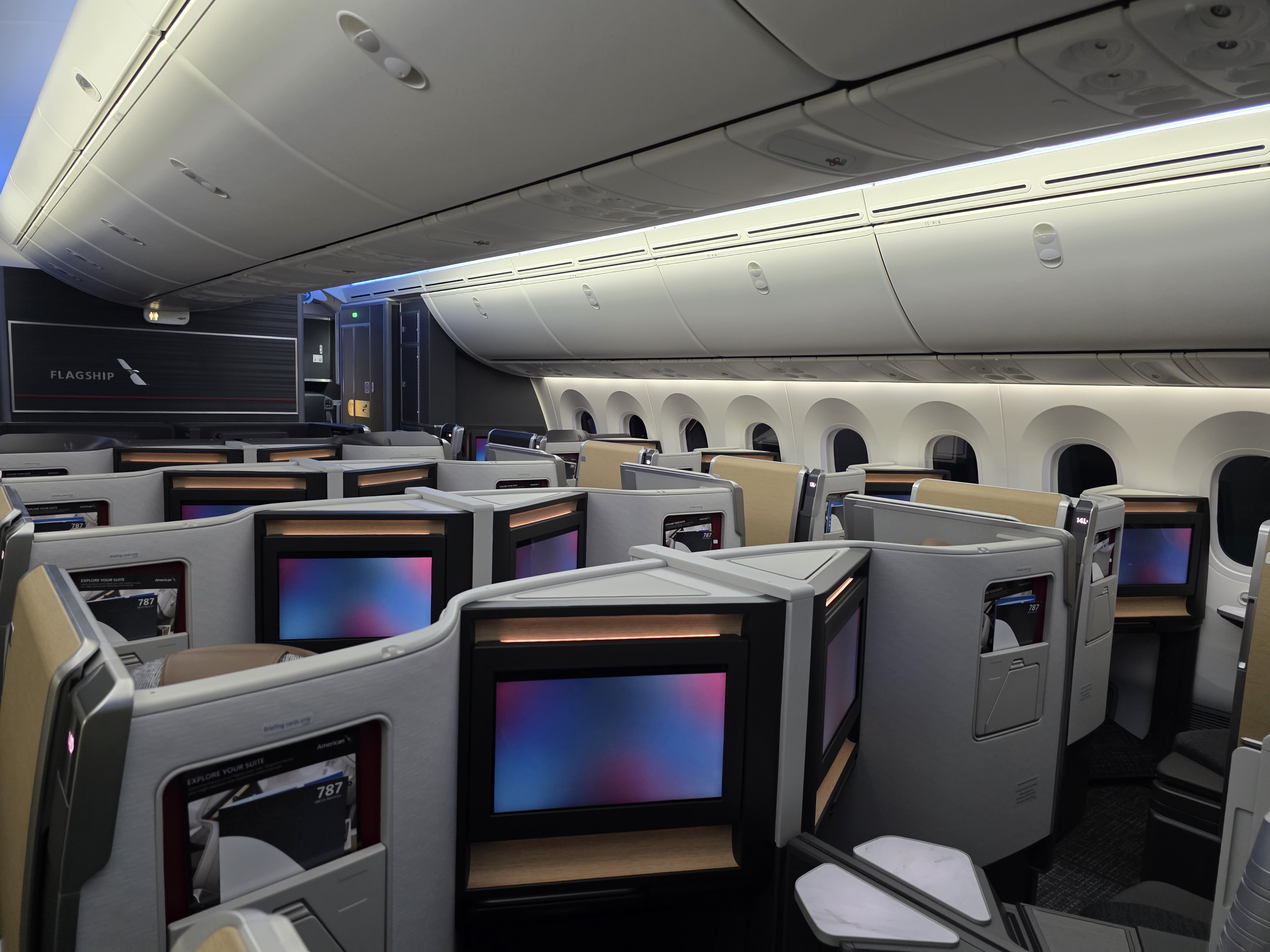
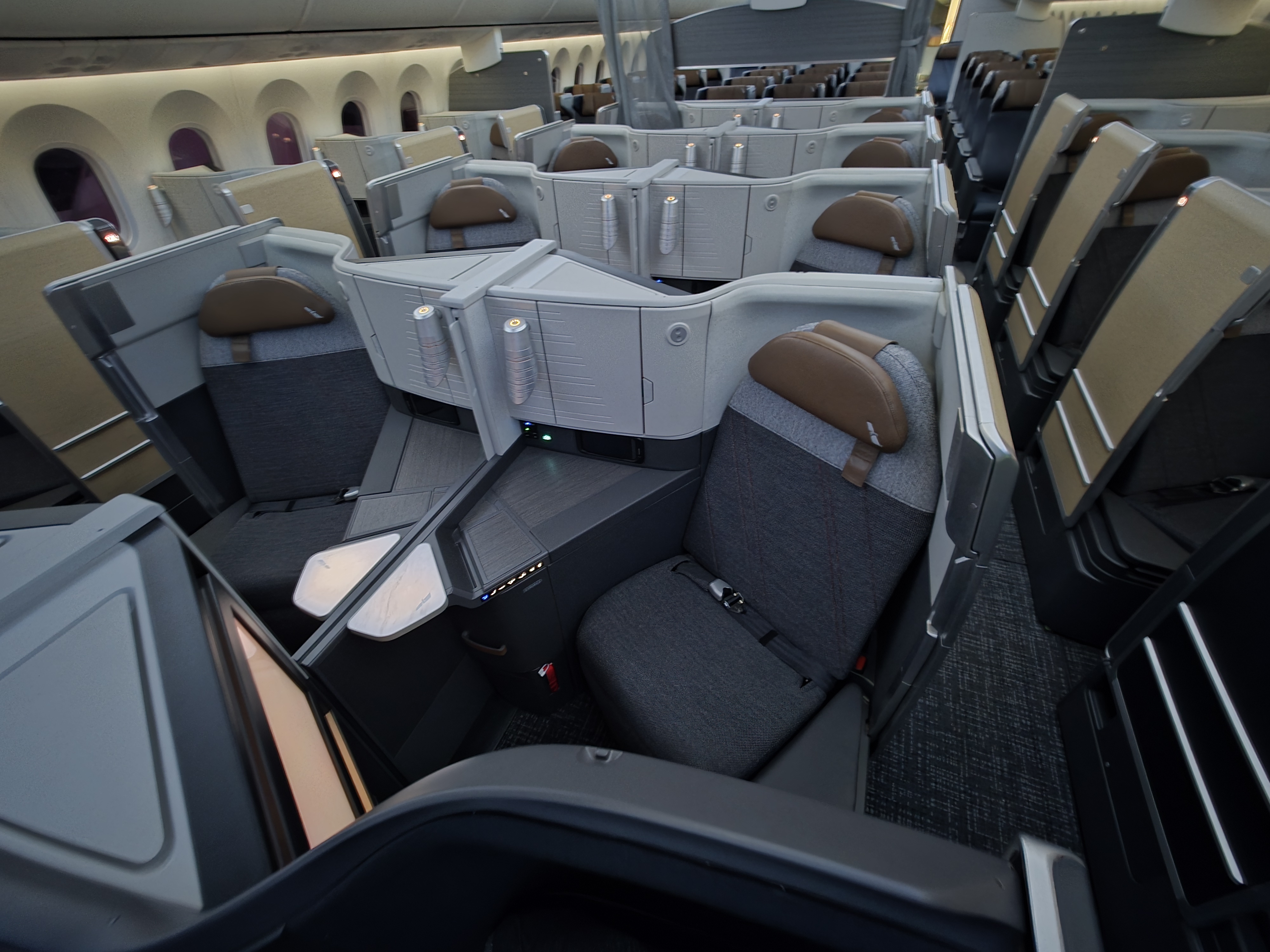
- Early 2024: American announces a massive order for narrowbody aircraft (Airbus A321neo and Boeing 737 MAX 10) and unveils new "Flagship Suite" premium seats.
- Q2 2024: Revenue hits record highs, but the profit margin remains razor-thin, leading to the current analyst friction.
Management argues that they are only 18 months into a transformation that took Delta nearly two decades and United eight years to perfect. They contend that the "catch-up growth" currently visible in their premium cabin revenue—which grew faster than United’s or Delta’s this quarter—is proof that the strategy is beginning to bear fruit.
Operational Milestones: The DFW Rebanking Success
One of the most significant operational wins highlighted in the second quarter was the successful rebanking of the Dallas/Fort Worth hub. Rebanking involves scheduling flights to arrive and depart in concentrated "waves," which increases the number of possible connections for passengers but puts higher stress on ground operations and airport infrastructure.
According to internal data, this move has led to a nearly 25% reduction in misconnecting passengers across the entire American Airlines system. This metric is vital for three reasons:
- Customer Experience: Fewer missed flights lead to higher Net Promoter Scores (NPS) and increased brand loyalty.
- Cost Reduction: Misconnects are operationally expensive, requiring the airline to pay for hotel vouchers, rebooking on other carriers, and additional labor.
- Revenue Potential: A more reliable connecting hub allows American to charge a premium for its flights, as business travelers prioritize schedule integrity.
However, while the DFW hub is a bright spot, American continues to struggle in key coastal gateways. The airline is structurally weaker than Delta and United in high-spending markets such as New York, Los Angeles, and San Francisco. While American is slated to receive more gates at Los Angeles International Airport (LAX) in 2028, it currently lacks the dominant hub presence in these "money markets" that its rivals use to drive high-margin international traffic.
The Loyalty and Credit Card Engine
A central component of American’s defense against analyst criticism is its co-branded credit card agreement with Citi and Barclays. CCO Nat Pieper emphasized that the airline’s premium investments—such as upgraded lounges and better in-flight products—are essential "top-of-funnel" drivers for the AAdvantage loyalty program.
For modern US airlines, the loyalty program is often more profitable than the flying operation itself. By configuring aircraft with more premium seats, American aims to entice travelers to sign up for credit cards and earn miles, creating a steady stream of high-margin cash flow from bank partners. Pieper noted that it is still "early innings" for the current Citi deal, suggesting that the full financial impact of recent program changes has yet to be realized.

Macroeconomic Headwinds and Labor Challenges
Despite the internal progress, American Airlines remains highly vulnerable to external shocks. The "oil price shocks" mentioned by management have significantly eroded the gains made from higher ticket prices. Additionally, the airline operates in a heavily regulated and unionized environment.
The industry has seen a wave of new labor contracts that have significantly increased pilot and flight attendant compensation. While these contracts provide labor stability, they have reset the cost floor for the airline. Analyst Jamie Baker pointed out that management previously suggested United’s higher margins were merely a result of lower labor costs; however, even after United signed expensive new contracts, it continues to outperform American in relative margin improvement.
Furthermore, American is currently managing a sprawling workforce of 130,000 employees. Coordinating such a large organization during a period of strategic transition is a monumental task, and any service disruptions—whether caused by weather or IT outages—can quickly erase quarterly profits.

Broader Implications and the Path Forward
The central question remains: will management be given the time they need? The airline is currently in the process of refinancing significant debt payments due next year, and its ability to secure favorable terms will depend largely on investor confidence in its long-term profitability.
The "announced" phase of many investments—such as the installation of Starlink high-speed Wi-Fi and the retrofitting of Airbus narrowbodies with more First Class seats—is transitioning into the "execution" phase. If these enhancements do not result in a measurable shift in passenger willingness to pay, the calls for American to "scale back" and become a smaller, more specialized carrier will likely grow louder.
In the final analysis, American Airlines is a company in the midst of a profound identity shift. It is attempting to move away from being the "world’s largest airline" by sheer volume and toward being a high-margin, premium service provider. The record revenue of $16.7 billion shows that the demand for the product exists, but the $71 million profit serves as a stark reminder that in the airline business, volume does not always equate to value. For Robert Isom and his team, the remainder of the year will be a test of whether their "upbeat and confident" outlook can finally be backed by the hard financial proof that Wall Street demands.