
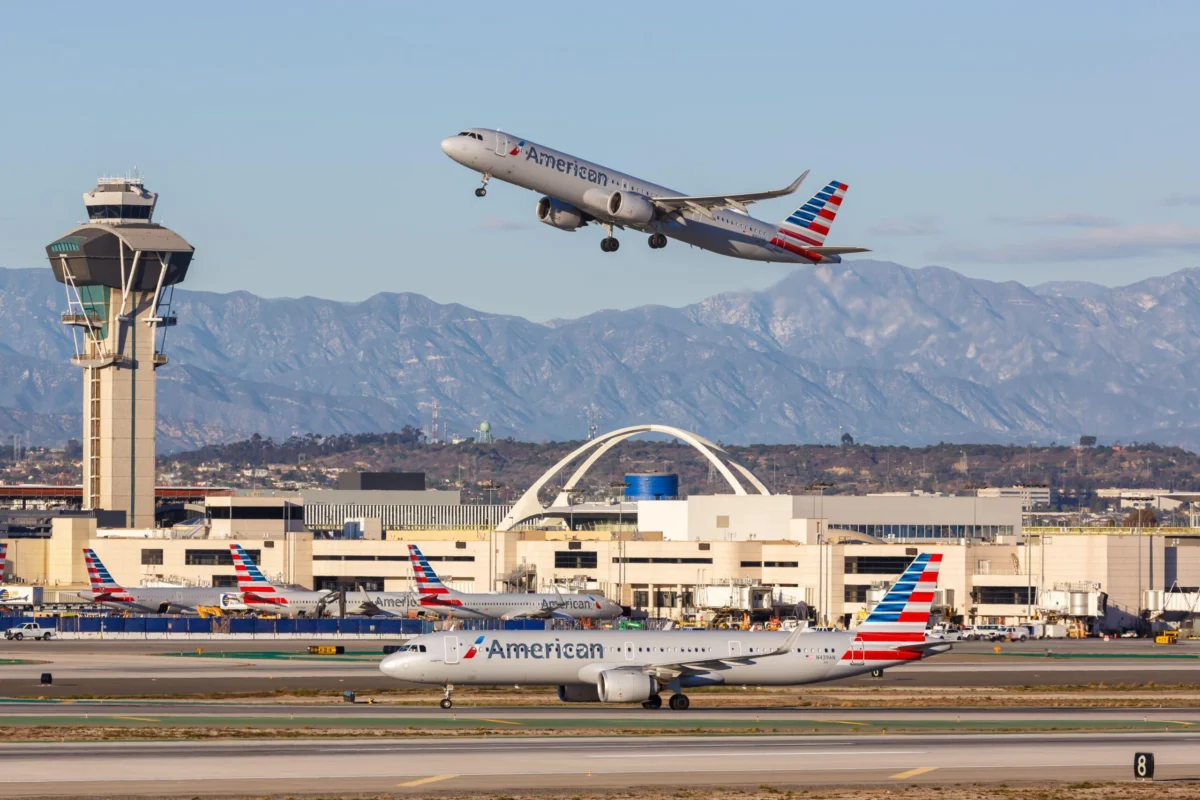
The landscape of domestic and international air travel is undergoing a significant transition as two of the world’s largest carriers, American Airlines and United Airlines, have moved to discontinue their long-standing partnerships with T-Mobile. For several years, this collaboration allowed T-Mobile customers on eligible plans to access free in-flight Wi-Fi, providing a competitive edge for the mobile carrier and a valued perk for frequent flyers. However, recent updates to T-Mobile’s official "Coverage Beyond" documentation and anecdotal reports from passengers indicate that both American and United have been removed from the list of participating airlines. This shift comes at a time when the aviation industry is grappling with the technical limitations of legacy satellite infrastructure and a massive surge in data demand that has, in some cases, pushed existing hardware to its breaking point.
The Quiet Dissolution of a Major Travel Perk
The partnership between T-Mobile and major U.S. carriers was once a cornerstone of the "Un-carrier" marketing strategy. By offering "In-Flight Connection" as a standard benefit for Magenta and Go5G plan holders, T-Mobile effectively subsidized the cost of internet access for millions of travelers. On United and American flights, this usually manifested as either an hour of free browsing or unlimited streaming-capable Wi-Fi for the duration of the flight, depending on the customer’s specific mobile tier.
In recent weeks, however, the digital infrastructure supporting these claims has begun to vanish. Travelers across social media platforms and aviation forums began reporting the absence of the T-Mobile login option on the Wi-Fi portals of American and United aircraft. While neither airline has issued a formal press release regarding the termination of the deal, T-Mobile’s own website has been updated to exclude these carriers. Currently, the list of supported airlines for the T-Mobile perk primarily features Alaska Airlines, Delta Air Lines, and Southwest Airlines.
Industry analysts suggest that the "quiet" nature of this withdrawal is typical of the airline industry, which often prefers to phase out benefits without drawing attention to the loss of service. However, the move has sparked a broader conversation about why these partnerships are failing just as the demand for in-flight connectivity reaches an all-time high.
Technical Saturation: The Satellite Bottleneck
One of the most compelling theories regarding the exit of American and United from the T-Mobile program involves the physical limitations of current satellite technology. According to internal reports and leaked communications, the sheer volume of passengers attempting to use free Wi-Fi has led to "saturation" of the available bandwidth.
A notable report shared by industry insiders cited a memo issued to United Airlines pilots regarding the Boeing 787 Dreamliner fleet. The memo reportedly indicated that the satellite service providers for these long-haul aircraft were reaching maximum capacity during peak times. This saturation was particularly prevalent on trans-Pacific routes, where aircraft are entirely dependent on geostationary (GEO) satellites. Unlike land-based towers or Low Earth Orbit (LEO) constellations, older GEO satellites orbit at approximately 22,236 miles above the Earth. While they cover vast areas, they offer limited total throughput. When several hundred passengers on multiple aircraft in the same region all attempt to stream video or participate in video calls simultaneously, the network effectively chokes.
By removing the T-Mobile "free" tier, airlines may be attempting to reduce the "load" on these strained systems. When Wi-Fi is a paid service, the barrier to entry naturally limits the number of concurrent users, thereby preserving a functional (if expensive) experience for those willing to pay. When the service is free for a massive block of customers—such as T-Mobile’s nearly 120 million subscribers—the demand exceeds the supply of bits and bytes available at 34,000 feet.
A Strategic Shift in Airline Connectivity Models
While American and United are stepping back from the T-Mobile device-specific perk, the industry is not moving away from free Wi-Fi entirely. Instead, it is shifting toward a "sponsorship and loyalty" model.
Delta Air Lines has set the current industry standard by offering free, high-speed Wi-Fi to all passengers, provided they are members of the SkyMiles loyalty program. This service is largely funded through a partnership with T-Mobile, but with a crucial difference: rather than just offering free access to T-Mobile subscribers, T-Mobile acts as the overarching sponsor for the entire fleet’s connectivity. This allows Delta to capture valuable customer data through its loyalty program while T-Mobile receives massive brand exposure to every passenger on the aircraft, regardless of their mobile provider.
Southwest Airlines has followed a similar path, recently upgrading its hardware to offer improved Wi-Fi speeds and partnering with T-Mobile to provide free access to all passengers on certain flights or through specific promotional windows.
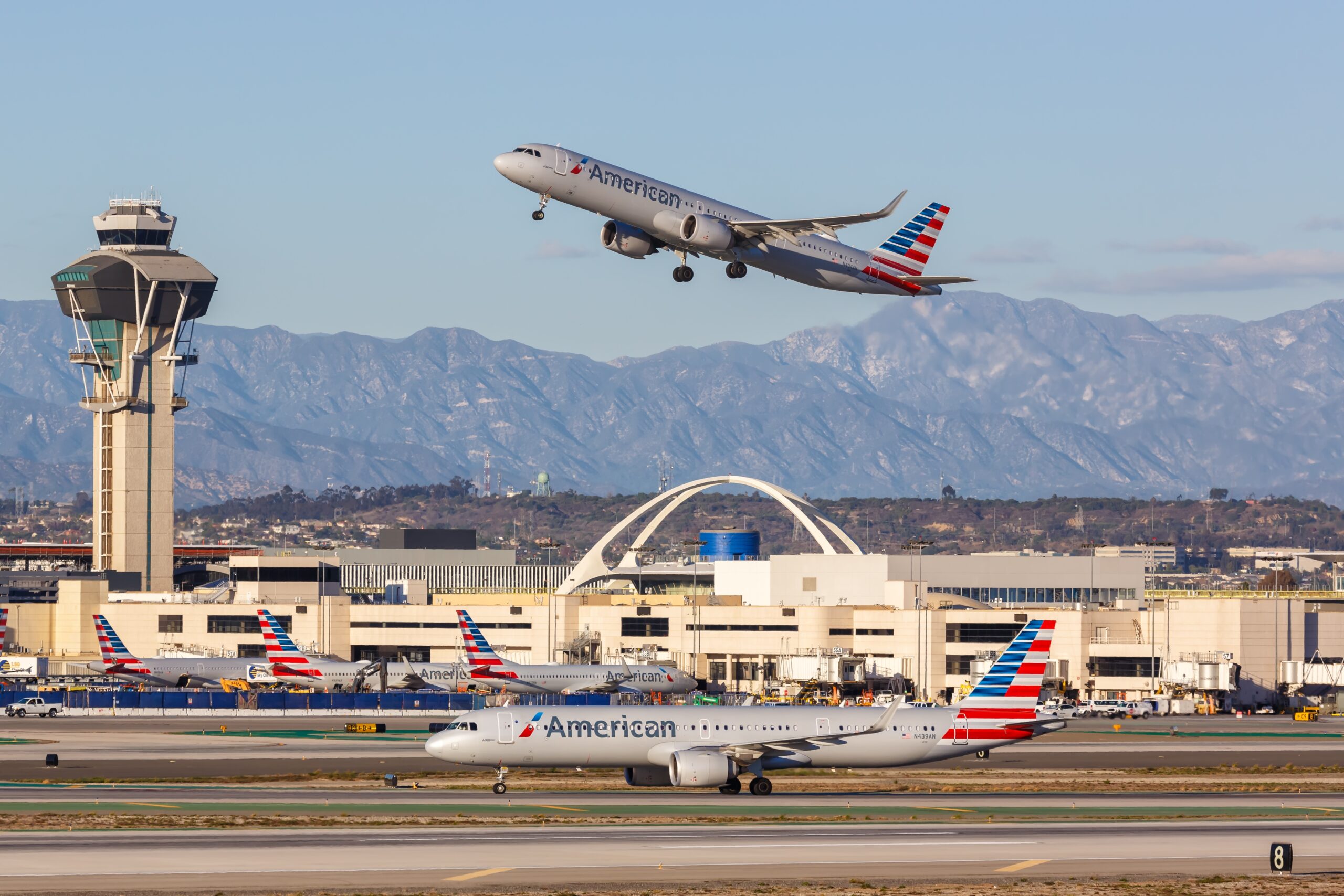
American and United, however, find themselves in a more complex position. Both airlines operate massive, diverse fleets with hardware from multiple providers, including Viasat, Panasonic Avionics, and Intelsat (formerly Gogo). This fragmented hardware landscape makes it difficult to offer a uniform "free" experience across every flight.
The Chronology of In-Flight Wi-Fi Evolution
To understand the current crisis of saturation, one must look at the timeline of in-flight connectivity (IFC):
- 2008–2012: The Air-to-Ground (ATG) Era. Gogo revolutionized the industry with towers on the ground pointing upward. Speeds were barely enough for email, and the service failed over oceans.
- 2013–2018: The GEO Satellite Expansion. Airlines began installing large antennas to connect to geostationary satellites. This allowed for over-water connectivity and slightly higher speeds, but high latency remained an issue.
- 2019–2022: The "Free Wi-Fi" Movement. JetBlue led the way with its "Fly-Fi" service. T-Mobile launched its "Coverage Beyond" initiative, and Delta began testing free Wi-Fi for all.
- 2023–Present: The LEO Disruption. The entry of SpaceX’s Starlink and the announcement of Amazon’s Project Kuiper (Amazon Leo) have shifted expectations toward "living room" speeds and low latency.
The Rise of Starlink and the Future of United Airlines
United Airlines has already signaled its long-term solution to the bandwidth problem. In a landmark deal announced earlier this year, United committed to equipping its entire fleet—over 1,000 aircraft—with SpaceX’s Starlink internet.
Starlink operates a constellation of thousands of satellites in Low Earth Orbit, roughly 340 miles above the surface. Because the satellites are so much closer to the aircraft than traditional GEO satellites, the "lag" or latency is virtually eliminated. Furthermore, the sheer number of satellites allows for much higher aggregate bandwidth. United’s move to Starlink suggests that the carrier is moving away from subsidized "perks" for specific mobile carriers and toward a universal, high-capacity system that can handle every passenger streaming 4K video simultaneously.
Testing on United’s regional fleet has already begun, and the airline expects to begin a wider rollout on its narrowbody and widebody fleets in 2025. Once Starlink is active, the "saturation" issues currently plaguing the 787 fleet are expected to vanish.
American Airlines and the AT&T Partnership
American Airlines is taking a slightly different approach. While it has also reportedly explored LEO options like Starlink and Amazon’s Project Kuiper, it has recently doubled down on its relationship with AT&T.
In a move to counter Delta’s free Wi-Fi, American has been testing ad-supported free Wi-Fi on its Viasat-equipped narrowbody aircraft. Under this model, passengers can watch a short advertisement in exchange for a period of free internet access. This allows American to monetize the service through ad revenue rather than direct passenger fees or mobile carrier subsidies. Reports suggest that American is in the final stages of negotiations for a fleet-wide upgrade, with an announcement regarding a new high-speed provider expected within the coming months.
Implications for the Passenger and the Industry
The removal of T-Mobile’s free Wi-Fi on American and United serves as a wake-up call for the "free-to-consumer" model of the past decade. It highlights several key realities of modern aviation:
- Bandwidth is a Finite Resource: As long as airlines rely on older GEO satellites, "free for everyone" is a technical impossibility without severely degrading the user experience.
- Loyalty is the New Currency: Airlines are increasingly using free Wi-Fi as a "carrot" to drive enrollment in frequent flyer programs, which are often more profitable than the airlines’ actual flight operations.
- The LEO Revolution is Mandatory: For an airline to remain competitive in the 2030s, it must transition to Low Earth Orbit satellite providers. Carriers that lag behind in this hardware transition will likely see their Net Promoter Scores (NPS) drop as passengers grow frustrated with "saturated" legacy systems.
Official Responses and Market Reaction
When reached for comment, representatives for T-Mobile emphasized their continued partnerships with other carriers, stating that they are always looking for ways to "enhance the travel experience" for their customers. United and American have remained largely silent, focusing their public messaging on future fleet upgrades rather than the quiet sunsetting of the T-Mobile deal.
Market analysts suggest that the end of this partnership may actually be a net positive for the airlines’ bottom lines in the short term. By pushing T-Mobile customers back toward paid passes (which can cost upwards of $20 per flight), the airlines regain a revenue stream that was previously capped by the T-Mobile wholesale agreement. However, this may be a short-lived victory if passengers choose to book with Delta or JetBlue specifically for their superior, free connectivity.
As the industry awaits the full deployment of Starlink on United and a potential LEO announcement from American, the "saturation" of the skies remains a hurdle. For the time being, T-Mobile customers flying on the "Big Two" will need to reach for their credit cards—or a good book—once the cabin doors close.










Leave a Reply