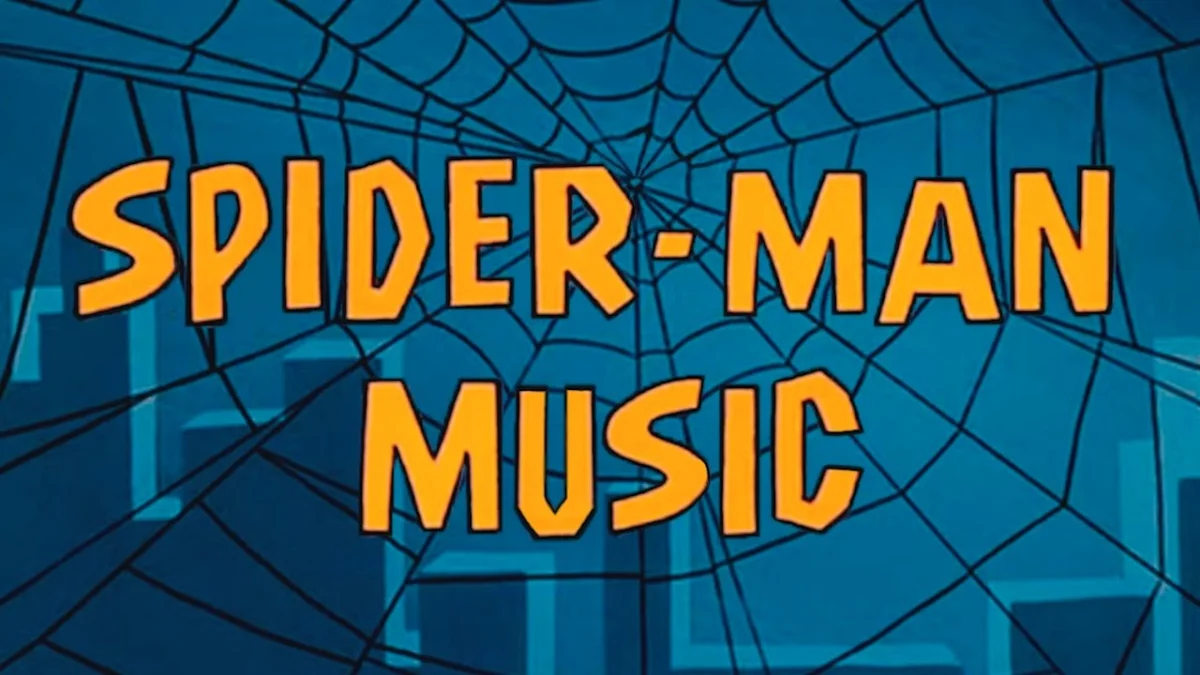
The intersection of mid-century jazz and animated television has gifted popular culture with some of its most enduring sonic landscapes. Among these, the sophisticated, brass-heavy, and rhythmically complex background arrangements crafted for the original 1967 Spider-Man animated series occupy a unique space in television history. Long celebrated by hardcore animation enthusiasts and crate-digging vinyl collectors alike, the atmospheric score of the wall-crawler’s debut television adaptation has recently been given a dedicated showcase. Through the meticulous efforts of digital archivist and YouTuber "11db11," an uninterrupted, nearly hour-long compilation of the series’ signature background music has been assembled, stripping away dialogue and sound effects to present Ray Ellis’s compositions in their pure, unadulterated form.
The Mastermind Behind the Music: Ray Ellis and "Yvette Blais"
To understand the musical weight of the 1967 Spider-Man cartoon, one must examine the pedigree of its principal architect. Ray Ellis was not a conventional television composer working strictly within the predictable, synthesized boundaries of mid-century children’s programming. By the time he lent his talents to the medium, Ellis was already an established titan of the American music industry, boasting a professional career spanning six decades as a producer, arranger, and jazz composer.
Ellis is perhaps most famously revered by jazz purists for his sophisticated string arrangements on Billie Holiday’s seminal 1958 Verve Records release, Lady in Satin. Working alongside legendary producer Creed Taylor, Ellis provided the lush, melancholy orchestrations that cushioned Holiday’s fragile, late-career vocals, creating a masterpiece of vocal jazz.
However, as the television landscape expanded rapidly through the 1960s and 1970s, Ellis, like many professional arrangers of his era, found steady and creatively fertile ground in commercial and animation production. Notably, when working with the prominent animation studio Filmation—founded by Lou Scheimer and Norm Prescott—Ellis often operated under a pseudonym. Credited frequently as "Yvette Blais," a name borrowed from his wife, Ellis composed, arranged, and orchestrated background suites for a multitude of Filmation properties between 1968 and 1982. Yet, his work on the foundational seasons of Ralph Bakshi and Grantray-Lawrence Animation’s Spider-Man established a distinct sonic blueprint that defined superhero television for a generation.
The Chronology and Production History of the 1967 Spider-Man Series
The production of the 1967 Spider-Man series represents a fascinating chapter in the history of television animation. Developed by Grantray-Lawrence Animation, the series premiered on September 9, 1967, on the ABC television network. It was the very first time Marvel Comics’ flagship character had been adapted outside the printed page.
The production timeline of the series is generally divided into distinct phases across its three-season run, which concluded in 1970 after producing 52 episodes:
- Season 1 (1967–1968): Produced primarily by Grantray-Lawrence Animation, this foundational block established the visual and aural identity of the series. It featured iconic storylines adapted directly from the Stan Lee and Steve Ditko comics, paired with the distinctive, moody, and modal jazz cues composed and arranged by Ray Ellis.
- Seasons 2 and 3 (1968–1970): Production shifted to Ralph Bakshi (who would later direct counterculture animated features like Fritz the Cat and Heavy Traffic). Bakshi injected a distinct, gritty urban surrealism into the visuals, utilizing psychedelic backgrounds and stark shadows. Musically, the series continued to rely heavily on Ellis’s flexible library of jazz cues, recontextualizing the tracks to fit Bakshi’s more experimental narrative directions.
Because television animation budgets in the late 1960s were notoriously tight, studios relied heavily on a foundational "library" of cue music. Rather than scoring every single episode from scratch, composers like Ellis wrote modular themes—suspenseful basslines, frantic horn stabs, groovy beat-driven interludes, and lounge-inflected interludes—that could be deployed repeatedly across different scenes, whether Peter Parker was navigating high school social pressures or swinging between Manhattan skyscrapers to battle the Green Goblin or Doctor Octopus.
The Archival Restoration: Reconstructing the Lost Soundscapes
For decades, fans of the 1967 series could only experience Ray Ellis’s score fragmentarily, layered beneath the sound effects of punching, web-shooting, and the unforgettable vocal performances of Paul Soles as Peter Parker and Bernard Cowan as the narrator. Furthermore, the chaotic history of the show’s distribution rights meant that audio stems—the isolated tracks of dialogue, music, and sound effects—were rarely preserved in pristine, commercial formats.
The creation of the comprehensive one-hour YouTube compilation by user "11db11" bridges this historical gap. By utilizing advanced audio-filtering techniques and meticulously editing together clean passages from Season 1 alongside selections from Seasons 2 and 3, the archivist successfully excised dialogue and audio interference. The resulting audio suite presents a continuous stream of modal jazz, hard bop cadences, and swinging brass arrangements that sound remarkably vibrant over half a century after their initial recording.
This resurgence of interest coincides with broader efforts to preserve the series for modern audiences. All 52 episodes of the original 1967 television series have undergone digital restoration and are available on home video platforms via DVD releases, allowing contemporary viewers to appreciate the intersection of high-grade mid-century jazz composition and Saturday morning animation.
Broader Impact and Cultural Implications
The enduring legacy of the 1967 Spider-Man score extends far beyond nostalgia. It serves as a prime example of how high-caliber artistic talent quietly elevated commercial children’s media during an era when television was often dismissed as ephemeral mass entertainment.
Ray Ellis and his contemporaries treated young audiences with a surprising degree of sonic sophistication. By injecting authentic jazz idioms—genres historically associated with adult, urban nightlife—into a cartoon about a teenage superhero, the production team created a unique atmospheric tension. The music did not talk down to children; instead, it provided a moody, atmospheric backdrop that mirrored the pulp-noir sensibilities of early Marvel Comics.
Furthermore, this cultural artifact sits comfortably within a rich tradition of genre-blending musical composition in film and television. Much like the "Crime Jazz" movements of the 1950s and 1960s—where legendary jazz icons like Miles Davis (Elevator to the Gallows), Count Basie, and Duke Ellington provided sophisticated, modernistic scores for cinematic thrillers and neo-noir television—Ellis utilized the language of jazz to impart psychological depth and urban grit to animated adventures.
As digital preservationists continue to unearth, clean, and recirculate these forgotten audio artifacts, the boundary between commercial background music and legitimate artistic composition continues to blur. Ray Ellis’s anonymous work under the "Yvette Blais" pseudonym—and his specific contributions to the Spider-Man mythos—stands as a testament to the enduring power of mid-century arrangement, proving that great jazz can thrive in the most unexpected corners of pop culture history.