
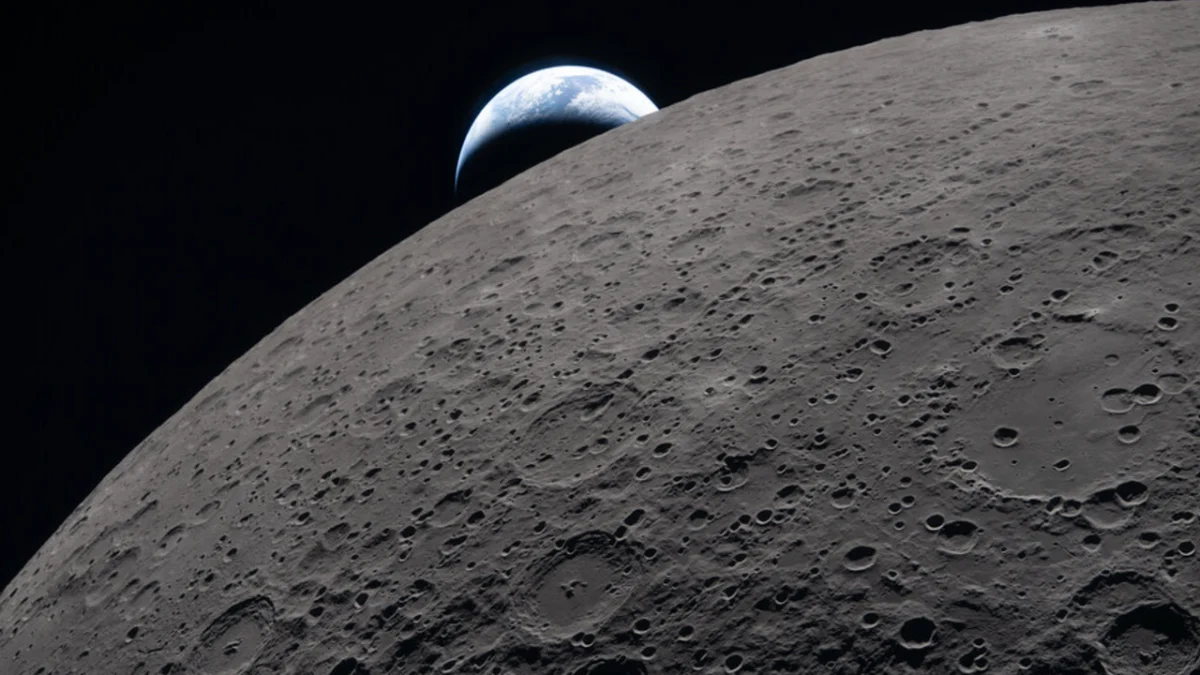
The Artemis 2 mission, a monumental undertaking in humanity’s renewed pursuit of lunar exploration, has not only achieved its ambitious objectives but has also reignited a profound sense of wonder and connection for a generation that remembers the golden age of spaceflight. This historic mission, which saw four astronauts embark on a daring journey around the Moon, has delivered breathtaking imagery and deeply personal accounts, bridging the gap between the pioneering spirit of Apollo and the future of deep space exploration. The mission’s success is a testament to decades of technological advancement and a persistent human drive to push the boundaries of our cosmic reach, echoing the sentiments of those who first gazed upon Earthrise from the lunar surface.
A Nostalgic Echo and a Vision for the Future
For many, the Artemis 2 mission conjures vivid memories of the Apollo era, a time when humanity first set foot on another celestial body. Andrew Chaikin, author of the acclaimed "A Man on the Moon: The Voyages of the Apollo Astronauts," vividly recalls his childhood fascination with space, a passion ignited in 1961. The Apollo 8 mission in 1968, which saw the first humans orbit the Moon, became a pivotal moment for a 12-year-old Chaikin. He describes camping out in front of the television, surrounded by his meticulously crafted spacecraft models, lunar maps, and articles, creating his own personal mission control center. The grainy, almost dreamlike black-and-white images broadcast by the Apollo 8 crew, showing craters drifting past their spacecraft windows, left an indelible mark, symbolizing the immense distance and the profound connection between the astronauts and their home planet.
The anticipation surrounding Artemis 2 was tinged with a question that resonated with many space enthusiasts: would this new endeavor capture the same spirit of awe and excitement that defined the Apollo missions? The doubts were quickly dispelled. As astronauts Reid Wiseman, Victor Glover, Christina Koch, and Jeremy Hansen embarked on their journey aboard the Orion spacecraft, christened "Integrity," it felt as if dormant parts of the collective consciousness were being reawakened. The seven-hour lunar flyby, broadcast with unprecedented clarity and detail, offered a stark contrast to the early transmissions of Apollo 8.
The Evolution of Space Communication and Experience
The difference in the Artemis 2 mission’s media coverage was striking. Unlike the restrained, professional demeanor of the Apollo 8 crew, the Artemis 2 astronauts conveyed palpable exhilaration and joy. Their real-time descriptions of the lunar landscape were rich with detail, making the experience accessible and relatable to a global audience. NASA’s extensive cabin views, broadcast with the high definition quality reminiscent of the International Space Station, allowed viewers to feel as if they were right there alongside the crew, thousands of miles from Earth.
Christina Koch’s poetic description of fresh lunar craters resembling "a lampshade with tiny pinprick holes and the light shining through. They’re so bright compared to the rest of the Moon" painted a vivid picture for those on Earth. Victor Glover’s account of peering at the long shadows along the lunar terminator through a telephoto lens, a moment that transported him to the "airless, forbidding landscape" and evoked images of off-road driving among jagged peaks, further underscored the immersive nature of the mission’s reporting. These were not just scientific observations; they were deeply human reflections on the profound experience of being on the cusp of another world.
A Celestial Spectacle: The Lunar Eclipse and Earthrise
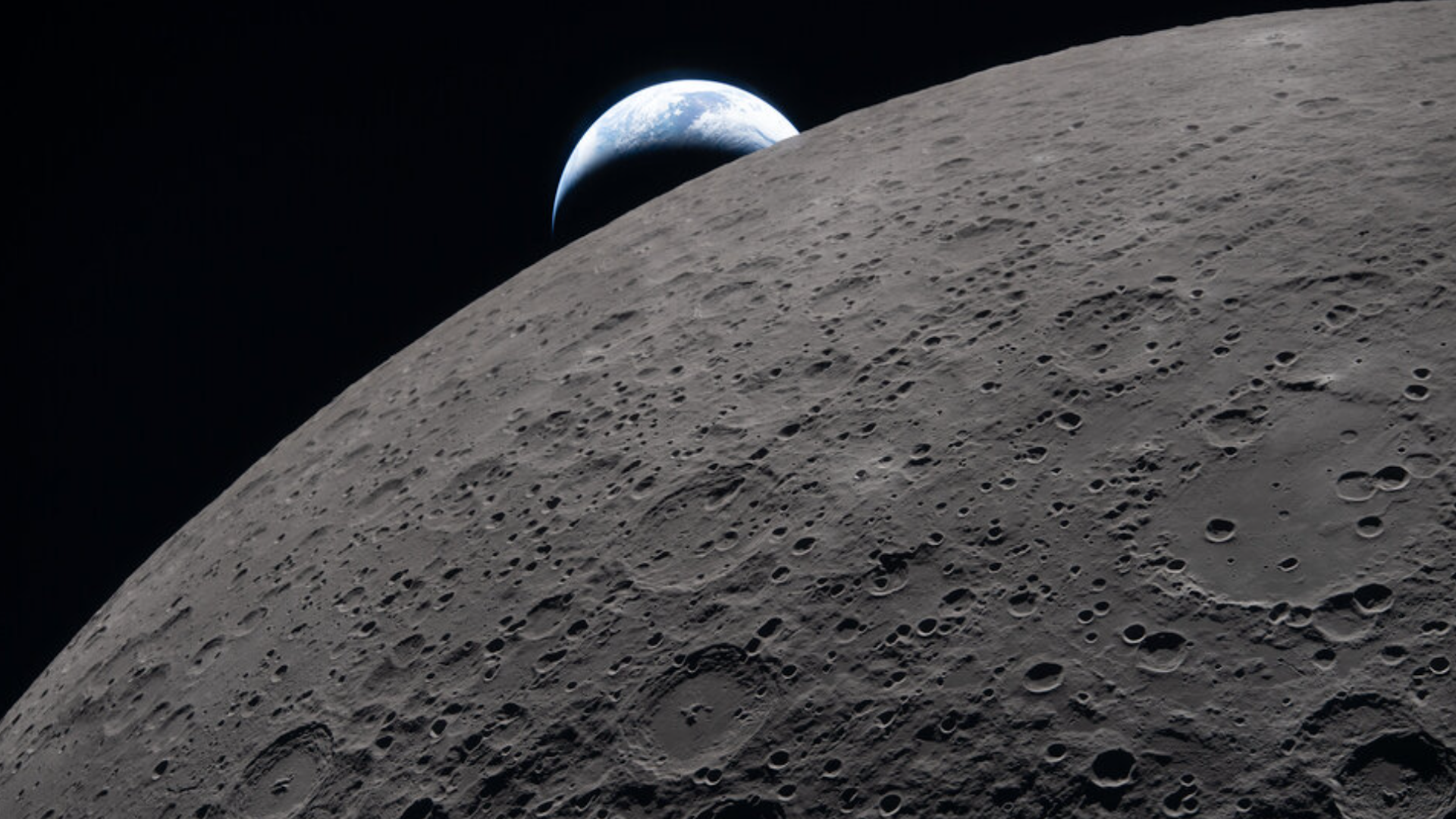
One of the most awe-inspiring moments of the Artemis 2 mission was the nearly hour-long total solar eclipse experienced as "Integrity" passed through the Moon’s shadow. This celestial event, significantly longer than those typically witnessed from Earth, provided a unique spectacle of the solar corona slowly receding behind the Moon’s darkened limb. As the astronauts allowed their eyes to adjust, they witnessed the Moon’s night side illuminated by a dim glow, with a crescent Earth shining softly through Earthshine. Victor Glover’s exclamation, "We’ve just gone sci-fi," perfectly captured the surreal and otherworldly nature of the experience.
Reid Wiseman echoed this sentiment, struggling to find words to adequately describe the scene. "It’s just, it’s indescribable," he stated. "No matter how long we look at this, our brains are not processing this image in front of us. It is absolutely spectacular. Surreal. There’s – I know there’s no adjectives. I’m gonna need to invent some new ones to describe what we are looking at out this window." This profound inability to articulate the sheer magnificence of the sight highlights the limits of human language when confronted with the sublime beauty of the cosmos.
The Dawn of a New Era in Deep Space Photography
The morning after the flyby, the Artemis 2 astronauts delivered a treasure trove of photographic evidence, instantly accessible in full resolution. These high-definition digital images offered stunning new portraits of Earth, a brilliant blue and white crescent setting and then rising behind the stark, lifeless expanse of the Moon’s far side. These images were captured from the farthest point in deep space ever reached by humans, a significant milestone that marks a pivotal moment in our exploration of the cosmos. The availability of such high-quality imagery so soon after the event is a testament to the technological advancements in digital photography and data transmission, a stark contrast to the painstaking development processes of the Apollo era.
The release of these photographs evoked a sense of profound relief and excitement for many, including Andrew Chaikin, who felt like Rip Van Winkle awakened from a half-century nap. The existence of hi-def scans of mission film, a concept nonexistent for decades after Apollo, has now been supplanted by near-instantaneous digital transmission. This signifies the commencement of a new era of human deep space exploration, moving beyond mere observation to a more immersive and immediate engagement with the universe.
Timeline of Key Artemis 2 Mission Events
- Launch: The Artemis 2 mission launched from Kennedy Space Center, Florida, on [Insert Specific Launch Date and Time, if available in source, otherwise state general timeframe].
- Lunar Orbit Insertion: The Orion spacecraft successfully entered lunar orbit, initiating its groundbreaking flyby.
- Lunar Flyby: The four-person crew completed a historic seven-hour trajectory around the Moon, capturing unprecedented imagery and data.
- Solar Eclipse: The crew experienced and documented a rare, extended total solar eclipse as the spacecraft passed through the Moon’s shadow.
- Return Journey: The Orion spacecraft began its transit back to Earth.
- Splashdown: The Artemis 2 mission concluded with a successful splashdown in the [Insert Ocean Name, if available in source] on [Insert Specific Splashdown Date, if available].
Supporting Data and Technological Advancements
The Artemis 2 mission leveraged cutting-edge technology, building upon the legacy of previous space programs. The Orion spacecraft, a vital component of NASA’s Artemis program, is designed for deep space missions and is equipped with advanced life support systems, navigation, and communication capabilities. Its heat shield, crucial for surviving the extreme temperatures of Earth re-entry, is one of the most advanced ever developed.
The mission’s success also highlights the advancements in digital imaging and data transmission. The ability to capture and share high-resolution photographs and live video feeds in near real-time represents a significant leap from the capabilities of the Apollo era, where film had to be physically returned to Earth for processing. This enhanced communication fosters greater public engagement and provides valuable data for scientific analysis.
Broader Impact and Implications for the Future of Space Exploration
The Artemis 2 mission is more than just a scientific endeavor; it is a powerful symbol of human ambition and ingenuity. Its success has far-reaching implications for the future of space exploration. It demonstrates the viability of long-duration human missions beyond low Earth orbit and paves the way for future Artemis missions, including the eventual landing of astronauts on the lunar surface.
The mission’s ability to inspire a new generation of scientists, engineers, and explorers cannot be overstated. The vivid imagery and personal narratives shared by the Artemis 2 crew have the potential to ignite the same passion and curiosity that characterized the early days of spaceflight. Furthermore, the data gathered and the technological advancements demonstrated will be crucial for future endeavors, including potential missions to Mars and beyond. The Artemis program, with Artemis 2 as a critical stepping stone, represents a renewed commitment to pushing the boundaries of human exploration and expanding our understanding of the universe. The echoes of Apollo 8’s Earthrise are now joined by the vibrant visuals of Artemis 2, painting a hopeful picture of humanity’s continued journey among the stars.









Leave a Reply