
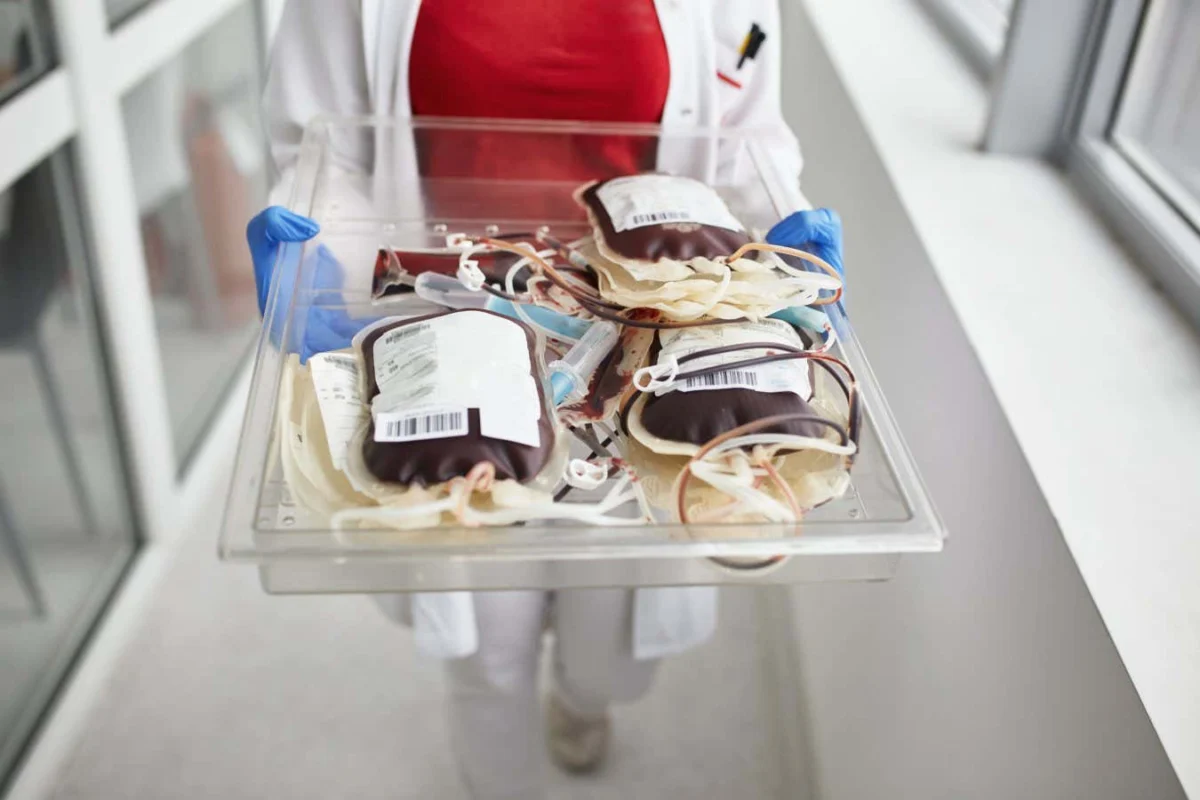
In a concerning development that highlights the persistent impact of vaccine misinformation, a growing number of patients are requesting blood transfusions exclusively from donors who have not received COVID-19 vaccinations. This trend, primarily observed in the United States but with echoes in other countries, is creating significant operational challenges for healthcare providers and, more critically, leading to dangerous delays in life-saving treatments. Experts warn that these demands, fueled by unsubstantiated fears, threaten to undermine the safety and efficiency of blood donation systems.
The Rise of Vaccine-Specific Blood Requests
The issue gained significant attention following an analysis by researchers at Vanderbilt University Medical Center in Nashville, Tennessee. Between January 2024 and December 2025, the center identified 15 patients, or their caregivers, who specifically requested directed blood donations – blood donated by a person known to the recipient – with the explicit condition that the donor be unvaccinated against COVID-19. This preference was not based on any recognized medical contraindication or evidence-based transfusion safety concern, but rather on widespread misinformation circulating about vaccine efficacy and potential side effects.
Dr. Jeremy Jacobs, a lead researcher on the Vanderbilt study, emphasized the baseless nature of these requests. "These requests were often driven by misinformation about vaccine safety and the blood supply, rather than evidence-based transfusion concerns," Dr. Jacobs stated. "I think one of the most important broader points is that the community blood supply is already highly regulated and carefully screened, and there is no evidence that requesting unvaccinated blood improves transfusion safety."
Operational Complexities and Patient Risks
The implications of these requests extend beyond mere inconvenience. Directed donations, while permissible in some contexts in the U.S., are generally discouraged by blood banks due to their inherent complexities. Unlike standard donations, which are collected from a diverse pool of anonymous volunteers and thoroughly screened, directed donations require meticulous coordination. This involves identifying a suitable donor, arranging for their donation, and ensuring the blood is processed, tracked, and delivered within the necessary timeframe for the patient. This process is significantly more time-consuming and resource-intensive than utilizing the established blood bank inventory.
The delays stemming from these specific donor requirements can have severe medical consequences. In the most critical case documented at Vanderbilt, a patient’s hemoglobin levels, crucial for oxygen transport, dropped to a dangerously low point, increasing the risk of organ damage and failure. Another patient developed anemia as a direct result of the delayed transfusion.
Furthermore, the notion that directed donations from unvaccinated individuals inherently improve safety is also challenged by historical data. During the HIV/AIDS epidemic of the 1980s and 1990s, directed donations saw an increase. However, research has indicated that community blood donors, who often donate repeatedly and are known to blood banks, may represent a more reliable and safer source due to established screening protocols and a potentially greater awareness of infection risks. The emphasis on an individual’s vaccination status, particularly for COVID-19, overlooks the comprehensive safety measures already in place for all donated blood.
The Pervasive Influence of Misinformation
The surge in demands for unvaccinated blood is intrinsically linked to the persistent spread of misinformation surrounding COVID-19 vaccines. Despite overwhelming scientific consensus and numerous studies confirming the safety and efficacy of vaccines, conspiracy theories continue to circulate. These baseless claims range from linking vaccines to fertility issues to more outlandish notions about microchips and DNA alteration.
mRNA vaccines, which utilize a small fragment of the virus’s genetic code to prompt an immune response, have been a particular target of these unfounded fears. The scientific community has repeatedly asserted that these vaccines do not alter a person’s DNA and that any perceived risks are vastly outweighed by the benefits of protection against severe COVID-19 illness. Research published in 2025 further corroborated the safety of transfusing blood from vaccinated individuals, confirming that there is no recognized risk associated with this practice.
Ash Toye from the University of Bristol in the UK commented on this phenomenon, stating, "Requests for unvaccinated blood reflect broader uncertainty about vaccines among a proportion of the public, rather than any recognised transfusion risk."
A Global and Political Dimension
The issue is not confined to the United States. In Wales, the Welsh Blood Service reported last year that it was receiving inquiries about the vaccination status of blood donors. A petition to the UK government seeking to segregate blood donations based on vaccination status was also rejected, underscoring official stances against such measures.
More overtly, in Oklahoma, legislators have gone a step further, proposing measures to mandate patient access to "vaccine-free blood." Such legislative proposals, while seemingly addressing patient concerns, risk legitimizing and exacerbating the misinformation that drives these requests.
Addressing Concerns and Ensuring Public Trust
The challenges posed by these vaccine-specific blood requests highlight a critical intersection of public health, misinformation, and operational logistics. Dr. Jacobs concluded, "These requests illustrate how misinformation can create real operational burdens for patients, hospitals and blood providers. At the same time, they underscore the importance of addressing patients’ concerns respectfully and thoughtfully, even when those concerns are not supported by evidence."
Moving forward, healthcare systems and public health organizations face the dual challenge of ensuring an adequate and safe blood supply while also combating the corrosive effects of misinformation. This requires a multi-pronged approach: continued robust screening of all donated blood, clear and consistent communication about transfusion safety protocols, and proactive efforts to debunk false narratives about vaccine safety. The ultimate goal remains to provide timely and effective medical care to all patients, unhindered by scientifically unfounded fears.










Leave a Reply