While the Perseids rightfully claim a prominent spot on every stargazer’s calendar, the summer months offer a more expansive celestial theater, featuring a series of lesser-known meteor showers that promise captivating displays for those willing to look beyond the most celebrated event. From mid-July through late August, Earth navigates through multiple streams of cosmic debris, igniting a cascade of meteoric activity across the Northern Hemisphere’s night sky. These events, though often less prolific in terms of sheer hourly rates compared to the Perseids, provide a unique opportunity for patient observers to witness a diverse array of meteors, from brilliant fireballs to subtle streaks, offering a rich tapestry of astronomical wonders.
The allure of meteor showers lies in their ephemeral nature. These celestial fireworks are the result of Earth passing through the dusty trails left behind by comets and asteroids. As our planet encounters these particles, they enter our atmosphere at incredible speeds, igniting and creating the fleeting streaks of light we call meteors. The Perseids, originating from the comet Swift-Tuttle, are renowned for their high activity, often exceeding 50 meteors per hour under ideal conditions. However, the Earth’s cosmic journey is not a solitary one, and its path intersects with numerous other debris streams throughout the year, each offering its own distinct spectacle.
Understanding the temporal dynamics of meteor showers is crucial for optimal viewing. The duration of a shower is often a gradual affair, with activity building and subsiding over several weeks. While peak nights are often highlighted, the broader active periods offer flexibility for observers who may be hampered by weather or moonlight on a specific date. The visual characteristics of meteors from different showers also vary; some are known for their speed, others for their vibrant colors, and some for leaving behind persistent trains that linger in the sky.
The Capricornids: A Gentle Introduction to the Celestial Show
Kicking off the extended meteor shower season are the Capricornids, a stream whose activity begins around July 10th and culminates on July 25th, before gradually tapering off by August 15th. While the Capricornids are not known for overwhelming numbers, typically producing only a few bright meteors per hour even under optimal conditions, they are notable for their propensity to generate brilliant fireballs. These are meteors that appear exceptionally bright, often outshining Venus. Their radiant, the point in the sky from which the meteors appear to originate, reaches its highest point in the southern sky around 2:00 a.m. local daylight time. For the peak night of July 25th, the waxing gibbous moon is expected to set around 1:40 a.m., leaving the remainder of the night dark and conducive to viewing these impressive, albeit infrequent, bright streaks.
The Delta Aquarids: July’s Prolific, Yet Faint, Spectacle
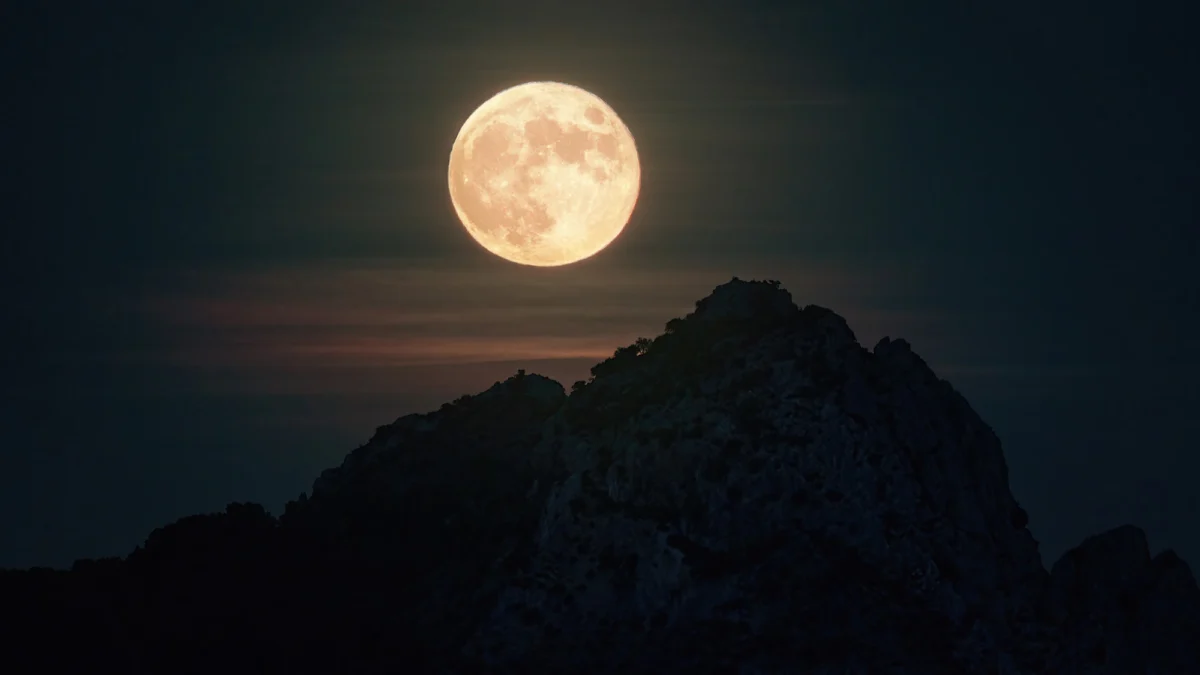
Following the Capricornids, the Delta Aquarids emerge as July’s most active shower, reaching their zenith on July 29th. Under pristine conditions, observers might witness two to three dozen meteors per hour. This shower’s activity spans a considerable period, from July 12th to August 23rd. A fascinating characteristic of the Delta Aquarids is its double radiant, suggesting that Earth is passing through two distinct streams of cosmic debris. The meteors from this shower are generally faint, though a small percentage leave persistent trains, glowing trails that hang in the atmosphere for a few moments after the meteor has passed. Their medium-slow speed is attributed to their entry angle into Earth’s atmosphere, appearing to graze the planet’s orbital path. The peak activity on July 29th sees the double radiant positioned roughly 40 degrees above the southern horizon at approximately 3:30 a.m. However, a significant challenge for viewing in 2026 will be the full moon, which will unfortunately obscure most of these fainter meteors.
The Piscis Australids: A Southern Hemisphere Gem
Another, albeit weaker, shower gracing the late July sky is the Piscis Australids. Active from July 10th to August 10th, with a peak around July 30th, this stream is most effectively observed from the Southern Hemisphere. Under ideal circumstances, only about eight meteors per hour are visible. The radiant of the Piscis Australids is located near the bright star Fomalhaut, which climbs high in the southern sky, making it a prime viewing location for Southern Hemisphere observers. Unfortunately, for those hoping to catch this shower in 2026, the moon, just one day past full, will present a significant obstacle, diminishing the viewing prospects.
The Alpha Capricornids: Fireball Producers in Capricorn
Concluding July’s meteor shower lineup are the Alpha Capricornids, beginning their display around July 7th and peaking on July 31st, continuing until August 15th. The radiant of this shower reaches its highest point in the southern sky at approximately 1:00 a.m. local daylight time, about 30 degrees high. While sparse in number, producing around five meteors per hour, the Alpha Capricornids are renowned for their spectacular, bright yellow fireballs. These events, though infrequent, can be truly breathtaking. Regrettably, the bright moon, at 93% illumination and positioned in the constellation Capricornus, will significantly impact the viewing experience for this year’s peak display.
The Iota Aquarids: A Final Prelude Before the Perseids
As August begins, the Iota Aquarids offer a final minor celestial show before the Perseids take center stage. This two-radiant shower has detectable members from July 15th to August 25th, with its peak activity occurring on August 6th. Under good conditions, approximately six meteors per hour are expected. The radiants reach their highest point around 40 degrees above the southern horizon at approximately 2:30 a.m. While a last quarter moon will be present, rising in the eastern sky, its interference is expected to be moderate.
The Perseids: The Summer’s Reigning Meteor Shower
The undisputed star of the summer meteor shower season, the Perseids, are predicted to reach their peak on the morning of August 13th in 2026. The radiant of the Perseids is located near the border of Perseus and Cassiopeia, close to the famed Double Cluster. This shower typically begins around July 17th and extends through August 24th. The Perseids rise at dusk and ascend to their highest point in the sky, nearly overhead, by 5:40 a.m. When the peak occurs under a dark sky, as is anticipated for this year, the Perseids can deliver an impressive crescendo of meteors, averaging over 50 per hour, with occasional double rates observed. Many of these meteors are characterized by their brightness and the vivid trains they leave behind. This year’s favorable moon conditions—a new moon on August 12th—will provide ideal darkness for observing this spectacular event, making it a prime opportunity for skywatchers.
The Kappa Cygnids: A Late August Treat
The final summer shower to grace the night sky is the Kappa Cygnids, with activity running from August 3rd to August 25th and peaking on August 17th. While the maximum rate is modest, around four meteors per hour, this stream is known to produce slow-moving, flaring fireballs. For the dedicated observer, these can offer a rewarding celestial spectacle. The radiant is situated just north of the star Kappa Cygni and is nearly overhead, at an altitude of approximately 80 degrees, around 10:00 p.m. local time. At this time, a waxing crescent moon will be low in the southwest, having just set, thus posing minimal interference to viewing.
Navigating the Night Sky: Where and How to Look
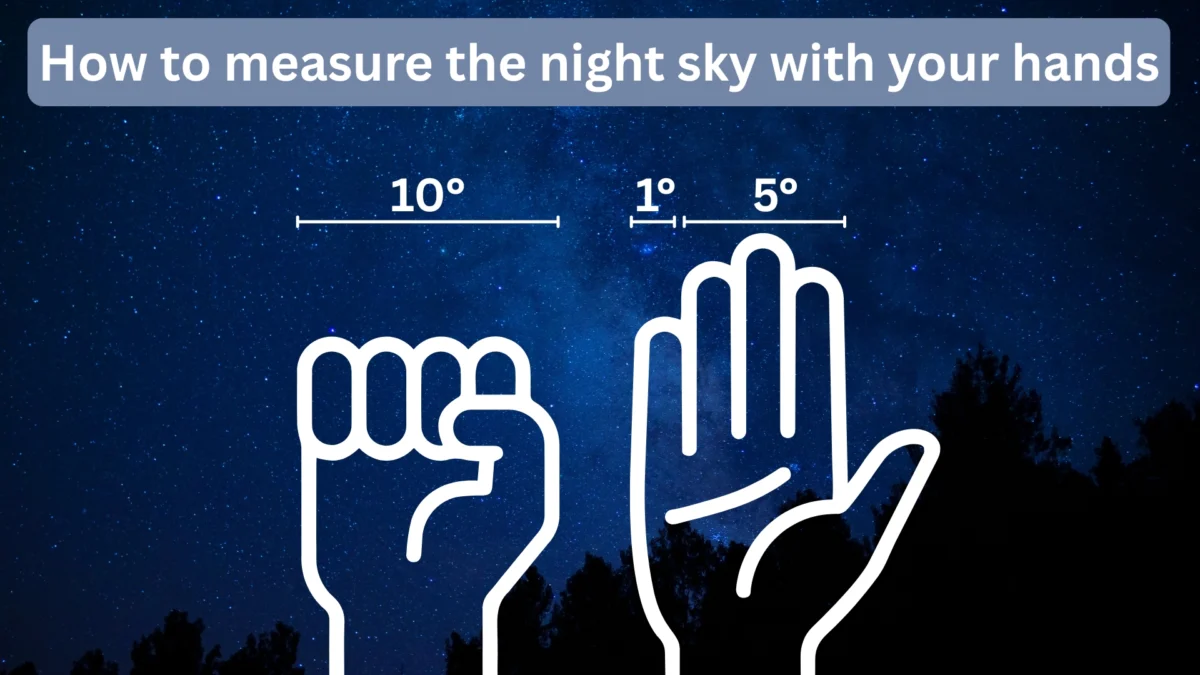
A common point of confusion for amateur astronomers is the concept of a meteor shower’s "radiant." This is the point in the sky from which the meteors appear to emanate when their paths are traced backward. Many mistakenly believe this is the best place to look. However, this is only where stationary meteors, those appearing to approach directly from the radiant, are best observed. The greatest number of meteors from a shower are typically seen at a distance of about 30 degrees from the radiant, generally towards the zenith. A useful mnemonic for estimating distances in the sky is to hold a clenched fist at arm’s length, which approximates 10 degrees.
Beyond the predictable showers, sporadic meteors, seemingly unrelated to any specific stream, occur at an average rate of about seven per hour. It is important to remember that the stated durations of meteor showers are somewhat arbitrary due to the gradual nature of their beginnings and endings.
Essential Skywatching Tips for Optimal Viewing
Embarking on a meteor shower vigil requires little in terms of specialized equipment; your eyes and a healthy dose of patience are the primary tools. The number of meteors an observer can see is highly dependent on sky conditions. The hourly rates cited are based on exceptional circumstances: a limiting star magnitude of +6.5 (indicating a very dark, clear sky), an experienced observer, and the radiant directly overhead. As the radiant’s altitude decreases, so too does the observed rate. At an altitude of 30 degrees, the hourly rate is halved, and at 15 degrees, it drops to one-third.
Preparation is key for a comfortable and successful viewing experience. Meteor showers often occur during the warmer months, but overnight temperatures can still dip significantly, especially when sitting close to the cooling ground. Layering clothing is essential, and considerations such as ground cloths, sleeping bags, and cushions can greatly enhance comfort. Staying hydrated and fueled with light snacks can also contribute to a more enjoyable vigil. Many observers find it beneficial to take a late afternoon nap to ensure they are alert and comfortable throughout the night.
The Lunar Influence: A Critical Factor in Visibility
The phase of the moon plays a crucial role in meteor shower viewing. In 2026, the new moon will occur on August 12th, coinciding with the peak of the Perseids. This alignment provides exceptionally dark skies, making it a prime year for observing this shower. Conversely, showers peaking around the full moon, such as the Delta Aquarids on July 29th, will be significantly impacted by lunar glare. However, the extended active periods of most showers mean that viewing opportunities can still arise on nights with less moonlight, either before or after the peak.
Assessing the Value of Lesser-Known Showers
In conclusion, the minor summer meteor showers offer a compelling experience for those who appreciate a more contemplative and patient approach to skywatching. They provide an extended season of celestial activity, require no specialized equipment, and can deliver a diverse array of meteors, including the occasional spectacular fireball. The opportunity to observe these events during clear, moonless nights enhances their appeal.
However, it is important to manage expectations. Compared to the Perseids, most of these showers are considerably weaker, with lower hourly rates and a prevalence of fainter meteors. Factors such as moonlight, low radiant positions, overlapping showers, and the constant presence of sporadic meteors can complicate identification and viewing. Therefore, successful observation of these less celebrated meteor showers hinges on dark skies, patience, and a keen eye. For the dedicated enthusiast, these celestial events offer a rich and rewarding connection to the cosmos, extending the magic of meteor watching well beyond the most famous display.
Joe Rao, a seasoned skywatcher and meteorologist, serves as Space.com’s skywatching columnist. His expertise, honed through years of observation and instruction at New York’s Hayden Planetarium, offers invaluable insights into the celestial events discussed. Rao’s contributions to publications like Natural History magazine, Sky & Telescope, and The Old Farmer’s Almanac underscore his deep understanding and passion for astronomy. His extensive experience as an Emmy-nominated meteorologist and his dedication to tracking astronomical phenomena, including eclipses and meteor showers, provide a solid foundation for the detailed astronomical information presented in this article.