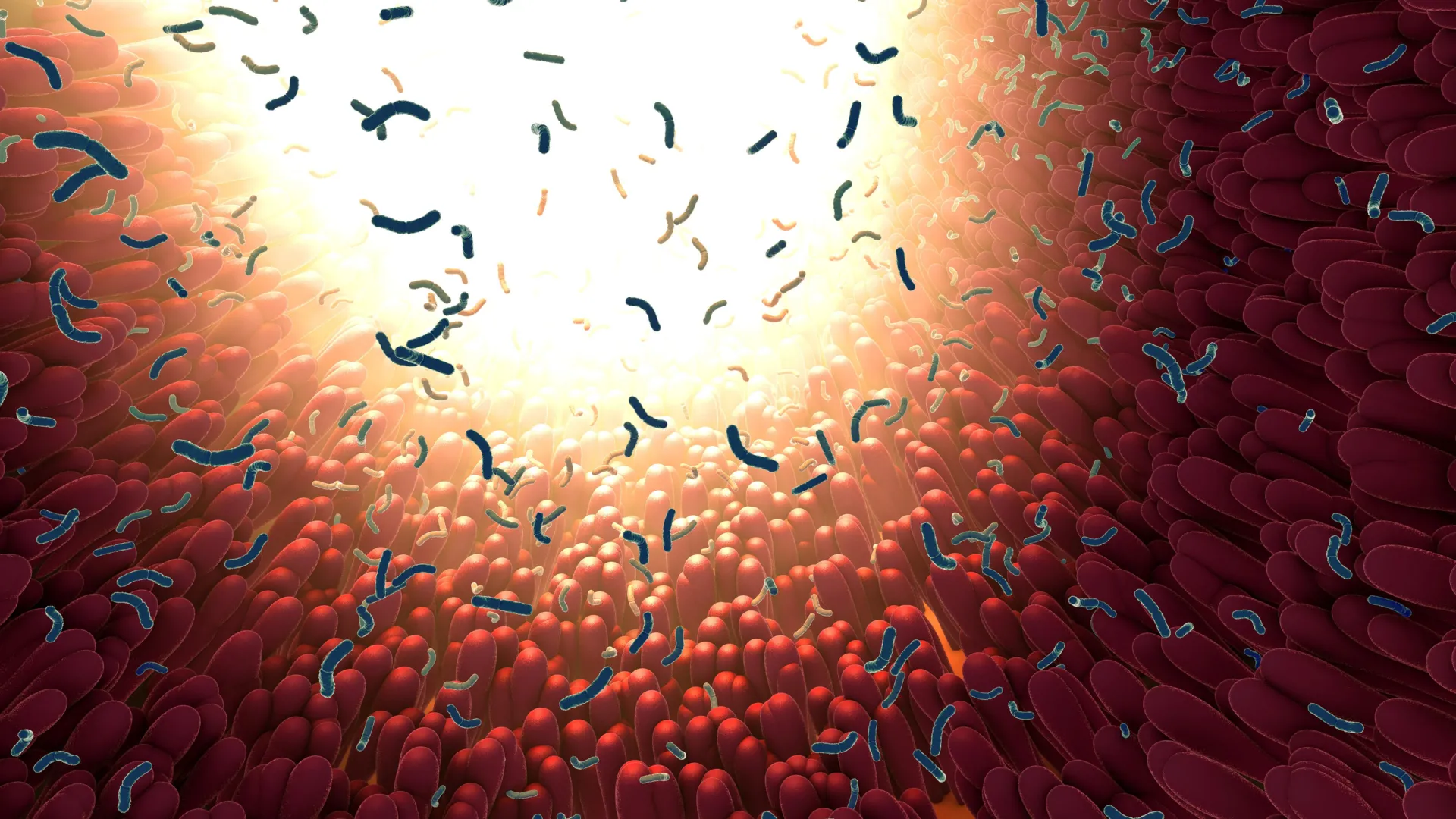
Commonly used sweeteners can directly interfere with the growth of bacteria that help support a healthy gut, according to laboratory research from the University of Cambridge. The groundbreaking findings, published in Molecular Systems Biology, challenge the long-held assumption that these sugar substitutes are biologically inert and pass through the digestive system without significant interaction with the body’s microbial inhabitants.
The research team, led by Professor Kiran Patil from the Medical Research Council (MRC) Toxicology Unit, investigated the impact of 39 commercially available sweeteners, encompassing both natural and artificial varieties, on 25 different species of gut bacteria. Their experiments revealed that a significant majority of these sweeteners—approximately three-quarters—demonstrated an ability to alter the growth patterns of at least one bacterial species. More alarmingly, several sweeteners were found to either substantially reduce or completely halt the proliferation of bacteria crucial for digestive health, immune function, and metabolic regulation.
This discovery marks a significant departure from conventional understanding, where sweeteners are primarily viewed through the lens of caloric content and their role in providing sweetness without the metabolic burden of sugar. While epidemiological studies have previously suggested correlations between sweetener consumption and adverse health outcomes such as type 2 diabetes, obesity, and certain cancers, the precise biological mechanisms underpinning these associations have remained largely elusive. The Cambridge study offers a compelling potential explanation: direct interference with the gut microbiome, a complex ecosystem that plays a pivotal role in overall health.
The Gut Microbiome: A Crucial Health Regulator
The gut microbiome, comprising trillions of bacteria, fungi, viruses, and other microorganisms, is increasingly recognized as a critical determinant of human health. These microscopic residents are not passive bystanders; they actively participate in a multitude of essential bodily functions. They aid in the digestion of complex carbohydrates that human enzymes cannot break down, synthesize vital vitamins (such as K and certain B vitamins), train and modulate the immune system, and influence energy metabolism and even brain function. An imbalance or depletion in the diversity and beneficial composition of the gut microbiome has been linked to a wide array of health issues, including inflammatory bowel disease, irritable bowel syndrome, allergies, and even mental health disorders.
Professor Patil emphasized the limitations of previous research methodologies. "Most of what we know about the potential impact of sweeteners on our health comes from animal research or from population studies," he stated. "While these studies have indicated involvement of the microbiome in mediating the effect of sweeteners, it’s difficult to know how sweeteners act in the body—is it through direct interactions with our gut bacteria?"
This new laboratory-based investigation directly addresses this critical question, providing empirical evidence of direct interaction.
Unveiling Unexpected Interactions: Sweeteners and Beyond
The study’s complexity was further amplified by the researchers’ decision to examine not just the effects of individual sweeteners but also their interactions with other compounds commonly found in our diet and medications. This approach was driven by the understanding that sweeteners are rarely consumed in isolation.
"Answering this is further complicated by the fact that we rarely ever take sweeteners by themselves—we take them with drinks, in snacks, or even in medication to mask bitterness," explained Dr. Sonja Blasche, a lead author of the study, also affiliated with the MRC Toxicology Unit.
To simulate these real-world scenarios, the researchers paired sweeteners with various substances, including caffeine, vanillin (a common flavoring agent), another artificial sweetener called advantame, and eight frequently prescribed medications. This meticulous process uncovered more than 100 instances where the presence of another compound significantly altered a sweetener’s effect on gut bacteria. In 34 of these cases, the combined effect was amplified, leading to a more pronounced impact on bacterial growth, while in 68 cases, the interaction weakened the sweetener’s influence. This suggests that the overall impact of a sweetener on the gut microbiome may be context-dependent, influenced by what else is ingested concurrently.
A Potent Combination: Isosteviol and Duloxetine
Among the most striking findings was the potent synergistic effect observed when isosteviol, a sweetener derived from the stevia plant and widely used in the food and beverage industry, was combined with duloxetine. Duloxetine is a widely prescribed antidepressant also used for managing anxiety disorders and certain types of chronic pain. In 2023 alone, over 4.2 million prescriptions for duloxetine were dispensed in the United States, highlighting its extensive use.
The laboratory experiments demonstrated that the combination of isosteviol and duloxetine drastically inhibited the growth of two key bacterial species: Roseburia intestinalis and Parabacteroides merdae. Both of these species are recognized as vital components of a healthy gut microbiome, contributing to digestive health and playing a role in metabolic regulation. The sharp reduction in their numbers suggests a significant disruption to the delicate balance of the gut ecosystem.
To better mimic the complex environment of the human gut, the scientists progressed to constructing a simplified synthetic microbial community. This community comprised all 25 bacterial species previously tested individually. After allowing this community to establish itself, it was exposed to various combinations of sweeteners and drugs. The researchers then meticulously tracked the abundance of each species, noting which ones declined and which ones flourished, as well as the overall diversity of the microbial community.
Declining Microbial Diversity and Potential Health Implications
The results from these more complex experiments were concerning. The combination of isosteviol and duloxetine led to a significant reduction in the overall microbial diversity within the synthetic community. While the optimal composition of the gut microbiome can vary from person to person, a higher degree of diversity is generally indicative of a more resilient and healthy gut. Furthermore, this combination disrupted the internal equilibrium of the microbial community, promoting the growth of certain species at the expense of others.
Beyond the direct impact on bacterial populations, additional experiments indicated that these changes within the synthetic microbial community could lead to increased toxicity toward certain host cells. They also appeared to interfere with the function of other cells involved in inflammatory and immune responses. These findings raise the possibility that interactions between sweeteners, medications, and gut microbes could extend their influence beyond mere digestion, potentially impacting broader systemic health and immune regulation.
However, the researchers are quick to emphasize the limitations of their laboratory models. "The experiments involved bacteria and cell models under controlled laboratory conditions," stated Dr. Blasche. "In the human digestive system, sweeteners may be absorbed, chemically altered, diluted, or broken down before reaching particular microbes. Diet, genetics, medication use, and the existing composition of a person’s microbiome could also change the outcome."
A Call for Further Human Investigation
Despite the compelling laboratory evidence, the Cambridge team strongly cautions against drawing definitive conclusions about human health impacts at this stage. The intricate biological processes occurring within the human body are far more complex than can be replicated in a petri dish. Factors such as the rate of sweetener absorption, metabolic transformations within the body, dilution effects, and individual variations in diet, genetics, and existing microbiome composition can all significantly influence how sweeteners and their combinations ultimately affect an individual.
"Our study suggests that artificial sweeteners don’t just pass through the body passively—they can interact with gut microbes, and these effects can be amplified or altered by other substances like medications," Professor Patil reiterated. "These findings can help guide new studies towards understanding how sweeteners might influence health in unexpected ways."
The research underscores the urgent need for well-designed human clinical trials to validate these laboratory findings. Future studies must aim to determine whether similar interactions occur in humans, what specific dosages are required to elicit these effects, and crucially, whether any observed microbial changes translate into measurable and meaningful health outcomes.
Broader Context and Future Directions
The study’s findings arrive at a time of increasing public and scientific scrutiny of artificial and low-calorie sweeteners. For decades, these products have been promoted as healthier alternatives to sugar, appealing to consumers seeking to manage weight, blood sugar levels, or reduce calorie intake. However, a growing body of observational research has raised concerns, linking regular consumption of sweeteners to an increased risk of metabolic disorders, cardiovascular disease, and even certain types of cancer. While these associations do not establish causation, they have prompted a deeper dive into the potential biological mechanisms at play.
The Cambridge research provides a critical piece of this puzzle, suggesting that direct biological activity within the gut microbiome might be a key mediating factor. This shifts the perspective from sweeteners being mere caloric substitutes to recognizing them as potentially bioactive compounds that can directly influence a crucial element of our physiology.
The implications of this research extend beyond consumer choices regarding sweeteners. For healthcare professionals, it highlights the potential for unintended consequences when common medications are co-ingested with foods and beverages containing sweeteners. The synergistic effects observed, particularly with duloxetine, warrant further investigation into specific drug-sweetener interactions and their potential impact on patient outcomes.
The research was made possible through funding from the European Union’s Horizon 2020 program and the UK Medical Research Council, underscoring the international recognition of the importance of understanding these complex biological interactions. As the scientific community continues to unravel the intricate relationship between our diet, our gut microbes, and our overall health, this study serves as a crucial reminder that even seemingly inert ingredients can have profound and unexpected effects. The journey from laboratory discovery to understanding real-world health consequences is ongoing, but the initial findings from Cambridge offer a vital new avenue of exploration in the pursuit of optimal health.