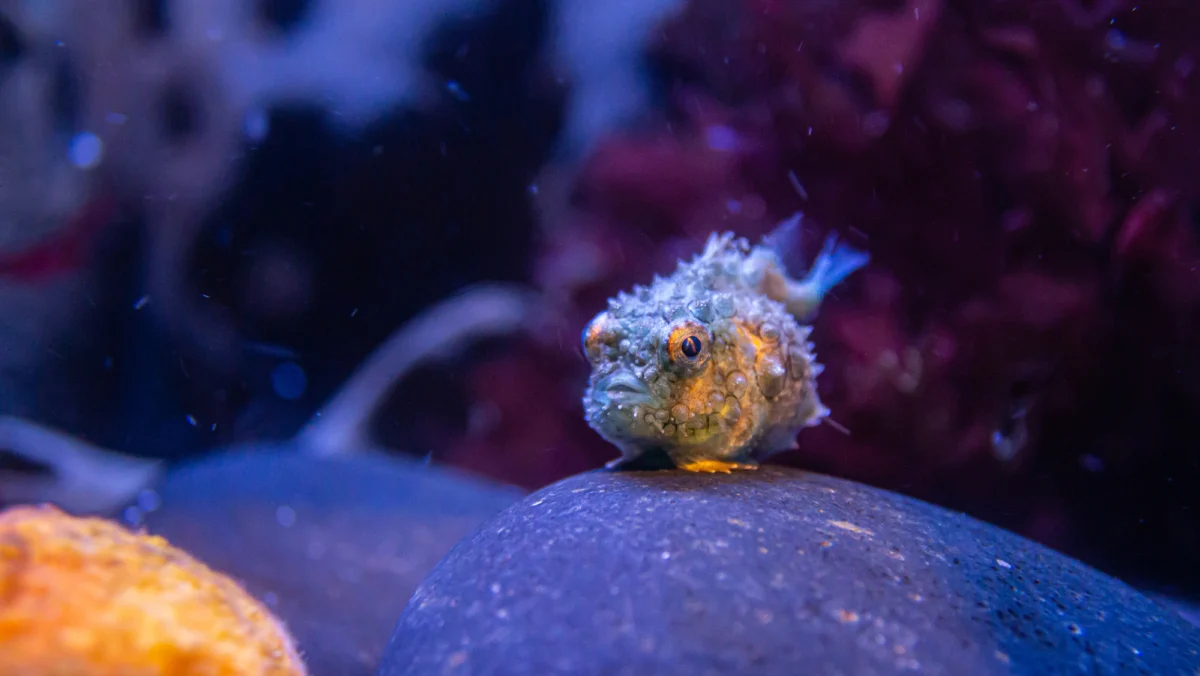
The animal kingdom boasts an astonishing diversity of forms, from the impossibly slender stick insect, a master of camouflage, to the colossal blue whale, a gentle giant of the oceans. Within this vast spectrum of life, truly spherical or round animals are a comparative rarity, particularly on land. While the image of a small mammal like a rabbit or pika appearing somewhat spherical when huddled for warmth or defense might spring to mind, evolutionary biologist Chris Law of the University of Washington in Seattle clarifies that this perceived roundness is often an illusion, a temporary posture rather than an inherent body plan.
The Elusive Sphere: Defining Roundness in Biology
True roundness in animals, a shape characterized by a uniform radius from a central point, presents unique biological challenges and advantages. On land, where locomotion, predator evasion, and resource acquisition often favor elongated or otherwise asymmetrical forms, the evolutionary pressures for achieving a perfect sphere are less pronounced. This doesn’t mean roundness is absent, but it is often achieved through specialized adaptations or is a byproduct of other biological functions.
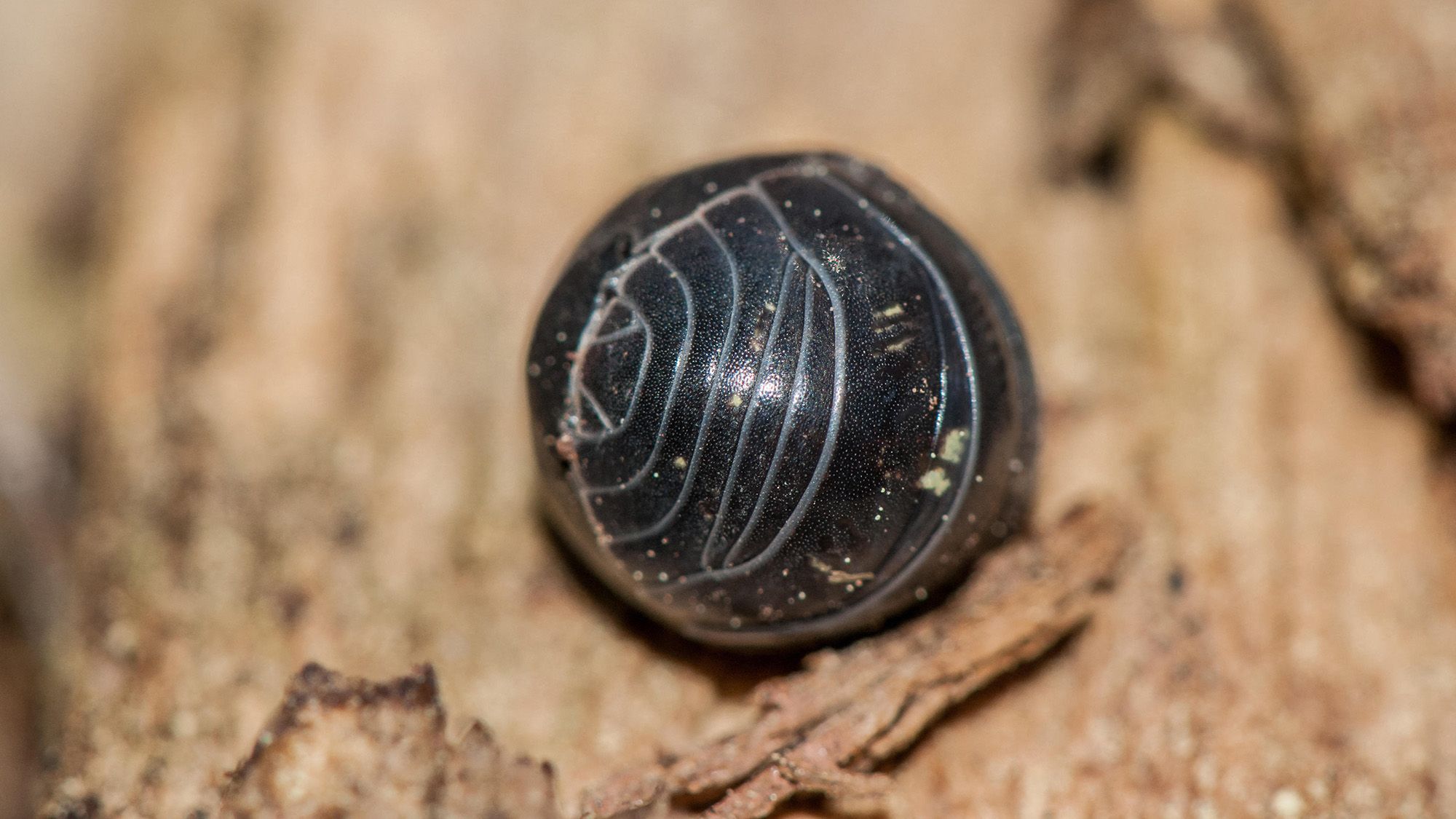
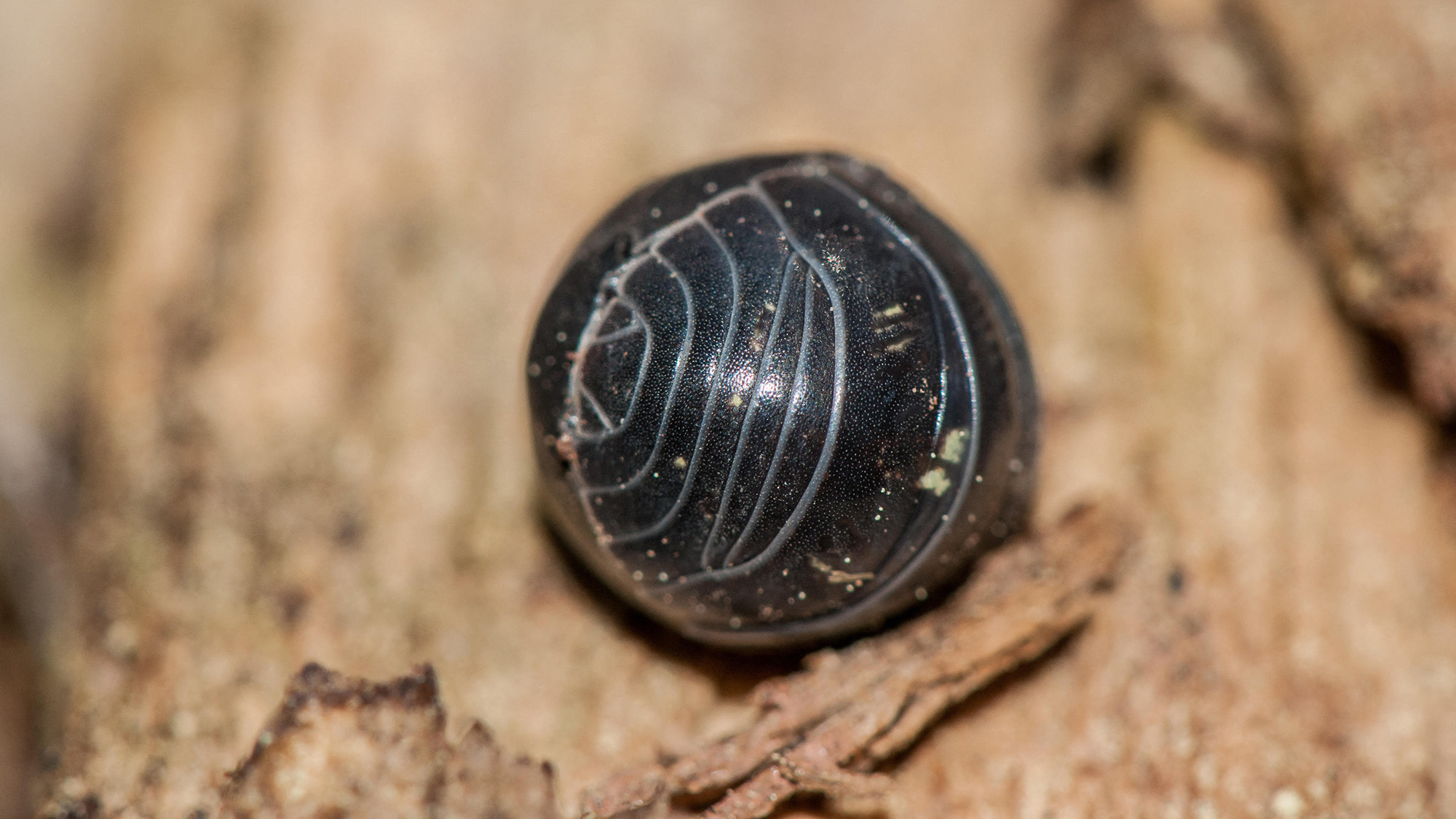
For instance, some invertebrates, like the pill bug (Armadillidium vulgare), can roll into a remarkably tight ball, a defense mechanism known as conglobation. This ability provides a protective shield against predators, essentially presenting an armored sphere. However, their resting state is typically more elongated. Similarly, certain larval stages of some insects might appear more rounded, but this is a transient phase.
Aquatic Environments: A Haven for the Round
In stark contrast, marine environments offer a more hospitable stage for truly spherical organisms. The ocean’s three-dimensional nature, where buoyancy can negate the challenges of gravity, and the fluid dynamics of water can be exploited by rounded forms, fosters the evolution of such shapes.
One of the most celebrated examples of a round marine animal is the sea urchin. With its characteristic globular body, often adorned with spines, the sea urchin is a prime example of a creature that has embraced a spherical form. Its radial symmetry, with body parts arranged around a central axis, is a hallmark of its roundness. This body plan allows them to feed and move in all directions equally, a significant advantage in their benthic (seafloor) habitat.
Another contender for the title of the roundest animal is the jellyfish. While not a perfect sphere, their bell-shaped bodies, which can appear quite rounded when viewed from above, are highly adapted to their pelagic lifestyle. Their gelatinous structure provides buoyancy, and their radial symmetry allows for efficient propulsion through the water column. The Portuguese man o’ war, though technically a colony of specialized organisms, also presents a notably rounded, buoyant float that dominates its appearance.
The Evolutionary Hurdles of Terrestrial Roundness
The scarcity of truly round animals on land can be attributed to several key evolutionary and physical factors:
- Locomotion: For most terrestrial animals, efficient movement across varied terrain is paramount for survival. Elongated bodies with limbs provide the necessary flexibility, leverage, and stability for running, jumping, and climbing. A perfectly spherical form would present significant challenges for directional movement and maneuvering. Imagine a ball trying to navigate a forest floor or a rocky outcrop – it would be slow, inefficient, and vulnerable.
- Predator Evasion and Pursuit: In the terrestrial arena, speed and agility are often critical for both escaping predators and capturing prey. Elongated bodies are better suited for rapid acceleration and dynamic changes in direction. While some animals achieve defense through camouflage or armor, the ability to move quickly out of harm’s way or to chase down prey is a fundamental evolutionary advantage that favors less spherical forms.
- Thermoregulation and Respiration: Surface area to volume ratio plays a crucial role in thermoregulation. While a sphere has the smallest surface area for a given volume, which can be advantageous in some environments for conserving heat, terrestrial life often requires dynamic regulation. Elongated limbs, for instance, can help dissipate heat in warmer climates. Furthermore, the development of complex respiratory systems, such as lungs, often requires internal structures that are more easily accommodated within a less uniformly spherical body plan.
- Resource Acquisition: The process of feeding and digesting food also influences body shape. Many terrestrial animals have specialized digestive tracts that require a certain length and internal structure. Feeding mechanisms, such as jaws, beaks, or proboscis, are often integrated into an anterior portion of the body, inherently leading to asymmetry and elongation.
The Role of Conglobation: A Defensive Strategy
As mentioned, the pill bug’s ability to curl into a ball is a fascinating example of how terrestrial animals can achieve a temporary spherical form for protection. This behavior is not unique to pill bugs. The armadillo, a much larger mammal, also utilizes its bony plates to form a protective shell, and some species can roll into a ball. The pangolin, another mammal covered in scales, is renowned for its ability to curl into an almost impenetrable sphere.
These examples highlight that for terrestrial animals, roundness as a defensive strategy is often a facultative adaptation, a response to immediate threat, rather than a permanent, defining characteristic of their body plan. It’s a clever solution to the challenges of being exposed on land, allowing these creatures to present a formidable, impenetrable form when danger looms.
The Scientific Pursuit of Roundness: Ongoing Research
The study of animal morphology and the evolutionary pressures that shape it is an ongoing scientific endeavor. Researchers like Chris Law continue to explore the intricate relationships between form and function in the natural world. Understanding why certain shapes are more prevalent in particular environments can shed light on the fundamental principles of natural selection and adaptation.
For example, scientists are investigating the biomechanics of how different animal shapes interact with their environments. This includes studying how drag forces affect locomotion in water versus air, how body shape influences heat exchange, and how internal organ systems are optimized within different morphological constraints.
The Future of Understanding Animal Forms
As our understanding of genetics, developmental biology, and evolutionary processes deepens, we can expect to uncover even more fascinating insights into the diversity of animal forms. The seemingly simple question of what constitutes the "roundest" animal opens up a complex world of biological principles, ecological pressures, and evolutionary history. While the oceans may continue to be the primary domain of the truly spherical, the ingenuity of terrestrial life in adopting temporary rounded defenses underscores the remarkable adaptability of life on Earth. The quest to understand these forms is not just about cataloging shapes, but about deciphering the profound story of life’s evolution, written in the very bodies of the creatures that inhabit our planet.