The wildfire crisis currently sweeping across Canada has reached a critical juncture, with more than 900 active blazes threatening lives, infrastructure, and the ancestral territories of Indigenous peoples. As of the latest reports, 13 First Nations remain under mandatory evacuation orders, a situation that has displaced 2,182 individuals from their homes and traditional lands. The scale of the disaster has highlighted significant gaps in emergency response protocols, particularly for remote communities that lack official federal recognition. The most harrowing account of the current season comes from the Namaygoosisagagun (Collins) First Nation, where an entire community was decimated by a fast-moving fire that left residents with only minutes to escape, raising urgent questions about the equity of Canada’s disaster management framework.
The Rapid Destruction of Namaygoosisagagun
On a recent Wednesday, the Namaygoosisagagun First Nation, located approximately 125 miles north of Thunder Bay, Ontario, experienced a catastrophic event that has effectively erased decades of community building. A wildfire, characterized by officials as "unexpected and fast-moving," advanced through the area with such velocity that the community was largely destroyed in less than an hour. The geography of the region compounded the danger; Namaygoosisagagun is inaccessible by road, leaving the 200-plus residents with few options for retreat.
Witnesses reported a chaotic and terrifying scene. With no formal advance warning from provincial or federal authorities, the burden of emergency communication fell upon the residents themselves. Community members went door-to-door to alert their neighbors as smoke choked the air and flames became visible on the horizon. More than two dozen people were forced to flee by boat, pushing off into the water just as the fire reached the edge of the settlement. In a statement, Anishinabek Nation Grand Council Chief Linda Debassige expressed "heartfelt sadness" over the devastation, noting that while all community members have been accounted for, the loss of homes and community buildings is near-total.
The lack of official support during the evacuation has sparked outrage among Indigenous leaders. Chief Debassige confirmed that no provincial or national officials provided early warnings or logistical assistance during the height of the crisis. This failure has been attributed to both the remote nature of the community and a complex web of jurisdictional disputes that often leave "unrecognized" Indigenous settlements in a state of administrative limbo during natural disasters.
The Jurisdictional Dispute and the Indian Act
The tragedy at Namaygoosisagagun has brought a long-standing legal and political issue to the forefront: the federal recognition of First Nations communities. While the residents of Namaygoosisagagun are recognized as First Nations people under the federal Indian Act, the community itself does not hold official "First Nation" status. This distinction, often viewed as a bureaucratic technicality by outsiders, has dire real-world consequences during emergencies.
Meaghan Daniel, a lawyer representing the community, has publicly accused the federal government of denying essential aid based on this lack of recognition. In a formal letter to Indigenous Services Minister Mandy Gull-Masty, Daniel argued that denying Namaygoosisagagun access to the emergency, recovery, and reconstruction funds available to "recognized" nations is a threat to the community’s very existence. The letter emphasizes that without immediate federal intervention, the community may lose the opportunity to rebuild in the place it has called home since time immemorial.
The response from Ottawa has been cautious. Eric Head, a spokesperson for Indigenous Services Canada, stated in an email that efforts are currently underway to assess the community’s immediate needs and coordinate support. However, for the leadership of the Anishinabek Nation and the Chiefs of Ontario, these promises of "coordination" are seen as insufficient given the total loss of infrastructure already sustained.
Statistical Overview of the 2024 Wildfire Season
The broader context of the Canadian wildfire season remains grim. As of Friday, there are 903 active fires burning across the country. Of these, a staggering 750 are classified as "out of control," indicating that firefighting crews are unable to contain the perimeter of the blazes due to weather conditions, fuel loads, or the sheer number of simultaneous ignitions. In a single 24-hour period leading into the weekend, 43 new fires were reported, stretching resources to their absolute limit.
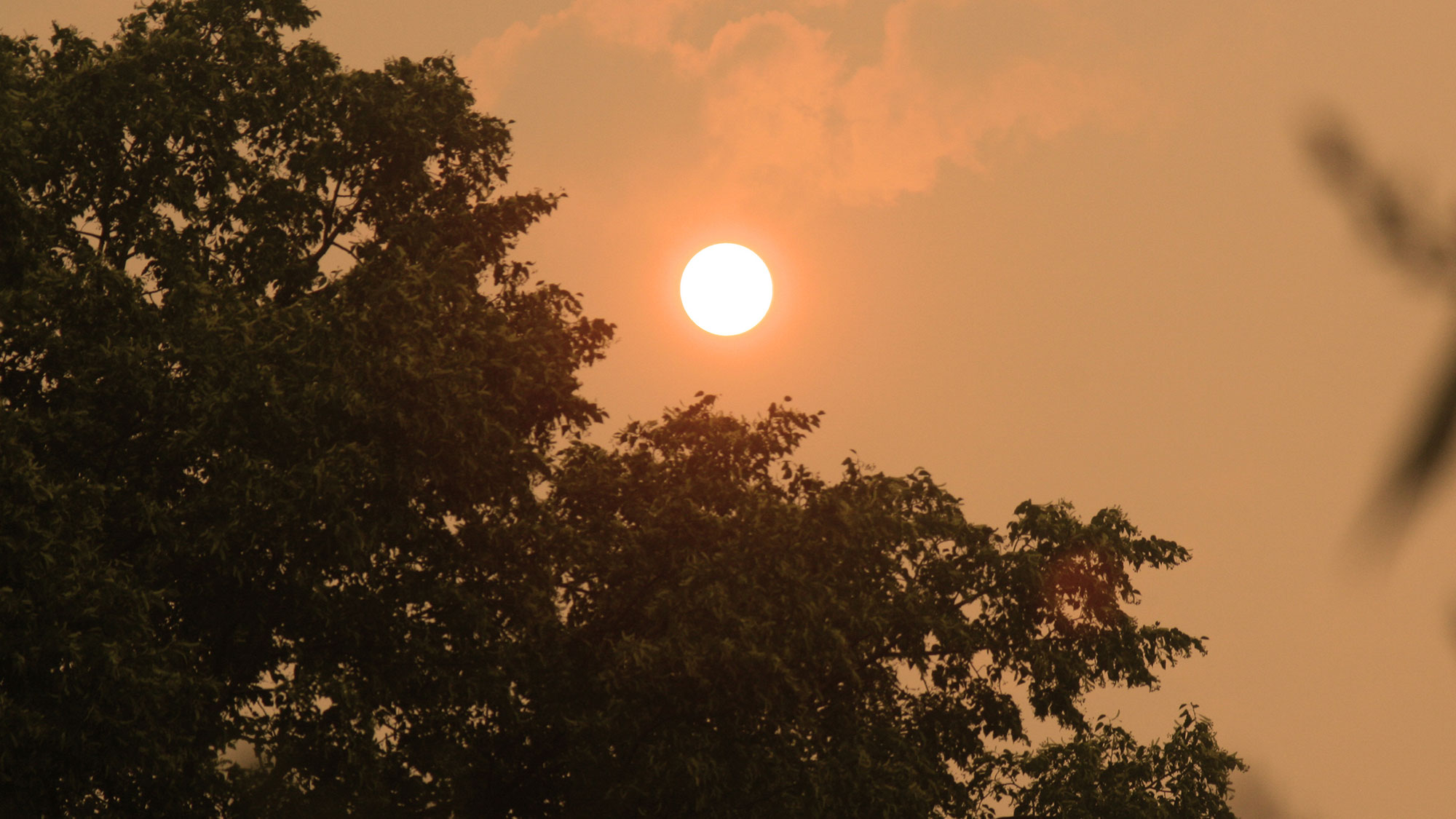
Ontario has become the epicenter of the current surge. The province is currently battling 193 active fires. The impact on Indigenous populations in the province is disproportionately high, with seven First Nations having been forced to evacuate. Beyond Namaygoosisagagun, communities such as Whitesand First Nation, Kiashke Zaaging Anishinaabek, and Animbiigoo Zaagi’igan Anishinaabek are operating under mandatory evacuation orders supported by the Ontario Provincial Police. The displacement is not limited to Indigenous communities; dozens of non-Indigenous municipalities have also been cleared as smoke and flames threaten residential areas and vital transport corridors.
Chronology of a Crisis: The Week of July 15th
The escalation of the fire season followed a predictable yet devastating timeline:
- Early Week: High temperatures and prolonged drought conditions in Northern Ontario created a "tinderbox" environment. Lightning strikes triggered dozens of small ignitions in remote areas.
- Wednesday, July 17: The fire near Collins (Namaygoosisagagun) intensified rapidly. Within an hour, the community was overtaken. Simultaneously, the Chiefs of Ontario held an emergency meeting to address the lack of communication from government officials regarding "State of Emergency" protocols.
- Thursday, July 18: The Assembly of First Nations (AFN) convened a national assembly in Ottawa. Emergency resolutions were passed to provide immediate support for Namaygoosisagagun and other impacted nations. Leaders called on the federal government to bypass "bureaucratic red tape" to ensure aid reached the front lines.
- Friday, July 19: National fire counts reached 903. Indigenous Services Canada began a formal assessment of the damage at Namaygoosisagagun, while smoke from the Ontario fires began to affect air quality as far south as the United States border.
Leadership Reactions and Calls for Reform
The frustration among Indigenous leadership is palpable. Ontario Regional Chief Abram Benedict has been vocal about the "catastrophe" on the front lines, criticizing the federal and provincial governments for prioritizing financial discussions over human lives. "Jurisdictional disputes and administrative delays have immediate consequences and put lives at risk," Benedict stated. He argued that the priority should be the safe evacuation and immediate welfare of people, rather than technicalities regarding who is responsible for the bill.
The Assembly of First Nations has echoed these sentiments, demanding a fundamental shift in how Canada manages disasters on Indigenous lands. Historically, First Nations have often been the last to receive emergency alerts and the first to experience the long-term effects of environmental displacement. The AFN’s emergency resolutions seek not only immediate funding for food, shelter, and medical supplies but also a long-term commitment to rebuilding lost infrastructure with climate-resilient materials.
The Anishinabek Nation has requested that the public keep the citizens of Namaygoosisagagun and Chief Paavola in their thoughts. In a somber statement, the Nation offered condolences for the "tremendous loss of their entire community," emphasizing that the "Anishinabek Nation family" would stand by the displaced residents throughout the long recovery process.
Analysis: The Future of Remote Communities in a Warming Climate
The destruction of Namaygoosisagagun is not merely an isolated tragedy; it is a harbinger of the challenges facing remote and Indigenous communities in the age of climate change. As the boreal forest becomes drier and fire seasons become longer and more intense, the vulnerability of "fly-in" or "water-access-only" communities increases exponentially.
The incident highlights several critical areas for policy reform:
- Communication Infrastructure: The fact that residents had to go door-to-door to warn of an approaching wildfire in 2024 (or 2026 as per the report’s timeline) suggests a massive failure in provincial emergency alert systems. Satellite-based warning systems or localized siren networks are becoming essential for remote settlements.
- Recognition and Equity: The "unrecognized" status of communities like Namaygoosisagagun creates a tiered system of safety. If federal aid is tied strictly to the Indian Act’s definition of a "First Nation," then hundreds of Indigenous people living in traditional settlements remain at higher risk than those in recognized bands.
- Resource Allocation: With 750 fires out of control, Canada’s firefighting capacity is being tested. Indigenous leaders are increasingly calling for the funding and training of local Indigenous fire crews who can provide "initial attack" capabilities on new starts before they grow into community-threatening conflagrations.
As the smoke clears over the blackened remains of Namaygoosisagagun, the focus shifts to the future. The question posed by Meaghan Daniel remains: will this community have a future in the place it has called home since time immemorial? The answer depends largely on whether the Canadian government chooses to prioritize human rights and cultural continuity over administrative technicalities. For now, the 2,182 displaced people from across 13 Nations wait in hotels and evacuation centers, wondering if they will have a home to return to, or if the 2024 season has permanently altered the map of Northern Canada.