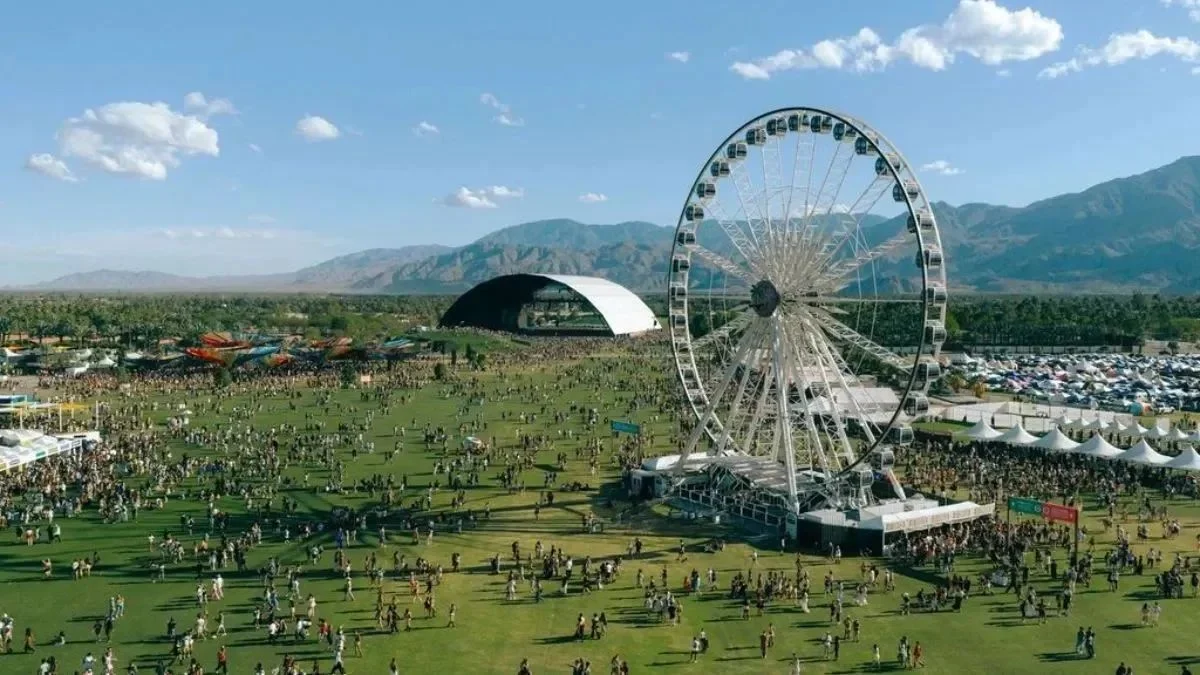
The annual cultural phenomenon that is the Coachella Valley Music and Arts Festival has once again demonstrated its unparalleled draw, with tickets for the 2027 edition officially selling out shortly after the general on-sale began on November 13th at 12:00 p.m. PT. Following a highly anticipated lineup announcement late Tuesday evening, demand surged, resulting in a rapid depletion of available inventory for the three-day festival weekends. While the primary ticket allotment is now exhausted, the festival’s infrastructure remains active, with secondary market options and official waitlists providing a final avenue for prospective attendees.
A Chronology of the 2027 Rollout
The road to the 2027 festival began with an intense period of speculation, which was finally addressed with the official unveiling of the artist roster. The transition from the announcement phase to the ticketing phase was compressed into a matter of hours, a strategy intended to capitalize on the initial wave of social media engagement.
Following the Tuesday night reveal, which showcased headliners Dua Lipa, Tame Impala, SZA, and Daddy Yankee, the digital traffic to the official ticketing portal reached record levels. By midday Wednesday, the festival’s parent company, Goldenvoice, confirmed that general admission and VIP passes for both weekends had been claimed. This rapid sell-out mirrors trends observed over the last decade, where the festival consistently moves its entire inventory within hours of the public release.
Analyzing the 2027 Headlining Strategy
The selection of this year’s headliners represents a calculated effort by Goldenvoice to balance global pop dominance, indie-rock prestige, and the massive cultural influence of Latin music.
Dua Lipa’s inclusion marks a continuation of her ascent to the upper echelons of global pop music. Having solidified her status as a stadium-touring act, her presence is expected to draw a diverse, international demographic. Tame Impala provides the festival with a reliable anchor for the psych-rock and alternative fanbase, a demographic that has been central to the festival’s identity since its inception.
SZA, whose critical and commercial acclaim has reached new heights, offers a soulful, R&B-forward headline set, while the inclusion of Daddy Yankee underscores the festival’s ongoing commitment to the global dominance of Reggaeton and Latin urban music. By booking these specific artists, the organizers have effectively segmented their appeal across multiple music subcultures, ensuring a multi-generational audience. The undercard, which features heavyweights like Madonna, Phoebe Bridgers, Don Toliver, and Weezer, further bolsters this strategy by providing a depth of talent that rivals any major festival globally.
Supporting Data and Economic Context
The Coachella Valley Music and Arts Festival is more than a concert series; it is a significant economic engine for the Coachella Valley. Historically, the event contributes hundreds of millions of dollars to the regional economy. According to previous impact reports, the festival generates approximately $700 million in economic activity annually for the surrounding Indio, California region, encompassing hospitality, retail, and transit sectors.
The sell-out of 2027 passes serves as a bellwether for the health of the live music industry in the post-pandemic era. Despite inflationary pressures and concerns regarding the rising cost of live entertainment, the demand for "experience-based" spending remains remarkably inelastic for marquee events. The price point for 2027 passes, while subject to tiered increases, has remained a point of focus for industry analysts who track the "experience economy." The fact that these passes moved so quickly suggests that consumer confidence in high-value, large-scale music festivals remains robust.
The Secondary Market and Official Waitlists
For those who missed the initial window, the festival has established a formal waitlist system. This mechanism is designed to combat the volatility of the secondary market and provide a regulated way for fans to purchase tickets from those who can no longer attend.
Simultaneously, the secondary ticket market, led by platforms like Vivid Seats, has seen immediate activity. As per industry standards, these platforms act as intermediaries, providing a layer of security for buyers. While prices on the secondary market often reflect a premium over face value, fans are advised to utilize verified platforms to avoid fraudulent listings. The availability of promotional codes for new customers, such as the current incentive provided by partners, helps to mitigate some of the financial burden for late-arriving fans.
Furthermore, essential festival logistics—such as on-site camping, car camping, and shuttle services—are still available through the official Coachella portal. This separation of "entry" and "logistics" allows the festival to continue managing the flow of people even after the concert passes themselves have been fully allocated.
Cultural Implications and Future Outlook
The 2027 festival is poised to be a barometer for the future of the "mega-festival" model. Over the past several years, the festival has faced criticism and praise in equal measure regarding its curation, its impact on the local environment, and its role as a social media hub.
The inclusion of an artist with the historical stature of Madonna alongside contemporary titans like SZA and Dua Lipa indicates that Goldenvoice is attempting to synthesize historical legacy with modern trends. This blend is crucial for maintaining the festival’s "cool factor," which is often the primary driver for its rapid sell-outs.
Additionally, the analysis of this year’s poster has already begun. Industry experts are scrutinizing the placement of mid-tier acts, the absence of certain genres, and the specific curation of the Sahara, Outdoor, and Mojave tents. The "snubs and surprises" that typically define the post-announcement conversation serve to extend the lifecycle of the festival’s marketing campaign, keeping it in the public consciousness long after the tickets have been bought.
Navigating the Festival Landscape
For prospective attendees, the challenge now shifts from securing a ticket to planning the logistics of the desert experience. As noted in the official Coachella 2027 ticket guide, the logistics of navigating the Polo Fields require significant preparation. With temperatures often reaching extreme highs during the day and dropping significantly at night, the "survival" aspect of the festival is a rite of passage for its attendees.
The festival organizers have emphasized that for those unable to secure a pass, the official digital channels remain the only verified source for information regarding potential ticket releases or, in rare instances, late-stage allocations. Fans are cautioned against engaging with unauthorized social media accounts claiming to have extra passes, as the prevalence of phishing and ticket scams increases proportionally with the scarcity of the tickets.
Conclusion: A Reaffirmation of Status
The sell-out of Coachella 2027 is a definitive statement that the festival retains its status as the premier event on the North American music calendar. While the landscape of live entertainment continues to evolve with the integration of streaming, virtual reality, and globalized touring, the physical gathering at the Empire Polo Club remains a singular aspiration for music fans.
By maintaining a strict limit on capacity and curating a lineup that balances high-octane pop, critical darlings, and international icons, Goldenvoice has once again managed to turn the act of ticket purchasing into a major media event. As the date approaches, the focus of the industry will shift from ticket sales to the logistical execution of the event, the potential for guest appearances, and the inevitable cultural moments that will define the 2027 iteration of the festival. For now, the message to the public is clear: the gates are set to open, and the capacity for the desert has been met.