
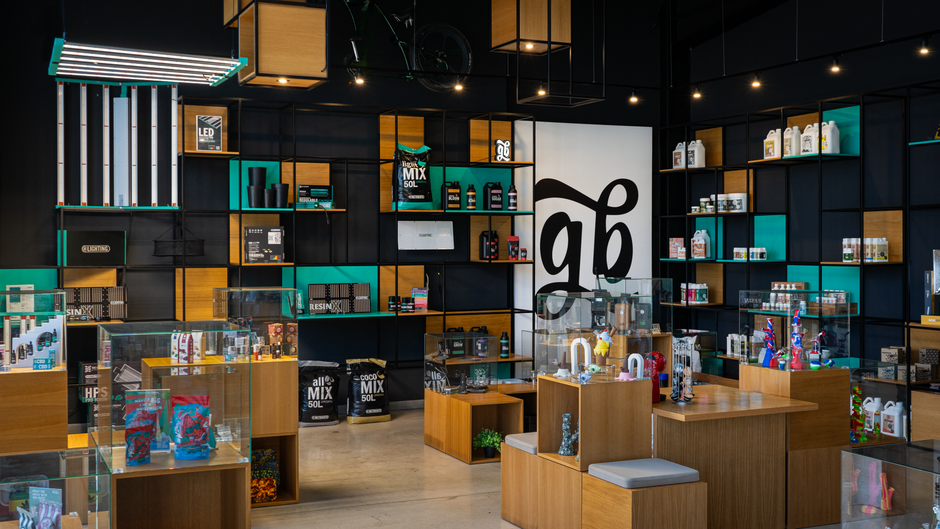
Contactless Stores Grow Europe: A Revolution in Retail
The European retail landscape is undergoing a seismic shift, driven by the accelerating adoption of contactless store models. This evolution, far from being a fleeting trend, represents a fundamental reimagining of the customer journey, operational efficiency, and the very definition of a physical retail presence. The impetus behind this transformation is multifaceted, encompassing changing consumer expectations, technological advancements, and a strategic imperative for businesses to remain agile and competitive in an increasingly dynamic market. At its core, the rise of contactless stores is about streamlining the shopping experience, minimizing friction, and leveraging technology to create a more personalized and convenient interaction between brands and their customers. This article delves into the key drivers, benefits, challenges, and future trajectory of contactless retail growth across Europe, providing insights for retailers seeking to navigate and capitalize on this burgeoning sector.
The technological bedrock enabling the contactless store revolution is diverse and interconnected. Near Field Communication (NFC) and Bluetooth Low Energy (BLE) technologies are paramount, facilitating seamless payment and identification processes. Mobile applications, acting as digital keys and personal shopping assistants, are integral to this ecosystem, allowing customers to unlock doors, browse products, make purchases, and receive personalized offers without direct human interaction. Computer vision and artificial intelligence (AI) play crucial roles in inventory management, product recognition, and even in creating dynamic pricing strategies. Sensors embedded throughout the store monitor foot traffic, product interactions, and environmental conditions, providing invaluable data for optimizing store layout and operations. The integration of these technologies creates a symbiotic environment where the physical space adapts to the individual needs of the shopper, offering an unprecedented level of autonomy and efficiency.
Consumer demand for convenience and speed is a primary catalyst for contactless store adoption. In a post-pandemic world, concerns about hygiene and social distancing have been amplified, making contactless transactions a preferred choice for many. However, the appeal extends beyond immediate health considerations. Consumers increasingly value their time and seek to minimize the mundane aspects of shopping, such as waiting in queues or navigating complex checkout procedures. Contactless stores address this by enabling rapid entry, self-selection, and instant payment, transforming the act of shopping from a potentially time-consuming chore into an efficient and almost effortless experience. This shift in consumer behavior is not confined to a niche demographic; it is a widespread aspiration across various age groups and socioeconomic segments, making contactless solutions a crucial component of any future-facing retail strategy.
For retailers, the operational advantages of contactless stores are substantial. Reduced reliance on human cashiers and sales associates can lead to significant cost savings, particularly in high-traffic urban environments where labor costs are a major expense. AI-powered inventory management systems, enabled by sensors and computer vision, can provide real-time stock visibility, minimizing out-of-stock situations and reducing waste. Automated reordering processes, triggered by inventory depletion, further enhance efficiency. Data analytics derived from in-store sensor data and transaction patterns offer unprecedented insights into customer behavior, allowing for more targeted marketing campaigns, optimized product placement, and personalized promotions. This data-driven approach empowers retailers to make more informed decisions, improve merchandising strategies, and ultimately enhance profitability.
The customer journey in a contactless store is characterized by its fluidity and personalization. Upon arrival, customers might use their smartphone app to scan a QR code or use NFC to unlock the store entrance. Within the store, they can browse products freely, with their app often providing detailed product information, customer reviews, and personalized recommendations based on their past purchasing history or stated preferences. Many contactless models incorporate automated product recognition, where placing an item in a virtual cart within the app or simply picking it up can register it for purchase. Payment is typically handled automatically through pre-linked accounts in the app upon exiting the store, or via a quick scan of a QR code at a designated exit point. This seamless transition from browsing to purchasing eliminates the traditional checkout friction, fostering a sense of freedom and control for the shopper.
The European market presents a unique and fertile ground for contactless store expansion. Diverse regulatory landscapes, varying consumer adoption rates of digital technologies, and distinct cultural shopping habits all contribute to the nuanced growth patterns. Countries with high smartphone penetration and a strong digital payment infrastructure, such as the Nordics and the UK, are often at the forefront of this adoption. However, even in markets with a historically more traditional retail approach, the compelling benefits of convenience and efficiency are driving a rapid shift. Governments and industry bodies are increasingly recognizing the potential of these technologies to modernize retail infrastructure and foster economic growth. Investment in digital literacy and the development of secure payment systems are crucial for widespread adoption across the continent.
Several key sectors are demonstrating a pronounced interest in contactless store formats. Grocery retail is a prime example, where the ability to quickly pick up essential items without lengthy queues is highly appealing. Convenience stores, particularly in urban areas, are well-positioned to benefit from the speed and ease of contactless transactions. Fashion and apparel retailers are exploring contactless fitting rooms and personalized styling recommendations through apps, enhancing the try-before-you-buy experience. Even sectors like electronics and specialty goods can leverage contactless models to provide a more efficient and informative shopping experience, with digital assistants offering product comparisons and technical specifications.
The implementation of a successful contactless store strategy requires a holistic approach, extending beyond the deployment of technology. A robust and user-friendly mobile application is fundamental, serving as the central hub for customer interaction. Seamless integration with existing backend systems, such as inventory management and CRM, is essential for operational efficiency and data utilization. Robust cybersecurity measures are paramount to protect sensitive customer data and prevent fraudulent activity. Furthermore, retailers must invest in staff training, even in a reduced-staff model, to ensure that employees are equipped to handle any technical issues, provide assistance, and offer a high level of customer service when needed. The human element, while reduced, remains critical for building trust and resolving complex customer needs.
The data gathered from contactless stores offers a treasure trove of insights for retailers. Foot traffic patterns, dwell times in different store sections, product interaction frequency, and purchase conversion rates can all be meticulously analyzed. This data can inform decisions on store layout optimization, product placement, and promotional strategies. By understanding which products are frequently browsed but not purchased, retailers can identify potential pricing issues, product information gaps, or merchandising challenges. Conversely, understanding popular product combinations can lead to effective cross-selling initiatives. The ability to segment customers based on their in-store behavior and preferences allows for highly personalized marketing campaigns, driving higher engagement and conversion rates.
However, the widespread adoption of contactless stores is not without its challenges. Initial investment in technology can be significant, requiring careful planning and budgeting. Ensuring data privacy and security is a paramount concern, and retailers must adhere to stringent regulations like GDPR. Public perception and trust in automated systems need to be cultivated; some consumers may remain hesitant about the lack of human interaction. Ensuring accessibility for all customer segments, including those who may not be technologically adept or have limited access to smartphones, is crucial for inclusive retail. Overcoming these hurdles requires a strategic approach that prioritizes transparency, user education, and robust technical infrastructure.
The future of contactless retail in Europe is poised for continued innovation and expansion. We can anticipate further integration of augmented reality (AR) and virtual reality (VR) to enhance product visualization and in-store exploration. The use of AI will become more sophisticated, enabling hyper-personalization of the shopping experience and predictive analytics for inventory and demand forecasting. The lines between online and offline retail will continue to blur, with contactless stores serving as seamless extensions of e-commerce platforms. The development of standardized protocols and interoperable technologies will likely facilitate greater collaboration and integration across different retail ecosystems. As technology continues to evolve and consumer expectations shift, contactless stores will undoubtedly become an increasingly dominant force in the European retail landscape, redefining the very essence of shopping.





Leave a Reply