
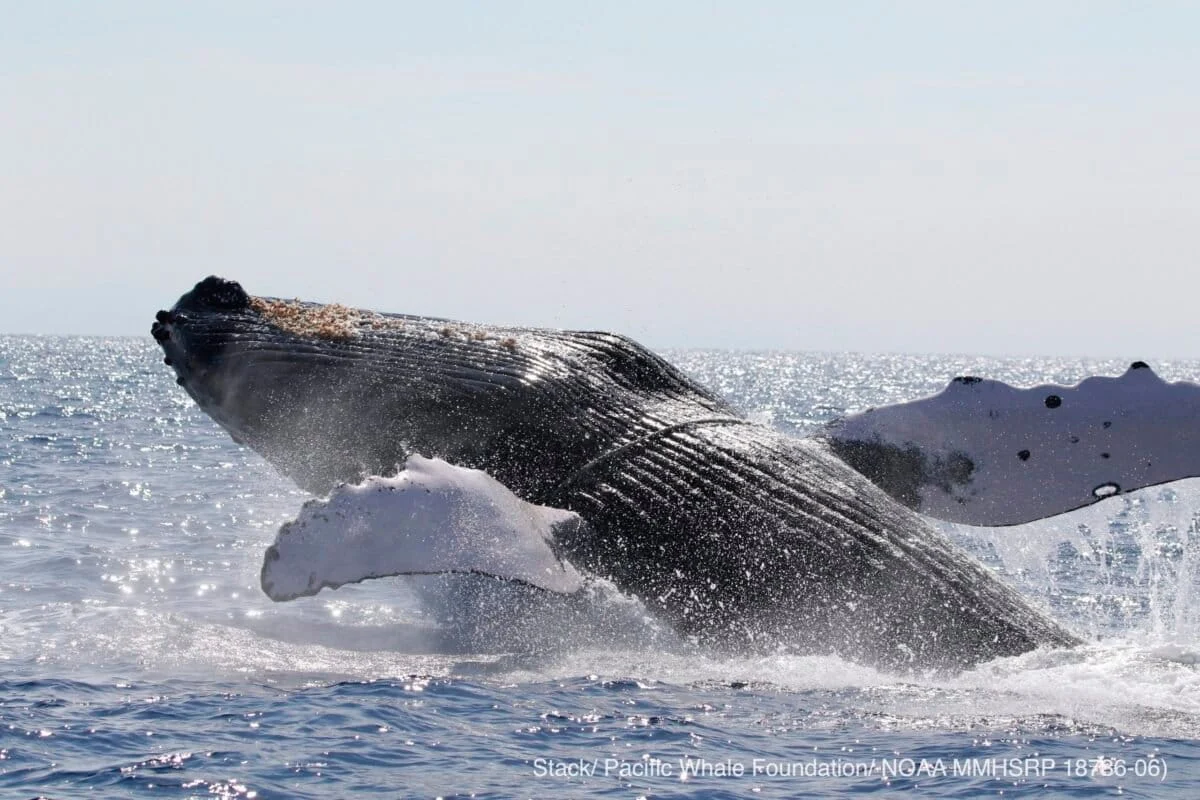
A decade after a catastrophic marine heatwave swept through the northeastern Pacific Ocean, devastating ecological impacts continue to reverberate through marine food webs. New scientific research reveals that the iconic Hawaiian humpback whale population experienced a staggering collapse during the 2013–2016 heating event and has failed to mount a recovery. The findings underscore the long-lasting and insidious vulnerabilities that apex and mid-level marine mammals face as global climate change accelerates ocean warming trends.
The study, which meticulously analyzed thousands of citizen-science photographs spanning more than two decades, provides a sobering look at how extreme weather events ripple upward from the base of the marine ecosystem. With the North Pacific once again confronting abnormally high sea surface temperatures—compounded by a robust El Niño cycle in the tropical Pacific—scientists warn that humpback whales and other marine life could face compounding threats just as they struggle to recover from past trauma.
Chronology of a Crisis: The 2013–2016 Marine Heatwave
The origins of the current ecological crisis trace back to late 2013, when an unprecedented mass of warm water—colloquially dubbed "The Blob"—developed in the northeastern Pacific Ocean. Initially spanning thousands of kilometers off the coast of North America, this persistent thermal anomaly disrupted typical oceanographic patterns, elevating sea surface temperatures by several degrees Fahrenheit above historical averages.
By 2014 and 2015, the environmental impacts became visible across multiple trophic levels. The heatwave triggered a dramatic decline in populations of forage fish and krill, which serve as the foundational caloric engine of the marine food web. For migratory cetaceans like the North Pacific humpback whale (Megaptera novaeangliae), the consequences were immediate and severe.
Humpback whales follow a rigid, energy-intensive migratory cycle. During the brief summer months, they gorge themselves on rich swarms of krill and small schooling fish in the cold, nutrient-dense waters of Alaska and British Columbia. As winter approaches, these massive mammals embark on a grueling 4,800-kilometer (3,000-mile) journey south to the warm, shallow waters surrounding the main Hawaiian islands. There, they fast, breed, and give birth, relying heavily on the energy reserves accumulated during their summer feeding frenzies.
When The Blob decimated their primary prey base in the northern feeding grounds, the whales were starved of the fuel necessary to sustain this biological cycle. Throughout the height of the heatwave, researchers documented an alarming unusual mortality event (UME) spanning Alaska and British Columbia, characterized by emaciated humpback whales washing ashore or observed visibly starving at sea.
Unlocking the Data: Citizen Science and Fluke Identification
To quantify the long-term demographic toll of the 2013–2016 heatwave, an interdisciplinary team of researchers turned to an unconventional yet remarkably robust data source: citizen science platforms. Specifically, scientists utilized Happywhale, a global database where whale watchers, tour operators, and marine enthusiasts can upload photographs of whale flukes—the distinctive undersides of their tail fins.
"Their flukes are a bit like a fingerprint for each individual humpback whale," explained study co-author Shannon Barber-Meyer, formerly with the Pacific Whale Foundation, highlighting how unique pigmentation patterns, scars, and trailing-edge shapes allow researchers to track individual animals over space and time.
By analyzing more than 27,000 photographs of whale sightings gathered between 2002 and 2023 across the main Hawaiian islands, the research team constructed a comprehensive capture-recapture demographic model. The results were startling. The data revealed that the Hawaiian humpback whale population plummeted by 37% between the 2014–2015 breeding season and the 2021–2022 season.
Equally concerning was the dramatic shift in adult survival rates. Historically, the North Pacific humpback population enjoyed high baseline resilience, with roughly 99% of adult whales surviving from one year to the next. However, during the heatwave years, annual adult survival plummeted to an estimated 68%.

"It’s a very precipitous drop, and that’s not something you normally see in adult survival of long-lived mammals," Barber-Meyer noted. Long-lived species like cetaceans typically buffer environmental shocks by prioritizing adult survival over reproduction; the sharp drop in adult mortality signals an environmental stressor of extraordinary magnitude.
Based on demographic models and sighting frequencies, researchers estimate there were roughly 5,000 fewer humpback whales in the Hawaiian population following the heatwave. While a small fraction may have shifted their migratory destinations to alternative breeding grounds, scientists believe the vast majority perished due to starvation-related complications.
Broader Implications and Collateral Damage in the Pacific
The plight of the Hawaiian humpback whale is not an isolated incident; rather, it is part of a broader, systemic unraveling of Pacific marine ecosystems. John Calambokidis, a prominent research biologist with the U.S.-based non-profit Cascadia Research Collective who was not involved in the new study, emphasized the wider implications of the findings.
According to Calambokidis, the study offers "valuable insights into the potential impacts of future changes" for baleen whales globally. He noted that parallel crises are unfolding elsewhere in the Pacific, pointing to the catastrophic population declines documented among eastern North Pacific gray whales (Eschrichtius robustus). Those declines have been similarly driven by climate-induced disruptions in Arctic feeding grounds, including rapid sea ice loss and dramatic shifts in benthic amphipod populations.
As marine temperatures remain elevated, scientists warn that cumulative pressures are compounding the risks faced by recovering populations. Because the Hawaiian humpback population has failed to rebound to pre-2013 levels, the surviving animals remain exceptionally vulnerable to persistent anthropogenic (human-caused) hazards.
Chief among these threats are commercial fishing gear entanglements, commercial shipping strikes, ocean noise pollution, and chemical runoff. An animal weakened by chronic undernutrition is inherently less equipped to navigate these hazards, lower its stress thresholds, or successfully nurse calves through infancy.
Global Scale and the Threat of Recurrent Climate Shocks
Humpback whales occupy a truly cosmopolitan ecological niche, inhabiting every major ocean basin on Earth. Their life history relies on predictable, highly seasonal transitions between high-latitude feeding areas and low-latitude breeding grounds. Consequently, large-scale climatic disruptions carry profound implications for the species on a global scale.
Study co-author Daniel Palacios, affiliated with the Center for Coastal Studies, warned via email that ongoing, human-driven disruptions to the global climate system could systematically destabilize humpback whale populations worldwide. As polar ice caps melt, ocean currents shift, and marine heatwaves transition from anomalous events to recurrent, chronic features of the marine environment, the ecological margins available to migratory cetaceans are rapidly shrinking.
Compounding these long-term fears is the immediate environmental outlook. The North Pacific is currently grappling with a new marine heatwave, generating abnormally high sea surface temperatures across historical feeding and transit corridors. Simultaneously, the persistent influence of a strong El Niño event in the tropical Pacific has pushed baseline temperatures across vast swaths of the ocean well above historical averages.
Conclusion: A Call for Heightened Conservation Vigilance
The failure of the Hawaiian humpback whale population to recover a decade after the 2013–2016 marine heatwave serves as a stark reminder of the limits of marine resilience. While historic conservation victories—most notably the international moratorium on commercial whaling and subsequent protections under the U.S. Endangered Species Act—successfully rescued humpbacks from the brink of extinction in the 20th century, modern climate change introduces an entirely unprecedented class of threat.
As researchers continue to monitor the intersection of rising ocean temperatures, shifting prey dynamics, and human-wildlife conflicts, the data underscores an urgent need for adaptive management strategies. Protecting migratory corridors, mitigating ship-strike risks through mandatory vessel speed reductions, and proactively managing fixed-gear fisheries will be critical to shielding these vulnerable marine mammals as they navigate an increasingly volatile oceanic future.








Leave a Reply