
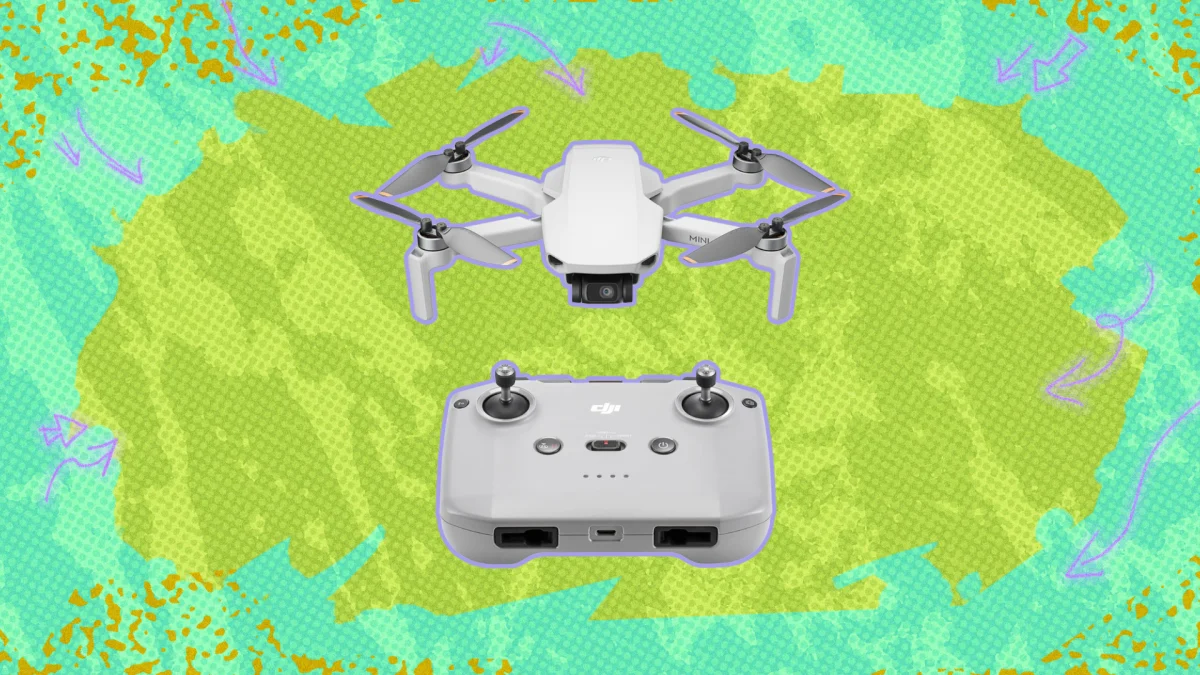
The DJI Mini 4K drone is currently available for an unprecedented price of $209 on Amazon, marking a substantial 30% discount from its original list price of $299, translating to a savings of $90. This significant price reduction, effective as of April 16, positions the Mini 4K as an exceptionally attractive option for both aspiring drone pilots and experienced enthusiasts seeking a highly portable and capable aerial imaging solution. The offering represents the lowest price point recorded for this model, according to market tracking data, underscoring a strategic move to broaden the accessibility of advanced drone technology to a wider consumer base.
Contextualizing the DJI Mini 4K in the Drone Market
The consumer drone market has witnessed rapid evolution over the past decade, transforming from a niche hobbyist pursuit into a mainstream technological segment. DJI, a Shenzhen-based technology company, has been at the forefront of this revolution, consistently dominating the market with innovative designs, user-friendly interfaces, and high-performance capabilities. The Mini series, in particular, has been instrumental in democratizing drone ownership due to its compact size, lightweight design, and adherence to crucial regulatory thresholds.
The DJI Mini 4K is an iteration within this successful line, specifically engineered to provide a robust feature set while maintaining an ultra-lightweight profile. Its primary appeal lies in its combination of a high-resolution camera, stable flight characteristics, and a weight that exempts it from certain stringent regulatory requirements in many jurisdictions, including the United States. This current promotional pricing amplifies its value proposition, making it a compelling entry point for individuals curious about aerial photography and videography without the traditionally high investment barrier.
Key Features and Technical Specifications
Despite its diminutive size and accessible price point, the DJI Mini 4K boasts a suite of features typically associated with more premium drones. At its core is a 4K Ultra HD camera, capable of capturing crisp, detailed video footage and high-resolution still photographs. This camera is mounted on a sophisticated 3-axis mechanical gimbal, a critical component that actively stabilizes the camera against pitch, roll, and yaw movements during flight. The result is remarkably smooth, cinematic footage, even in dynamic flight conditions, effectively eliminating the shaky, unprofessional look often associated with drones lacking such stabilization.
Another standout feature is its featherlight weight of under 249 grams (approximately 8.8 ounces). This specific weight class is strategically chosen to comply with drone regulations in various countries, most notably the United States. Under Federal Aviation Administration (FAA) guidelines for recreational use, drones weighing less than 250 grams do not require registration with the agency. Furthermore, they are often exempt from the Remote ID rule, which mandates heavier drones to broadcast identification and location information. This exemption significantly lowers the barrier to entry for new pilots, reducing administrative burdens and making the initial experience of drone flying more straightforward. Similar regulatory advantages exist in other regions, such as the European Union’s A0/A1 Open Category, where drones under 250g generally face fewer restrictions.
Flight performance is another strong suit of the Mini 4K. It offers a maximum flight time of up to 31 minutes on a single charge, providing ample opportunity for capturing extensive footage or exploring various vantage points. This flight duration is competitive within its class and offers a practical operational window for most recreational and light commercial applications. The drone also demonstrates commendable resilience to environmental factors, featuring Level 5 wind resistance. This capability allows it to maintain stable flight and precise control in winds up to 38 kilometers per hour (approximately 23.6 miles per hour), a significant advantage when operating in varied weather conditions or open landscapes. Furthermore, its advanced video transmission system provides a robust and reliable connection, boasting a range of up to 10 kilometers (approximately 6.2 miles), ensuring a clear, real-time feed and responsive control over considerable distances.
Enhanced Flight Safety and User Experience
Recognizing that many potential drone users may be novices, DJI has integrated several intelligent flight features designed to enhance safety and simplify the flying experience. The Mini 4K incorporates one-tap takeoff and landing functions, automating the most critical phases of flight and reducing the learning curve for beginners. Its stable hovering capability, facilitated by a combination of GPS and downward vision positioning systems, allows the drone to hold its position accurately in the air, even without continuous manual input, making framing shots and navigating easier.
A cornerstone safety feature is the GPS Return to Home (RTH) function. In the event of low battery, loss of signal, or user activation, the drone can automatically navigate back to its takeoff point. This intelligent failsafe mechanism provides immense peace of mind, mitigating the risk of losing the drone due to unforeseen circumstances or pilot error.
Beyond basic flight, the Mini 4K includes a suite of intelligent QuickShots modes. These pre-programmed cinematic flight paths allow users to capture professional-looking video clips with minimal effort. QuickShots modes like Dronie, Helix, Rocket, Circle, and Boomerang execute complex aerial maneuvers automatically, creating dynamic and visually appealing content with just a few taps in the DJI Fly app. This feature is particularly beneficial for content creators, social media influencers, and even professionals such as real estate agents or photographers who require high-quality aerial footage for their portfolios or marketing efforts but may not possess advanced piloting skills. These automated sequences allow for consistent, high-quality output that would otherwise require significant practice and expertise.
Chronology and Evolution of the DJI Mini Series
The lineage of the DJI Mini series is a testament to DJI’s commitment to making drone technology accessible and user-friendly. The journey began with the release of the original Mavic Mini in late 2019. This drone revolutionized the entry-level market by being the first from DJI to achieve the sub-250g weight, immediately garnering attention for its regulatory benefits and portability. It offered 2.7K video recording and a 3-axis gimbal, setting a new standard for compact drones.
Following its success, DJI introduced the Mini 2 in late 2020. This iteration brought significant upgrades, most notably the introduction of 4K video recording at 30fps and the vastly superior OcuSync 2.0 video transmission system, extending range and improving connection stability. The Mini 2 quickly became a benchmark for what a sub-250g drone could achieve, cementing DJI’s dominance in this segment.
The DJI Mini 3 Pro arrived in mid-2022, pushing the boundaries further with tri-directional obstacle sensing, a larger sensor, native vertical shooting, and enhanced intelligent features. While still under 250g, it represented a more premium offering within the Mini line, catering to users demanding professional-grade capabilities in a compact form factor. A more budget-friendly DJI Mini 3 followed, retaining the improved camera and battery life but omitting some of the Pro’s advanced obstacle avoidance features.
The DJI Mini 2 SE was later introduced as an even more affordable entry point, essentially a refined version of the original Mini 2 with some cost optimizations, aiming to capture the absolute beginner market.
The DJI Mini 4K, while not a direct successor to the Mini 4 Pro, appears to strategically position itself in the market as an accessible 4K drone, potentially leveraging existing proven technology (similar to the Mini 2 or Mini 2 SE in its core components) but with a clear emphasis on its 4K capability and competitive pricing. It serves to fill a specific market gap, offering 4K video capture at a price point previously unseen for such a combination of features from DJI. This current "best-ever price" for the Mini 4K suggests a deliberate strategy to refresh interest in this segment and make 4K aerial videography more attainable than ever.
Broader Market Implications and Consumer Benefits
The availability of the DJI Mini 4K at such a significant discount carries several implications for the consumer drone market and prospective buyers.
Increased Accessibility: The primary beneficiary is the consumer. A $90 saving on a $299 product, bringing the price down to $209, makes high-quality drone technology financially viable for a much broader demographic. This lowers the barrier to entry for hobbyists, students, and content creators who may have previously been deterred by higher prices. It encourages experimentation and growth within the drone community.
Market Expansion: By offering an advanced yet affordable option, DJI is likely to attract new users who might not have considered purchasing a drone before. This expansion of the user base can lead to greater innovation in drone-related accessories, software, and educational resources, further enriching the overall ecosystem.
Competitive Dynamics: Such aggressive pricing can influence the competitive landscape. While DJI holds a dominant market share, the lower price point for a 4K-capable drone puts pressure on smaller manufacturers to innovate and compete on features or price. This ultimately benefits consumers through a more dynamic and competitive market.
Democratization of Aerial Content Creation: The combination of an accessible price, a 4K camera, and intelligent flight modes democratizes the creation of professional-looking aerial content. Individuals can now produce high-quality videos and photos for personal projects, social media, or even small commercial ventures (e.g., real estate photography, event coverage) without needing to invest in professional-grade equipment costing thousands of dollars or hiring specialized drone operators.
Reduced Learning Curve: The emphasis on user-friendly features like one-tap operations, stable hovering, and automated QuickShots significantly reduces the learning curve associated with flying drones. This encourages new users to confidently engage with the technology, rather than being intimidated by complex controls or the fear of crashing an expensive device. The inclusion of GPS Return to Home further instills confidence, knowing that the drone can safely return even if control is momentarily lost.
Strategic Positioning: For DJI, this sale could be part of a broader strategy to clear inventory, introduce new users to their ecosystem, or create a distinct value-oriented segment within their Mini series, differentiating it from the more feature-rich "Pro" models. It ensures that DJI maintains a strong presence across various price points, catering to different consumer needs and budgets.
Statements and Reactions (Inferred)
While no specific official statements from DJI or Amazon regarding this particular sale are typically issued beyond the listing itself, the inferred rationale aligns with standard market strategies. Manufacturers like DJI frequently employ promotional pricing to achieve several objectives:
- Market Penetration: To attract new customers and expand the overall market for drones.
- Inventory Management: To manage stock levels, especially as new models are introduced or as component costs shift.
- Competitive Response: To respond to or preempt competitive offerings in the budget-friendly 4K drone segment.
- Brand Loyalty: To foster initial positive experiences with the brand, potentially leading to future upgrades to higher-tier DJI products.
From a consumer perspective, the reaction is overwhelmingly positive. Online forums, social media discussions, and tech review sites often highlight "best-ever" prices as significant purchase motivators. Analysts tracking consumer electronics trends would likely view this as a strategic move to capitalize on growing interest in drones, especially in a period where consumers are increasingly seeking value for money without compromising on essential features like 4K video. The availability on a major platform like Amazon further amplifies its reach and convenience for purchasers.
Considerations for Prospective Buyers
While the DJI Mini 4K at $209 presents an exceptional value, prospective buyers should also consider a few additional points:
- Accessories: The basic package typically includes the drone, remote controller, and one battery. For extended flight sessions, purchasing additional batteries is highly recommended. Propeller guards, a carrying case, and a landing pad are also useful accessories, especially for beginners.
- SD Card: A high-speed microSD card is essential for recording 4K video. Ensure compatibility and sufficient storage capacity.
- Local Regulations: While the Mini 4K benefits from its sub-250g weight, users should always familiarize themselves with local drone regulations, including no-fly zones, altitude limits, and privacy considerations. This ensures responsible and legal operation.
- Learning Resources: DJI provides extensive tutorials and guides through its DJI Fly app and website. Utilizing these resources can significantly enhance the learning experience and skill development.
The Future of Consumer Drones
The trajectory of consumer drone technology points towards continued innovation. Future iterations will likely feature even longer battery life, enhanced AI for autonomous flight and object tracking, improved sensor technology for superior low-light performance, and more sophisticated obstacle avoidance systems in smaller form factors. Regulatory frameworks will also continue to evolve, balancing safety and security concerns with the immense potential of drone technology.
The current deal on the DJI Mini 4K serves as a powerful reminder of how quickly advanced technology becomes accessible. What was once a prohibitively expensive tool for professionals is now within reach for millions, empowering a new generation of aerial photographers, videographers, and hobbyists to explore the world from a unique perspective. This discount not only makes the DJI Mini 4K an excellent purchase for today but also acts as a catalyst for future engagement with this dynamic and rapidly evolving field.
In conclusion, the DJI Mini 4K’s availability at its best-ever price of $209 on Amazon represents a significant opportunity for consumers. It combines an impressive array of features, including a 4K camera, 3-axis gimbal, extended flight time, and crucial regulatory exemptions, all within an incredibly user-friendly package. This strategic pricing by DJI underscores the company’s commitment to broad market accessibility, ensuring that the thrill and utility of aerial imaging are no longer confined to a select few but are increasingly available to everyone.










Leave a Reply