
The political landscape across rural America is undergoing a complex shift, defined by deep economic anxieties and mounting frustration with the current administration. According to a comprehensive national survey conducted by The Associated Press in partnership with KFF, approximately half of rural American voters believe the national economy is in a worse position today than it was when President Donald Trump returned to the White House. This sentiment highlights a pervasive disconnect between the economic promises made on the campaign trail and the financial realities experienced by citizens in small towns and agricultural communities.
The poll, which surveyed more than 2,000 registered rural voters via telephone and online platforms over a two-week period beginning in mid-August, reveals widespread pessimism regarding both local and national economic conditions. While rural voters have historically formed a dependable backbone for the Republican Party and continue to view Trump more favorably than the general U.S. population—maintaining a 48% job approval rating—their economic confidence has clearly eroded. Analysts point out that this erosion does not necessarily signal a mass defection to the Democratic Party; rather, it threatens to manifest as voter apathy, potentially leading significant numbers of working-class conservatives to sit out the upcoming midterm elections.
The Chronology of Discontent: From Campaign Promises to Persistent Inflation
To understand the current mood of rural America, political scientists and economists look back at a multi-decade trajectory of economic stagnation. Rural regions have long experienced lower median wages, fewer high-paying career opportunities, and a more pronounced vulnerability to inflationary pressures compared to their suburban and metropolitan counterparts.
During the presidential campaign, economic recovery and the immediate reduction of living costs took center stage. Candidates pledged swift administrative and legislative action to curb inflation and revitalize heartland manufacturing and agriculture. However, the chronology of the past several years has complicated these pledges:
- 2017 Baseline: A previous KFF-Washington Post survey indicated that about half of rural Americans rated the cost of living in their communities as "only fair" or "poor."
- Campaign Trail: Donald Trump and Republican congressional candidates repeatedly promised immediate relief from rising prices, pointing to deregulation and trade policies as quick fixes.
- Post-Election Period: Following the administration’s return to office, compounding global economic factors—including trade disputes, tariffs, and expensive foreign entanglements such as the conflict in Iran—contributed to sustained upward pressure on energy and consumer goods.
- Mid-August Survey Window: The AP-KFF poll captured a populace where roughly three-quarters of rural respondents now rate their local cost of living as "only fair" or "poor," marking a substantial negative shift over the decade.
Pocketbook Realities and Rising Household Pressures
At the heart of the rural electorate’s discontent are fundamental household expenses. When asked to identify their primary financial pain points, respondents overwhelmingly pointed to the soaring costs of groceries, gasoline, and healthcare. A larger proportion of rural voters express acute worry about their ability to afford basic necessities compared to the broader national electorate.
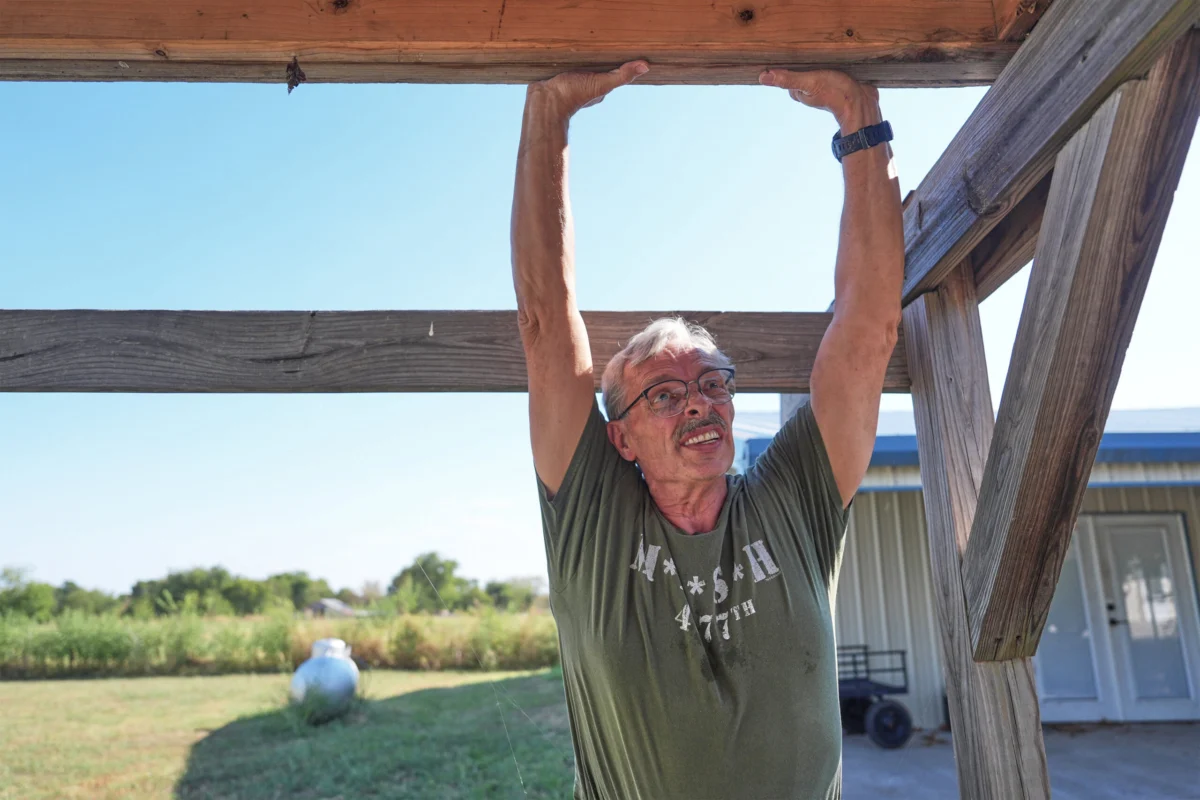
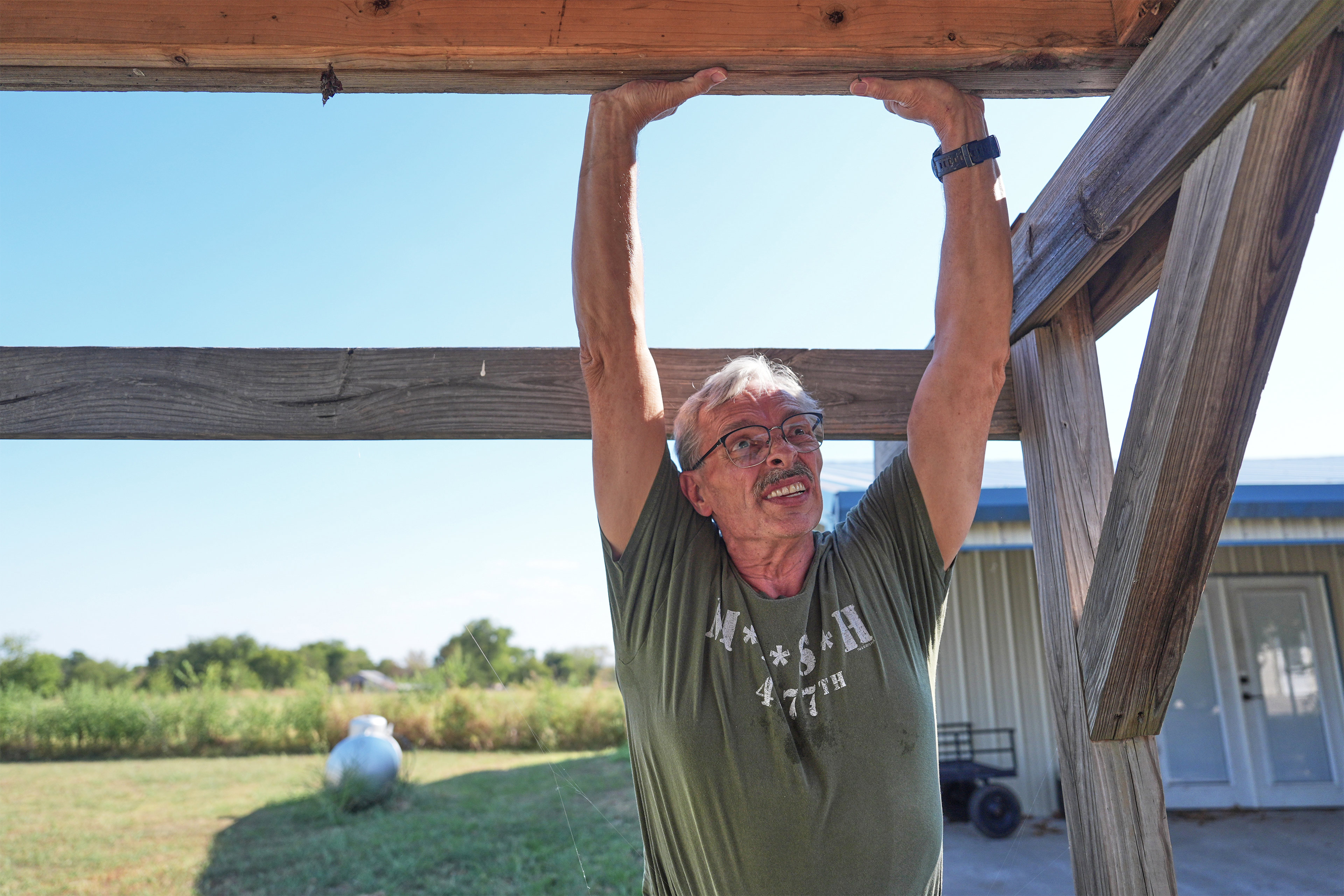
For many working-class Americans, these increases are felt acutely at the local level. In rural Texas, Ed Westrick, a 59-year-old technical trainer in the electronics industry, observes that while his defense-contracting work has remained relatively steady, the broader cost of living continues to outpace wage growth. Westrick describes Trump’s current job performance as "mediocre, middle-of-the-road" and expresses disillusionment with politicians across the political spectrum.
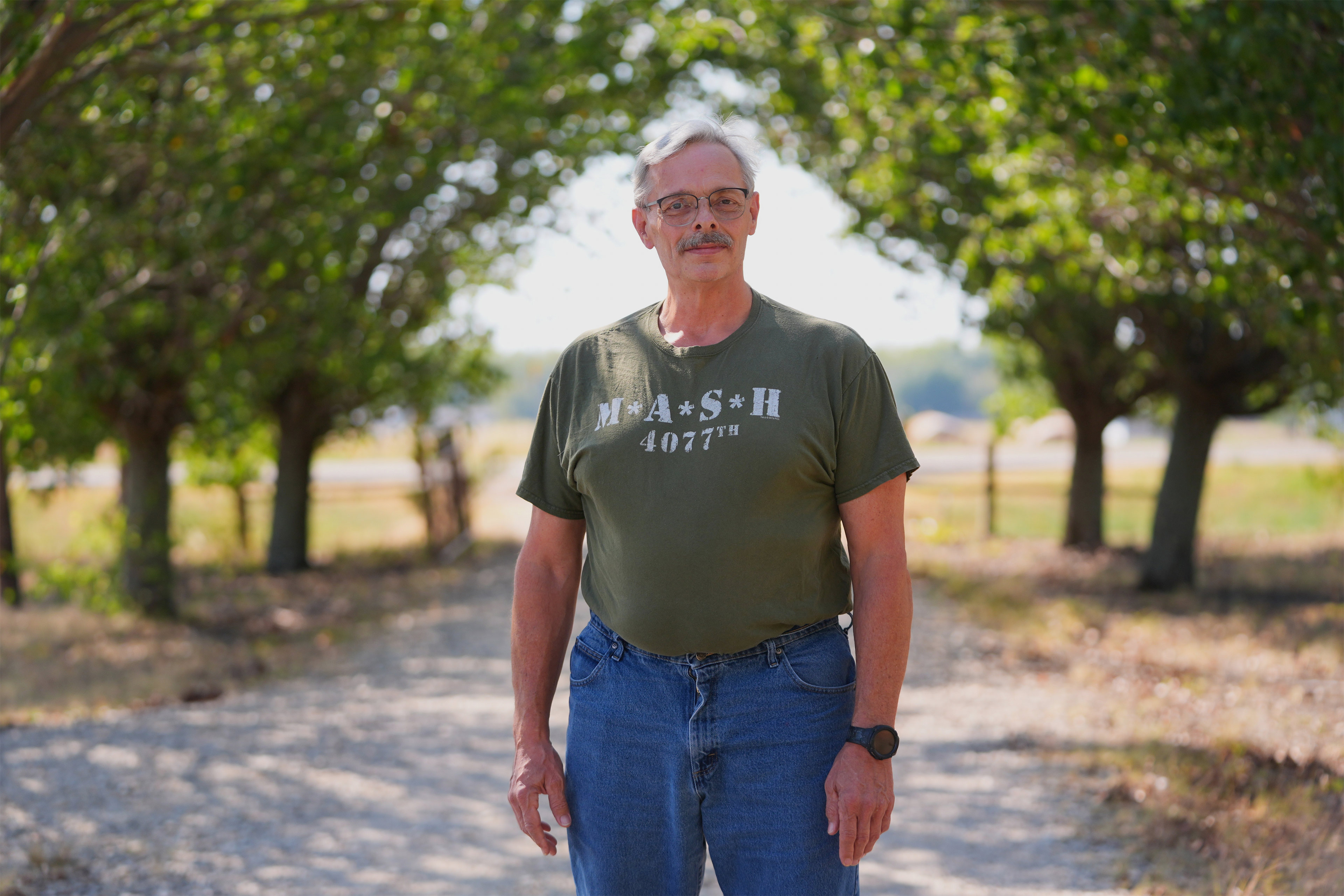
"I hear the politicians talk about making groceries more affordable and making healthcare more affordable, but yet none of them are addressing the issues," Westrick remarked. His hesitation to cast a midterm ballot reflects a broader warning sign for Republican strategists relying on high turnout in key districts.
Similarly, in Michigan, independent voter Brittainy Sosebee details the daily calculus required to feed her family of three. Sosebee, who voted for Trump in 2016 and Joe Biden in 2020 before sitting out the 2024 presidential race, now scrutinizes every grocery receipt.
"We hunt, so we have a lot of venison and things like that, so we don’t have to buy meat from the grocery store, but it’s still crippling," Sosebee said, noting that the rising cost of fresh produce and household goods has eliminated discretionary spending for vacations or basic clothing purchases.
The Healthcare Disconnect and Policy Awareness
Beyond grocery and fuel prices, healthcare remains a dominant concern for rural communities, where medical infrastructure is often fragile and geographically isolated. Approximately 90% of rural voters state that it is extremely or very important for political candidates to address healthcare costs.
Despite these priorities, the KFF-AP survey uncovered a striking lack of public awareness regarding recent federal legislative efforts. Over the past year, Republican leaders have promoted initiatives aimed at lowering prescription drug prices and established a $50 billion Rural Health Transformation Program through a major tax-break and spending-cut package. Yet, the survey revealed that more than eight in 10 rural voters had heard either "a little" or "nothing at all" about the health fund, with roughly 60% reporting they had heard nothing.
When asked about the actual impact of administration healthcare policies, only 17% of rural respondents reported a positive effect on their costs. Equal shares of 41% reported either no impact or a negative impact. In regions like rural Maine, residents point to ongoing hospital consolidations, the reduction of local labor and delivery services, and the necessity of traveling long distances to see medical specialists as evidence that local healthcare access is deteriorating rather than improving.
Partisan Trust and the Threat of Voter Apathy
Political analysts emphasize that the core vulnerability for Republicans in the upcoming midterms is not necessarily a massive wave of ticket-splitting, but rather low enthusiasm among their base. When questioned about which party they trust to handle critical issues like the cost of living and healthcare, rural voters generally default to their preferred political affiliation. However, enthusiasm levels vary significantly between parties: while roughly 80% of rural Democrats express trust in their party on healthcare, only about 60% of rural Republicans express the same confidence in the GOP.
This ambivalence creates a volatile electoral environment in competitive states with substantial rural populations—such as Ohio, Michigan, Maine, and North Carolina. In these battlegrounds, political scientists suggest that Democrats have a theoretical opening to engage rural working-class voters by directly addressing economic anxieties. Historically, however, analysts caution that major political parties frequently struggle to sustain meaningful outreach to these communities outside of election cycles.
Broader Economic Implications and Analyst Perspectives
Experts studying rural sociology and American politics warn that the persistent economic squeeze in small towns carries long-term structural implications. Tim Slack, a professor of sociology at Louisiana State University, notes that the structural wage gap between rural and metropolitan areas has persisted for decades, making inflationary shocks particularly damaging.
"Many folks are connecting the cost-of-living crisis to many of the Trump administration’s policy choices: the war in Iran, tariffs, trade wars," Slack explained. "None of those things are going to bring down prices at the pump or the local Walmart."
At the same time, defenders of the administration maintain that economic recovery is a gradual process requiring patience. Wanda Rogers, a 66-year-old Republican voter from Manassas, Georgia, voiced a sentiment shared by many loyal conservatives who believe the administration inherited a deeply flawed economic framework from its predecessors.
"I kind of think people think like I do, that he knows what needs to be done," Rogers said. "It’s just taking them a while to get it there."
Nevertheless, as the midterm elections approach, the convergence of high inflation, skepticism toward institutional policy fixes, and waning enthusiasm among working-class voters presents a distinct challenge. Whether rural Americans choose to voice their economic frustrations at the ballot box or opt out of the democratic process entirely will likely serve as a decisive factor in determining the balance of power in Washington.






Leave a Reply