
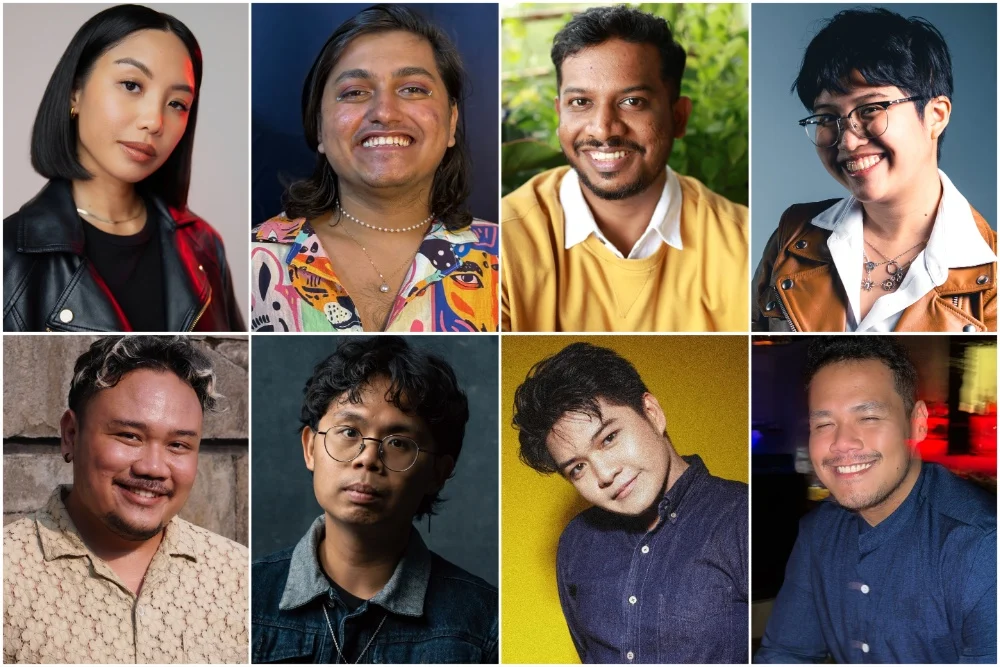
The QueerFrames Screenwriting Lab, a prominent training initiative dedicated to nurturing emerging queer, trans, and nonbinary filmmakers, has officially announced a major geographical expansion for its fourth annual edition. Initially established to support voices from South Asia, the lab is now broadening its reach to encompass Southeast Asia, effectively creating a pan-regional nexus for LGBTQ+ storytellers from India, the Philippines, Vietnam, Singapore, Indonesia, and the global diaspora. This strategic pivot marks a significant milestone for the organization, which has evolved from a niche professional development program into a vital regional infrastructure for queer cinema.
The 2026 cohort, a diverse group of eight filmmakers, will focus on refining eight fiction feature film projects. Each project is characterized by its intentional integration of queerness into the narrative core, moving beyond surface-level representation to explore complex themes of masculinity, intimacy, geopolitical identity, and personal freedom. The selected projects span a wide spectrum of genres, including psychological thrillers, horror, dramedy, and intimate romantic dramas, reflecting a shift in queer cinema toward mainstream genre-bending.
A History of Growth and Strategic Development
Launched in 2023, the QueerFrames Screenwriting Lab was conceived as a response to the systemic lack of professional development resources for queer filmmakers in regions where LGBTQ+ stories often face censorship, funding challenges, or limited industry distribution. Over the past three years, the lab has provided intensive mentorship to 22 filmmakers, creating a "pipeline" that takes projects from embryonic first drafts to market-ready scripts.
The program’s methodology combines traditional screenwriting craft development with specialized workshops that address the unique challenges of queer storytelling. By connecting writers with established producers, international film festival programmers, and seasoned industry leaders, QueerFrames aims to lower the barrier to entry for marginalized creators. This approach has proven successful, with alumni projects gaining traction in international film circuits and securing development deals that might have otherwise remained inaccessible.
The 2026 Roadmap: From Retreat to Global Market
The 2026 edition follows a rigorous, multi-stage structure designed to maximize the professional growth of its fellows. The program will commence with an in-person, intensive screenwriting retreat held in Hua Hin, Thailand, from September 23 to October 2. This retreat is designed to foster a sense of community and creative safety, allowing filmmakers to workshop their scripts in an immersive environment.
Following the retreat, the lab will host an "Industry Day" in Bangkok on October 3. This event is a critical component of the program’s goal to bridge the gap between creative development and market viability. Held in partnership with the French Embassy in Thailand, Alliance Française Bangkok, and the French Regional Audiovisual Cooperation, the event provides a platform for participants to pitch their projects to potential investors, distributors, and production partners. Following the physical components, the lab will continue through March 2027 with a series of virtual sessions, ensuring sustained support for the filmmakers as they finalize their drafts.
Institutional Backing and Collaborative Partnerships
The viability of the 2026 edition is supported by a robust network of institutional and corporate sponsors. Netflix has joined as a primary backer, signaling the growing interest of major streaming platforms in diverse, region-specific queer content. Additionally, the French Institute in India continues its long-term commitment to the initiative, joined by the Purin Film Fund in Thailand and Momo Film Co in Singapore.
This multi-national support reflects a growing international recognition of the importance of queer cinema in the global market. By providing financial and logistical resources, these organizations are helping to professionalize the independent sector in South and Southeast Asia. Mathieu Béjot, cultural attaché for film, audiovisual, and digital content at the French Institute in India, noted that the longevity of this partnership is a testament to the program’s success in integrating regional filmmakers into the broader international film ecosystem.
Mentorship and Pedagogical Excellence
A cornerstone of the QueerFrames Lab is its mentorship structure, which pairs fellows with some of the most respected voices in independent cinema. The 2026 mentorship roster includes Anup Poudel, whose work on the Oscar-contender "Elephants in the Fog" earned him significant acclaim, and Tricia Tuttle, the renowned director of the Berlinale. Other mentors include Filipino director Isabel Sandoval, Ratchapoom Boonbunchachoke, screenwriter Gazal Dhaliwal, and Tan Si En of Momo Film Co.
The pedagogical team is led by writers and directors Vishnu Sinha and Paromita Dhar, who return to refine the lab’s instructional framework. This combination of high-level industry expertise and academic rigor is intended to help filmmakers navigate the complexities of international co-productions and festival strategies.
Analyzing the 2026 Slate: Themes and Narratives
The projects selected for the 2026 cohort underscore a departure from traditional "coming out" narratives, focusing instead on the intersection of queerness with external social, political, and economic pressures.
- Geopolitical Intrigue: Alec Berame’s "Hisap Sebatang Before Ciao! (Each/Other)" examines the intersection of diplomacy and desire, following a Filipino diplomat who navigates a high-stakes geopolitical crisis while concealing a relationship with a Malaysian counterpart.
- Genre-Defying Thrillers: Minh-Anh Vo Dinh’s "Anglerfish" blends horror with social commentary, exploring the disintegration of a seaside vacation following a series of mysterious deaths.
- Socio-Economic Struggles: Megan Teo’s "Pack" depicts the desperate measures taken by a professional boxer who turns to underground fighting to fund her transition, while Rachel Leyco’s "Winning" uses the framework of a lottery win to examine the toxic patterns of inherited trauma and addiction.
- Intimacy and Identity: The slate also features character-driven dramas such as Saurav Mahind’s "Starvation," which explores the complexities of transactional intimacy; Sanju Kadu’s "Under Such a Sky," which tracks the breaking of a cycle of attraction toward straight men; Joshua Caesar Medroso’s "Lasto (Last Two)," which combines crime thriller elements with familial bonds; and Kurnia Alexander’s "Jatuh Cinta yang Lurus (A Straight Way to Love)," a poignant look at the challenges of returning to a hometown that was once a site of rejection.
The Broader Impact: Building Regional Infrastructure
The expansion of QueerFrames into Southeast Asia is not merely a logistical shift; it represents a broader trend of decentralized filmmaking. By creating hubs of expertise outside of major Western film centers, the lab is empowering creators to tell stories that are culturally specific yet globally resonant.
Rafiul Alom Rahman, the director of the QueerFrames Screenwriting Lab, emphasized that the goal is to create a sustainable infrastructure for queer cinema. "Our hope is to build not just stronger projects, but lasting connections and infrastructure that enable these filmmakers to thrive," Rahman stated. By fostering a community that crosses borders, the lab is mitigating the isolation often felt by queer filmmakers in regions where their stories are frequently marginalized.
The implications for the regional film industry are significant. As these projects move toward production, they promise to diversify the cinematic landscape of South and Southeast Asia. Furthermore, the emphasis on market-readiness suggests that QueerFrames is actively working to ensure that these stories find their way to domestic and international audiences, challenging the notion that queer cinema is a niche interest rather than a viable commercial and critical asset.
Conclusion
As the 2026 cohort prepares for its retreat in Hua Hin, the future of the QueerFrames Screenwriting Lab appears increasingly stable and influential. By bridging the gap between artistic vision and industrial reality, the program is setting a new standard for how independent, queer-focused labs can catalyze change. With the backing of major industry players and a clear, multi-year developmental roadmap, the lab is poised to continue its role as a vital incubator for the next generation of queer filmmakers, ensuring that stories previously left "out of the frame" finally find their place on the screen.






Leave a Reply