
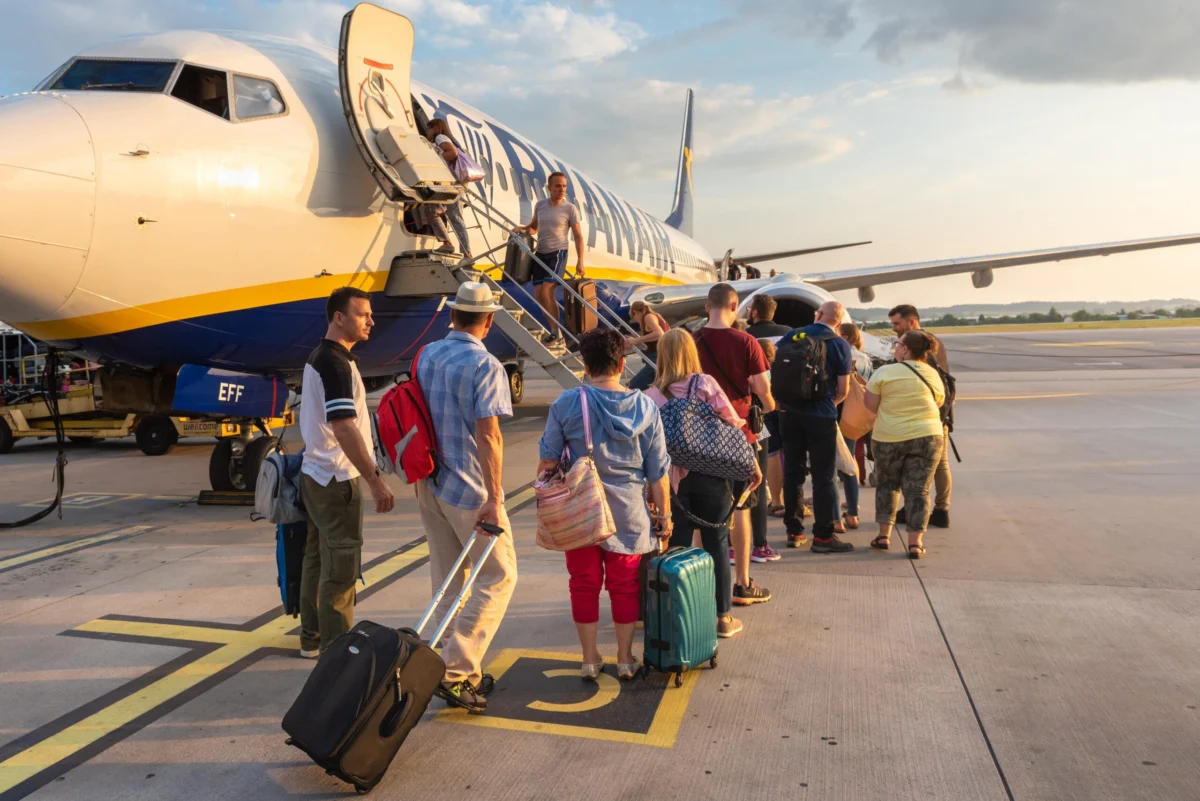
The Executive Director of the International Energy Agency (IEA), Fatih Birol, has issued a stark warning regarding the stability of Europe’s aviation sector, suggesting that the continent may have as little as six weeks of jet fuel reserves remaining. This assessment, delivered during an interview with the AP news agency in Paris, has ignited concerns of a systemic collapse in air travel, potentially mirroring the mass groundings witnessed during the onset of the COVID-19 pandemic in early 2020. The impending shortage is the direct result of a geopolitical stranglehold on one of the world’s most critical maritime corridors, the Strait of Hormuz, which has effectively severed the primary artery for fuel supplies moving from the Middle East to European markets.
According to Birol, the situation represents "the largest energy crisis we have ever faced," a statement that underscores the severity of the supply chain disruption. While European nations typically maintain strategic reserves for crude oil, the specialized nature of jet fuel—a highly refined product—makes it more susceptible to immediate supply shocks. The current crisis was precipitated on February 28, when Iranian authorities shuttered the Strait of Hormuz in a retaliatory move following joint military strikes by the United States and Israel against Iranian targets. The closure has halted the flow of tankers originating from Persian Gulf refineries, which serve as the cornerstone of Europe’s kerosene and jet fuel imports.
Geopolitical Context and the Closure of the Strait of Hormuz
The Strait of Hormuz is a narrow waterway between Oman and Iran, connecting the Persian Gulf with the Gulf of Oman and the Arabian Sea. It is arguably the world’s most important energy chokepoint, with roughly one-fifth of the world’s total oil consumption passing through it daily. For the European aviation industry, the reliance on this route is profound. Large-scale refineries in Saudi Arabia, the United Arab Emirates, and Qatar produce a significant portion of the jet fuel consumed by major European hubs like London Heathrow, Paris Charles de Gaulle, and Frankfurt.
The escalation began in late February when a series of kinetic engagements between Western forces and Iranian military assets led to the total closure of the Strait. Although a fragile two-week ceasefire was recently implemented, the maritime passage remains inaccessible to commercial shipping. Compounding the issue, the United States has reportedly enforced its own secondary blockade in the region to prevent unauthorized movements, creating a diplomatic and logistical stalemate with no immediate resolution in sight.
The Delayed Impact: Why the Crisis is Surfacing Now
The six-week countdown provided by the IEA highlights a delayed reaction in the fuel market. When the Strait was first closed in late February, Europe did not immediately feel the impact because of the "pipeline at sea." At any given time, dozens of Long Range (LR) and Medium Range (MR) tankers are in transit from the Middle East to Europe, a journey that can take several weeks depending on the route and the use of the Suez Canal.
For the past month, European airports and fuel depots have been sustained by these pre-existing shipments. However, as the last of the tankers that cleared the Strait prior to February 28 reach their destinations and offload their cargo, the replenishment cycle has been broken. There are no new vessels following behind them. This "void" in the supply chain is what has led to the current projections of a six-week exhaustion point.
Airline Responses and Operational Adjustments
The aviation industry has already begun to react to the dwindling supply. Scandinavian Airlines (SAS) was among the first to acknowledge the crisis, proactively canceling several flights to manage its fuel inventory. By reducing frequency now, the carrier hopes to extend its operational window for essential long-haul routes.
In the United Kingdom, British Airways has confirmed the cancellation and merging of various high-frequency short-haul flights. While the airline officially characterized these moves as "routine adjustments," industry analysts suggest they are tactical measures designed to consolidate passenger loads and minimize fuel burn per seat-kilometer.
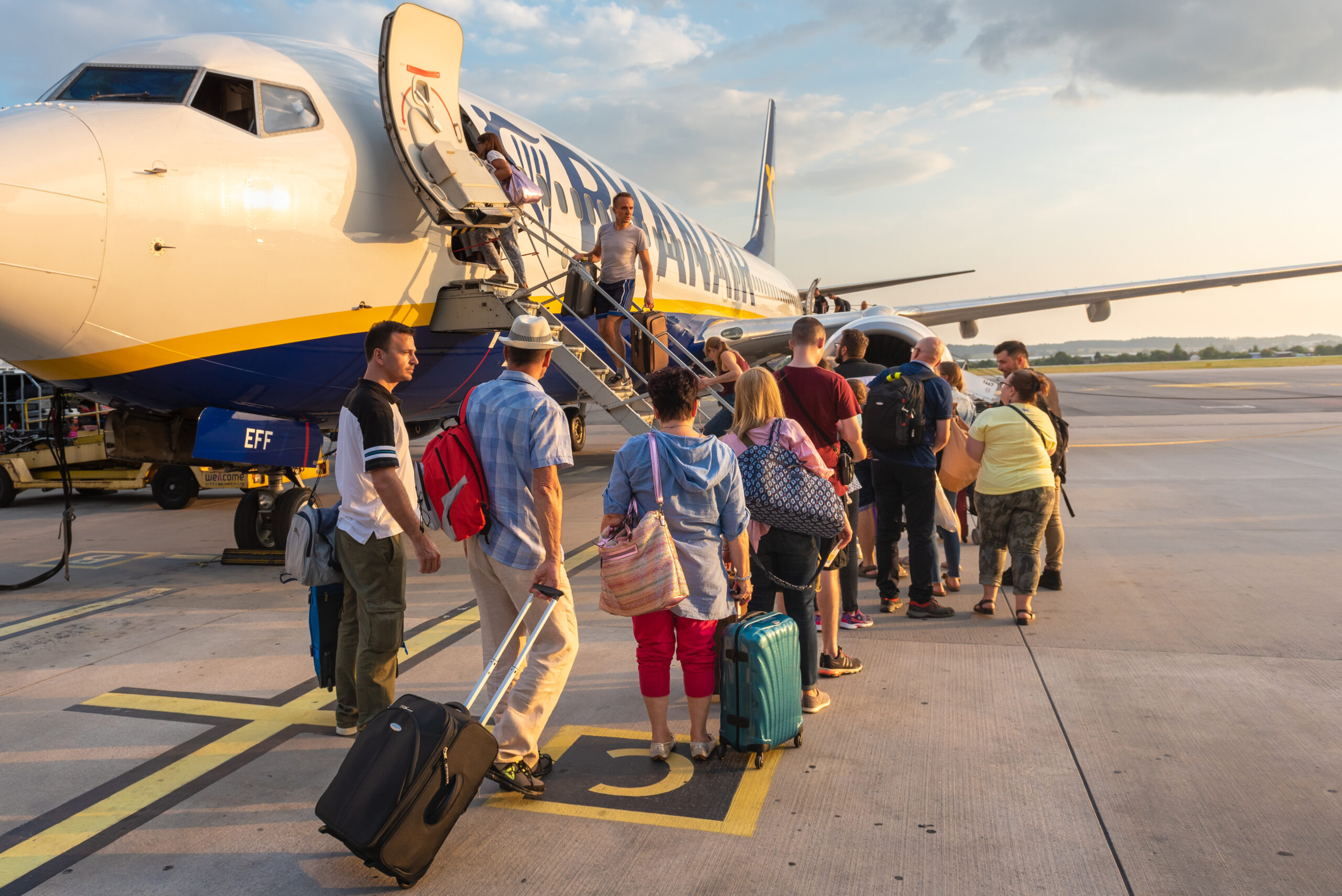
Low-cost giant Ryanair has been more vocal about the potential for summer chaos. The airline has warned that if the blockade persists into the peak travel months of June and July, mass cancellations will be unavoidable. This period is traditionally the most profitable for European carriers, and a disruption of this magnitude could have devastating financial consequences for an industry still recovering from the debt burdens of the pandemic era.
Technical and Infrastructure Challenges
Even if a diplomatic breakthrough were to occur tomorrow, the IEA warns that the recovery would not be instantaneous. Fatih Birol noted that it could take several months for fuel supplies to return to steady-state levels. The primary reason for this is the physical damage sustained by energy infrastructure within the Persian Gulf.
During the exchange of hostilities, Iranian missile and "kamikaze" drone attacks targeted several oil processing facilities and refineries. These facilities are highly complex environments that require specialized parts and engineering expertise to repair. Damage to catalytic cracking units or distillation towers cannot be fixed overnight. Consequently, even with the Strait open, the production capacity of the region may remain significantly hampered for the foreseeable future.
Furthermore, the global shipping industry would face a massive backlog. Re-routing tankers, securing insurance for high-risk zones, and coordinating the arrival of fuel at European ports would create a logistical bottleneck that could persist through the end of the year.
Broader Economic and Global Implications
The crisis is not confined to the European continent. The IEA has noted similar vulnerabilities in Asia and Australia. These regions also rely heavily on Middle Eastern refined products. In Australia, which has limited domestic refining capacity and maintains relatively low strategic fuel stocks, the government has been urged to seek alternative supply routes from Singapore and South Korea. However, as European buyers scramble to secure fuel from these same alternative markets, global competition for jet fuel is driving prices to record highs.
For the broader economy, the aviation fuel shortage threatens to trigger a "travel inflation" spike. As supply drops and costs rise, the price of airline tickets is expected to soar, potentially pricing out millions of travelers and impacting the global tourism industry. In Europe, where tourism accounts for a significant portion of the GDP in countries like Spain, Italy, and Greece, the prospect of a grounded summer season is a major economic concern.
Official Reactions and Legislative Measures
European lawmakers have attempted to project a sense of calm to the public, emphasizing that contingency plans are being developed. These plans include the potential diversion of fuel from other industrial sectors to aviation and the relaxation of "use-it-or-lose-it" slot rules at airports to allow airlines to cancel flights without losing their long-term landing rights.
However, the IEA’s assessment suggests that these measures may only provide marginal relief. The agency is calling for international cooperation to de-escalate the situation in the Middle East and prioritize the movement of energy supplies. "I can tell you soon we will hear the news that some of the flights from city A to city B might be canceled as a result of lack of jet fuel," Birol reiterated, emphasizing that the mathematical reality of fuel stocks is difficult to circumvent.
Summary of Key Chronology
- February 28: Iran closes the Strait of Hormuz following US-Israeli strikes, halting all outbound energy shipments from the Persian Gulf.
- Early March: European fuel levels remain stable as tankers already in transit continue to arrive at European ports.
- Mid-March: Hostilities continue; reports emerge of drone damage to Gulf refinery infrastructure.
- Late March: A two-week ceasefire is announced, but the Strait remains closed; the US implements a secondary blockade.
- April: IEA issues a formal warning that Europe has approximately six weeks of jet fuel remaining.
- Current Status: Airlines begin "routine" cancellations and mergers; Ryanair and SAS warn of significant summer disruption.
The coming weeks will be a critical period for European diplomacy and energy security. If the Strait of Hormuz remains impassable beyond the six-week window identified by the IEA, the aviation industry may face its most significant challenge since the 1973 oil embargo. For now, travelers are advised to monitor flight statuses closely as the industry braces for a period of unprecedented turbulence.









Leave a Reply