
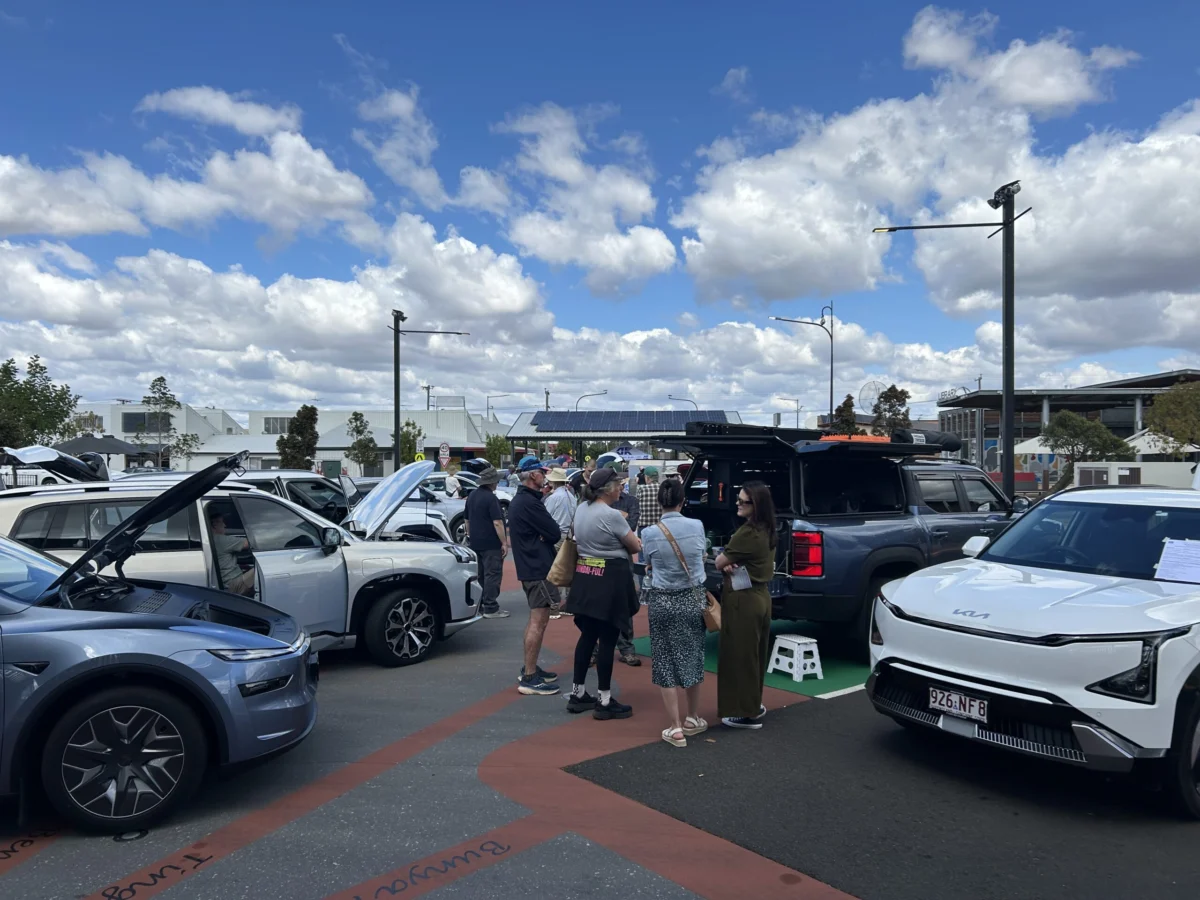
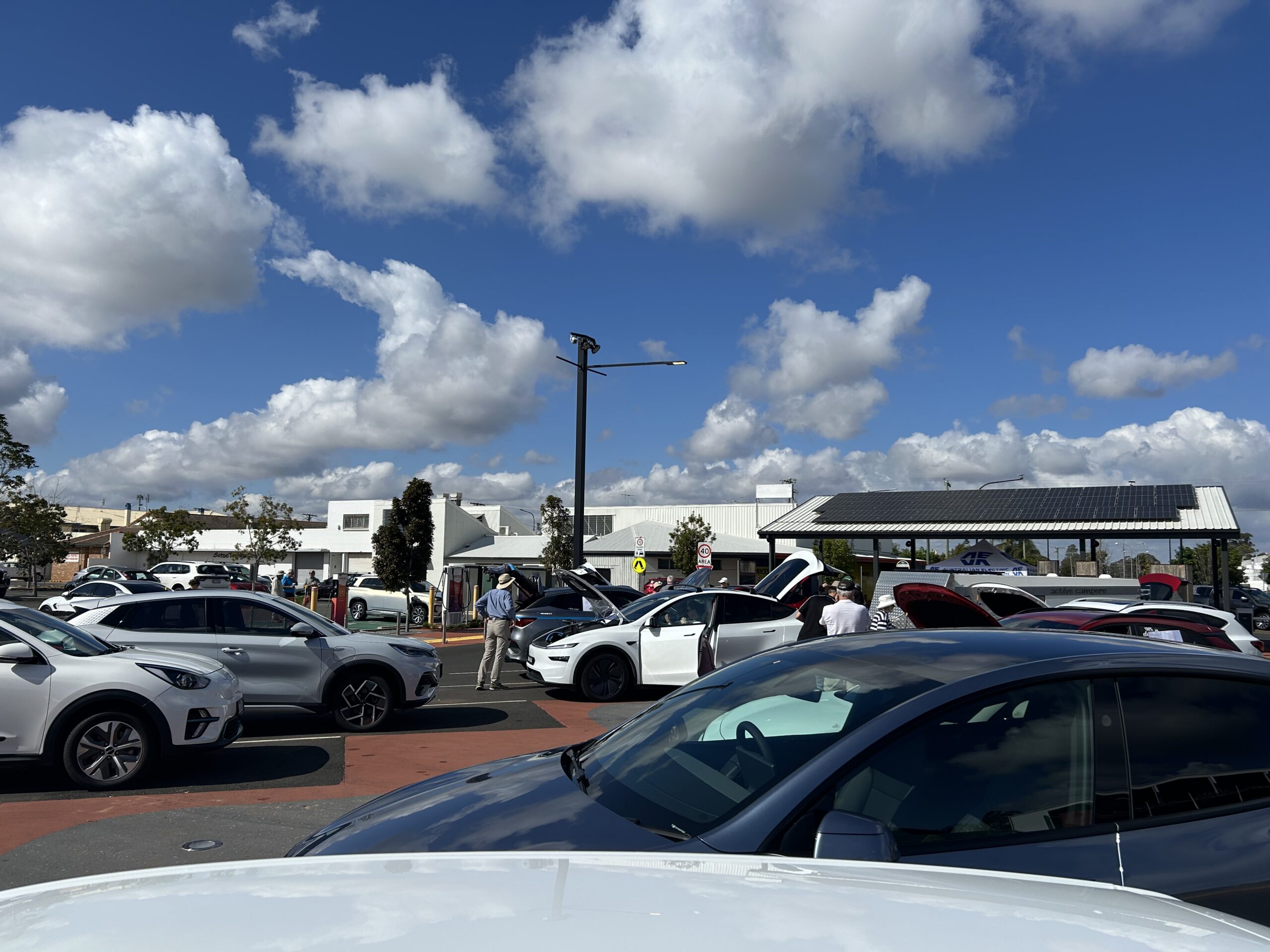
This disparity was brought into sharp focus during a recent event in Kingaroy, Queensland. Located 218 kilometers northwest of Brisbane, Kingaroy serves as a vital gateway for the South Burnett region. Situated at the junction of the D’Aguilar and Bunya Highways, the town acts as a nexus for travelers navigating the scenic mountains, national parks, and boutique wineries that define the area. Despite its status as a popular tourist stop—and its unique reputation as the "peanut capital of Australia"—Kingaroy recently grappled with a significant infrastructure failure: its primary high-speed EV charger remained inoperable for months, effectively discouraging EV-driving tourists from including the town in their itineraries.
The Chronology of a Regional Infrastructure Challenge
The situation in Kingaroy serves as a microcosm for the challenges facing regional councils across Australia. In the months leading up to a recent Australian Electric Vehicle Association (AEVA) Queensland meet-and-greet, the town’s only high-speed charging facility had fallen into disrepair. This prompted the South Burnett Sustainable Future Network (SBSFN) to raise concerns regarding the impact on local commerce.
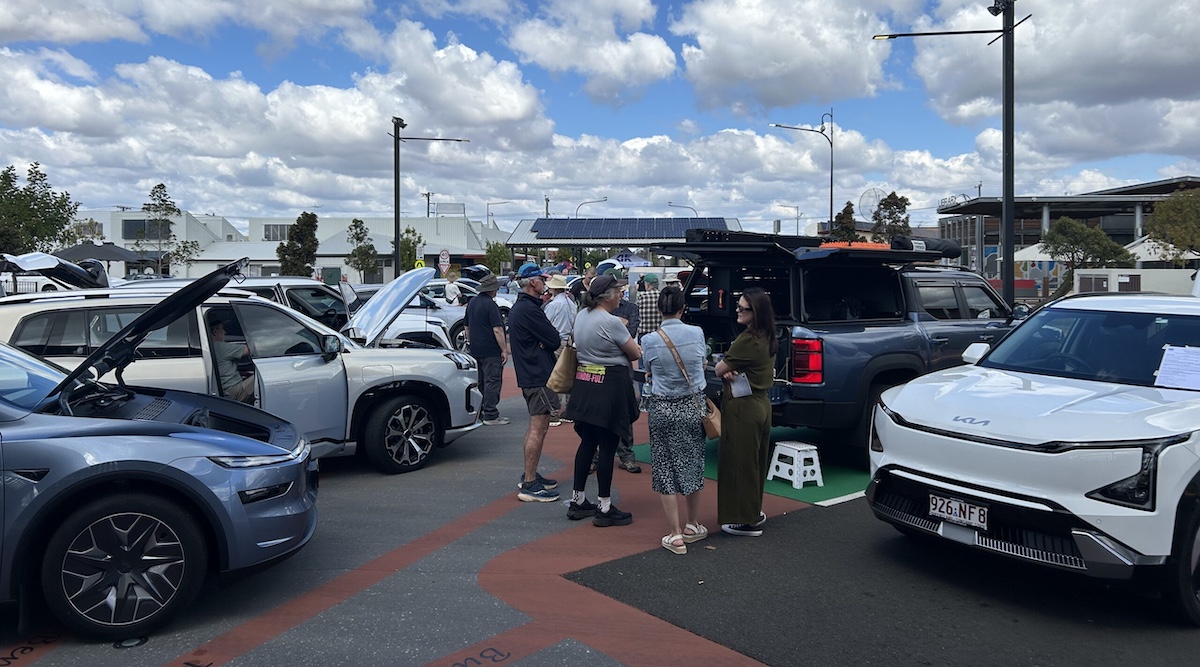
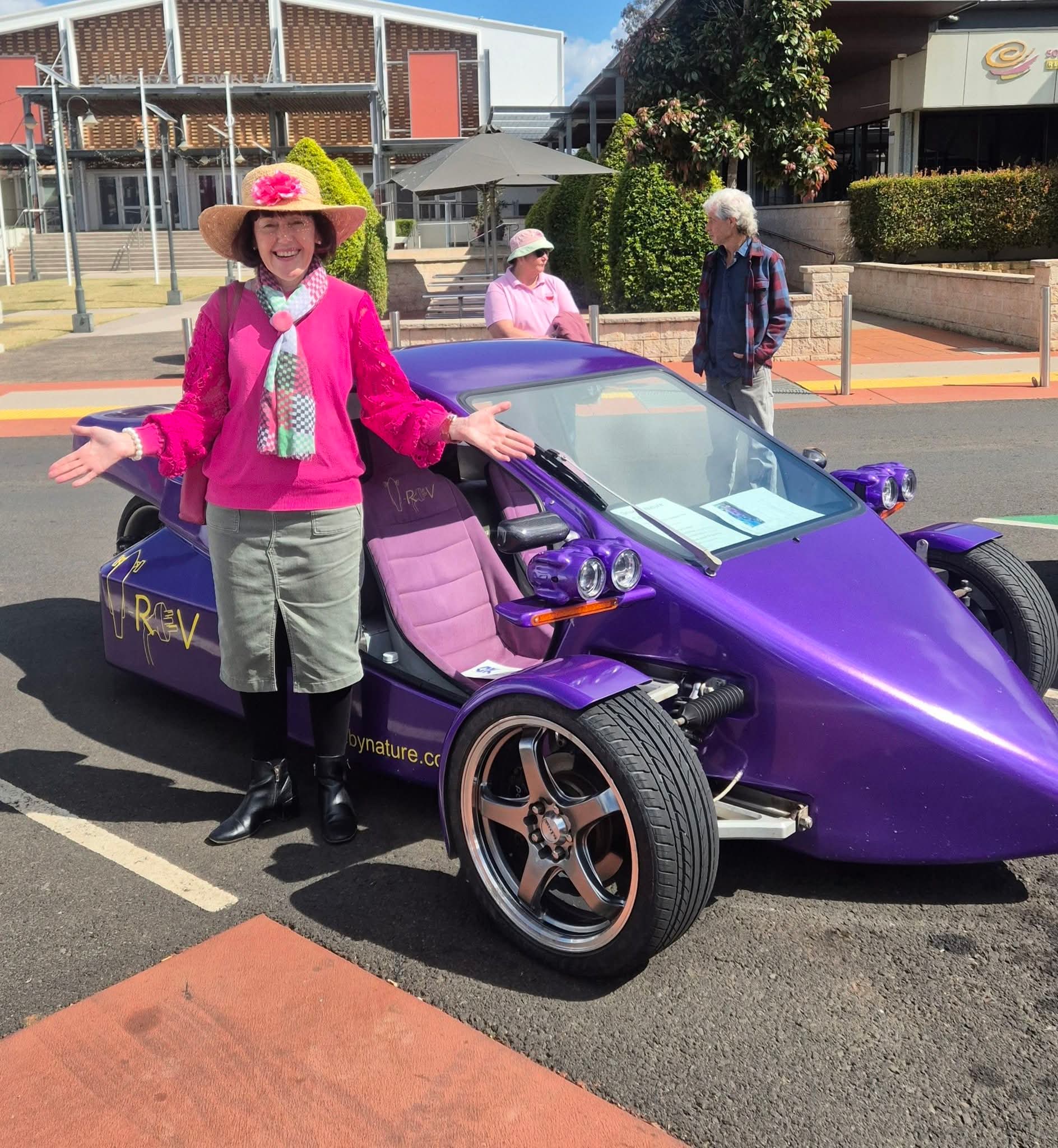
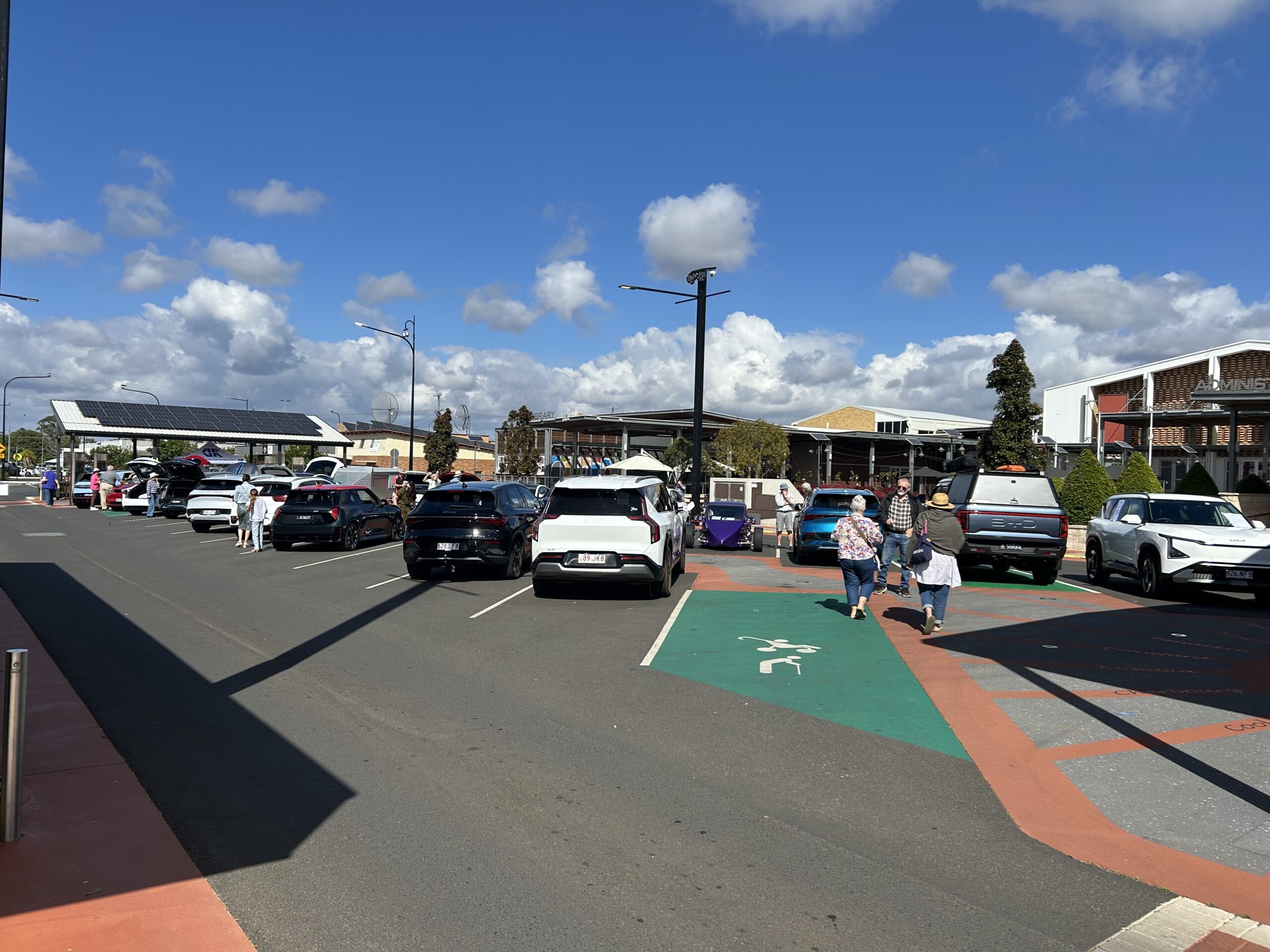
The timeline of the restoration was critical to the success of the recent EV gathering. After sustained pressure from local advocates and the engagement of regional stakeholders, the charger was finally returned to operational status just days before the event. The successful repair allowed for the hosting of a demonstration, which saw over 20 electric vehicles converge on the town. Attendees traveled from as far as Mackay, Gympie, the Sunshine Coast, and Toowoomba, turning a technical challenge into a public awareness campaign regarding the necessity of reliable infrastructure.
The Economic Case for Regional Charging
The economic implications of this charging gap are significant. As EV adoption rates climb, tourist behavior is shifting. Modern travelers increasingly plan their routes based on the availability of reliable, high-speed charging stations. A town that lacks such infrastructure risks being bypassed entirely by an affluent and growing segment of the tourism market.
Mayor Kathy Duff of the South Burnett region has recognized this shift, noting that the presence of high-speed chargers is a direct investment in the local economy. "EV chargers are a benefit to our region as they encourage more travelers and tourism to the South Burnett," Mayor Duff stated during the AEVA event. Her perspective highlights a growing consensus among regional leaders: in the 21st century, energy infrastructure is as essential to tourism as traditional amenities like fuel stations, cafes, and accommodation.
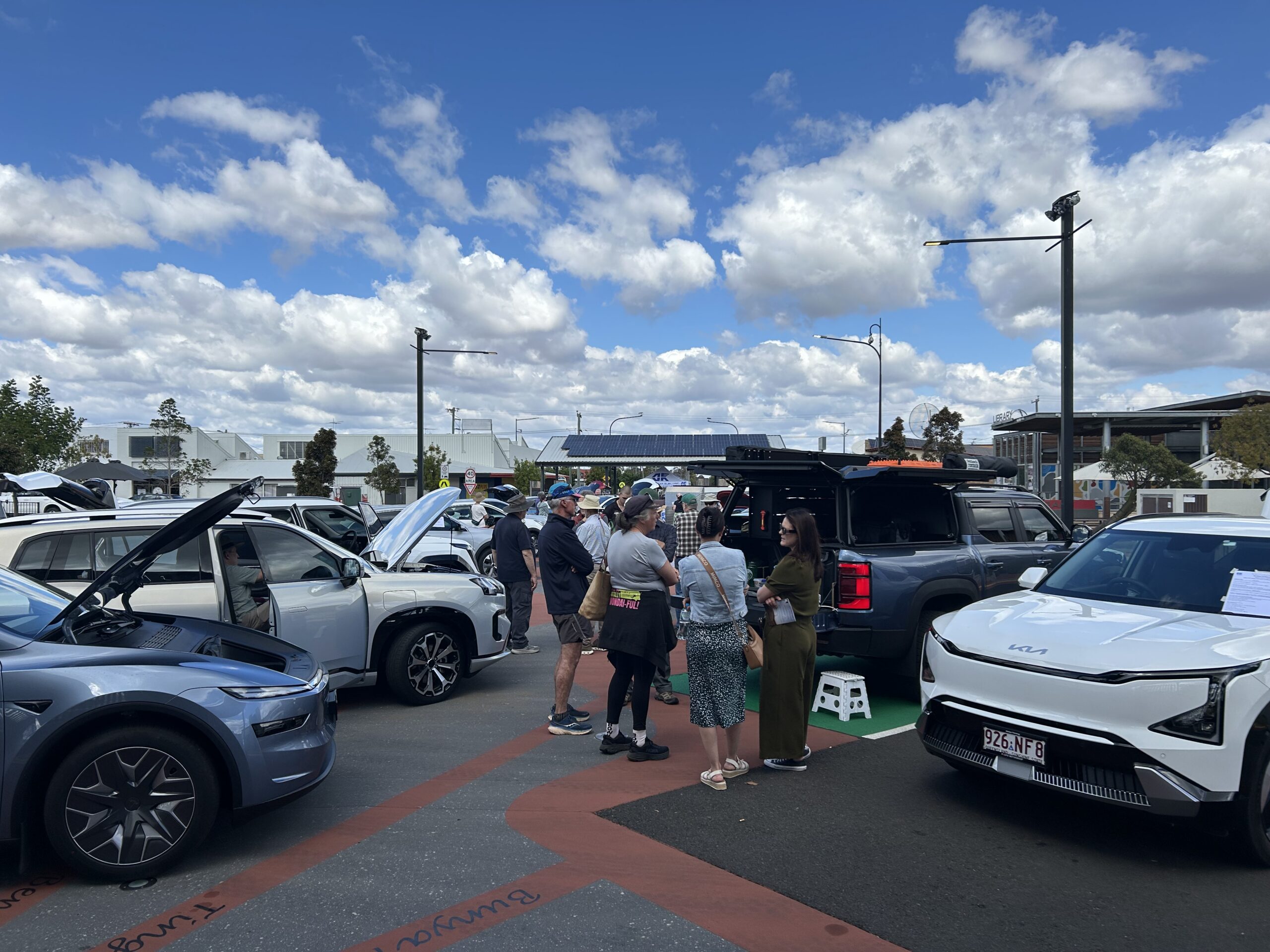
However, the transition is not without its complexities. During discussions with the Mayor, the reality of current infrastructure limitations was laid bare. Mayor Duff noted that, due to the high volume of travel required by her position—often exceeding 1,200 kilometers per week across remote regions—a hybrid vehicle currently provides a more pragmatic solution than a fully electric model. This candid admission serves as a data-driven indictment of the existing gaps in the national charging network. If public officials whose duties involve traversing regional areas cannot rely on an EV, the average tourist is unlikely to consider one for long-distance travel through the interior.
Data-Driven Trends: The Surge in Regional Adoption
The necessity for expanded charging networks is bolstered by recent statistics from the Royal Automobile Club of Queensland (RACQ). Despite the perception that EV adoption is primarily an inner-city phenomenon, data indicates that regional Queensland is outpacing the capital in growth. Between June 2025 and June 2026, the Western Downs region recorded a 97.8% increase in EV ownership, followed by Gladstone at 95.6% and the Somerset region at 87.2%. By comparison, Brisbane’s registration growth sat at 43.4%.
These figures confirm that the demand for charging infrastructure is not merely a "tourist" issue but a domestic one. Local residents in regional postcodes are adopting electric mobility at record rates, yet the infrastructure is struggling to keep pace. Dr. Michael Kane, Executive Manager of Public Policy at RACQ, has emphasized that this growth necessitates a strategic rollout of public charging hubs to "future-proof" road tourism and local connectivity.
Overcoming Barriers: The Path Forward
The path to a comprehensive regional network requires a departure from current, fragmented approaches. Historically, the burden of installation and maintenance has fallen either on local businesses or small-scale council initiatives. This model is often insufficient for the high capital costs associated with ultra-fast charging technology.
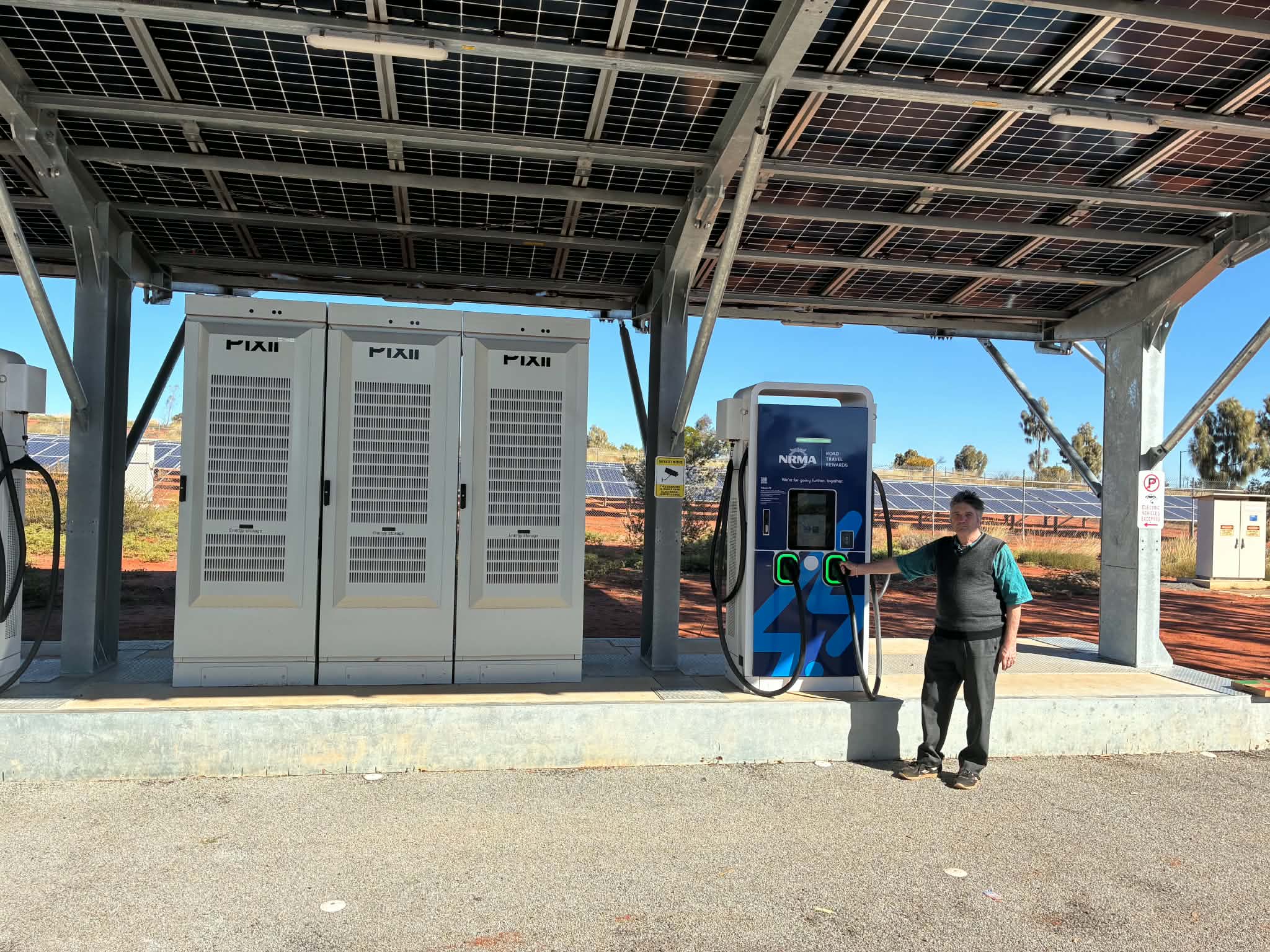
A more sustainable model, according to industry experts, involves a multi-stakeholder approach. Shared funding models that aggregate capital from private enterprise, local government, and state/federal grants have shown success in other parts of Australia. The presence of high-speed charging at Uluru—in the heart of the Australian Red Centre—proves that even the most remote locations can be equipped to support the transition. If such technology can be sustained in one of the most isolated tourism hubs on the planet, it is logically feasible to install similar units in established agricultural and tourism towns like Kingaroy.
Societal Perception and the "FUD" Factor
The Kingaroy event also served as a barometer for public sentiment regarding the energy transition. While the event organizers reported significant public interest and productive conversations with locals, they also encountered the lingering effects of misinformation—often referred to as Fear, Uncertainty, and Doubt (FUD).

One isolated incident during the event involved a passing motorist directing verbal abuse toward the participants. Such incidents are rare but illustrative of the cultural friction that can accompany rapid technological change. However, the prevailing sentiment was overwhelmingly positive. Most attendees noted that members of the public were curious, inquisitive, and eager to learn about the practicalities of charging, range, and the benefits of electric mobility. The presence of diverse vehicles—from Tesla and BYD Atto 3 models to Hyundai and Kia variants—demonstrated that the electric transition is no longer a niche hobby but a mainstream reality.
Implications for the Future of Regional Tourism
The future of regional Australia is inextricably linked to its ability to adapt to the changing energy landscape. As the national fleet continues to electrify, the "tourist dividend" will increasingly be captured by towns that provide seamless, reliable, and fast-charging experiences.
The maintenance of these assets is perhaps the most critical hurdle. A charger that is perpetually out of service is not just an inconvenience; it is a reputational risk that can steer travelers toward competing destinations. To avoid this, regional councils must treat charging infrastructure with the same level of priority as water, sewage, and telecommunications.
The successful mobilization of the South Burnett community during the Kingaroy event demonstrates that there is a strong foundation for this transition. With continued advocacy, data-informed policy, and a commitment to public-private investment, regional towns can move past the current infrastructure bottleneck. As the data suggests, the growth in EV ownership in these regions is inevitable; the question remains whether the infrastructure will be ready to meet the demand. By bridging the gap between urban centers and regional heartlands, Australia has the potential to create a cohesive, electric, and economically vibrant tourism network that honors both the history of its rural towns and the promise of a sustainable future.







Leave a Reply