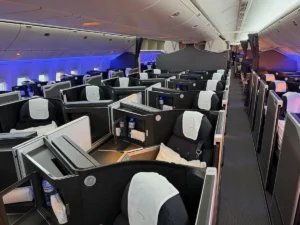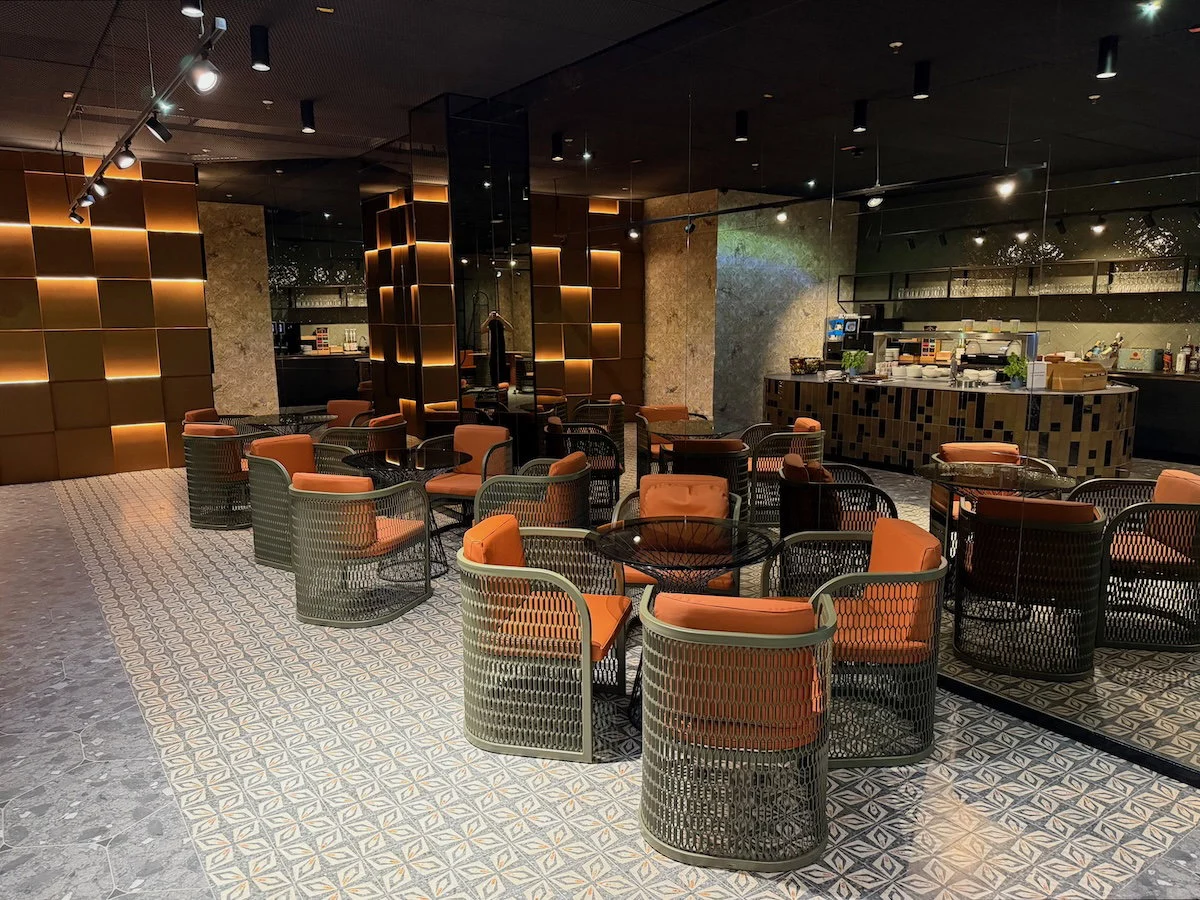
The landscape of global commercial aviation has undergone a profound transformation over the past decade, driven heavily by the commoditization of airport lounge access. At the epicenter of this shift is Priority Pass, widely recognized as the world’s largest independent network of airport lounges and travel experiences. As airlines increasingly protect their proprietary club networks—such as American Airlines Admirals Clubs, Delta Sky Clubs, and United Clubs—independent brokers like Priority Pass have filled a massive void for frequent flyers. However, with overcrowding becoming a persistent issue and varying standards across international hubs, travelers are increasingly scrutinizing the actual worth of a membership. Assessing whether Priority Pass delivers genuine value requires examining its business model, acquisition channels, pricing structures, and overall utility compared to airline-specific and proprietary credit card lounge ecosystems.
Anatomy of the Priority Pass Business Model
Priority Pass operates fundamentally as a lounge access broker rather than an operator of physical real estate. Founded decades ago to bridge the gap between independent lounge operators and travelers without high-tier airline status, the network currently encompasses over 1,900 airport lounges and experiential partners worldwide. The operational structure relies on a B2B and B2C hybrid: the company sells memberships directly to consumers or partners with financial institutions, and subsequently reimburses individual participating lounges a predetermined flat fee every time a member scans their digital or physical membership card.
Because domestic legacy carriers in the United States view lounge access as a critical loyalty driver and a tool to encourage elite status acquisition, none of their proprietary hubs participate in the Priority Pass network. Consequently, Priority Pass coverage is heavily concentrated in international destinations, independent domestic spaces, or partnerships with non-aligned carriers. This structural limitation means that members traveling domestically within the United States often encounter a starkly different availability profile compared to those traversing Europe, Asia, or the Middle East. Furthermore, participating lounges receive fixed compensation per visit regardless of service quality, which creates minimal financial incentive for operators to invest significantly above baseline operational thresholds.

Direct Membership Tiers and Financial Break-Even Analysis
For consumers purchasing access directly, Priority Pass structures its offerings into three distinct tiers designed to accommodate varying frequencies of travel. The Standard membership carries a modest annual fee of $99, but requires an additional $35 out-of-pocket fee for every lounge visit, alongside a $35 charge for any accompanying guest. This tier is mathematically optimized for infrequent travelers who utilize a lounge only once or twice a year and prefer a low upfront financial commitment.
The middle tier, known as Standard Plus, costs $329 annually and includes the first ten lounge visits at no additional charge, with subsequent visits billed at the standard $35 per-visit rate. Finally, the Prestige tier commands an annual fee of $469 and grants unlimited complimentary lounge visits throughout the membership year, though guest visits remain subject to the $35 fee.
When evaluating these tiers against individual travel patterns, financial experts note that the break-even point shifts dramatically based on volume. For travelers visiting lounges up to six times annually, the Standard membership frequently minimizes total expenditure. Between seven and thirteen visits per year, the Standard Plus tier generally provides the optimal financial balance. Only for high-frequency travelers exceeding fourteen annual visits does the Prestige membership emerge as the most cost-effective direct purchase option. Nevertheless, paying retail prices for these tiers is rarely recommended by industry analysts when a far more lucrative alternative exists within the credit card market.
The Credit Card Arbitrage and Premium Ecosystem
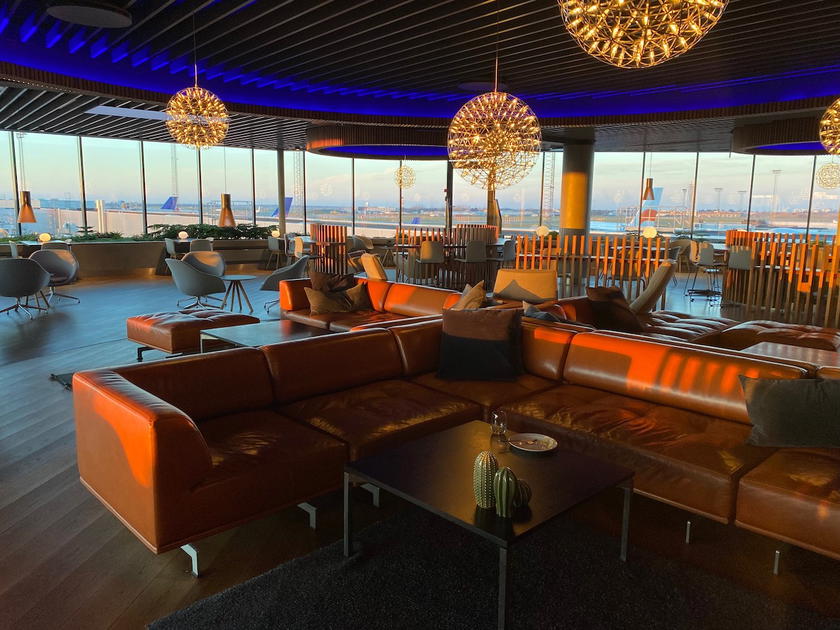
The most efficient and economically advantageous method for acquiring a Priority Pass membership is through premium travel credit cards. Major financial institutions—including American Express, Capital One, Chase, and Citi—bundle unlimited Priority Pass Select memberships as core perks of their flagship travel rewards cards. Notable examples encompass the American Express Platinum Card, the Capital One Venture X Rewards Credit Card, and the Chase Sapphire Reserve.
This credit card integration has fundamentally altered consumer behavior. For an annual fee often comparable to or lower than the standalone Prestige membership, cardholders frequently receive a suite of offsetting benefits, such as annual travel statement credits, TSA PreCheck or Global Entry application fee reimbursements, and comprehensive travel insurance protections. For instance, the Capital One Venture X carries an annual fee of $395 while delivering an annual $300 travel credit and 10,000 anniversary bonus miles, effectively rendering the bundled Priority Pass membership financially neutral or even profitable for the active traveler.
Despite these advantages, users must navigate a notable restriction regarding credit card-affiliated memberships: most major card issuers—specifically Amex, Capital One, Chase, and Citi—have stripped out restaurant, bar, and spa credits from their Priority Pass terms. While cardholders retain access to traditional airport lounges, they can no longer utilize their digital cards for dining credits at participating terminal restaurants, a feature still available on some legacy direct memberships and co-branded cards.
Quality Disparities and Global Regional Trends
Because Priority Pass aggregates independent lounges rather than enforcing uniform global standards, the quality of amenities varies drastically. Industry reviews consistently demonstrate a correlation between geography and lounge quality. Priority Pass locations situated within the United States are frequently criticized for severe overcrowding, long waiting lines, and limited culinary offerings—often consisting of basic pre-packaged snacks, soups, and automated beverage dispensers.
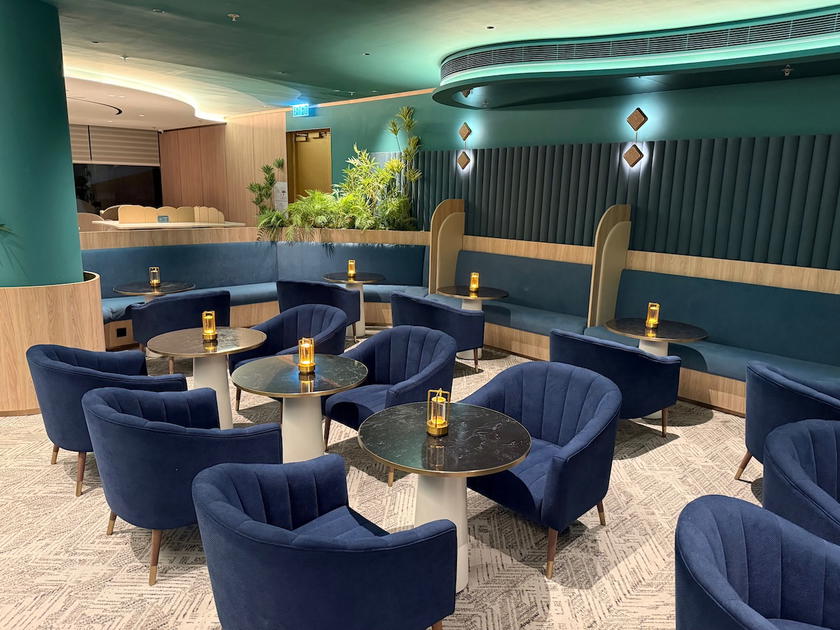
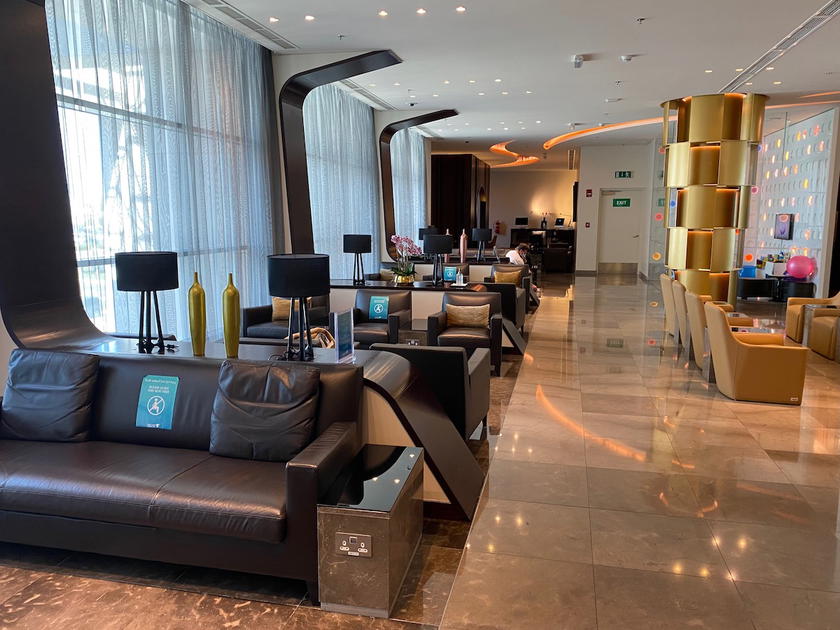
Conversely, international hubs outside the United States tend to offer superior experiences. Lounges in regions such as the Middle East, Southeast Asia, and parts of Europe frequently feature extensive hot buffet stations, dedicated bar service, comfortable seating arrangements, and shower facilities. Passengers departing from global financial centers often find the Priority Pass network to be an invaluable asset, whereas domestic U.S. travelers may encounter starkly diminished returns during peak bank hours.
The Rise of Proprietary Bank Lounge Networks
To counter the overcrowding issues plaguing traditional third-party networks, major financial institutions have aggressively invested in developing their own proprietary lounge ecosystems. Programs such as American Express Centurion Lounges, Capital One Lounges, and the expanding network of Chase Sapphire Lounges have established a new benchmark for airport hospitality. These proprietary spaces generally feature bespoke dining curated by renowned chefs, premium cocktail bars, wellness rooms, and distinct architectural designs tailored specifically to high-net-worth cardholders.
Consequently, frequent travelers who hold premium credit cards often prioritize proprietary bank lounges over standard Priority Pass locations when both are available at a given airport. Priority Pass thus serves primarily as a robust safety net—essential for secondary airports and international layovers where proprietary bank lounges or airline alliances do not maintain a physical presence.
Valuation, Overcrowding, and Future Outlook
Determining the precise monetary value of a Priority Pass membership remains subjective, hinging entirely on an individual’s flight frequency, route network, and alternative access options. Independent travel analysts estimate that for an active flyer without elite airline status, an unlimited membership holds an intrinsic value between $200 and $300 annually. Paying the full retail price of $469 in cash requires careful calculation, particularly given that the proliferation of credit card-bundled memberships has contributed to widespread terminal congestion and capacity restrictions during peak travel seasons.
Ultimately, Priority Pass remains an indispensable tool in the modern traveler’s portfolio, provided it is acquired strategically through premium financial products rather than direct retail purchase. As airports continue to experience record passenger volumes, the long-term sustainability of the independent lounge model will depend heavily on capacity management and how effectively network operators can maintain service quality amidst soaring demand.