
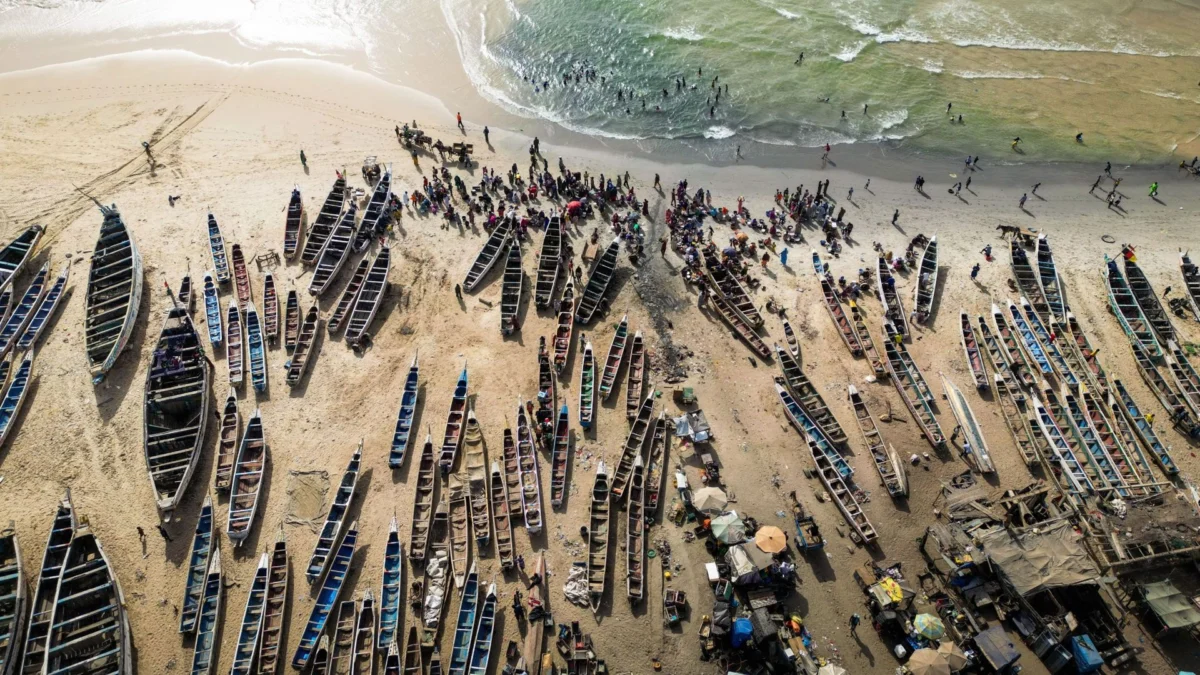
The global fishing industry stands at a precarious crossroads, besieged by a convergence of unprecedented challenges that threaten the stability of marine ecosystems and the food security of billions. Amid record levels of production and consumption, the world’s oceans face a relentless onslaught of overfishing, pervasive illegal, unreported, and unregulated (IUU) fishing, and the compounding pressures of global climate change. It is against this turbulent backdrop that acclaimed journalist and author Rose George has turned her investigative lens toward the aquatic world in her upcoming book, Every Last Fish: A Deep Dive into the World of Fishes and Fishing, scheduled for publication by Granta Books in 2025.
Drawing on a distinguished career of covering opaque global industries—most notably her award-winning 2013 exploration of global maritime trade, Deep Sea and Foreign Going: Inside Shipping, the Invisible Industry that Brings You 90% of Everything—George’s new work aims to bring much-needed visibility to an economic sector that operates largely out of sight, yet exerts a profound impact on the health of the planet.
The Triple Threat: Overfishing, IUU Operations, and Climate Change
To understand the urgency behind George’s investigation, one must examine the multifaceted crisis currently gripping marine environments. According to the Food and Agriculture Organization (FAO) of the United Nations, global aquatic animal production reached an all-time high of over 180 million tonnes in recent years. While aquaculture accounts for a rapidly growing share of this total, capture fisheries remain under intense pressure to meet surging global demand.
This high demand has exacerbated the chronic problem of overfishing. Scientific assessments indicate that more than a third of global fish stocks are currently fished at biologically unsustainable levels, a dramatic escalation from just 10% in the mid-1970s. When stocks are depleted beyond their capacity to reproduce, entire marine food webs risk collapse, impacting not only apex predators and commercial species but also coastal communities that rely on artisanal fishing for their primary source of protein and income.
Compounding the issue of overfishing is the persistent shadow of illegal, unreported, and unregulated (IUU) fishing. Operating in the vast, poorly policed expanses of the open ocean, rogue vessels routinely bypass national quotas, employ destructive gear, and violate labor laws. IUU fishing accounts for an estimated 11 to 26 million tonnes of fish catch annually, representing billions of dollars in illicit revenue. These operations disrupt sustainable management frameworks and severely undermine conservation efforts, leaving legitimate fisheries at a competitive disadvantage.
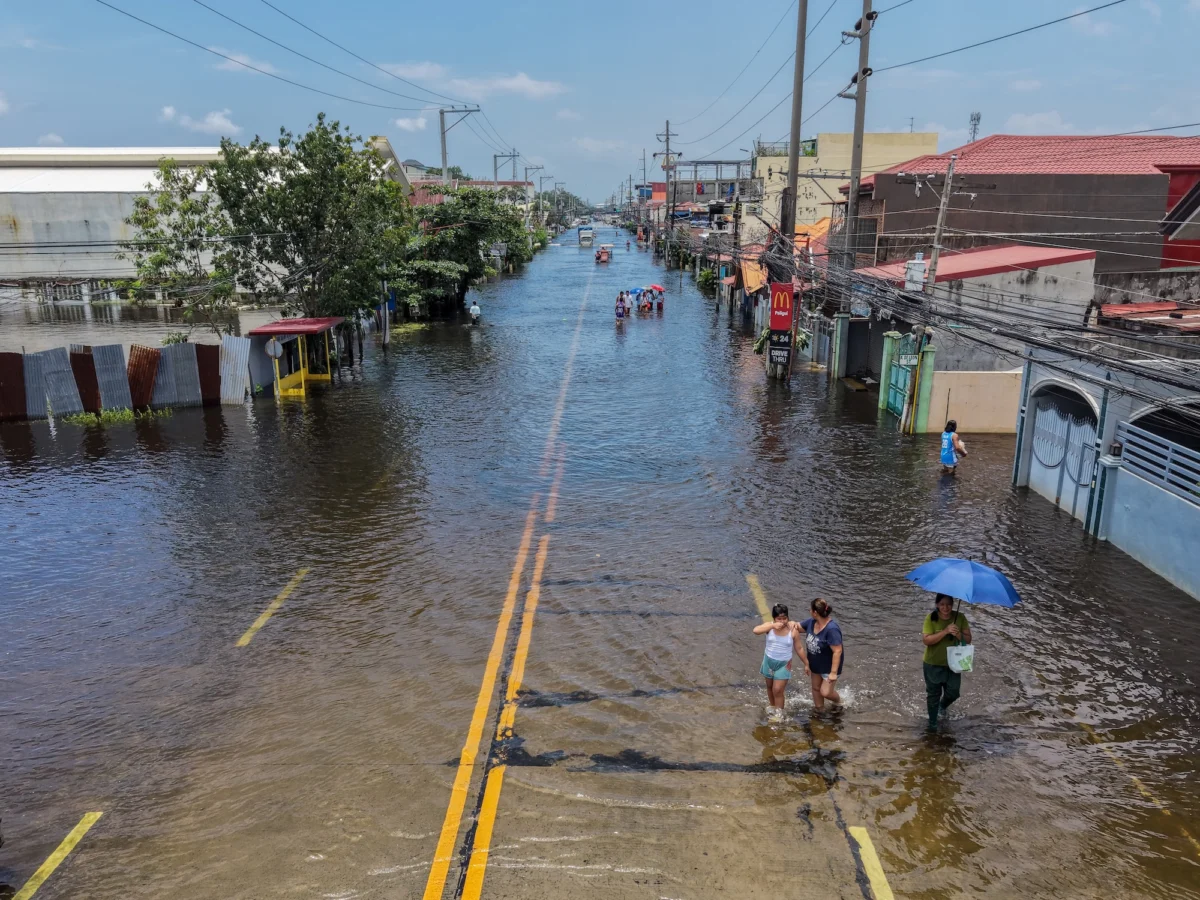
At the same time, anthropogenic climate change is fundamentally altering the physical and chemical properties of the world’s oceans. Rising sea surface temperatures are forcing marine populations to migrate toward the poles or into deeper, cooler waters in search of suitable habitats. This geographic shift frequently crosses international maritime boundaries, triggering diplomatic disputes over fishing rights and quota allocations. Furthermore, warmer waters and ocean acidification are impacting marine physiology, with recent scientific studies noting a concerning trend toward shrinking fish body sizes, which could further reduce future catches and disrupt marine productivity.
A Legacy of Investigating Invisible Industries
Rose George’s transition from maritime shipping to the commercial fishing industry represents a logical continuation of her journalistic mission: illuminating the vital, yet largely invisible, industrial networks that sustain modern global society.
In Deep Sea and Foreign Going, George spent weeks aboard a container ship to document the realities of the maritime shipping industry—a sector that transports roughly 90% of global trade but remains largely ignored by the general public until supply chain disruptions or environmental disasters occur. That investigative journey fostered a deep familiarity with the governance of international waters, the vulnerabilities of maritime chokepoints, and the environmental externalities of heavy industry on the high seas.
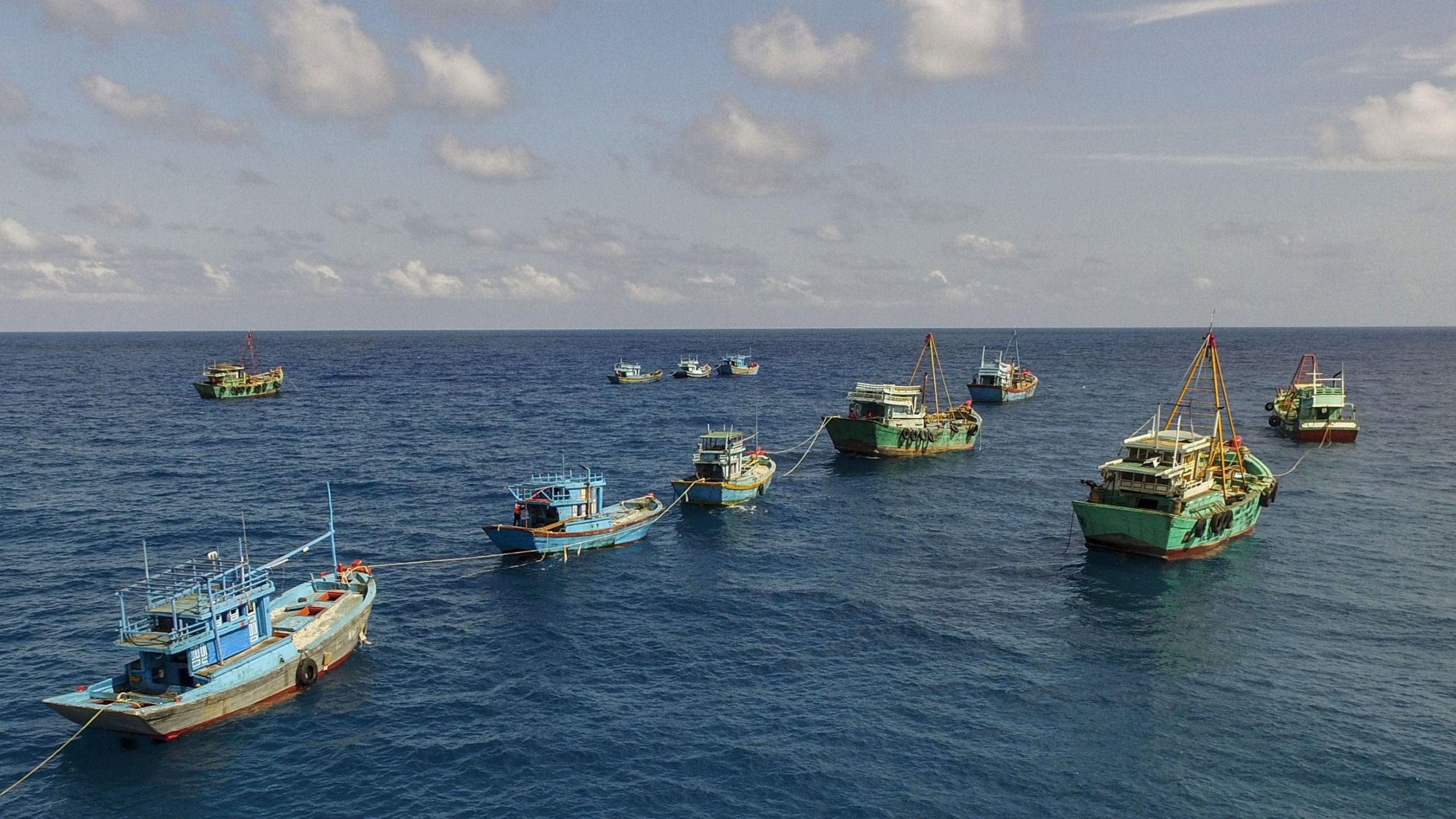
Her investigative curiosity naturally extended to the vessels casting nets into those same waters. While shipping moves the cargo of globalization, the fishing industry extracts its wild biomass. In Every Last Fish, George explores the human, ecological, and economic dimensions of this extraction, examining how modern technology has transformed fishing from a localized livelihood into a highly industrialized, global enterprise capable of stripping marine environments bare.
Chronology of Modern Fisheries Management and Crisis
The plight of modern fisheries is the product of decades of technological acceleration and delayed regulatory adaptation. Tracing the trajectory of the industry reveals how commercial fishing evolved into its current state of crisis:
- The Post-WWII Industrialization (1950s–1970s): Government subsidies and rapid technological advancements—including factory freezer trawlers, synthetic nets, and advanced sonar—enabled fleets to dramatically increase their catch capacity and range, leading to the initial depletion of traditional coastal stocks.
- The Collapse of the Northwest Atlantic Cod (1992): The Canadian government declared an indefinite moratorium on the northern cod fishery off the coast of Newfoundland, displacing some 30,000 workers. This watershed moment provided empirical proof that even seemingly inexhaustible marine populations could collapse under the weight of industrial overexploitation.
- The Rise of Global Regulatory Frameworks (1995–2000s): International bodies increasingly recognized the need for formalized oversight, leading to milestones such as the UN Fish Stocks Agreement. However, enforcement mechanisms on the high seas remained weak, leaving ample loopholes for illicit operators.
- The Transparency Revolution (2010s–Present): Initiatives like Global Fishing Watch emerged, utilizing satellite tracking, machine learning, and public data sharing to monitor vessel movements in near-real-time. Despite these technological leaps, IUU fishing and opaque supply chains continue to evade total accountability.
- The Climate-Driven Shift (2020s): Rapid warming of marine ecosystems forced governments and scientists to confront the reality that historical catch data is no longer a reliable predictor of future fish distribution, necessitating dynamic, cross-border management strategies.
Perspectives from Conservationists and Industry Experts
Environmental advocates and marine scientists have consistently urged for more stringent management policies, emphasizing that the survival of the industry depends entirely on ecological preservation.
Conservation organizations frequently point out that subsidies provided by governments to fuel large-scale industrial fleets often exceed tens of billions of dollars annually, effectively paying for the overexploitation of dwindling fish stocks. Reformers argue that redirecting these funds toward sustainable management, marine protected areas (MPAs), and support for small-scale coastal fishers could help reverse decades of degradation.
Conversely, representatives of commercial fishing sectors often highlight the economic pressures they face, including rising fuel costs, tightening regulatory quotas, and complex compliance burdens. Many legitimate fishers argue that blanket critiques fail to distinguish between responsible operators who adhere to strict quota systems and illicit actors who flout international law. Industry stakeholders increasingly emphasize the adoption of certification standards—such as those from the Marine Stewardship Council (MSC)—as a pathway to prove sustainability to increasingly discerning consumers.
Broader Implications and Future Outlook
The publication of Every Last Fish arrives at a critical juncture for global policymakers, environmentalists, and consumers alike. As international bodies deliberate over high-seas treaties and binding agreements to curb plastic pollution and overexploitation, public awareness remains a vital catalyst for systemic change.
The implications of failing to address the current crisis extend far beyond the economic loss of a commercial commodity. Marine ecosystems play a fundamental role in global climate regulation, acting as massive carbon sinks and supporting complex webs of biodiversity that sustain planetary health. When those systems are degraded, the repercussions are felt globally.
By lifting the veil on the complex realities of commercial fishing, George’s work challenges readers to confront uncomfortable truths about what lies on their plates and the heavy toll exacted to bring it there. Whether the insights provided in Every Last Fish will spur stronger political will and consumer demand for radical transparency remains to be seen, but the narrative underscores an undeniable truth: the era of treating the ocean as an infinite resource has definitively come to an end.








Leave a Reply