
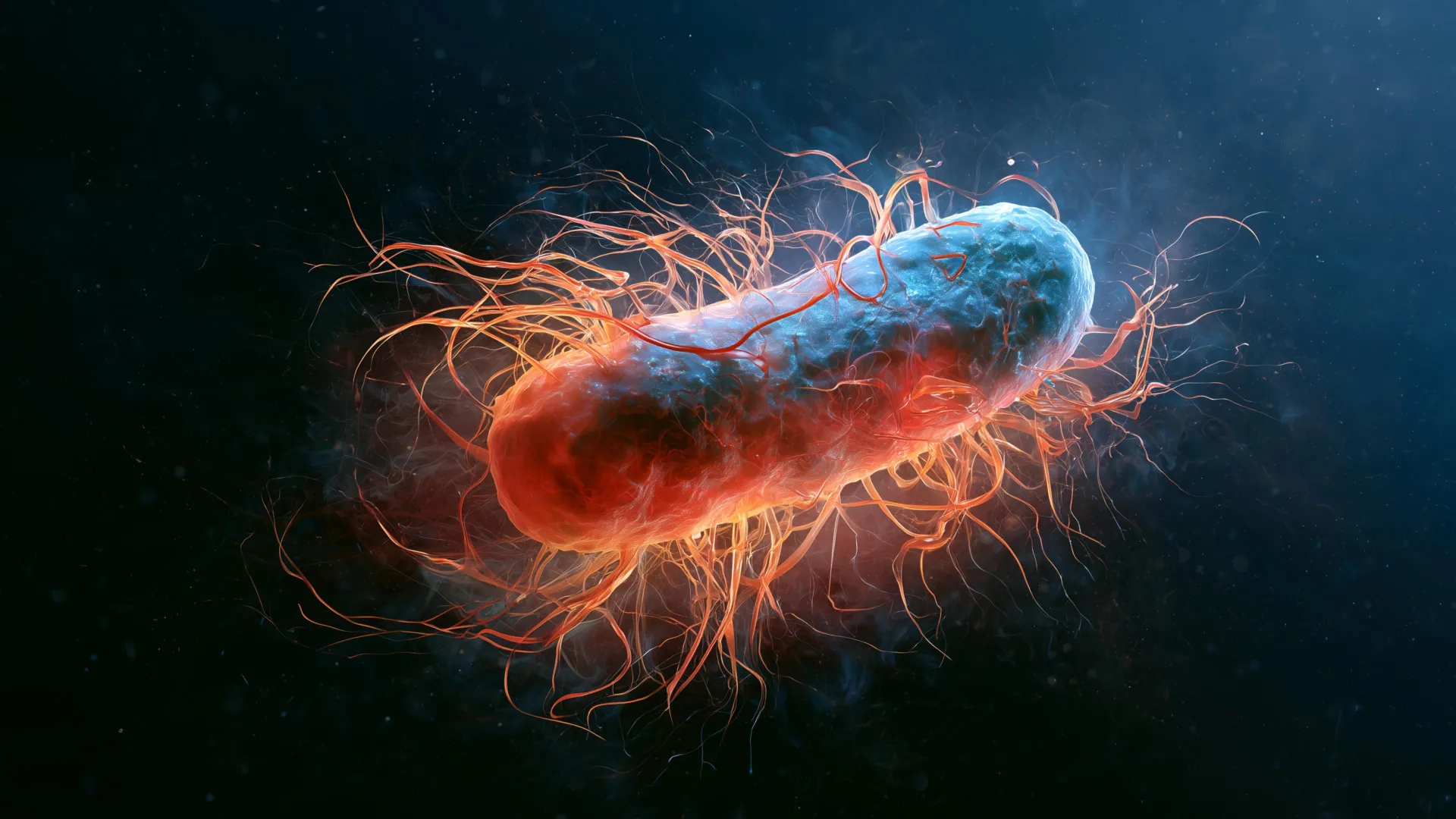
Researchers led by Professor An Xu at the Hefei Institutes of Physical Science (HFIPS) of the Chinese Academy of Sciences have identified a novel biological pathway for longevity, demonstrating that the magnetotactic bacterium Magnetospirillum magneticum AMB-1 (AMB-1) can significantly extend the healthy lifespan of the nematode Caenorhabditis elegans. The study, recently published in the journal Free Radical Biology and Medicine, reveals that the bacterium exerts its anti-aging effects by suppressing ferroptosis, a specific, iron-dependent form of programmed cell death linked to age-related physiological decline.
The Biological Challenge of Aging
Aging is characterized by the progressive deterioration of physiological functions and the increased vulnerability to chronic, age-related pathologies, including neurodegenerative diseases, metabolic syndrome, and cardiovascular decline. For decades, the scientific community has pursued pharmacological and genetic interventions to mitigate these effects. However, traditional anti-aging research is frequently hindered by issues related to bioavailability, potential systemic toxicity, and the complex ethical considerations of genetic manipulation.
In the search for safer alternatives, microbiologists have turned their attention to the human and animal microbiomes. While probiotic interventions have gained traction, the utilization of specialized bacteria—specifically those with unique physical properties—remains a frontier in geriatric research. Magnetotactic bacteria (MTB) represent a unique class of microorganisms characterized by their ability to synthesize intracellular magnetic nanoparticles known as magnetosomes. These structures, composed of iron-rich minerals such as magnetite, allow the bacteria to orient themselves along magnetic field lines. Given their inherent biocompatibility and the ease with which they can be manipulated, MTB have been explored for various biomedical applications, including targeted drug delivery and hyperthermia-based cancer therapies. Yet, their direct influence on the fundamental biological markers of organismal aging had remained largely unexplored until the recent investigations at HFIPS.
Experimental Framework and Methodology
To evaluate the impact of AMB-1 on aging, the research team utilized Caenorhabditis elegans, a soil-dwelling nematode that has served as a cornerstone of aging research for over four decades. Due to its short lifespan—typically spanning two to three weeks—and the conservation of many signaling pathways shared with higher organisms, C. elegans provides an ideal model for rapid, high-throughput screening of longevity-promoting compounds.
The research team performed a longitudinal study where cohorts of C. elegans were treated with AMB-1. The findings were striking: the treated worms exhibited a 43.39% increase in mean lifespan compared to the control group. Beyond simple longevity, the researchers assessed "healthspan"—the period of life spent in good health. Older worms treated with AMB-1 showed a marked preservation of neurological function, reflected in improved locomotion and sensory response, as well as a significant reduction in age-related intestinal atrophy.
The Role of Magnetosomes in Biological Longevity
A central question for the researchers was whether the specific magnetic properties of the bacteria were causal to the observed longevity, or if the benefit was merely a result of general probiotic exposure. To investigate this, the team compared the effects of the wild-type AMB-1 strain against two variants: the reversibly non-magnetotactic (RNM-AMB-1) strain and the completely non-magnetotactic (NM-AMB-1) strain.
The experimental results indicated that the ability to synthesize magnetosomes was essential for the full therapeutic effect. While wild-type AMB-1 yielded the most robust increase in lifespan, the RNM-AMB-1 variant provided a diminished, though still noticeable, benefit. Crucially, the NM-AMB-1 strain, which lacks the machinery to create magnetosomes, failed to extend the lifespan of the C. elegans subjects at all. This data suggests that the biological processes associated with iron metabolism and magnetosome biogenesis are intrinsically linked to the anti-aging efficacy of these bacteria.
Deciphering the Mechanism: Inhibiting Ferroptosis
The mechanism by which AMB-1 delays aging appears to be the regulation of ferroptosis. Ferroptosis is an oxidative, iron-dependent form of cell death that is distinct from apoptosis. It is driven by the accumulation of lipid peroxides—a result of oxidative stress—and the dysregulation of iron homeostasis. As organisms age, the accumulation of free iron in cells often catalyzes the Fenton reaction, leading to the production of highly reactive hydroxyl radicals. These radicals then attack polyunsaturated fatty acids in cell membranes, triggering lipid peroxidation and eventual cell death.
The research team found that AMB-1 administration effectively mitigated this process within the nematode models. By reducing the buildup of labile iron and suppressing lipid peroxidation, the bacteria shielded the cells from the biochemical "rusting" associated with aging. Genetic analysis revealed that the bacteria modulated several key genes involved in the ferroptosis pathway, most notably ftn-1 (involved in iron storage), bli-3 (a dual oxidase), and ads-1 (associated with fatty acid metabolism). These pathways are conserved across many species, suggesting that the findings could eventually be extrapolated to more complex biological systems.
Broader Implications for Geriatric Medicine
The potential translation of this research into clinical settings presents a novel paradigm for geriatric medicine. Traditionally, anti-aging interventions have focused on systemic drugs that may interfere with metabolic homeostasis. The use of magnetotactic bacteria suggests a more targeted approach, where beneficial microorganisms could be utilized to modulate the internal iron environment and curb oxidative damage.
"This study establishes a foundational microbial strategy for anti-aging interventions," the researchers noted in their report. By leveraging the natural magnetic properties of these bacteria, scientists may eventually develop "living" therapies that can be guided or monitored via external magnetic fields, potentially allowing for site-specific treatment in the future.
However, the researchers caution that while these results are promising, the leap from C. elegans to human clinical application is significant. Safety profiles for long-term bacterial colonization in mammals, the maintenance of magnetic properties within the complex environment of the human gut, and potential immune responses remain critical variables that must be addressed in future studies.
Timeline of Development
- Initial Discovery Phase: The research team hypothesized that the unique iron-processing capabilities of Magnetospirillum magneticum might offer protection against cellular stress.
- Strain Selection: Researchers selected AMB-1 due to its well-mapped genome and established history of use in nanotechnology and biomedical research.
- Preliminary Screening (Year 1): The team established the baseline lifespan for the C. elegans control group and conducted dose-response tests for the AMB-1 administration.
- Mechanistic Validation (Year 2): Utilizing mutant strains (RNM-AMB-1 and NM-AMB-1), the team successfully isolated magnetosome production as the key factor in the longevity phenotype.
- Pathway Identification (Year 3): The researchers utilized gene expression profiling to identify the specific ferroptosis-related genes (ftn-1, bli-3, ads-1) involved in the protective effect.
- Peer Review and Publication (Current): Following the validation of data and extensive biochemical assays, the study was published in Free Radical Biology and Medicine, signaling a shift in how researchers view the intersection of magnetic microbiology and longevity.
Future Perspectives
The success of this study at the Hefei Institutes of Physical Science underscores the importance of interdisciplinary research. By combining microbiology, materials science, and gerontology, the team has successfully identified a biological pathway that links iron management to the fundamental process of aging.
As the global population continues to age, the demand for non-pharmacological, sustainable interventions will only grow. While it is too early to state that magnetotactic bacteria will be a component of human anti-aging protocols in the near term, the evidence provided by this study opens a significant new chapter. The focus will likely shift toward conducting larger mammalian trials to confirm that the suppression of ferroptosis via AMB-1 remains effective in higher-order organisms. If validated, the use of magnetosomes as biological regulators could represent a major shift in our approach to age-related degeneration, transforming how we conceptualize the role of the microbiome in maintaining systemic health into old age.









Leave a Reply