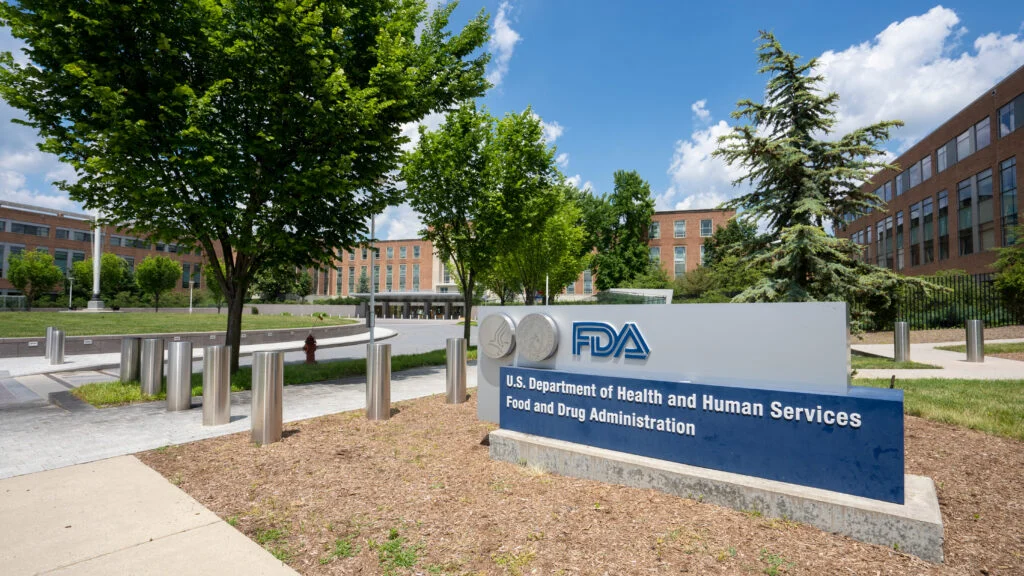
The Food and Drug Administration published draft guidance on Tuesday that would streamline approvals of some individualized gene therapies, a win for rare disease advocates who have criticized the agency’s approach to these treatments. This regulatory pivot represents a significant evolution in how the federal government evaluates medicines designed for ultra-rare conditions, where the patient population is often too small to support traditional, large-scale clinical trials. By establishing a more flexible framework for "N-of-1" or highly personalized gene-editing interventions, the FDA is attempting to balance the urgent, life-saving needs of patients with the rigorous safety standards required for human medical products.
A New Chapter for Precision Medicine
For years, the development of individualized gene therapies has been hampered by a regulatory paradigm designed for blockbuster drugs. Traditional pharmaceutical development relies on large, randomized controlled trials to demonstrate safety and efficacy across diverse populations. However, for patients suffering from genetic mutations unique to a handful of individuals—or even a single person—these traditional requirements are often logistically impossible and ethically challenging.
The new guidance provides a clearer pathway for developers to utilize existing data, platform-based technologies, and surrogate endpoints to accelerate the approval process. By focusing on the "platform" approach—where the delivery vehicle (often a viral vector) remains consistent while the genetic "payload" is swapped to address a specific mutation—the FDA is signaling that it is willing to treat these technologies as modular systems rather than reinventing the regulatory wheel for every minor modification.
Chronology of Regulatory Engagement
The road to this week’s announcement has been marked by a decade of intense lobbying and scientific advancement. In the early 2010s, the scientific community began to grasp the potential of CRISPR-Cas9 and other gene-editing tools to correct monogenic disorders. By 2017, the FDA approved the first gene therapy, Luxturna, for a rare form of inherited retinal dystrophy, setting a precedent that the agency could, in fact, regulate such complex interventions.
Following the success of early therapies, patient advocacy groups began to push for a more proactive stance on "bespoke" therapies. In 2019 and 2020, as academic labs began partnering with biotech startups to create personalized treatments for children with ultra-rare neurological conditions, the FDA held a series of public workshops. These meetings highlighted the "regulatory gap" that left innovators unsure of how to present safety data for drugs that were essentially manufactured in small batches for specific individuals.
Throughout 2023 and 2024, the agency signaled an internal shift, conducting internal reviews of its biologics division. The publication of this draft guidance on Tuesday marks the formalization of those efforts, providing a roadmap that developers can now reference when preparing Investigational New Drug (IND) applications.
Supporting Data and the Rare Disease Landscape
The urgency behind this guidance is underscored by the sheer scale of the unmet medical need. According to data from the National Institutes of Health (NIH), there are approximately 7,000 known rare diseases, 80% of which have a genetic origin. Despite this, fewer than 10% of these diseases have an FDA-approved treatment.
For many patients, the time-to-diagnosis and subsequent time-to-treatment can span years, often resulting in irreversible physical or cognitive damage. Individualized gene therapies offer a "curative" intent rather than a "management" intent, shifting the economic burden of chronic care toward a one-time therapeutic intervention. From a health-economics perspective, the cost-benefit analysis of these therapies is being closely watched by insurance payers. While the upfront cost of a single gene therapy dose can range from $1 million to $3.5 million, the long-term savings from avoiding a lifetime of supportive care for a chronic condition are projected to be substantial.

Stakeholder Reactions and Industry Impact
Paul Scribner, vice president of community programs and education at the PKD Foundation, captured the sentiment of the patient community at a rare disease event on Tuesday. "It’s sort of putting a flag in the ground and saying, ‘This is important,’" Scribner noted. His reaction reflects the broader consensus among patient advocacy groups that the FDA is finally acknowledging that the current regulatory structure cannot remain static in the face of rapid biotechnological advancement.
Industry analysts suggest that this guidance will likely spur a wave of investment in small-scale, academic-led biotech ventures. Previously, many investors were wary of funding gene therapy startups due to the "regulatory risk" of having an application stalled in the FDA’s review pipeline. By providing a predictable, transparent path to approval, the agency has effectively lowered the barrier to entry for innovators who operate in the pre-clinical and early clinical space.
However, the industry is not without caution. Some experts point out that the safety risks associated with gene therapy—such as off-target genetic edits or immune responses to viral vectors—remain significant. The challenge for the FDA will be to maintain its "gold standard" of safety while moving at the speed of innovation.
The Technological Rationale: Why Now?
The primary driver behind the FDA’s policy update is the maturation of "platform technology." In the past, every new drug was treated as an entirely novel entity. Today, scientists can use a standardized platform—such as an Adeno-Associated Virus (AAV) vector—to deliver various genetic instructions. Because the delivery vehicle itself has a known safety profile, the FDA is now willing to accept data from previous trials using that same platform.
This "platform-based" approach reduces the need for redundant toxicity studies, which are both expensive and time-consuming. It allows developers to focus their resources on proving that the specific genetic adjustment is safe and effective, rather than re-proving that the delivery vehicle itself is non-toxic.
Broader Implications and Future Outlook
The implications of this draft guidance extend far beyond the rare disease community. If successful, this framework could serve as a model for other areas of personalized medicine, including cancer immunotherapies and bespoke vaccines. The shift represents a move toward "Precision Regulatory Science," where the agency uses computational modeling, real-world evidence, and historical data to supplement the traditional trial-based approach.
Critics of the guidance—or rather, those urging caution—have emphasized that the FDA must ensure that these individualized treatments do not become a "wild west" of unregulated experimentation. The agency will likely require rigorous post-market surveillance for any therapies approved under this streamlined path. This means that even after a drug is approved, the developer will be responsible for monitoring the patient’s long-term health outcomes and reporting any adverse events to the FDA in real-time.
As the biotech sector digests the details of the document, the focus will now shift to the public comment period. The FDA is expected to review feedback from pharmaceutical companies, academic institutions, and patient advocacy groups before finalizing the guidance.
For the families of patients with rare mutations, this is more than just a bureaucratic update; it is a lifeline. By creating a pathway that recognizes the unique value of individualized medicine, the FDA is finally aligning its regulatory muscle with the realities of 21st-century genetics. Whether this guidance results in a surge of approved therapies in the coming years remains to be seen, but the "flag in the ground" has been planted, and the trajectory of genetic medicine appears to be moving firmly toward a more personalized future.