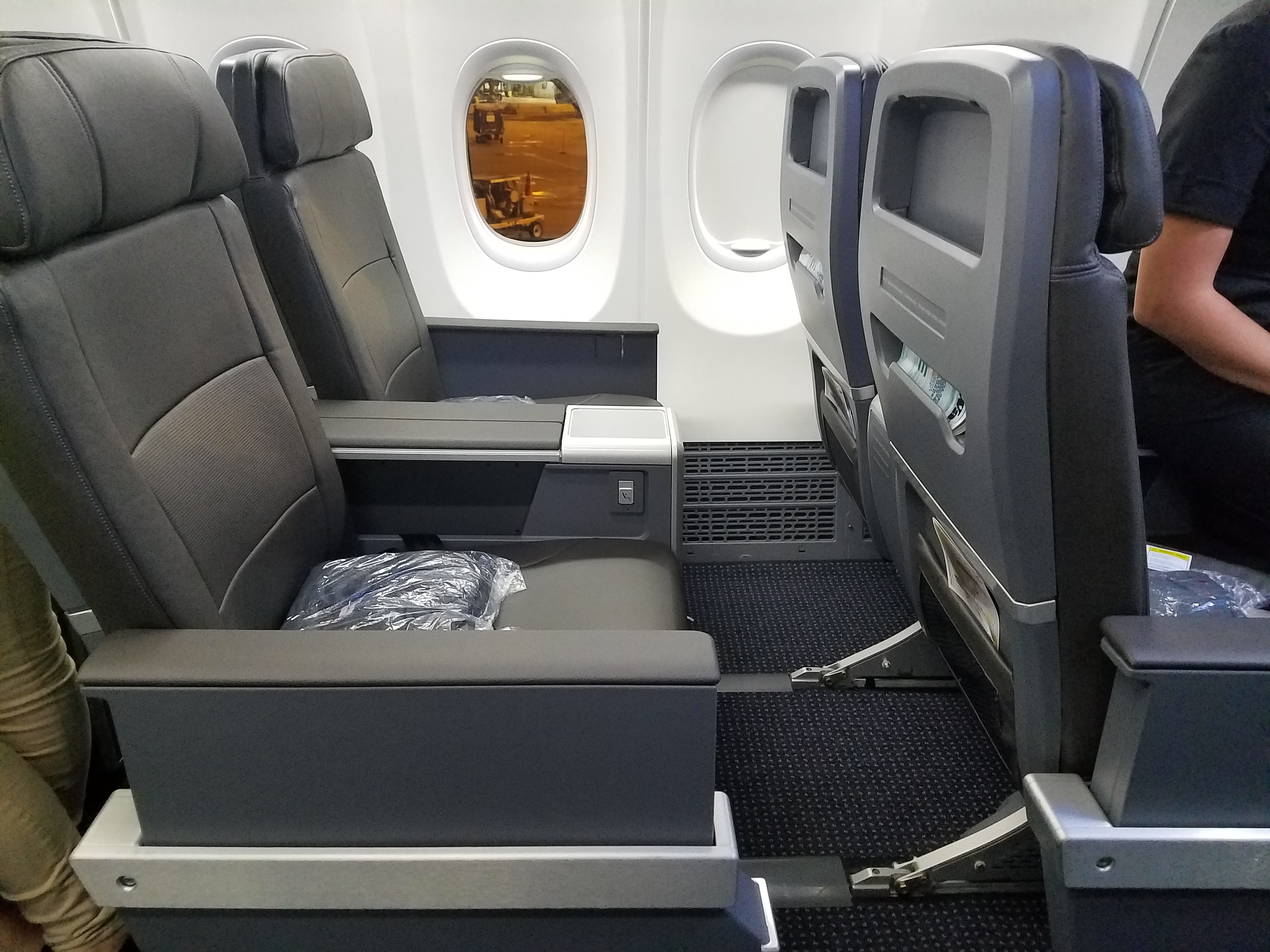
In the evolving landscape of commercial aviation, the dynamics of family travel frequently spark heated public debate, particularly regarding seating arrangements and cabin class etiquette. A recent incident, documented on social media on October 11, 2024, has introduced a novel variation to the long-standing "seat swapping" controversy. A passenger reported a scenario on a five-hour flight where a father booked his two young daughters in the first-class cabin while securing an economy seat for himself. The situation escalated when the father reportedly approached passengers in the premium cabin, requesting that they trade their first-class seats for his economy placement so he could sit with his children.
This incident, shared by an eyewitness via the social media platform X (formerly Twitter), highlights a growing tension in the airline industry between passenger expectations, family logistics, and the rigid pricing structures of different cabin classes. While stories of parents flying in first class while leaving their children in coach have circulated for years—often framed as a "life lesson" in earning luxury—the reversal of this roles-based seating arrangement has introduced new questions regarding safety, etiquette, and the financial implications of in-flight seat changes.
The Chronology of the Incident and Immediate Public Reaction
The event took place during a medium-haul flight of approximately five hours, a duration that typically involves a significant price disparity between economy and first-class tickets. According to the witness, identified as @the_P_God, the father settled his daughters into their first-class seats before moving back to the economy section. However, rather than remaining in his ticketed seat, he returned to the front of the aircraft to solicit a seat swap from other first-class passengers.
The witness’s account suggested that the father expected other travelers to voluntarily downgrade their experience—moving from a premium seat with enhanced legroom, catering, and comfort to a standard coach seat—without financial compensation, solely to facilitate his desire to supervise his children from a neighboring seat. The post quickly went viral, drawing thousands of reactions that largely criticized the father’s strategy. Critics argued that if a parent deems it necessary to sit next to their children, they are responsible for booking adjacent seats within the same cabin class at the time of purchase.
The Economics of the "Ask": Analyzing the Value of a Seat Swap
To understand the friction caused by such requests, one must look at the economic reality of modern air travel. On a five-hour domestic or regional flight, the price difference between an economy seat and a first-class seat can range from $400 to over $1,500, depending on the airline and the timing of the booking.
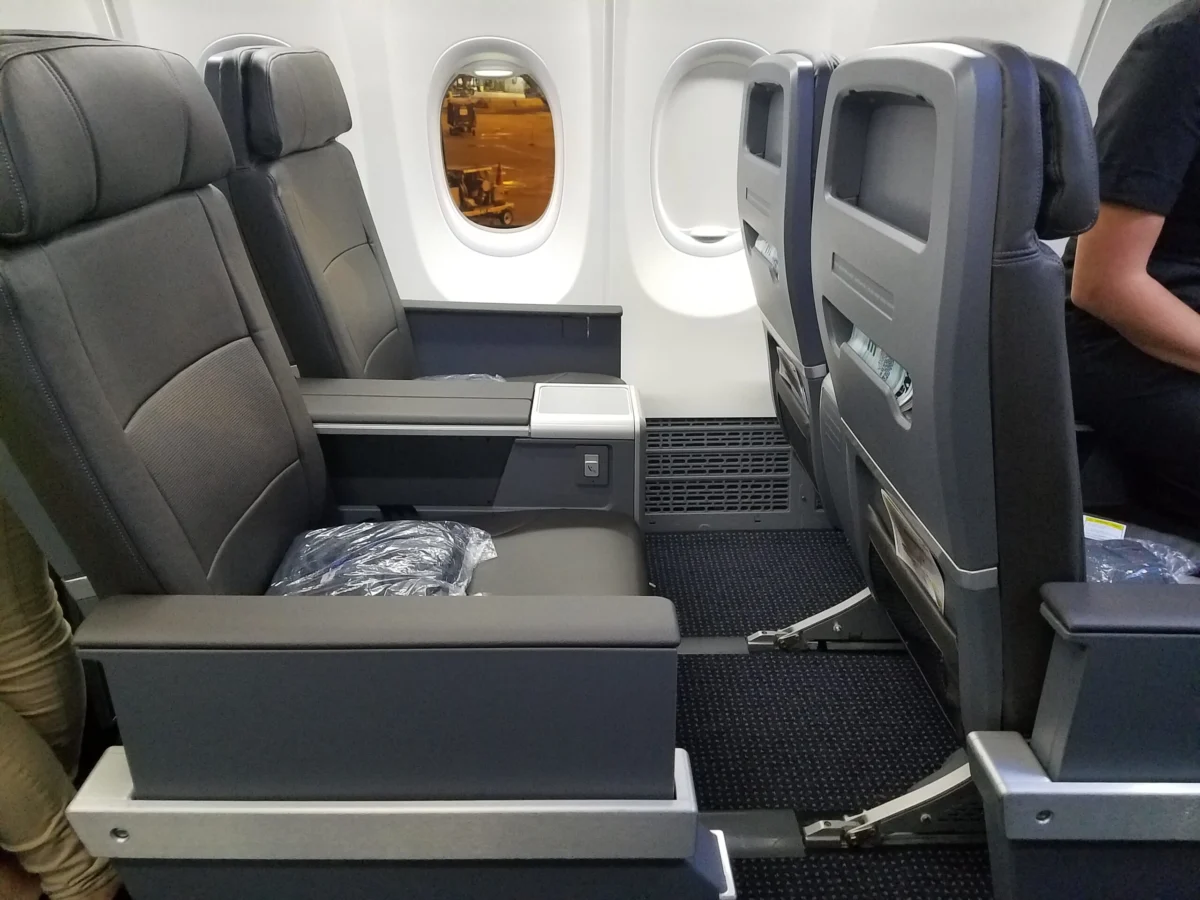
When a passenger asks another to swap a first-class seat for one in economy, they are essentially asking a stranger for a gift worth hundreds, if not thousands, of dollars. Furthermore, many first-class passengers select specific seats weeks in advance to ensure maximum comfort or to accommodate personal needs. For a traveler who has paid a premium for a specific experience, being asked to move to the back of the plane creates a social awkwardness that many find intrusive.
Industry analysts suggest that these "asymmetrical swaps" are becoming more common as flights reach record capacity. Data from the Department of Transportation (DOT) indicates that while "family seating" complaints have risen, the majority of these involve parents trying to sit with children within the same cabin. The specific scenario of "upgrading" a child while the parent remains in coach is a rarer phenomenon that complicates the airline’s duty of care.
Historical Context: The "Life Lesson" vs. The "Spoiled Child"
The incident stands in stark contrast to the traditional "Gordon Ramsay" approach to family travel. The celebrity chef famously made headlines by stating that his children do not sit with him and his wife in first class. "They haven’t worked anywhere near hard enough to afford that," Ramsay told the media, echoing a sentiment held by many high-net-worth individuals who believe that luxury should be earned through personal achievement rather than inherited as a default.
This philosophy was famously championed by the late Ace Greenberg, former chairman of Bear Stearns, who preferred hiring individuals he described as "P.S.D.s"—Poor, Smart, and with a deep Desire to become rich. The logic follows that exposing children to extreme luxury too early may dampen their professional drive.
However, the October 11 incident suggests a shift in parental philosophy. By placing the children in first class and himself in coach, the father may have intended to provide his children with a superior experience at his own expense. Yet, by failing to book a third first-class seat for himself, he effectively transferred the burden of his children’s supervision or his own proximity to his children onto the other paying passengers and the flight crew.
Safety and Regulatory Implications of Split-Cabin Seating
Beyond the breach of etiquette, seating children in a separate cabin from their legal guardian raises significant safety and operational concerns. Federal Aviation Administration (FAA) guidelines and individual airline policies generally require that young children be seated with an adult. If a child is seated in first class and the parent is in economy, they are separated by a galley and often a curtain.
In the event of an emergency—such as sudden turbulence or a cabin decompression requiring oxygen masks—a parent located ten rows back in a different cabin would be unable to assist their children. This places an undue burden on flight attendants, who are trained for safety procedures, not for child supervision.
Furthermore, many airlines have specific policies regarding "Unaccompanied Minors" (UM). While these children are technically traveling with a parent on the same aircraft, the physical separation by cabin class can lead to a "gray area" where flight attendants must provide extra attention to the children, potentially detracting from their service to other passengers who paid for a premium experience.
The Role of the Department of Transportation (DOT)
The issue of family seating has become a focal point for the U.S. Department of Transportation under the Biden-Harris administration. In early 2024, the DOT launched a "Family Seating Dashboard" to highlight which airlines guarantee that parents can sit next to their children for free. However, these regulations are designed to prevent airlines from charging extra "seat selection fees" to keep families together in the same cabin.
The regulations do not cover scenarios where a parent chooses to book different cabins for different family members. Current DOT guidelines emphasize that families should be seated together in the lowest cost cabin available if they wish to avoid fees. The act of booking children in a higher class than the parent is a personal choice that falls outside the scope of current consumer protection mandates, leaving the resolution of such conflicts to the discretion of gate agents and flight crews.
Social Media and the Rise of "Main Character Syndrome" in Travel
Psychologists and travel experts have noted a rise in what is colloquially termed "Main Character Syndrome" among travelers. This refers to a mindset where an individual views their own needs and narratives as paramount, often at the expense of social norms and the comfort of others.
In the context of the October 11 flight, the father’s request to swap seats is seen by many as a manifestation of this trend. By placing his children in first class, he secured the luxury for them, but by asking for a swap, he attempted to circumvent the financial cost of securing that same luxury for himself. The viral nature of the story reflects a broader societal frustration with travelers who attempt to "game the system" of airline seating.
Implications for Airline Policy and Future Etiquette
As this story continues to circulate, it serves as a case study for airlines to refine their boarding and seating protocols. Some carriers have begun implementing stricter rules regarding "cabin migration," where passengers from economy are prohibited from entering the first-class cabin to visit companions or use the lavatories.
For the traveling public, the consensus remains clear:
- Pre-Planning is Essential: Families who wish to sit together should ensure their bookings reflect that desire at the time of purchase.
- Respect the Premium Cabin: Passengers pay for first class not just for the seat, but for the environment. Requests to swap for an inferior seat are generally viewed as a violation of the "social contract" of the cabin.
- Safety First: Guardians should remain in the same cabin as their minor children to ensure they can respond to emergencies.
The incident of the father in economy and the daughters in first class may be a "new" story in terms of its specific configuration, but it underscores an old truth in the world of travel: the comfort of one’s family should not come at the involuntary expense of fellow passengers. As airlines continue to navigate the complexities of post-pandemic travel, the debate over who sits where—and who has the right to ask for a change—is likely to remain a prominent fixture of the modern flying experience.