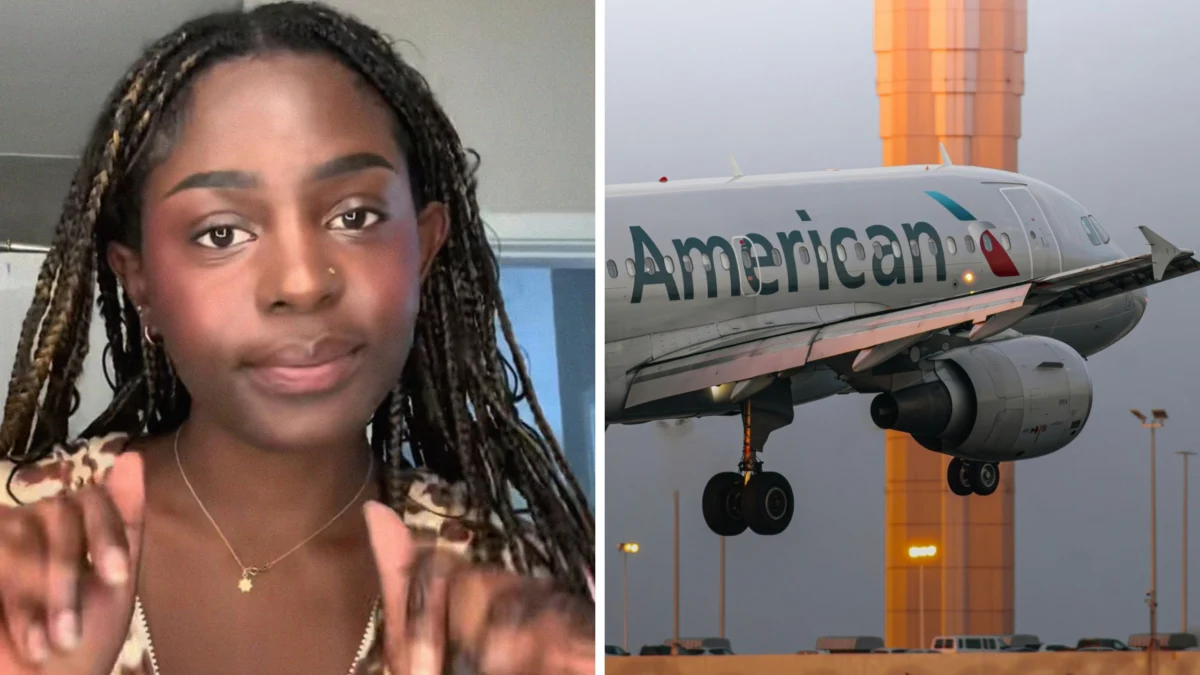
The aviation industry prides itself on safety, punctuality, and the secure transit of passengers and their belongings. However, the modern travel experience frequently tests passenger trust when baggage security is compromised. Recently, an AAdvantage frequent flier traveling on an American Airlines flight from Phoenix to Pittsburgh experienced a troubling breach of her checked luggage, resulting in the theft of her personal makeup bag. What followed was an initial bureaucratic wall of dismissive customer service responses, a viral social media campaign, and a subsequent corporate escalation that highlights ongoing concerns regarding baggage security, airline accountability, and passenger advocacy in the digital age.
The Incident and Initial Encounter
The incident occurred following a routine domestic flight operated by American Airlines. The passenger, known on TikTok as Fahimah (@feefaleef_), is a seasoned traveler with extensive experience navigating both domestic and international airline networks. Known for her meticulous packing habits and regular patronage of American Airlines as an AAdvantage member, Fahimah assumed her belongings were secure within the checked luggage system.
Upon landing at Pittsburgh International Airport and retrieving her checked bag, however, she discovered that the security of her personal items had been violated. Her dedicated makeup bag had been systematically removed from her main suitcase. Disturbed by the invasion of privacy, Fahimah immediately sought assistance from ground staff at the airport to report the theft.
According to her public statements, the initial response from airline personnel was unhelpful and dismissive. Customer service representatives informed her that they possessed "no ability whatsoever" to assist her with the missing contents at the airport service desk. Compounding her frustration, she was advised that because she had landed on a Friday, her complaint could not be formally processed until the following Monday, leaving her stranded without a viable resolution or immediate investigative recourse over the weekend.
Chronology of Events and Escalation
The progression of the complaint highlights a challenging communication gap between commercial airlines and their passengers when dealing with property loss:
- Friday: Fahimah arrives on a flight from Phoenix to Pittsburgh and discovers her makeup bag is missing from her checked luggage. Airport representatives inform her they cannot help immediately and instruct her to wait until the next business day.
- Monday: Follow-up communications with American Airlines direct her to file a formal "delayed baggage claim report." However, because her luggage was technically delivered—albeit with missing contents—she finds the designated reporting channels inadequate for addressing stolen property.
- Mid-Week: Frustrated by the lack of direct accountability and perceived rudeness from frontline customer service representatives, Fahimah takes to TikTok to document her experience, sharing her disappointment and a lack of resolution through standard procedures. Drawing on her educational background and determination, she simultaneously bypasses standard customer service emails and writes directly to members of American Airlines’ executive leadership team.
- Resolution: Following her executive-level outreach, American Airlines contacts the passenger directly to address her grievances, ultimately offering a gesture of goodwill consisting of 10,000 AAdvantage miles.
Public Reaction and Viral Virality
Fahimah’s initial video detailing the incident quickly resonated with digital audiences, accumulating thousands of views and sparking a broader conversation in the comments section regarding the safety of checked baggage. Rather than viewing the incident as an isolated anomaly, many social media users commiserated with the passenger, sharing similar anecdotes of missing items, rummaged suitcases, and perceived vulnerabilities within major airline baggage handling systems.
Commenters offered a mix of practical advice, preventative measures, and dark humor. Some suggested specialized travel security products, such as tracking-enabled luggage locks or alarms designed to alert owners if a bag is tampered with during transit. Others referenced unconventional deterrents popularized online, ranging from psychological deterrent notes to purposely packing items that would discourage opportunistic rummaging.
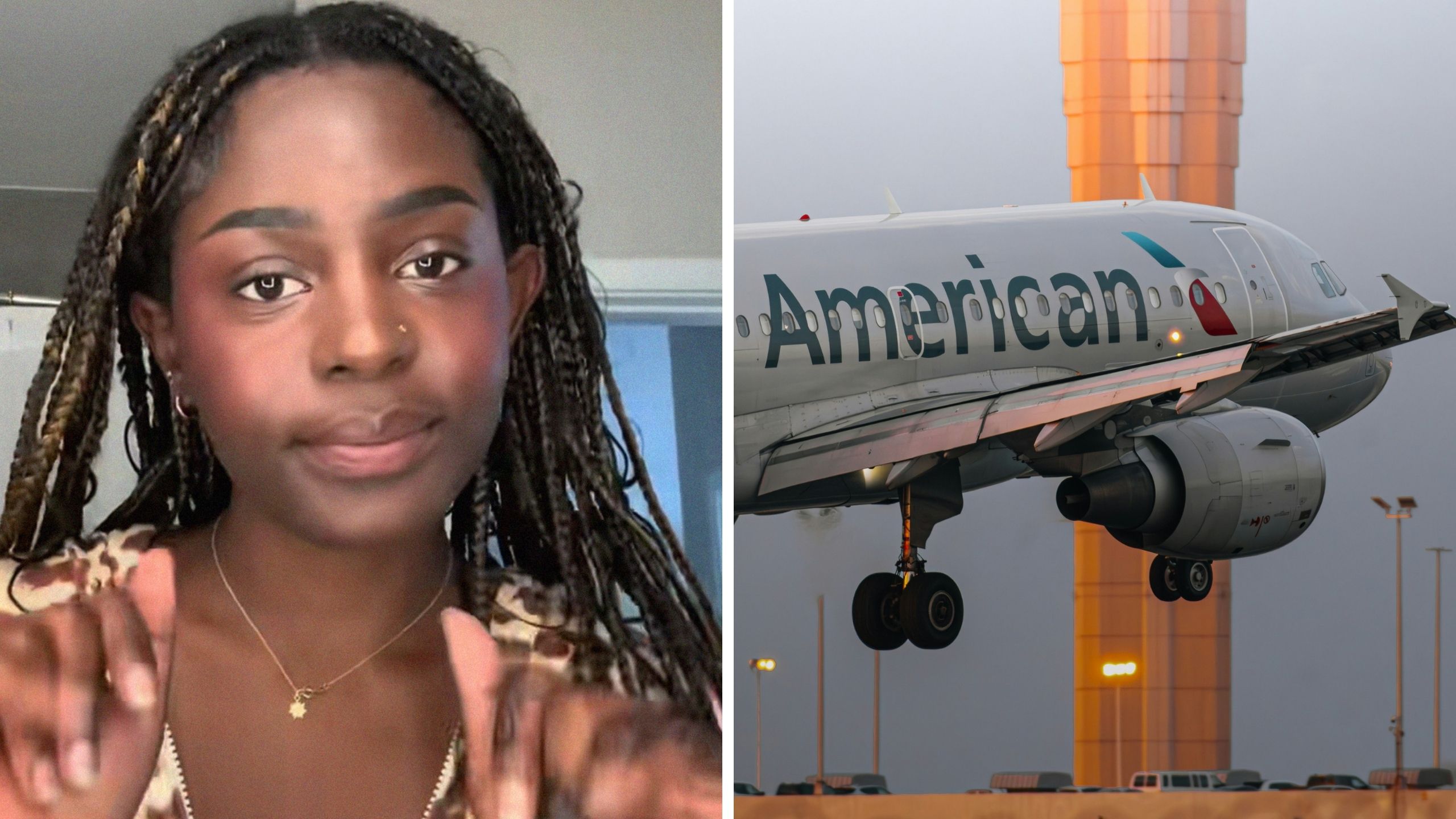
The widespread engagement on the platform underscores a lingering anxiety among frequent fliers regarding the invisible phases of baggage handling, where bags pass through numerous hands behind the scenes at departure airports, connection hubs, and arrival destinations.
Corporate Response and Compensation
While initial frontline interactions left the passenger feeling ignored, the escalation of her complaint to higher corporate tiers ultimately yielded a response. American Airlines, which did not immediately respond to independent media inquiries regarding the specifics of the incident, engaged with the passenger following her direct executive correspondence.
In a subsequent update video, Fahimah confirmed that the airline had reached a resolution with her, issuing 10,000 AAdvantage miles as compensation for the ordeal and the poor treatment she reported receiving from ground and telephone staff. While the miles do not recover the specific sentimental or monetary value of the stolen cosmetics, the resolution represents a common corporate mechanism for mitigating customer dissatisfaction and closing complaints initiated on public forums.
Broader Implications for Airline Baggage Security
Incidents involving missing items from checked luggage raise persistent questions regarding where and how breaches occur within the commercial aviation ecosystem. Security protocols governed by agencies such as the Transportation Security Administration (TSA) involve rigorous screening procedures, often utilizing advanced imaging and physical searches when necessary. However, TSA guidelines dictate that checked bags may be opened and inspected, and official notices are typically left inside the luggage when an inspection occurs.
When items disappear without an official inspection notice—or when entire specialized pouches, such as makeup bags, are selectively targeted—suspicion frequently falls outside official screening checkpoints. Industry analysts and experienced travelers point to several vulnerabilities in the baggage handling chain:
- Transfer and Sorting Areas: Checked bags travel vast distances behind the scenes on conveyor belts, sorting facilities, and tarmac carts, where multiple handlers have access to luggage containers.
- Arrival Carousels: Unattended baggage carousels present opportunities for opportunistic theft by individuals who access secure or semi-secure baggage claim areas.
- Transit Duration: International and multi-leg domestic itineraries increase the number of handling touchpoints, multiplying the statistical probability of exposure.
Best Practices for Safeguarding Checked Luggage
Security experts and frequent traveler communities recommend several proactive strategies to minimize the risk of theft or property loss when checking bags:
- Travel Light: The most effective defense against losing valuables is leaving them out of checked baggage entirely. High-value items, electronics, jewelry, and essential personal care products should always be carried on board in personal items or carry-on luggage.
- Utilize TSA-Approved Locks: While locks cannot prevent determined criminals with specialized tools, they act as a deterrent against casual pilfering and ensure that any authorized inspection by security personnel is documented.
- Implement Smart Tracking Devices: Placing Bluetooth trackers or GPS tags inside luggage allows travelers to monitor the real-time location of their bags throughout the journey, providing immediate data if a bag is delayed or diverted.
- Prompt Baggage Retrieval: Passengers should proceed directly to the baggage claim area upon landing to minimize the window of opportunity for baggage carousel theft.
- Discreet Luggage Choices: Opting for functional, unassuming luggage rather than high-end designer suitcases can reduce the likelihood of a bag being targeted based on perceived contents.
Conclusion
The case of the missing makeup bag on a flight from Phoenix to Pittsburgh illustrates the delicate nature of modern passenger relations. While commercial airlines manage millions of bags daily with high rates of successful delivery, individual failures in security or customer service can severely erode consumer trust. Through a combination of public documentation and direct corporate escalation, the passenger secured a measure of accountability, but the incident serves as a reminder for travelers to remain vigilant, leverage tracking technology, and protect their valuables when navigating the skies.