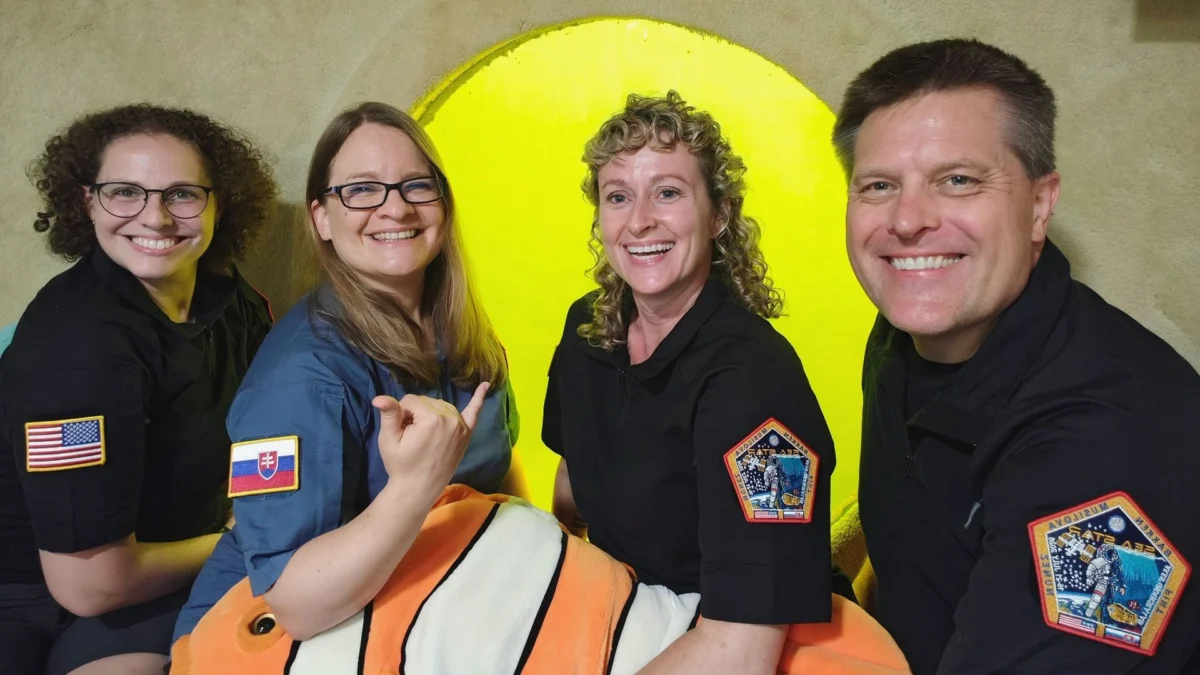
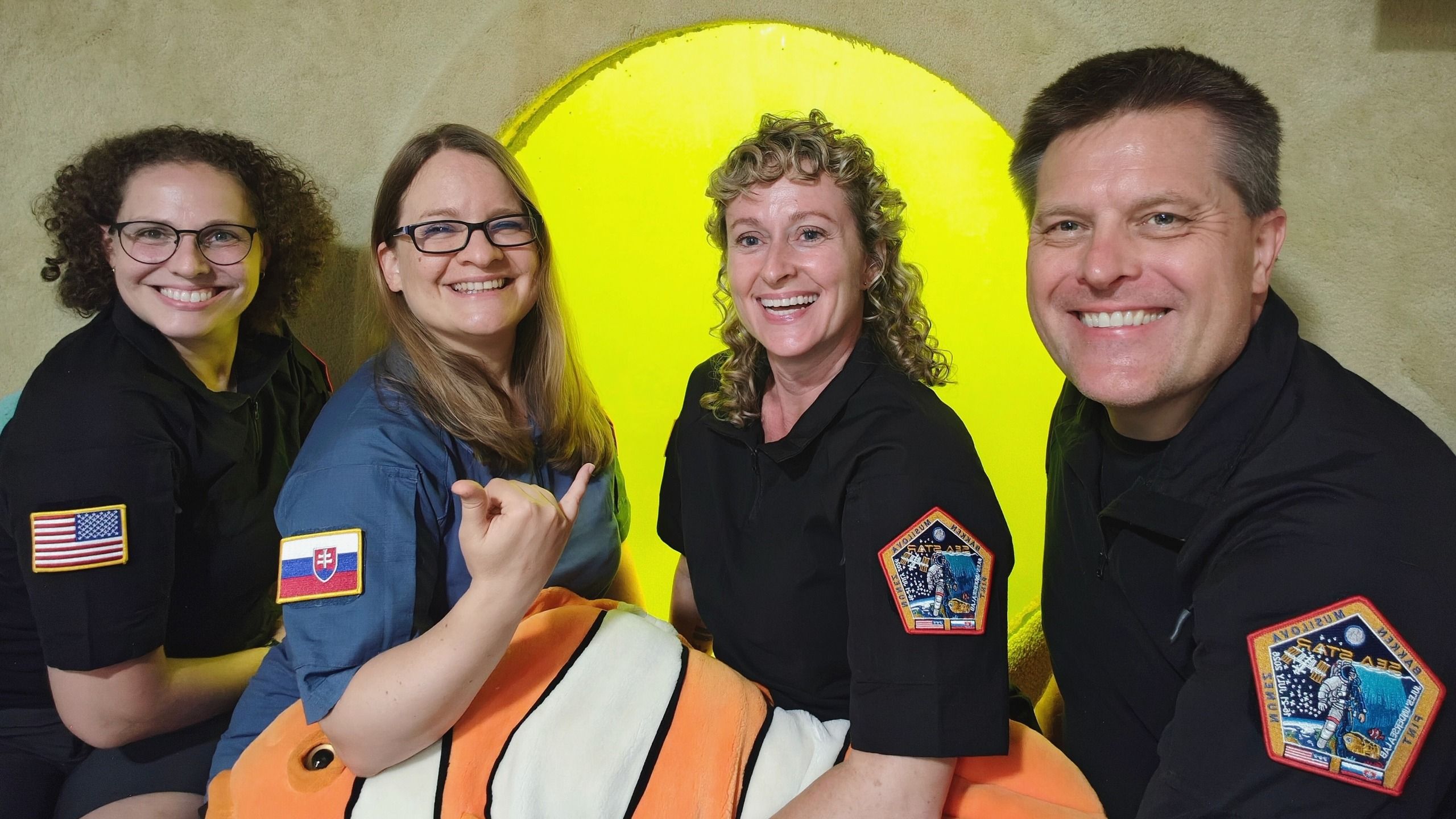
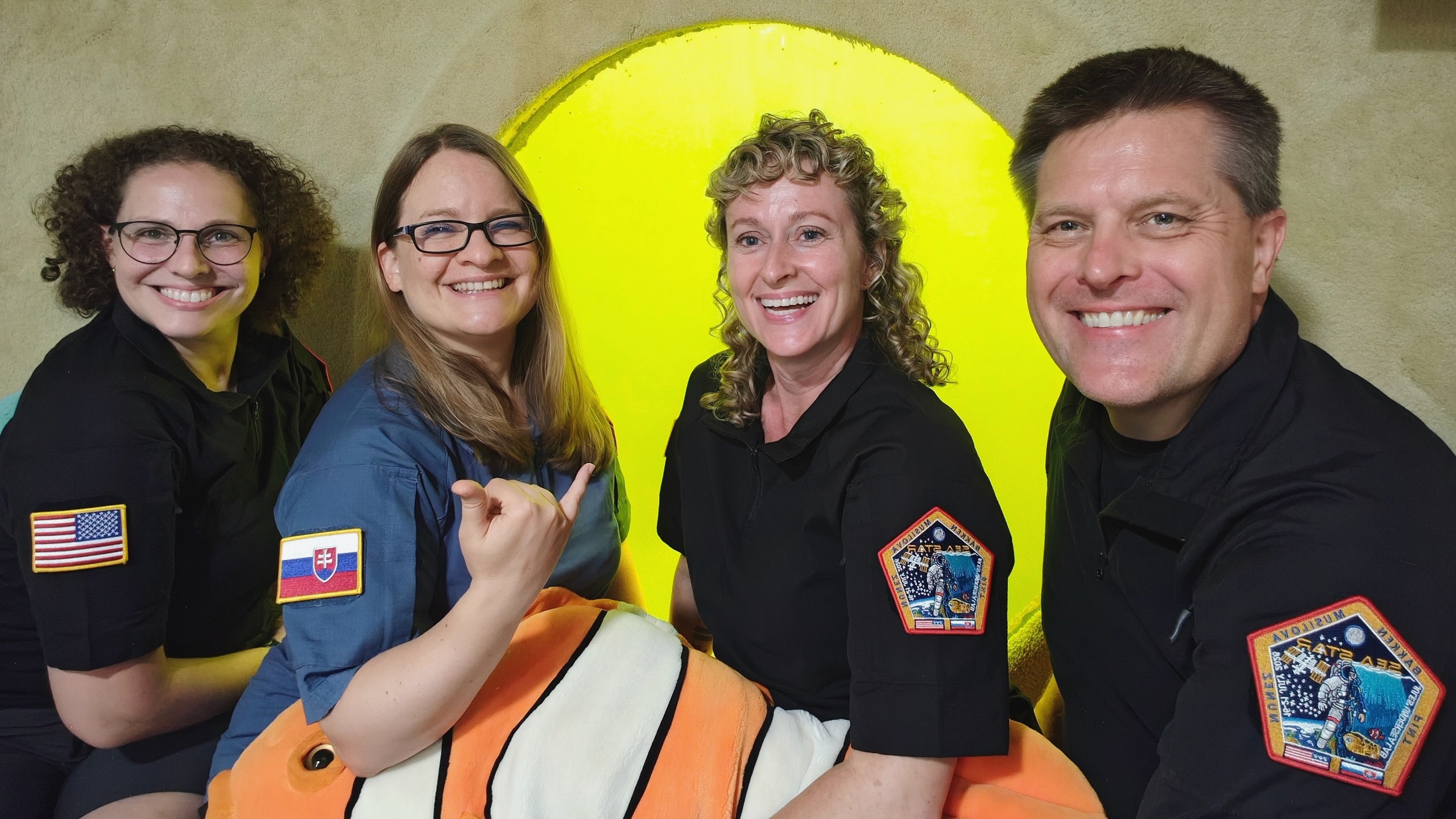
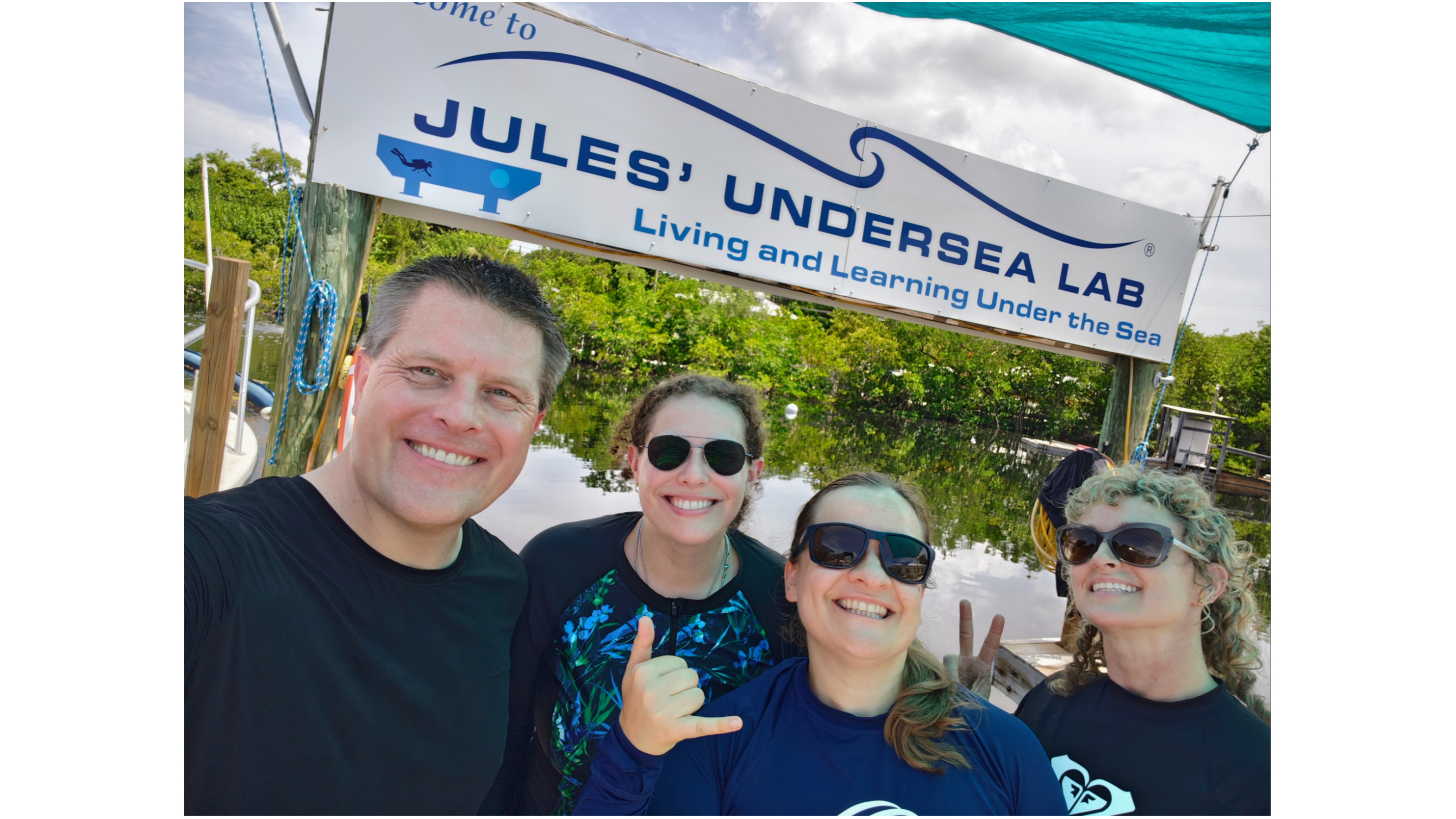
The SEA STAR mission recently concluded a groundbreaking five-day residency at the Jules’ Undersea Lab in Key Largo, Florida, marking a significant milestone in the evolution of space exploration preparation by successfully transitioning analog astronaut training from land-based facilities to a high-pressure, underwater saturation environment. Led by veteran astrobiologist and commander Dr. Michaela Musilova, the mission involved a four-person crew living 22 feet below the surface of the Atlantic Ocean. By remaining in a state of continuous saturation—where the human body’s tissues absorb ambient gases at the pressure of the surrounding environment—the team achieved the formal designation of aquanauts, providing a unique and rigorous testbed for the psychological and physiological stresses expected during future long-duration space missions.
The Rationale for Underwater Analog Missions
While traditional analog astronaut training occurs in remote, terrestrial environments—such as the HI-SEAS habitat in Hawaii or various desert research stations—underwater environments offer a distinct set of operational challenges that more accurately reflect the unforgiving nature of space. The Jules’ Undersea Lab, a pressurized facility, necessitates a strict adherence to safety protocols that mirror the isolation, confined living quarters, and high-stakes environmental hazards found on the International Space Station (ISS).
The primary objective of the SEA STAR mission was to bridge the gap between terrestrial simulations and the reality of extra-vehicular activities (EVAs). In space, an astronaut conducting a spacewalk is supported by a pressurized suit; underwater, the crew utilized neutral buoyancy, a technique that simulates the weightlessness of microgravity. This allows researchers to evaluate not only the physical stamina required for complex maintenance tasks but also the cognitive load experienced by individuals working in a hostile, non-terrestrial environment.
Chronology of the SEA STAR Mission
The preparation for SEA STAR spanned over 12 months, involving rigorous logistical coordination, fundraising, and the assembly of a multidisciplinary crew. The timeline for the mission’s execution followed a structured path:
- Pre-Mission Phase (Months 1–12): Selection of the crew, including experimental engineer Paul Bakken, health and safety officer Dr. Brandy Nunez, and industrial safety expert Jenn Pint. The team focused on defining research parameters, including microgreens cultivation and environmental taxonomy.
- Deployment and Saturation (Day 0): The crew transitioned from the surface to the Jules’ Undersea Lab. Achieving saturation required remaining underwater for over 24 hours, after which the crew was officially designated as aquanauts.
- Operational Phase (Days 1–5): The crew operated on a compressed schedule, performing scientific experiments, conducting simulated spacewalks in neutral buoyancy, and managing internal life-support systems while under the psychological pressure of the surrounding water column.
- Post-Mission Phase: Following the ascent and decompression, the data gathered—ranging from crew-interaction metrics to physiological monitoring—was moved to the analysis phase to contribute to future mission planning.
Scientific Research and Crew Responsibilities
The SEA STAR crew utilized their time in the habitat to conduct a series of specialized experiments. Dr. Brandy Nunez oversaw the cultivation of microgreens, an essential research area for the survival of long-term space crews who will need to rely on bioregenerative life support systems. The integration of botany into a cramped, high-pressure, underwater habitat mimics the constraints that future lunar or Martian colonists will face when attempting to grow food in enclosed, artificial environments.
Meanwhile, Mission Specialist Jenn Pint collaborated with Interstellar Performance Labs to develop a taxonomy for analyzing human-environmental interactions. This research is critical for understanding how crews adapt to "off-world" conditions. By monitoring how the four members interacted with the facility’s architecture and with each other under the constant threat of a system failure, the team provided actionable data that could inform the design of future spacecraft and lunar base modules.
Dr. Musilova, who has served as commander for nearly 40 simulated space missions, emphasized that the leadership dynamics in an underwater habitat are distinct from those on land. Because an underwater emergency—such as a failure of the air filtration system or a breach in the habitat—would be catastrophic, the commander’s role shifts from a coordinator to a high-stakes risk manager. This heightened sense of urgency, she noted, serves as an invaluable training mechanism for those preparing for the true dangers of space flight.
Comparative Analysis: Land vs. Sea Simulations
The field of analog research is typically dominated by land-based stations. However, the environmental risks inherent in underwater habitats provide a "high-fidelity" simulation that land-based facilities often lack. In a desert simulation, if a systems failure occurs, the crew can often step outside into the open air to reach safety. In an underwater saturation mission, the "exit" is a technical process involving decompression, making the habitat itself a life-support lifeline.
Data from the SEA STAR mission suggests that this psychological pressure leads to increased team cohesion and faster problem-solving. When the margin for error is effectively zero, crew members develop a heightened awareness of their environment and their colleagues’ well-being. This is a vital metric for space agencies like NASA and the ESA, who are currently reviewing training protocols for the upcoming Artemis missions to the Moon.
Implications for Future Space Exploration
The success of the SEA STAR mission underscores the necessity of diversifying training environments. As humanity looks toward establishing a permanent presence on the Moon and eventually sending humans to Mars, the ability to maintain mental and physical health in isolated, high-pressure environments is paramount.
The findings from this mission are expected to have several long-term impacts:
- Refinement of EVA Protocols: The neutral buoyancy experiments conducted during SEA STAR offer insights into how astronauts might repair equipment on the lunar surface, where fine motor skills are hampered by bulky pressurized suits.
- Psychological Resilience Modeling: The data collected on crew interaction will contribute to existing models that predict how small groups handle prolonged confinement, a key factor in selecting crews for multi-year missions to the red planet.
- Human-System Integration: By testing how humans interact with the specific architecture of the Jules’ Undersea Lab, researchers can provide feedback to private space companies that are currently designing the next generation of orbital habitats.
Official Perspectives and Future Outlook
While no formal statement has been released by major space agencies regarding the integration of Jules’ Undersea Lab into official training cycles, industry experts suggest that such private-public partnerships are increasingly likely. As the cost of launching payloads to the ISS remains high, the ability to conduct "space-like" research at a fraction of the cost on Earth provides a compelling economic argument for the expansion of the analog sector.
Dr. Musilova and her team have demonstrated that while the fear of the unknown is a natural human response—even for experienced researchers—it is the methodical approach to risk management that defines the success of a mission. By conquering the "Abyss," the SEA STAR crew has not only advanced their own professional capabilities but has provided a framework for future explorers to face the vacuum of space with greater confidence. As the aerospace industry continues to privatize and expand, missions like SEA STAR will likely become the standard for pre-flight qualification, ensuring that those who eventually venture to the Moon and Mars are well-versed in the complexities of life in the most hostile environments imaginable.