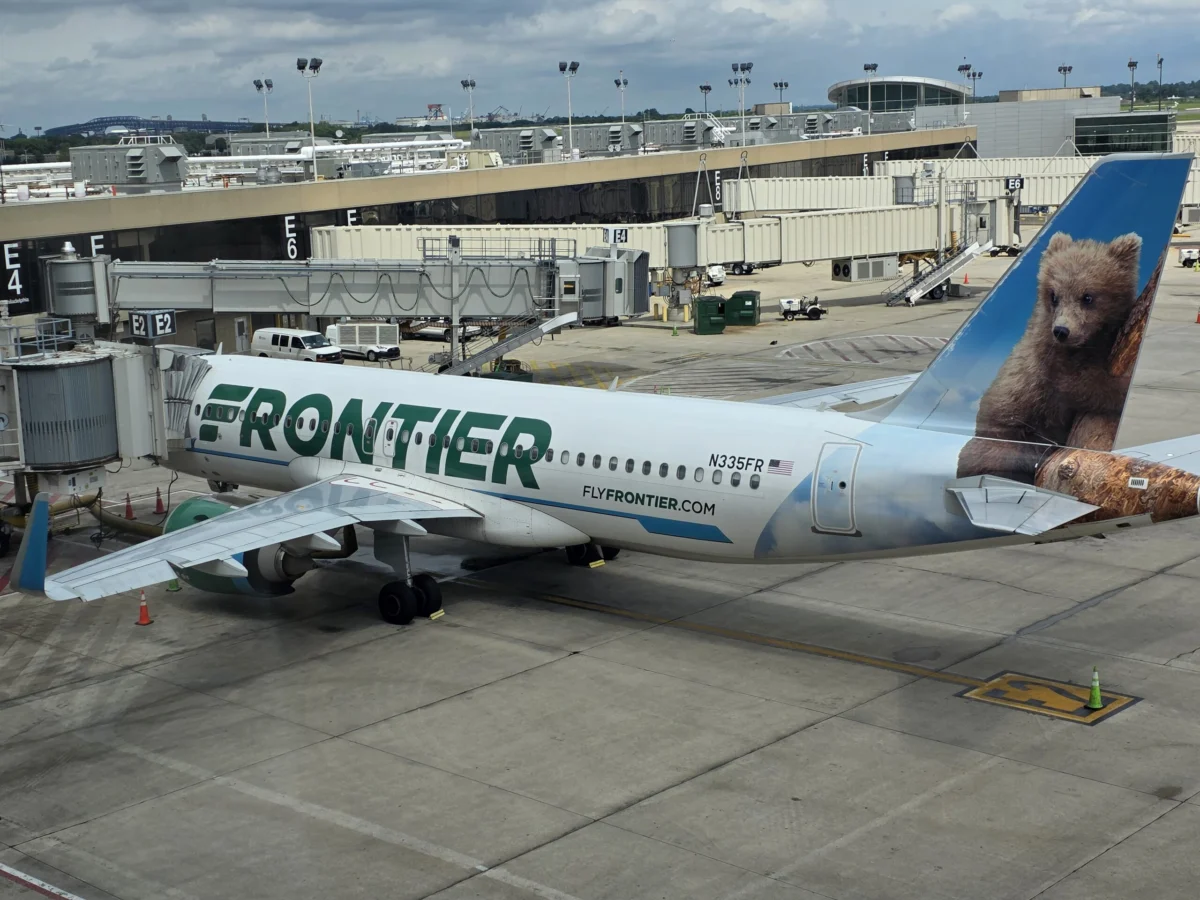
Frontier Airlines, a prominent Denver-based ultra-low-cost carrier, is currently grappling with the legal and operational aftermath of a significant data breach that compromised the sensitive personal information of more than 11,000 individuals. The incident, which has drawn the attention of state regulators and cybersecurity experts, has already resulted in two separate class-action lawsuits filed in federal court. As the airline works to mitigate the damage, the situation highlights the growing vulnerability of the aviation sector to sophisticated cyber-extortion groups and the complex legal hurdles plaintiffs face when seeking damages for data exposure.
The breach was first brought to public light through filings with the Texas Attorney General’s data security breach database. According to the state’s records, an unauthorized party gained access to Frontier’s internal systems over a period of several weeks, beginning on May 12 and continuing through June 3. The intrusion was reportedly discovered by the airline on June 18. The database entry specifies that 11,482 individuals were affected by the incident, with the compromised data including a "treasure trove" of highly sensitive information: full names, residential addresses, Social Security numbers, driver’s license numbers, other government-issued identification, and dates of birth.
The Emergence of Scattered Lapsus$ Hunters
The responsibility for the attack has been claimed by a group calling itself "Scattered Lapsus$ Hunters." While the group’s exact origins remain under investigation, the name appears to be a portmanteau of two of the most notorious cybercriminal entities of recent years: "Scattered Spider" (also known as UNC3944) and the "Lapsus$" group. Both of these entities are known for their aggressive social engineering tactics, targeting of high-profile corporate infrastructure, and high-stakes ransom demands.
Scattered Lapsus$ Hunters reportedly claimed to have exfiltrated a massive cache of data from Frontier’s servers and subsequently issued a ransom demand. While Frontier has acknowledged the breach and confirmed that it engaged an outside cybersecurity firm to lead the forensic investigation, the airline has not publicly confirmed whether a ransom was paid. In a statement regarding the incident, Frontier representatives noted that they had contacted law enforcement and that their internal investigation found no evidence of continuing unauthorized access to their systems.
Legal Challenges and Class Action Filings
The breach has triggered a swift legal response from those affected. On Monday, a passenger filed a proposed class-action lawsuit in the United States District Court for the District of Colorado, alleging that the airline failed to implement adequate security measures to protect consumer data. This was followed on Wednesday by a second lawsuit filed by a Frontier employee, Beach v. Frontier Airlines, Inc.
The employee-led lawsuit accuses the carrier of negligence, invasion of privacy, and a breach of fiduciary duty. The plaintiff seeks to represent a nationwide class consisting of everyone in the United States whose personal information was compromised in the breach. The filings argue that Frontier’s security protocols were insufficient given the known risks in the industry and that the airline failed to provide timely and transparent notification to the victims.
Legal experts note, however, that these lawsuits face a steep uphill battle in federal court due to the requirement of "concrete injury." Under Article III of the U.S. Constitution, plaintiffs must demonstrate that they have suffered a specific, non-speculative harm to have standing in federal court. In many previous data breach cases, courts have ruled that the mere risk of future identity theft or the time spent changing passwords and monitoring credit reports does not constitute a "concrete injury" sufficient for a lawsuit to proceed.
A History of Security Warnings
The recent breach is particularly scrutinized because it follows a series of warnings regarding Frontier’s digital infrastructure. In March, only months before the reported breach began, a security researcher contacted the airline regarding a significant vulnerability on its website. The researcher demonstrated that by using only a passenger’s confirmation number (PNR) and last name—both of which are routinely printed on physical and digital boarding passes—an unauthorized user could access a wealth of passenger data.
This data included contact information, birth dates, passport details, Known Traveler Numbers (KTNs) for TSA PreCheck, payment history, and partial credit card information. While Frontier stated at the time that it had addressed and fixed that specific security flaw, the incident placed the airline on notice regarding systemic weaknesses in its web-facing portals and internal data management practices. The plaintiffs in the current lawsuits are expected to use this prior warning as evidence that the airline was aware of its vulnerabilities yet failed to take comprehensive action to secure its broader network.
Chronology of the Breach and Response
The timeline of the incident suggests a multi-week window of exposure that may have allowed the attackers to move laterally through Frontier’s systems:
- May 12: The initial unauthorized access to Frontier’s systems begins, according to the Texas Attorney General’s report.
- May 12 – June 3: The threat actors maintain access to the network, potentially exfiltrating data over a 22-day period.
- June 3: Unauthorized access is terminated or concludes.
- June 18: Frontier Airlines officially discovers the breach during a security audit or through internal monitoring.
- Late June – Early July: Frontier begins the process of notifying affected individuals and regulatory bodies, such as the Texas Attorney General.
- Monday: The first class-action lawsuit is filed by a passenger in Colorado federal court.
- Wednesday: A second class-action lawsuit is filed by a Frontier employee, alleging negligence and privacy violations.
Industry Implications and the Role of Frontier AI
The breach at Frontier Airlines is not an isolated incident but part of a broader trend of cyberattacks targeting the travel and aviation industry. Airlines are viewed as high-value targets by cybercriminals because they process vast amounts of Personally Identifiable Information (PII) and financial data. Furthermore, the industry relies on a complex web of interconnected legacy systems and modern cloud-based APIs, creating a large attack surface that is difficult to defend uniformly.
A growing concern among cybersecurity analysts is the role of "frontier AI" models in both offensive and defensive operations. The original reports on the Frontier breach suggest that as AI models become more sophisticated, they are being utilized by threat actors to automate the discovery of software vulnerabilities and to craft highly convincing phishing campaigns. Conversely, many organizations are rushing to implement AI-driven security tools to "plug holes" before they can be exploited.
However, the rapid pace of AI development may be outstripping the ability of many corporations to update their defenses. Analysts suggest that while AI can accelerate the detection of a breach, most corporate systems—particularly those in industries with significant technical debt like aviation—cannot be patched or updated fast enough to keep pace with automated exploitation tools.
Broader Impact on Data Privacy and Security
For the 11,482 individuals affected, the breach represents a significant risk to their long-term financial and personal security. While some argue that much of this data is already available on the "dark web" due to previous breaches at other companies, the specific combination of Social Security numbers, driver’s license data, and dates of birth provides a comprehensive profile for identity thieves.

Frontier Airlines has stated that it is offering support to affected individuals, which typically includes credit monitoring and identity restoration services. Nevertheless, the reputational damage to the airline could be lasting. As an ultra-low-cost carrier, Frontier operates on thin margins and relies heavily on consumer trust to maintain its passenger volume. A perceived failure to protect sensitive passenger and employee data could drive customers toward competitors who are seen as having more robust security infrastructures.
As the two class-action lawsuits move through the Colorado federal court system, the legal community will be watching closely to see how the court handles the issue of standing. If the plaintiffs can prove that their data has already been utilized for fraudulent purposes or that the breach caused a direct financial loss, the cases could set a significant precedent for how airline data breaches are litigated in the future.
In the interim, the aviation industry remains on high alert. The "Scattered Lapsus$ Hunters" incident serves as a stark reminder that even relatively small-scale breaches (in terms of the number of individuals affected) can have outsized legal and operational consequences when the data involved is as sensitive as Social Security numbers and government identification. For Frontier Airlines, the focus now shifts from containment to a long-term overhaul of its cybersecurity posture to prevent a recurrence of such a damaging intrusion.