The recent operation of Turkmenistan Airlines’ flight T5 464 from Frankfurt International Airport (FRA) to Ashgabat International Airport (ASB) has provided a rare window into the current state of aviation within one of the world’s most reclusive nations. Utilizing a recently acquired Boeing 777-300ER, previously operated by Cathay Pacific, the national carrier of Turkmenistan is attempting to bridge the gap between its isolationist reputation and modern international service standards. This flight, part of a broader transit route to Delhi, India, underscores a unique intersection of high-end hardware, geopolitical propaganda, and a highly controlled passenger experience that characterizes the Central Asian nation’s approach to civil aviation.

The Strategic Acquisition of the Boeing 777-300ER
The cornerstone of Turkmenistan Airlines’ long-haul modernization effort is the integration of the Boeing 777-300ER. In 2023, the airline took delivery of two ex-Cathay Pacific aircraft, tail numbers EZ-A781 and EZ-A782. These aircraft were acquired to replace aging units and to provide a consistent product on high-profile routes to Europe and Southeast Asia.
The choice to maintain the original Cathay Pacific interiors—renowned for their industry-leading business class configuration—represents a significant leap forward for Turkmenistan Airlines. The business class cabin features a 1-2-1 reverse herringbone layout, providing all 40 passengers with direct aisle access and fully flat-bed seats. This is a stark contrast to the airline’s older Boeing 757 and 737 fleets, which offered more traditional, less competitive regional products.

Despite the high-end hardware, load factors on these routes remain a point of analytical interest. Observers have noted that even during peak summer travel periods, the business class cabins often operate at less than 10% capacity. This discrepancy between capacity and demand is attributed to Turkmenistan’s stringent visa policies, which effectively limit the country to a transit hub rather than a primary destination for Western tourists.
Historical Context: Aviation in the "North Korea of Central Asia"
To understand the operational philosophy of Turkmenistan Airlines, one must consider the geopolitical landscape of the country. Turkmenistan holds the world’s fourth-largest natural gas reserves, a wealth that has funded massive infrastructure projects, including the $2.3 billion Ashgabat International Airport, which opened in 2016. The airport, shaped like a soaring falcon, has a capacity for 17 million passengers per year, yet it currently handles a fraction of that volume.

The country is often compared to North Korea due to its restricted media, lack of political pluralism, and the pervasive cult of personality surrounding the leadership—currently President Serdar Berdimuhamedov and his father, the "National Leader" Gurbanguly Berdimuhamedov. This atmosphere permeates the airline’s branding and in-flight experience. The "Lachyn" in-flight magazine, for instance, serves more as a state gazette than a travel guide, with the majority of its content dedicated to the President’s activities and national industrial achievements.
Analysis of the In-Flight Experience and Service Protocol
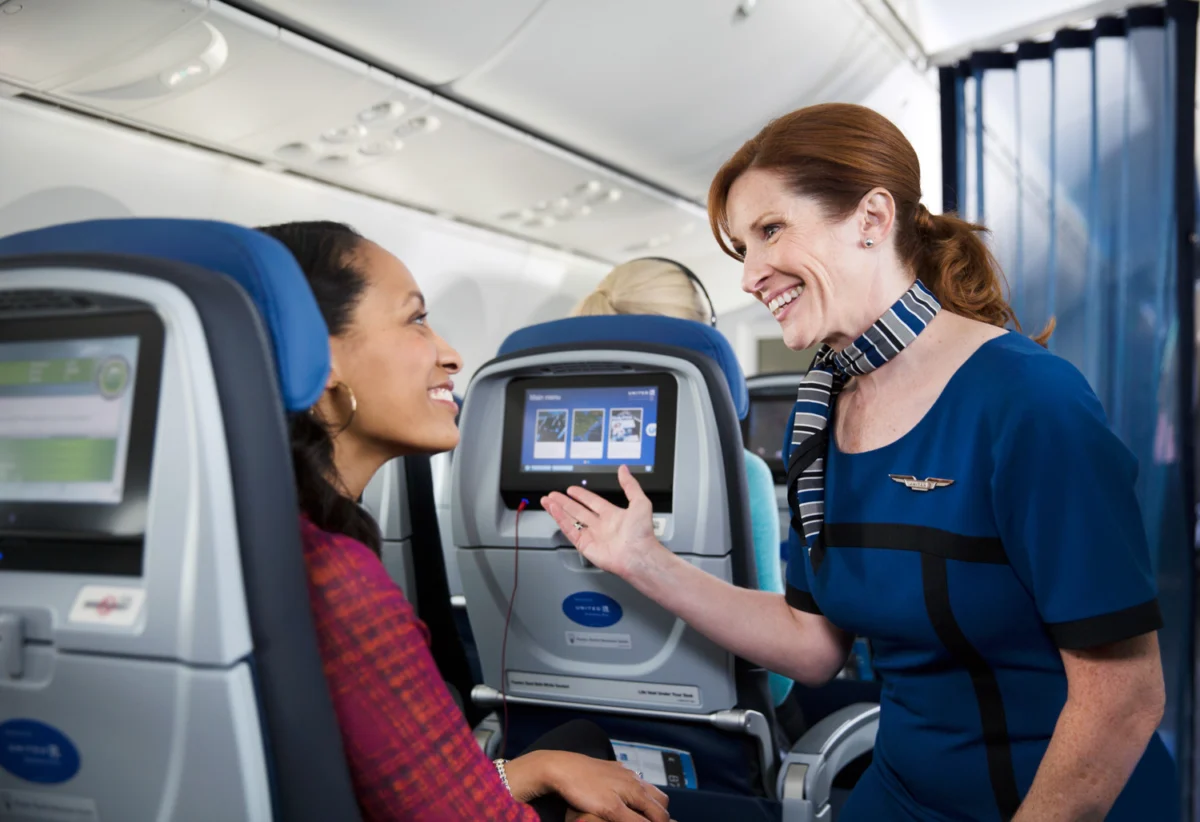
The service aboard Turkmenistan Airlines is described as professional yet strictly regulated. Unlike many global carriers that have moved toward a more relaxed, conversational style of service, Turkmenistan’s cabin crew adhere to a formal protocol. On the Frankfurt to Ashgabat route, reports indicate a high level of attentiveness, particularly in the business class cabin, where the crew-to-passenger ratio can sometimes reach 1:1 or higher.

Catering and Amenities
The culinary offerings reflect a blend of Western and Central Asian influences. A typical business class meal includes:
- Appetizers: Cold cuts, smoked salmon, and fresh seasonal salads.
- Main Course: Options such as braised short ribs with potatoes or traditional poultry dishes.
- Dessert: Cheesecake tarts accompanied by branded chocolates.
While the food quality is noted as high, the beverage service remains a point of curiosity for international travelers. Despite being a majority-Muslim nation, the airline does serve alcohol on international routes, though the presentation and selection are more limited than those of Middle Eastern or European competitors.

In-Flight Entertainment (IFE)
The IFE system remains one of the more idiosyncratic elements of the airline. While the hardware is modern, the content library is sparse and eclectic. Alongside standard Hollywood fare like "The Big Bang Theory," the system has been known to include niche documentary content, such as interviews with American public health officials regarding pandemic management. This suggests a content acquisition strategy that may be more opportunistic than curated.
Operational Efficiency: The "On-Time Machine"
One of the most notable aspects of Turkmenistan Airlines’ operations is its record for punctuality. However, data suggests this is achieved through significant "schedule padding." For example, the flight from Frankfurt to Ashgabat is frequently blocked at 6 hours, despite an actual flying time of approximately 4 hours and 35 minutes.

This practice allows the airline to absorb delays on the ground in Frankfurt—a congested European hub—and still arrive "early" in Ashgabat. For the airline, maintaining a reputation for punctuality is a matter of national prestige. For passengers, particularly those connecting to Delhi or Bangkok, it ensures a reliable, albeit lengthy, transit experience.
The Ashgabat Hub: A Gateway in the Desert
Upon arrival in Ashgabat, transit passengers encounter an environment that has been described as "surreal." The airport is a masterpiece of white marble and gold accents, featuring state-of-the-art security and logistics systems. However, the lack of foot traffic creates a "ghost town" atmosphere.

Security is tight, with a visible presence of uniformed guards throughout the terminal. Photography is strictly prohibited in many areas of the airport, reflecting the state’s broader concerns with surveillance and information control. For the transit passenger, the experience is efficient—lines for security and transfer desks are non-existent—but it lacks the commercial vibrancy found in hubs like Dubai or Istanbul.
Economic and Geopolitical Implications
The continued operation of Turkmenistan Airlines, despite low passenger loads on certain routes, is subsidized by the nation’s vast energy wealth. The airline serves three primary functions:

- National Prestige: Acting as a "flying billboard" for the Turkmen state.
- Cargo Logistics: Utilizing the belly space of the 777-300ER to move high-value goods between Europe and Asia.
- Diplomatic Connectivity: Ensuring the nation remains connected to key political centers like Moscow, Beijing, and London.
Furthermore, the airline’s pricing strategy is aggressive. One-way business class fares from Europe to India via Ashgabat are often priced significantly lower than direct flights or transfers through major Gulf hubs. This makes Turkmenistan Airlines an attractive, if unconventional, choice for budget-conscious business travelers and aviation enthusiasts.
Challenges and Future Outlook
The airline faces several challenges as it looks toward the future. The most pressing is the need to navigate international safety regulations. In 2019, the airline was briefly banned from European airspace by the European Union Aviation Safety Agency (EASA) over safety concerns. While the ban was lifted after the airline demonstrated compliance with international standards, the incident highlighted the difficulties of maintaining a modern safety culture within a closed society.

Additionally, the airline must compete with the rapid expansion of neighboring carriers such as Air Astana and Uzbekistan Airways, both of which have been more successful in liberalizing their aviation sectors and attracting foreign tourism.
For Turkmenistan Airlines to truly thrive, analysts suggest that the country may eventually need to ease visa restrictions. If Ashgabat were to become a more accessible destination, the airline could leverage its high-quality fleet and unique geographic position to become a major player in the Silk Road transit corridor.

Conclusion
Turkmenistan Airlines remains one of the last "mysterious" frontiers in global aviation. The experience of flying their business class on a former Cathay Pacific jet reveals a nation in transition—one that is willing to invest in the finest Western technology while maintaining a rigid, state-controlled environment. While the flight experience is surprisingly pleasant and efficient, it serves as a reminder of the unique role that national carriers play in expressing the identity and ambitions of their home countries. As the airline continues to integrate its new Boeing fleet, it will remain a subject of fascination for the aviation industry and a vital, if quiet, link between the East and the West.