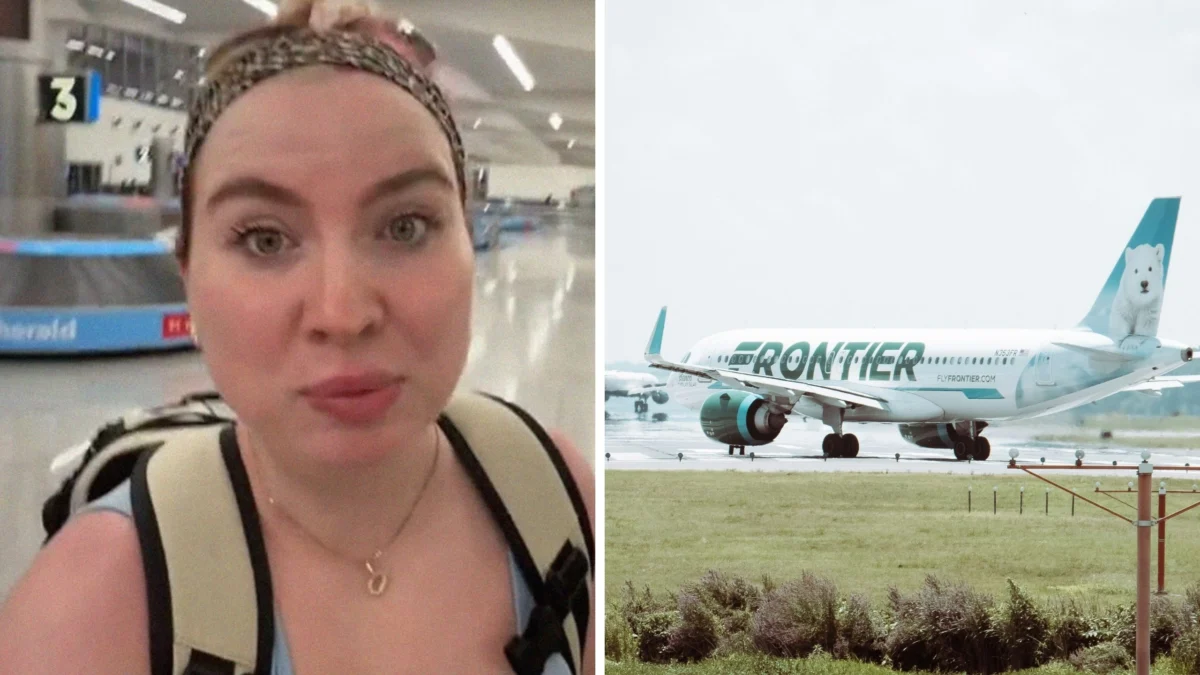
The landscape of American commercial aviation has undergone a significant transformation over the last decade, marked by the aggressive expansion of ultra-low-cost carriers (ULCCs) and the introduction of unconventional ticketing models. At the forefront of this shift is Frontier Airlines, which has recently garnered national attention through its "GoWild! All-You-Can-Fly Pass." This subscription-based service, which promises nearly unlimited flights for a fixed annual or monthly fee, has become a focal point for budget-conscious travelers and digital nomads seeking to minimize transportation overhead. A recent excursion by an Atlanta-based content creator, known digitally as Queen Tay, has highlighted both the immense potential for savings and the logistical complexities inherent in this high-stakes travel strategy.
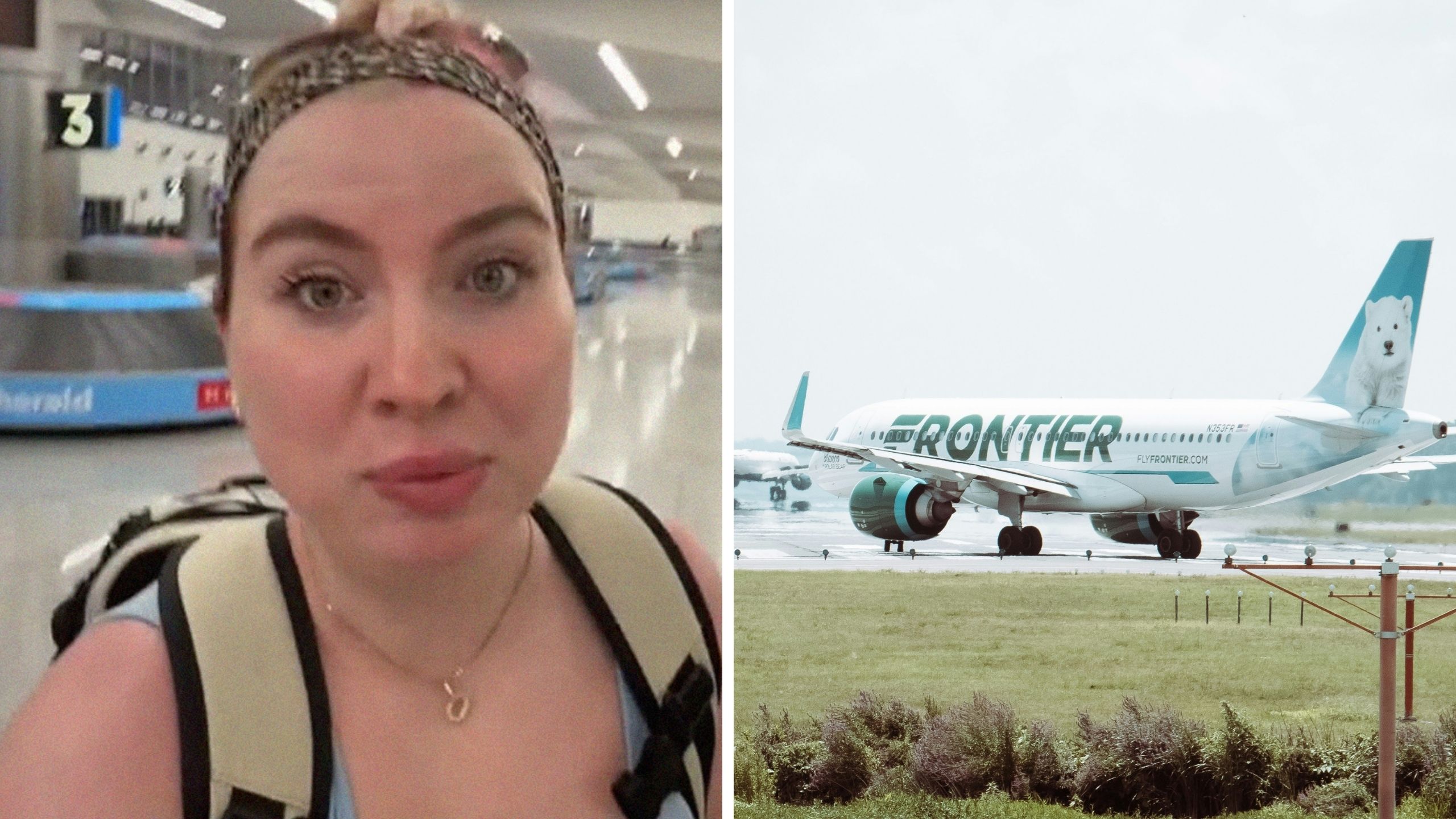
By documenting a whirlwind trip from Atlanta to Boston for a total airfare of just $16, Queen Tay provided a case study in what the industry refers to as "last-minute load factor optimization." Her journey, which began with a 3:00 a.m. arrival at Hartsfield-Jackson Atlanta International Airport, serves as a practical demonstration of how the GoWild Pass functions in a real-world scenario. The traveler arrived in Boston at 7:30 a.m. on a Wednesday, embarking on a day-long exploration of the city’s historic landmarks before navigating a precarious return journey. This specific itinerary underscores the primary requirement of the GoWild Pass: a high tolerance for ambiguity and an ability to operate within the narrowest of booking windows.
The Mechanics of the GoWild Pass
To understand the economic implications of a $16 flight, one must first examine the structural framework of the Frontier GoWild Pass. The program is designed as a subscription service with various tiers, including monthly, seasonal (five-month), and annual options. As of the current fiscal period, prices for these passes typically range from $149 for a monthly membership to $599 for an annual subscription, though Frontier frequently adjusts these rates based on seasonal demand and promotional cycles.
The pass operates on a "last-seat available" logic. For domestic travel, pass holders are permitted to book their flights starting the day before departure. For international destinations, the booking window opens 10 days in advance. While the base airfare is technically reduced to one cent, the traveler remains responsible for all applicable taxes and government fees, which generally result in a minimum cost of approximately $15 to $20 per segment. Furthermore, the pass does not include traditional amenities; seat assignments, carry-on bags, and checked luggage all incur additional costs that can significantly exceed the price of the "fare" itself.
The GoWild Pass also includes a series of "blackout dates," primarily centered around major holidays and peak travel weekends. This ensures that the airline can maximize revenue from full-fare paying passengers during high-demand periods while using pass holders to fill seats that would otherwise remain empty during mid-week or off-peak windows. This strategy allows Frontier to maintain high load factors—a critical metric for airline profitability—across its entire network.
A Chronological Case Study: The Boston Excursion
The utility of the pass is best illustrated through the chronology of a single day’s travel. Queen Tay’s journey began in the early hours of a Wednesday morning, a timeframe traditionally associated with lower business and leisure demand. Upon landing at Boston Logan International Airport at 7:30 a.m., she utilized social media platforms to curate a real-time itinerary, a method increasingly common among "spontaneous travelers."
The itinerary included several of Boston’s most prominent cultural and commercial sites:
- Tatte Bakery & Cafe: A regional staple known for its high-end pastries and Mediterranean-influenced fare.
- The Boston Common: Established in 1634, it is the oldest city park in the United States. The traveler noted the park’s historical significance and its role as a "miniature Central Park" within the urban fabric of New England.
- The Public Garden Swan Boats: A historic attraction that has operated since 1877. The traveler highlighted the affordability of this specific attraction, which costs $4 per ride, contrasting it with the perceived high cost of urban tourism.
- The Boston Public Library: One of the largest municipal public library systems in the country, where the traveler utilized the space for several hours of remote work, demonstrating the synergy between budget travel and the "work-from-anywhere" lifestyle.
However, the journey also highlighted the risks of the "chaotic" travel model. Because the GoWild Pass does not guarantee return availability—and because Frontier does not permit the booking of round-trip tickets under the pass rules—the traveler was forced to monitor alternative transportation options. This culminated in a high-pressure situation where she discovered an Amtrak train departing for her next destination, Saratoga Springs, with only a 20-minute lead time. The successful transition from the airport to the city and then to the rail station required a level of logistical agility that the traveler described as being "for chaotic people only."
Supporting Data and the Economics of ULCCs
The success of programs like the GoWild Pass is rooted in the unique economic model of ultra-low-cost carriers. Unlike legacy carriers such as Delta or United, Frontier relies heavily on "ancillary revenue"—money made from services other than the ticket itself. In 2023, Frontier reported that ancillary revenue per passenger averaged over $70, often surpassing the revenue generated from the base fare.
By offering a pass that encourages more frequent travel, Frontier increases the number of opportunities to sell these high-margin add-ons. Industry analysts point out that a passenger paying $16 for a flight is still likely to pay for a snack, a specific seat, or a bag fee. Moreover, these passengers fill seats that have a marginal cost of near zero for the airline once the plane is scheduled to fly.
The "hidden costs" of such travel are frequently discussed among the user community. On social media platforms like TikTok, experienced GoWild users, such as Trussellent and Thejenndanielle, have shared specialized strategies to maintain the pass’s value. These include:
- The "Personal Item" Strategy: Utilizing a backpack that fits strictly within the 18 x 14 x 8-inch dimensions to avoid the $50–$100 gate fees for carry-on bags.
- Modular Luggage: The use of bags with removable wheels to meet strict size requirements.
- Self-Sustenance: Carrying empty water bottles to fill post-security and bringing pre-packed snacks, as Frontier does not provide complimentary in-flight service.
Official Responses and Consumer Sentiment
In response to the growing trend of "travel hacking" via the GoWild Pass, Frontier Airlines has leaned into the marketing potential of its user base. An official spokesperson for the airline stated, "We love affordable spontaneous travel and that’s why we created the GoWild All-You-Can-Fly Pass." The company actively encourages pass holders to share their experiences on social media, effectively turning their most frequent customers into a decentralized marketing department.
Consumer sentiment, however, remains divided. While many users, like Queen Tay, argue that the pass pays for itself within one or two trips, others express frustration with the lack of predictability. Commenters on Queen Tay’s video expressed a mix of envy and anxiety. One user, Caitlit100, recounted a scenario where a last-minute $16 flight from Tampa to Hartford required a 16-hour layover in San Juan, Puerto Rico. "I landed at 7 p.m. and went straight to the bars and then slept in the airport," she noted, illustrating the physical and mental toll that extreme budget travel can demand.
Other prospective buyers raised concerns regarding the $400 to $600 annual commitment. In response to inquiries about whether the fee is "worth it," Queen Tay asserted that "even just one trip a month is more than enough to make it worth it," provided the traveler has the flexibility to accommodate the airline’s schedule rather than their own.
Broader Impact and Industry Implications
The rise of the "all-you-can-fly" model has broader implications for the aviation industry and urban tourism. First, it democratizes air travel for a demographic that may have previously been priced out of spontaneous trips. Second, it shifts the burden of planning from the airline to the consumer. In a traditional model, the airline attempts to predict demand; in the GoWild model, the airline provides the capacity, and the consumer must "hunt" for the value.
From an environmental perspective, the model is a double-edged sword. While it ensures that planes are flying at maximum capacity (which is more fuel-efficient per passenger), it also encourages more frequent short-term trips that might not have otherwise occurred. As Frontier continues to modernize its fleet with more fuel-efficient Airbus A320neo aircraft, the airline argues it is minimizing its carbon footprint per seat-mile, even as it increases the total number of passengers.
Ultimately, the GoWild Pass represents a new frontier in the "gamification" of travel. It transforms the act of booking a flight into a strategic exercise, rewarding those who can navigate complex rules and last-minute changes with unprecedentedly low costs. For travelers like Queen Tay, the "whimsy" of a $16 trip to Boston is worth the risk of a 3:00 a.m. wake-up call and a 20-minute dash to a train station. For the aviation industry, it is a bold experiment in loyalty and inventory management that may dictate the future of budget travel in the United States.