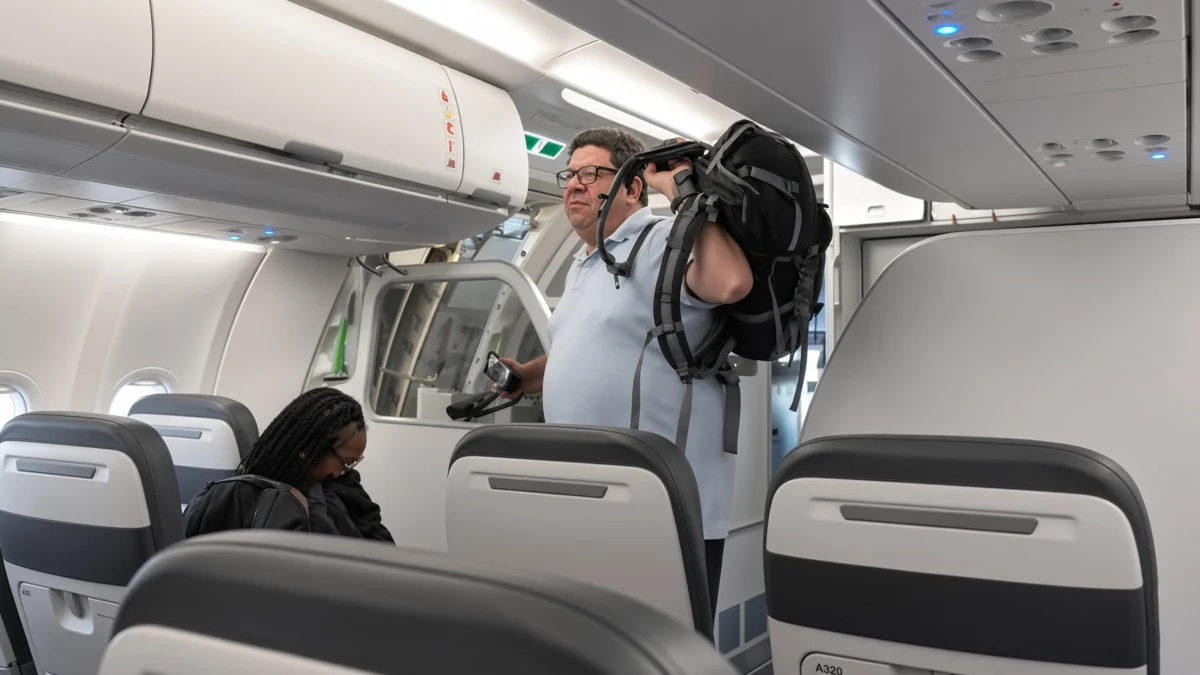
A standard morning commute turned into a logistical nightmare for passengers aboard a Frontier Airlines flight departing from Dallas-Fort Worth International Airport (DFW) on August 14, as an incident involving a large dog resulted in a three-hour departure delay. The disruption occurred when a service animal, brought on board by a passenger, defecated on the floor of the cabin and reportedly onto the feet of a fellow traveler. The incident has once again highlighted the ongoing friction between airline policies regarding service animals, the enforcement of federal regulations, and the challenges faced by cabin crews tasked with maintaining sanitary and safe environments at 30,000 feet.
Chronology of the Incident
The flight, which was scheduled for a 9:25 a.m. departure bound for Baltimore/Washington International Thurgood Marshall Airport, was grounded before it could push back from the gate. According to accounts shared by passengers in a private digital community for Frontier GoWild! Pass holders, the atmosphere on the aircraft quickly soured as the smell of the animal’s accident permeated the cabin.
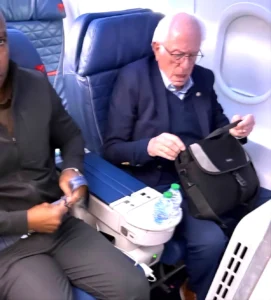
Video footage captured in the aftermath of the event shows a male passenger, accompanied by a large dog, gathering his personal belongings near the front of the aircraft. The man is observed gesturing toward other passengers before exiting the plane through the forward doorway. The video, which circulated widely on social media platforms, was captioned with the blunt observation, "He pooped on her foot."
For the remaining passengers, the incident initiated a lengthy and frustrating wait. Reports from the scene indicated that the aircraft remained stationary at the gate for approximately 90 minutes while airline staff attempted to manage the cleanup process and determine the next steps regarding the dog and its owner. Ultimately, the time required to sanitize the affected area, combined with the procedural delays associated with removing a passenger and his animal from the manifest, resulted in a total delay exceeding three hours.
The Regulatory Landscape and Service Animal Definitions
The conflict between passengers traveling with animals and the airlines tasked with transporting them is rooted in a complex evolution of federal guidelines. In recent years, the U.S. Department of Transportation (DOT) has significantly overhauled its definition of service animals. As of 2021, the DOT finalized a rule stating that airlines are no longer required to recognize emotional support animals (ESAs) as service animals.

Under current federal regulations, a service animal is defined exclusively as a dog, regardless of breed or type, that is individually trained to do work or perform tasks for the benefit of a person with a disability. This regulatory shift was intended to curb the proliferation of pets being passed off as service animals—a practice often driven by the desire to bypass pet fees, avoid the confinement of an under-seat carrier, or circumvent restrictions on larger animals in the cabin.
However, the incentive to misrepresent pets remains high. For many owners, paying the necessary cargo fees or adhering to the weight and carrier requirements for a pet is financially or logistically prohibitive. By claiming an animal is a trained service dog, passengers can frequently bring large animals into the cabin at no additional cost. When these animals have not been professionally trained for the high-stress environment of air travel, the risks of accidents, aggression, or disruptions increase significantly.
Airline Policy and Enforcement Challenges
Frontier Airlines, like most major carriers, maintains strict policies regarding the behavior of service animals. Their official guidelines clearly state that animals exhibiting disruptive behavior—specifically including urinating or defecating in the cabin or at the gate area—can be denied boarding. This policy is supported by federal law, which grants airlines the authority to exclude any animal that poses a direct threat to the health or safety of others or causes a significant disruption to operations.
The incident at DFW underscores the difficulty of enforcing these policies in real-time. Gate agents and flight crews are often placed in the uncomfortable position of having to verify the status of an animal while balancing the rights of passengers with disabilities against the collective comfort and safety of the flight manifest.
Furthermore, the response to such incidents varies wildly across the industry. In previous instances reported by aviation enthusiasts and news outlets, airlines have been criticized for their inconsistent handling of soiled cabins. Some carriers have been accused of expecting passengers to clean up after other people’s animals, while others have been criticized for allowing flights to continue despite lingering health hazards. Frontier’s decision to ground the flight for a professional cleaning, while inconvenient for the passengers involved, aligns with basic public health and sanitation standards required for commercial air travel.
Broader Implications for Air Travel
The frequency of these incidents suggests a broader systemic issue within the airline industry. As air travel volume returns to pre-pandemic levels, the number of animals accompanying passengers has grown. Without a standardized, federalized certification process for service dogs, airlines are left to rely on self-attestation forms required by the DOT. While these forms carry legal weight—making it a federal crime to knowingly provide false information—the lack of an in-person vetting process at the gate makes fraud difficult to detect.
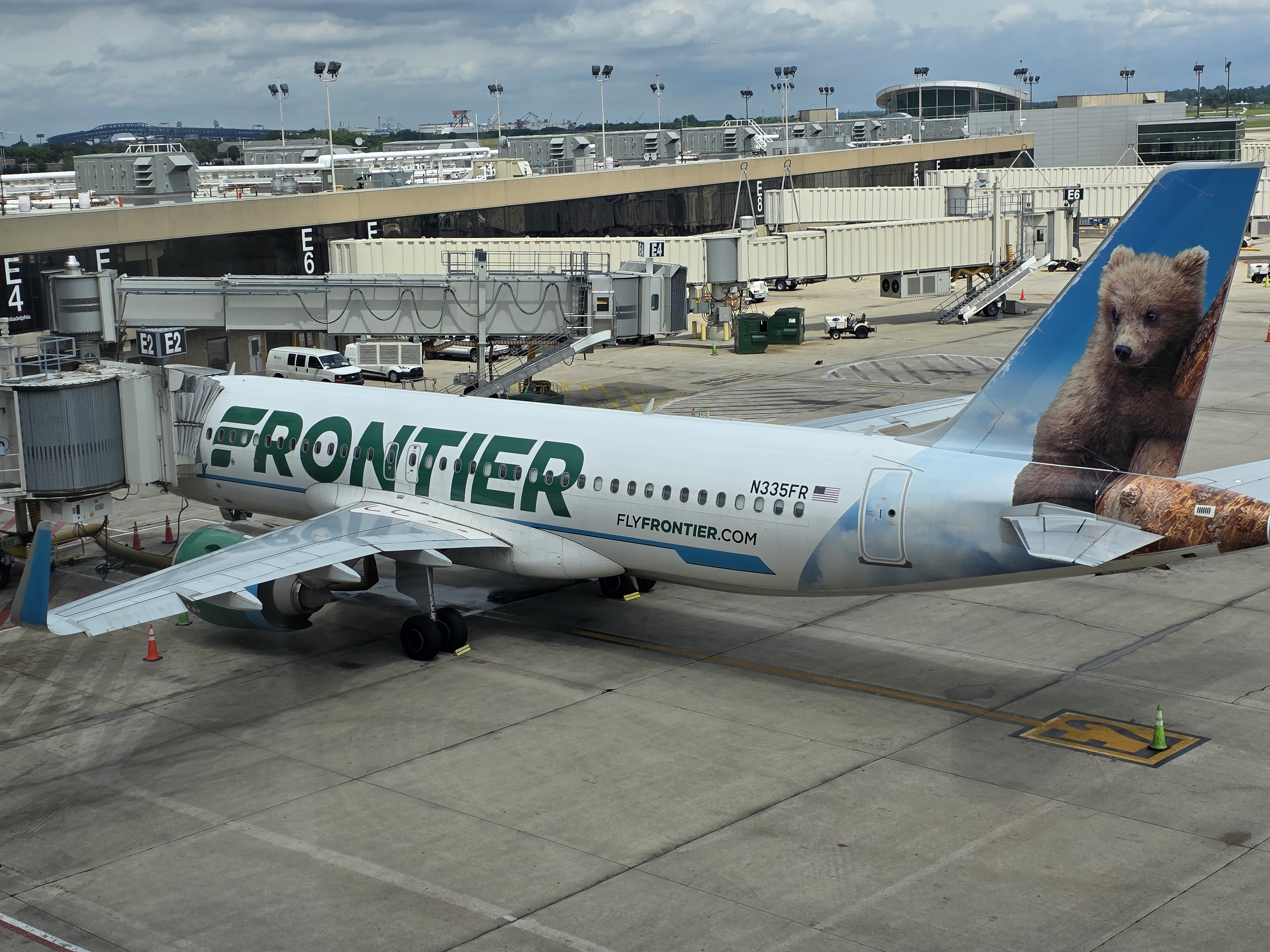
Industry analysts point out that the cost of such disruptions is not merely monetary. Beyond the fuel costs, crew duty-time limitations, and potential compensation for delayed passengers, there is the intangible cost of public trust. When a flight is delayed due to an avoidable incident, the entire operation is pushed back, often causing a "cascading effect" that disrupts subsequent flights throughout the day.
For passengers, the experience creates a heightened sense of anxiety. Travelers with allergies, phobias, or those simply seeking a sanitary environment are increasingly frustrated by the lack of clear, actionable oversight regarding animals in the cabin. The incident on the Dallas to Baltimore flight serves as a reminder that until there is a more robust method for validating the training of service animals, or stricter enforcement of the "disruptive behavior" clauses by all airlines, these incidents are likely to persist.
Future Outlook and Policy Recommendations
As the industry moves forward, advocacy groups and airline trade associations continue to debate the balance between accessibility and operational efficiency. Many suggest that moving toward a more centralized, third-party verification system for service animals could alleviate the burden on frontline airline employees. Others advocate for more severe penalties for those who misrepresent pets as service animals, arguing that such actions compromise the integrity of the ADA-protected rights of individuals who genuinely rely on trained service dogs.
For now, travelers are advised to remain vigilant regarding airline policies. If a passenger encounters an animal that appears to be acting in a disruptive manner, the standard protocol remains to notify flight attendants immediately. While the frustration of a three-hour delay is significant, the priority for the crew remains the safety and sanitation of the aircraft cabin.
The incident on August 14 serves as a potent case study for the necessity of clear, enforceable guidelines. Whether through better-trained animals, more stringent documentation, or more consistent airline responses, the goal remains the same: ensuring that the air travel environment remains professional, safe, and efficient for all passengers, regardless of the unique requirements of their traveling companions. As the aviation sector continues to grapple with these challenges, the story of the Frontier Airlines flight stands as a testament to the ongoing tension between personal convenience and the shared responsibilities of the flying public.