
Global efforts to combat viral hepatitis are yielding significant, measurable progress in reducing infections and deaths, yet the disease remains a formidable global health challenge, according to a comprehensive report released today by the World Health Organization (WHO). The findings, unveiled at the World Hepatitis Summit, paint a picture of both encouraging advancements and critical areas where accelerated action is urgently needed to meet ambitious elimination targets by 2030.
Viral hepatitis B and C, the two primary culprits responsible for an overwhelming 95% of hepatitis-related fatalities worldwide, claimed an estimated 1.34 million lives in 2024, according to the latest available data. This stark figure underscores the ongoing severity of the epidemic. Concurrently, the relentless march of transmission continues, with an alarming rate of over 4,900 new infections occurring daily, translating to approximately 1.8 million new cases annually. This persistent transmission rate poses a direct threat to achieving global elimination goals.
The "2026 Global Hepatitis Report," meticulously compiled by the WHO, meticulously documents the substantial gains achieved since 2015, a pivotal year for global health initiatives. During this period, the annual incidence of new hepatitis B infections has seen a notable decrease of 32% globally. Similarly, hepatitis C-related deaths have declined by 12% worldwide. A particularly encouraging trend is the reduction in hepatitis B prevalence among children under five years of age, which has fallen to 0.6%. Furthermore, a significant milestone has been reached, with 85 countries now achieving or surpassing the 2030 target of a 0.1% prevalence rate in this vulnerable age group.
These hard-won achievements are a direct testament to the impact of sustained, coordinated global and national strategies. Following the adoption of WHO’s viral hepatitis elimination targets by Member States at the World Health Assembly in 2016, a renewed sense of urgency and a framework for action were established. However, the report issues a stern warning: the current pace of progress, while commendable, is insufficient to meet all of the critical 2030 elimination targets. This highlights an urgent and pressing need to intensify prevention, testing, and treatment efforts on a global scale.
"Around the world, countries are showing that eliminating hepatitis is not a pipedream; it’s possible with sustained political commitment, backed by reliable domestic financing," stated Dr. Tedros Adhanom Ghebreyesus, WHO Director-General, in a press conference following the report’s release. "At the same time, this report shows that progress is too slow and uneven. Many people remain undiagnosed and untreated due to stigma, weak health systems, and inequitable access to care. While we have the tools to eliminate hepatitis as a public health threat, urgent scale-up of prevention, diagnosis, and treatment is needed if the world is to meet the 2030 targets."
The Global Burden and Persistent Gaps in Response
The latest WHO estimates reveal a staggering figure: approximately 287 million people were living with chronic hepatitis B or C infection in 2024. This represents a substantial reservoir of individuals at risk of developing severe liver disease, including cirrhosis and liver cancer.
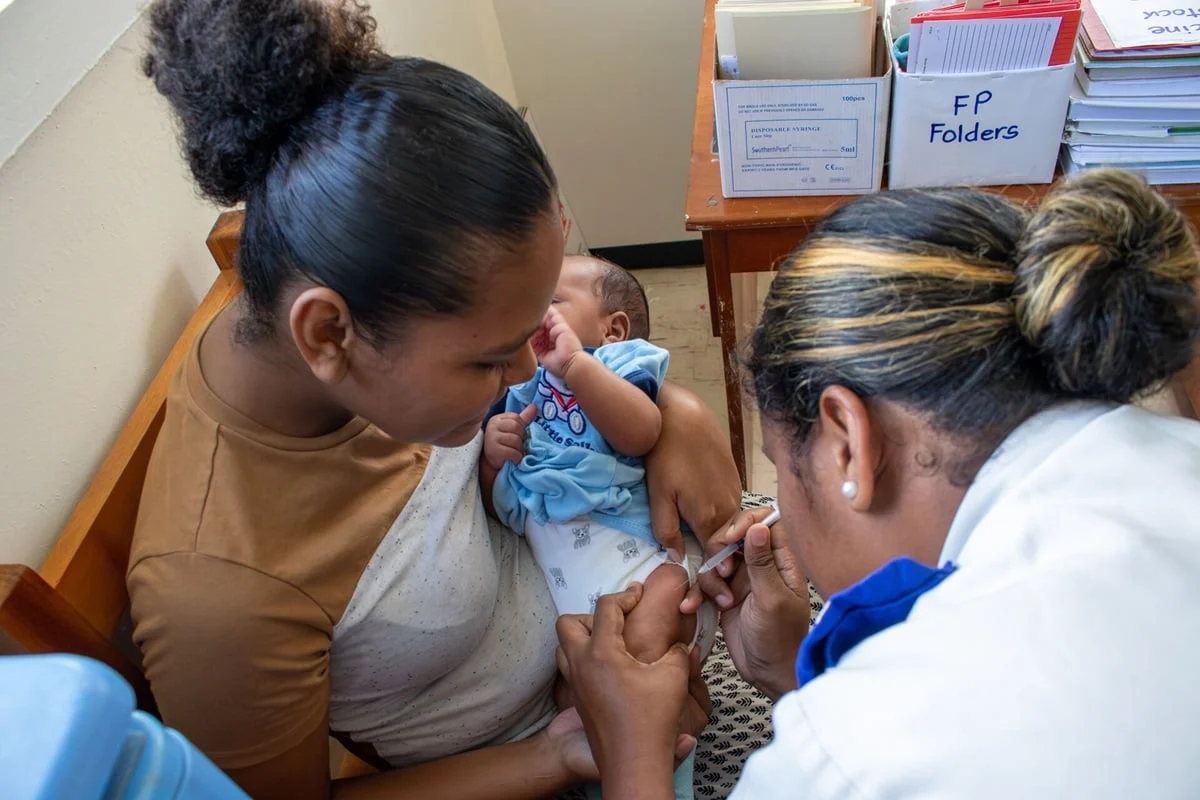
In 2024 alone, an estimated 0.9 million people contracted new hepatitis B infections. The WHO African Region bore a disproportionately high burden, accounting for a staggering 68% of these new infections. This alarming statistic is further compounded by the fact that only 17% of newborns in this region received the crucial hepatitis B birth-dose vaccination – a vital preventive measure that can dramatically reduce vertical transmission.
Adding to the global toll, another 0.9 million hepatitis C infections were recorded in the same year. A significant proportion of these new infections, specifically 44%, were linked to people who inject drugs. This finding underscores the critical and urgent need for enhanced harm reduction services, including the provision of sterile injection equipment and comprehensive drug treatment programs, alongside the promotion of safe injection practices within communities.
Despite the availability of highly effective treatments, access remains a major barrier. Of the 240 million individuals living with chronic hepatitis B in 2024, fewer than 5% were receiving antiviral treatment. The situation for hepatitis C, while showing more progress in treatment uptake since 2015, still leaves many behind. Since the introduction of a groundbreaking 12-week treatment regimen with a cure rate of approximately 95%, only 20% of people with hepatitis C have been treated.
The cumulative effect of limited access to prevention and care is starkly reflected in the mortality figures. In 2024, an estimated 1.1 million people died from hepatitis B and 240,000 from hepatitis C. The primary causes of these preventable deaths were liver cirrhosis and hepatocellular carcinoma, aggressive forms of liver cancer. A substantial share of hepatitis B-related deaths occurred in the African and Western Pacific Regions, highlighting regional disparities in disease burden and access to care.
A concentrated burden of hepatitis B-related deaths was observed in ten countries: Bangladesh, China, Ethiopia, Ghana, India, Indonesia, Nigeria, the Philippines, South Africa, and Vietnam. These nations collectively accounted for 69% of global hepatitis B deaths in 2024. While hepatitis C-related deaths are more geographically dispersed, ten countries, including China, India, Indonesia, Japan, Nigeria, Pakistan, the Russian Federation, South Africa, the United States of America, and Vietnam, were responsible for 58% of the global total in 2024.
Proven Solutions and the Road Ahead
Despite the formidable challenges, the report highlights beacons of hope, showcasing countries like Egypt, Georgia, Rwanda, and the United Kingdom that have demonstrated that eliminating hepatitis as a public health problem is an achievable reality, provided there is sustained commitment and adequate investment. These success stories offer valuable lessons and a blueprint for other nations striving towards similar goals.
The WHO emphasizes that highly effective tools and interventions are already available to combat viral hepatitis. These include:
- Vaccination: The hepatitis B vaccine is safe, effective, and has been instrumental in reducing childhood infections.
- Screening and Diagnosis: Rapid diagnostic tests and more sophisticated laboratory methods allow for timely identification of infected individuals.
- Antiviral Therapies: Direct-acting antivirals (DAAs) for hepatitis C offer a cure for the vast majority of patients, and new antiviral treatments for hepatitis B are also available and improving.
- Harm Reduction Strategies: For populations at risk, such as people who inject drugs, harm reduction programs are crucial in preventing transmission.
- Prevention of Mother-to-Child Transmission (PMTCT): Interventions like timely vaccination of newborns and antiviral prophylaxis for pregnant mothers can prevent the transmission of hepatitis B from mother to child.
"The data shows that progress is possible but also reveals where we are falling short," commented Dr. Tereza Kasaeva, Director of the WHO Department for HIV, TB, Hepatitis, and Sexually Transmitted Infections. "Every missed diagnosis and untreated infection due to chronic viral hepatitis represents a preventable death. Countries must move faster to integrate hepatitis services for people living with hepatitis B and C into primary care, and to reach the communities most affected."
The report outlines a series of priority actions necessary to accelerate hepatitis elimination as a public health threat. Key among these is the imperative to scale up treatment for chronic hepatitis B infection, with a particular focus on the WHO African and Western Pacific regions, where the burden of disease and transmission rates remain high. Concurrently, there is a call to expand access to hepatitis C treatment, especially within the WHO Eastern Mediterranean Region, where significant gaps persist.
Furthermore, the report unequivocally calls for strengthened political commitment and increased financial investment from national governments. This includes improving the coverage of hepatitis B birth-dose vaccination and expanding antiviral prophylaxis to effectively prevent mother-to-child transmission of HBV infection, with a critical emphasis on the WHO African Region. In addition, the report underscores the vital need to enhance injection safety in both healthcare settings and community practices. This encompasses strengthening harm reduction services for individuals who inject drugs, recognizing this group as particularly vulnerable to hepatitis C transmission.
The World Hepatitis Summit, held annually, serves as a critical platform for global stakeholders to convene, share best practices, and renew commitments to combatting viral hepatitis. The 2024 summit, in particular, comes at a crucial juncture, with the 2030 elimination targets looming. Discussions at the summit are expected to focus on innovative financing mechanisms, strategies to overcome persistent barriers to access, and the integration of hepatitis services into broader healthcare systems. The participation of policymakers, healthcare professionals, researchers, and patient advocates ensures a multi-faceted approach to tackling this global health menace. The report’s findings will undoubtedly shape the agenda and drive the urgent actions needed to prevent millions of premature deaths and achieve a hepatitis-free future.










Leave a Reply