The modern travel landscape is experiencing a dynamic shift, characterized by evolving airline loyalty program promotions, structural changes in hotel co-branded credit card offers, retail partnerships bridging e-commerce with food delivery, and ongoing macroeconomic debates affecting consumer transactions. As holiday planning and winter travel preparations accelerate, travelers and consumers are navigating a complex array of updates spanning aviation, hospitality, retail, and financial regulations. From lucrative credit card transfer bonuses and newly announced hotel statement credits to controversial regulatory proposals regarding credit card swipe fees and cross-industry partnerships, staying informed is critical for maximizing value and understanding broader economic implications.

Airline Loyalty Promotions and Transfer Bonuses
Aviation enthusiasts and frequent flyers have a unique window of opportunity to maximize their points and miles balances through targeted promotions and strategic transfer bonuses. Airline shopping portals are currently running lucrative campaigns that allow online shoppers to earn thousands of bonus miles before completing everyday purchases. For travelers looking to boost specific airline balances quickly, shopping portal promotions remain one of the most efficient non-flight earning mechanisms available.

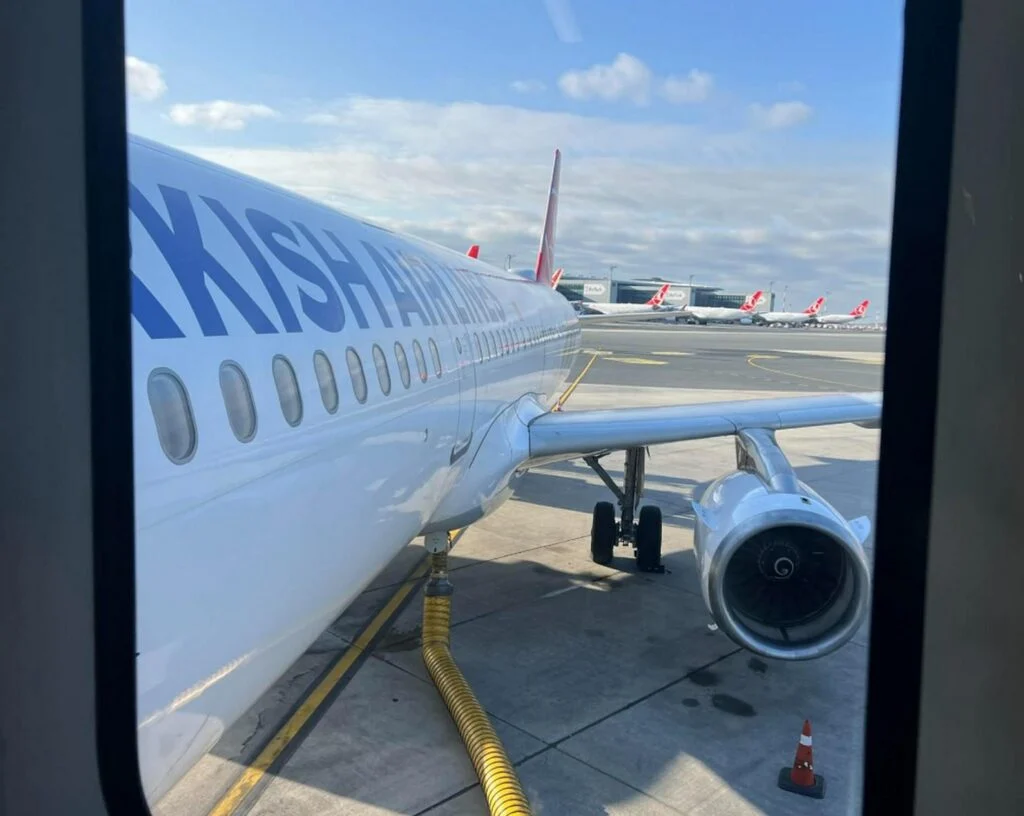
Simultaneously, major international carriers are rolling out aggressive transfer bonuses to capture consumer loyalty during the competitive pre-holiday booking window. Notably, Turkish Airlines has announced a 40% bonus on Citi ThankYou point transfers through November 30. This promotion gives eligible cardholders the chance to secure up to 50,000 bonus Miles&Smiles miles, opening up substantial opportunities for discounted premium cabin redemptions across Turkish Airlines’ extensive global network connecting North America, Europe, and the Middle East through its Istanbul hub.
In addition to transfer bonuses, low-cost and domestic carriers are providing immediate relief to points-conscious travelers. Southwest Airlines recently launched a major award sale offering a 25% discount on both domestic and international award flights for travel extending through March 10, 2027. Crucially, this promotion requires no promotional code, simplifying the booking process for Rapid Rewards members seeking to lock in winter and spring getaways at a fraction of the usual point cost. However, travelers must balance these perks against rising operational costs; airlines continue to adjust ancillary fees, exemplified by carriers like JetBlue implementing multiple checked bag fee increases within a single calendar year.

Hotel Rewards and Co-Branded Card Incentives
The hospitality sector is equally competitive, with major hotel chains and credit card issuers introducing targeted statement credits and promotional offers designed to stimulate travel spending across global markets. A prominent development in this space is the introduction of a new IHG American Express Offer, which provides cardholders with a $50 statement credit upon spending a cumulative $250 or more at participating IHG properties.

This offer applies to select properties across a wide geographic footprint, including the United States, Canada, Mexico, the Caribbean, Germany, Japan, and the United Kingdom. A key feature of this promotion is its additive spend requirement, meaning cardholders do not need to meet the $250 threshold in a single transaction. Instead, eligible spending can be spread across multiple stays or properties over the duration of the promotion, offering valuable flexibility for business travelers and vacationers alike.
Amid these promotional tailwinds, however, industry observers continue to scrutinize premium cabin product developments and consistency across global carriers. Recent reveals from airlines such as Singapore Airlines have sparked nuanced debates among aviation analysts. While the carrier’s newly unveiled first-class suites have been widely praised for maintaining the airline’s hallmark luxury standards, its updated business-class finishes—featuring distinctive yellow striping and standardized gray tones—have drawn mixed reviews from frequent flyers. Critics argue that the aesthetic choices risk looking overly utilitarian or derivative of lower-cost sister carriers, highlighting the ongoing challenge airlines face in harmonizing design language across distinct cabin classes.

Financial Regulations and the Debate Over Credit Card Merchant Swipe Fees
Beyond direct consumer promotions, foundational changes to the financial architecture underpinning retail and travel purchases are currently being debated at the regulatory level. Proposed government interventions aimed at reducing credit card merchant swipe fees have ignited fierce discussions among economists, banking institutions, and consumer advocacy groups.

Recent research published by economists at the Federal Reserve Bank of Philadelphia sheds light on the complex economic trade-offs associated with potential fee caps. While proponents argue that lower merchant fees would reduce operating costs for businesses and potentially lower retail prices for consumers, the Philadelphia Fed analysis warns of unintended consequences. Specifically, the data indicates that interchange revenues collected by banks when consumers use credit cards play a critical role in funding the lucrative rewards programs, cash-back incentives, and favorable borrowing terms that consumers currently enjoy.
If legislative or regulatory measures significantly curtail these fee revenues, financial institutions are widely expected to scale back rewards structures, introduce higher annual fees, or tighten credit availability. Consequently, consumers who diligently pay off their balances and maximize points and miles could experience a direct erosion of the value proposition associated with modern credit card usage, demonstrating how deeply intertwined everyday consumer habits are with institutional financial frameworks.

Cross-Industry Partnerships: Amazon and Uber Eats Integration
The intersection of retail e-commerce and on-demand delivery reached a significant milestone with the nationwide rollout of a partnership between Amazon and Uber Eats. Under this new integration, Amazon Prime members across the United States can now place restaurant orders directly through the Amazon.com website and the Amazon Shopping app.

A central pillar of the collaboration is the inclusion of a $0 delivery fee on eligible restaurant orders exceeding $25 for Prime subscribers. This strategic alignment mirrors successful co-branding models seen in travel and hospitality, designed to increase ecosystem stickiness and provide tangible, recurring value to subscription holders. By embedding food delivery into the primary e-commerce interface, both companies aim to capture a larger share of consumer wallet spend while streamlining digital convenience. Market analysts will be closely monitoring adoption rates to determine whether this cross-platform integration prompts similar defensive partnerships across the retail and logistics sectors.
Health Regulations and International Travel Compliance

International travel protocols continue to require vigilance from passengers navigating cross-border journeys. In response to ongoing public health monitoring, specific administrative requirements remain mandatory for inbound travel to the United States.
Travelers flying to the U.S. from international origins are currently subject to health attestation protocols, which include confirming that they have not spent time in the Democratic Republic of the Congo during the 21-day window preceding their flight. Public health authorities emphasize that these compliance measures apply universally to international itineraries regardless of whether the passenger’s journey originated in or near the African continent, underscoring the strict procedural steps required for seamless border entry in the post-pandemic travel era.

Unique Retail Events and Seasonal Consumer Trends
As the winter season approaches, unique retail phenomena continue to capture consumer interest. Scottsboro, Alabama, is preparing for its highly anticipated annual Winter and Ski Event at Unclaimed Baggage, a massive retail institution known for reselling lost airline luggage and unclaimed cargo. Drawing shoppers from across the country, the multi-day event marks a major seasonal milestone for bargain hunters seeking discounted winter apparel, ski gear, and travel accessories.

Simultaneously, innovators in consumer goods continue to leverage crowdfunding platforms like Kickstarter to launch weather-resistant apparel tailored for modern travelers. Products such as the KAPOK reversible winter jacket—designed to maximize thermal insulation without adding bulk—reflect a broader consumer demand for versatile, packable travel gear that performs across varying climates without compromising aesthetic appeal.
Conclusion

Navigating the contemporary consumer and travel ecosystem requires a strategic approach to balancing promotional opportunities with shifting economic and regulatory realities. Whether capitalizing on airline transfer bonuses, managing hotel statement credits, adapting to new cross-industry retail integrations, or monitoring structural changes to financial services, staying informed remains the most effective tool for modern consumers seeking to optimize their purchasing power and travel experiences.