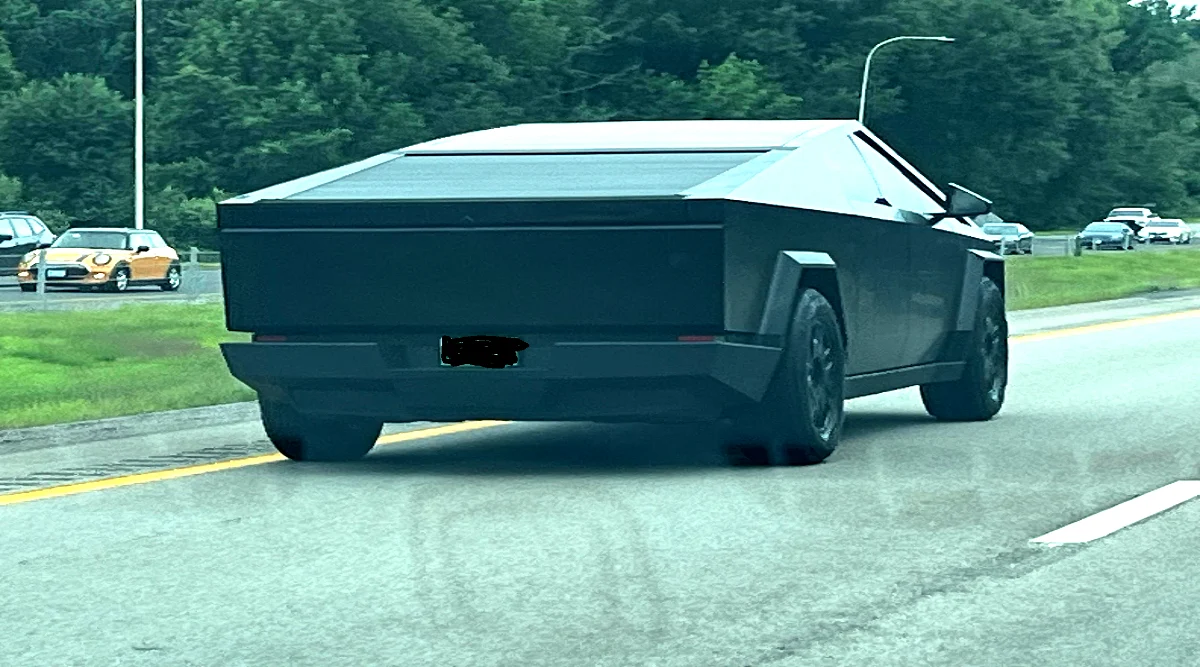
Tesla has officially announced plans to wind down production of the Cybertruck at its Gigafactory Texas facility by the middle of 2026. This decision marks a significant shift in strategy for the automaker, which originally introduced the angular electric pickup with high-volume ambitions in 2019. The move is intended to reallocate manufacturing capacity toward the upcoming Cybercab robotaxi, signaling a pivot away from the utility vehicle market and toward autonomous transport systems.
The cessation of the Cybertruck program follows a tumultuous three-year production cycle characterized by missed sales targets, significant capital expenditure, and persistent questions regarding the vehicle’s market fit. While the Cybertruck served as a high-visibility marketing tool for Tesla, its actual contribution to the company’s bottom line has been a subject of intense scrutiny from investors and industry analysts alike.
Chronology of the Cybertruck Era
The journey of the Cybertruck began in November 2019, when CEO Elon Musk unveiled the prototype in Hawthorne, California. At the time, Tesla promised a disruptive, stainless-steel-clad vehicle that would challenge the dominance of established players like Ford and General Motors in the lucrative American pickup truck segment. Musk famously projected annual sales of 250,000 units, suggesting the truck would be a cornerstone of Tesla’s volume growth.
However, the path to production was fraught with delays. The vehicle did not reach initial customer deliveries until late 2023, missing several internal launch targets. By 2025, production had ramped up, but it remained a fraction of the original projections. Analysis of delivery data indicates that throughout 2025, Tesla delivered approximately 17,012 units. When aggregated over its full production life, industry estimates suggest total sales reached roughly 70,000 units—a figure far below the initial expectations set by Tesla’s leadership.
Financial Performance and Capital Allocation
The financial footprint of the Cybertruck project has drawn criticism for its lack of efficiency. Industry observers have pointed to the significant research and development costs required to bring the unique, exoskeleton-based vehicle to market. Reports suggest that Tesla invested upwards of $2 billion into the R&D and tooling necessary for the project.
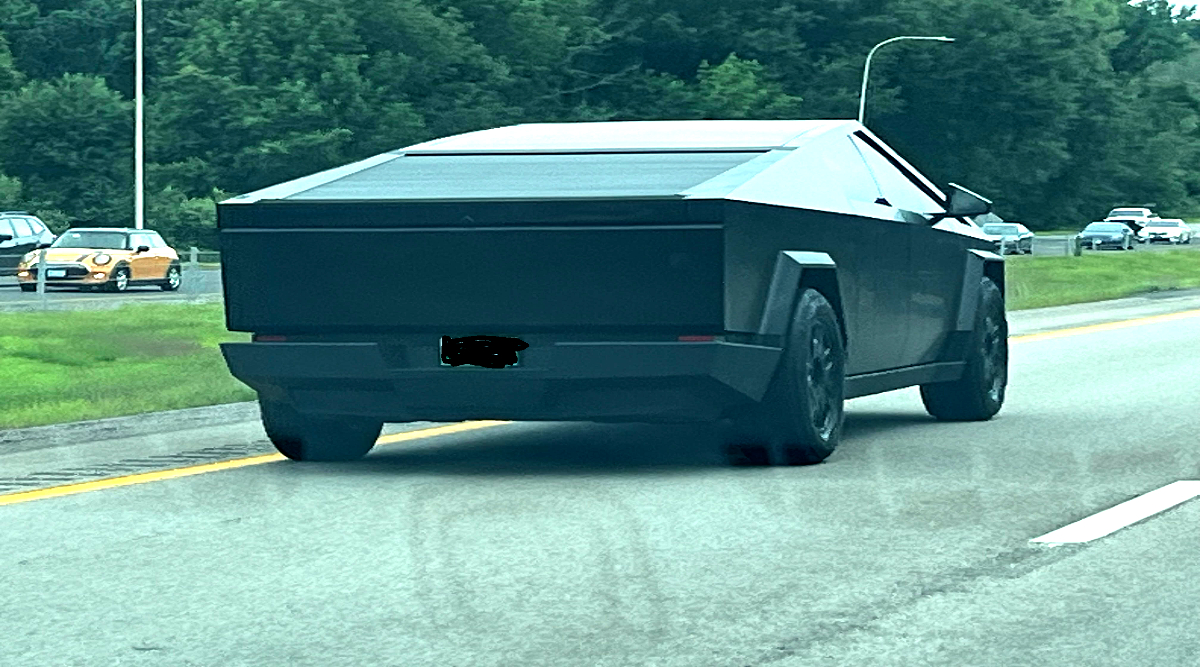
Against this investment, the return has been modest. Analysts have estimated that the project generated approximately $100 million in gross profits, resulting in a net project loss nearing $1.9 billion. This discrepancy between capital deployment and actual sales revenue has been cited by institutional investors as a primary reason for the company’s pivot. The decision to shutter the line serves as a corrective measure to stabilize the company’s capital efficiency as it prepares to scale the Cybercab, a vehicle designed for a entirely different business model.
The Pivot to Cybercab and Regulatory Hurdles
The transition to the Cybercab represents a fundamental change in Tesla’s product roadmap. The Cybercab is intended to be a dedicated autonomous vehicle, operating without traditional driver controls. However, the path to commercialization is hindered by a complex regulatory landscape.
In September 2026, the National Highway Traffic Safety Administration (NHTSA) opened an Audit Query to investigate the self-certification process Tesla employed for the Cybercab. Under the National Traffic and Motor Vehicle Safety Act, manufacturers are responsible for ensuring that their vehicles meet Federal Motor Vehicle Safety Standards (FMVSS). Tesla’s failure to provide detailed public documentation regarding its compliance—citing "confidential business information"—has created friction with federal regulators.
The investigation is ongoing, and the deadline for Tesla to provide comprehensive technical data has been extended multiple times, reflecting the complexity of certifying a vehicle that lacks a steering wheel and pedals. The outcome of this audit will likely determine whether the Cybercab can be deployed on public roads or if it will be relegated to closed-course, private property operations.
Market Impact and Competitive Landscape
The departure of the Cybertruck leaves a vacuum in the electric pickup segment, which is currently seeing increased competition. As Tesla exits, traditional automakers such as Ford have continued to advance their own electrification strategies. The forthcoming Ford Fathom, along with specialized offerings from manufacturers like Rivian and Slate Auto, are positioning themselves to capture the market segment that the Cybertruck initially targeted.
The broader automotive market has also been impacted by the changing political and economic environment. Recent midterm elections have resulted in shifts within both federal and state governments, particularly in Texas, where Tesla’s primary manufacturing hub is located. This political climate has increased the likelihood of more rigorous enforcement of safety regulations and environmental mandates, which will impact how companies like Tesla navigate the deployment of autonomous technologies.

The "Flying" Roadster and Future Technology Initiatives
Beyond the Cybercab, Tesla’s recent efforts to integrate space-age technology into its passenger vehicles have added another layer of regulatory complexity. The "flying" Tesla Roadster, which features SpaceX-designed thrusters, has captured significant public attention. While the company has demonstrated the vehicle’s ability to achieve short, thruster-assisted jumps, the Federal Aviation Administration (FAA) has clarified that the Roadster does not meet the legal criteria for an aircraft.
The question remains as to whether the vehicle can be legally operated on public roads. Tesla has reportedly indicated that the Rocket variant is not intended for public thoroughfares, suggesting that its use may be limited to private tracks. This has prompted concerns regarding land-use policies, particularly in areas like Boca Chica, Texas, where large-scale operations have already faced scrutiny from local environmental groups and government officials.
Implications for Tesla’s Future Strategy
The decision to end the Cybertruck program is a tacit admission that the vehicle failed to achieve its intended status as a mass-market utility solution. By moving to terminate the line, Tesla is attempting to streamline its manufacturing footprint at Gigafactory Texas. This allows the company to dedicate resources toward the Cybercab, a project that is central to Musk’s long-term vision of a robotaxi-led business model.
However, the success of this transition is contingent upon two critical factors: the successful resolution of the NHTSA investigations into vehicle safety standards and the ability to scale autonomous driving software to a level that satisfies regulators. Should these hurdles prove insurmountable, the company may face further pressure to re-evaluate its strategy.
For current owners and stakeholders, the wind-down of the Cybertruck signifies the end of a high-risk experimental phase. While the vehicle remains a notable entry in automotive history, its legacy will be defined by the challenges of manufacturing, the limitations of its niche appeal, and the significant financial resources required to bring such a unconventional concept to life.
As of November 2026, Tesla’s stock performance remains volatile, reflecting the market’s uncertainty regarding these strategic shifts. While the partial recovery of share prices following the Cybercab announcement suggests some level of investor optimism, the road ahead is clearly defined by intense regulatory oversight and the daunting task of proving the viability of autonomous transport in a changing legal environment. Whether the Cybercab can replicate the initial hype surrounding the Cybertruck—without the subsequent production failures—remains the central question for Tesla’s leadership in the coming fiscal year.