At the 2026 United Nations Biodiversity Conference (COP17) hosted in Armenia, Indigenous peoples and local communities (IP&LCs) achieved a monumental milestone by securing a formalized, highly operationalized role within the global architecture of the Convention on Biological Diversity (CBD). The summit marked the definitive operationalization of a permanent subsidiary body dedicated entirely to representing and integrating Indigenous voices, rights, and traditional knowledge into international environmental law. This development bridges a historic gap in global governance, ensuring that the stewards of the world’s most biodiverse ecosystems sit directly at the table where planetary conservation targets are debated, drafted, and implemented.
The Evolution and Full Operationalization of the Subsidiary Body on Article 8(j)
The foundation for this year’s breakthrough was laid the prior year at the 2025 UN biodiversity summit in Colombia, where the Subsidiary Body on Article 8(j) (SB8J) was historically established. However, while creation of the body was a major victory in 2025, COP17 in Armenia was tasked with hammering out the intricate, high-stakes mechanics of its actual functioning. Delegates spent two grueling weeks negotiating the body’s precise operational guidelines, governance structure, administrative framework, budgetary needs, and meeting calendars.
SB8J is designed to act as an advisory mechanism to parties of the CBD. Its core responsibilities include drafting formal decision texts, offering authoritative counsel on Indigenous rights, and undertaking specific assignments delegated by the governing body. Most notably, SB8J is tasked with creating comprehensive implementation guidelines for global conservation goals—such as the landmark "30 by 30" framework—to ensure these targets are achieved with the full, prior, and informed consent and active participation of IP&LCs.
Article 8(j) itself is a pivotal provision within the original text of the CBD. It obligates member states to respect, preserve, and maintain the knowledge, innovations, and practices of Indigenous and local communities embodying traditional lifestyles relevant for the conservation and sustainable use of biological diversity. Furthermore, it promotes the equitable sharing of benefits arising from the utilization of such traditional knowledge. The newly operationalized subsidiary body carries a robust, multifaceted program of work consisting of 12 distinct tasks aimed at breathing life into this legal obligation.
Contentious Negotiations Over Representation and Regional Demarcation
Despite the eventual celebratory atmosphere, the road to full operationalization at COP17 was fraught with intense diplomatic friction. The most contentious debate throughout the two-week conference centered on the question of representation: who would be permitted to represent IP&LCs within the subsidiary body, and how those representative structures should be formally organized.
Discussions zeroed in on the composition of the body’s co-chairs—who lead meetings—and the "friends of the Bureau," a group of additional representatives assisting the leadership in carrying out its administrative and substantive mandates. A deep philosophical and structural divide emerged regarding the geographic and cultural framework for selecting these delegates.
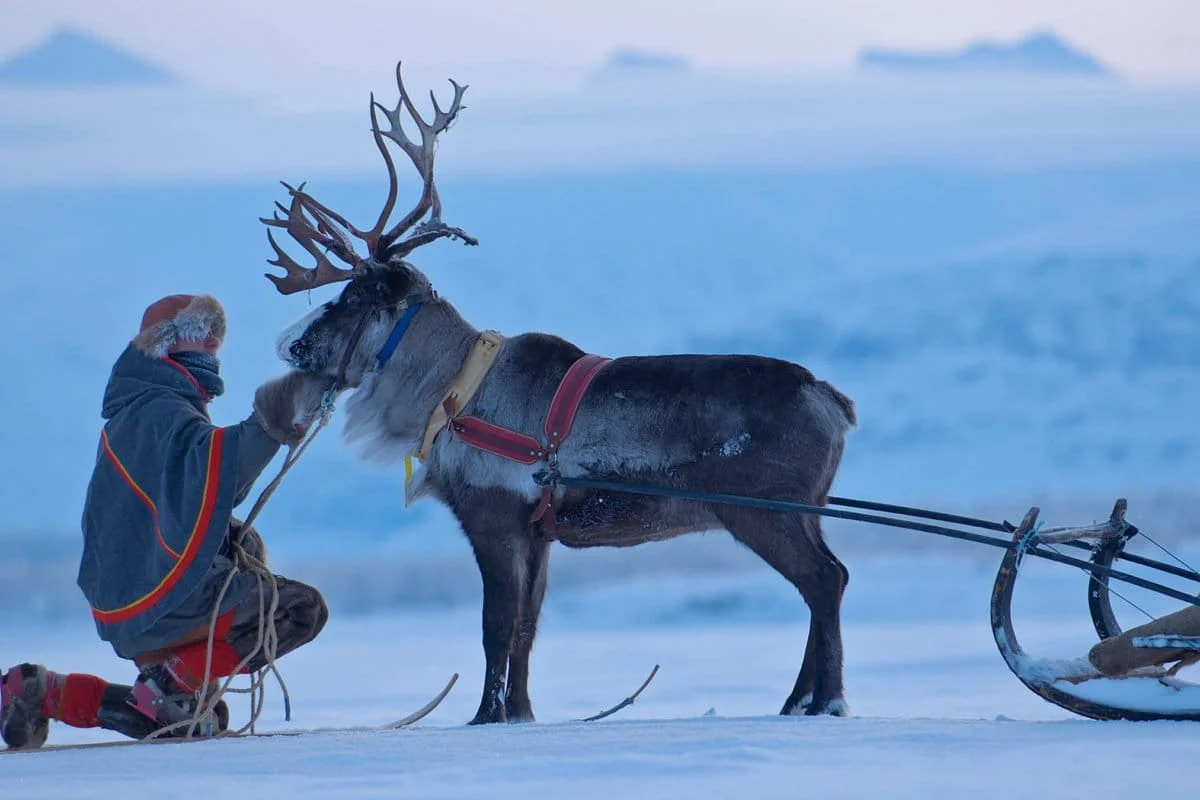
On one side, various state parties and delegations debated whether representatives should be drawn strictly from the five traditional United Nations regional groups, which are state-based blocs. On the other side, advocates pushed for representation to reflect the world’s seven sociocultural regions. The sociocultural approach is critical because it captures the true diversity of Indigenous peoples—such as the Sámi of Fennoscandia, the Inuit of the Arctic, and numerous Pacific Island communities—whose traditional territories and identities do not neatly align with modern state borders or U.N. regional administrative groupings.
Ultimately, after intense backroom lobbying and floor debates, the parties reached a compromise. The final text stipulated that representatives must be drawn from organizations operating within the countries of the respective IP&LCs, while explicit mention of the seven sociocultural regions was removed from the operational text.
Reactions and Diplomatic Fallout Over Compromise Language

The compromise text left a mixed legacy of relief and deep frustration among delegations and Indigenous advocates alike. While the inclusion of local operational mandates secured a functional path forward, the omission of the seven sociocultural regions stung many participants who view those traditional frameworks as vital to authentic Indigenous representation.
"Our willingness to compromise should not be mistaken for an absence of principles," stated a spokesperson for Canada during the tense closing plenary. Canada expressed profound disappointment regarding the strict inclusion of language restricting representation to "in the countries of the IPLC," arguing that it unnecessarily complicates the globalized, cross-border nature of many Indigenous movements.
Jennifer Corpuz, a lead negotiator for the International Indigenous Forum on Biodiversity (IIFB), offered a pragmatic perspective during the closing session. "We celebrate this historic adoption," Corpuz declared. "With this decision, we strengthen the inclusivity of SB8J, which further enables rights-based implementation of the CBD."
Regarding the contentious removal of the sociocultural regions text, Corpuz noted that while IP&LC negotiators deeply regret the omission, they remain confident in the broader modus operandi of the agreement. She asserted that the framework still provides a sufficient foundation for communities to utilize their own internal governance systems, implicitly maintaining the integrity of the seven sociocultural regions on the ground, even if they were textually trimmed from the administrative blueprint.
Broader Implications for Global Conservation and "30 by 30" Targets
The operationalization of SB8J arrives at a critical juncture for international environmental policy. As nations race to meet the ambitious Global Biodiversity Framework targets—most notably the goal of conserving 30% of the Earth’s land and ocean areas by 2030 (the "30 by 30" initiative)—historical precedent has shown that aggressive conservation targets can sometimes result in "fortress conservation." This phenomenon has historically led to the displacement, marginalization, and human rights violations of Indigenous peoples who have successfully managed these very ecosystems for generations.
By embedding IP&LCs directly into the subsidiary body’s workflow, the CBD is institutionalizing a rights-based approach to conservation. Research consistently demonstrates that lands managed or co-managed by Indigenous peoples harbor significantly higher biodiversity and face lower rates of deforestation and degradation compared to conventionally managed state parks or commercial zones. Giving IP&LCs direct drafting power over guidelines ensures that conservation finance and policy respect land tenure rights, traditional management practices, and free, prior, and informed consent.
In addition to tackling the "30 by 30" implementation guidelines at COP17, the newly empowered subsidiary body initiated the complex process of updating legal and operational terms relevant to Article 8(j) to match modern ecological and digital realities, including issues surrounding digital sequence information on genetic resources.
Looking Ahead: The Road to Nepal
With the high-level architecture of SB8J now formally agreed upon in Armenia, the focus of the international Indigenous rights and conservation community shifts rapidly to the next phase of implementation.
The momentum generated at COP17 will be tested later this year when delegates reconvene for the next dedicated meeting regarding the subsidiary body. This upcoming session is scheduled to take place from November 18 to 20, 2026, in Nepal. There, working groups will begin the granular work of turning the newly minted operational guidelines into actionable policies, ensuring that the voices of the world’s original stewards are permanently hardwired into the machinery of global biodiversity protection.