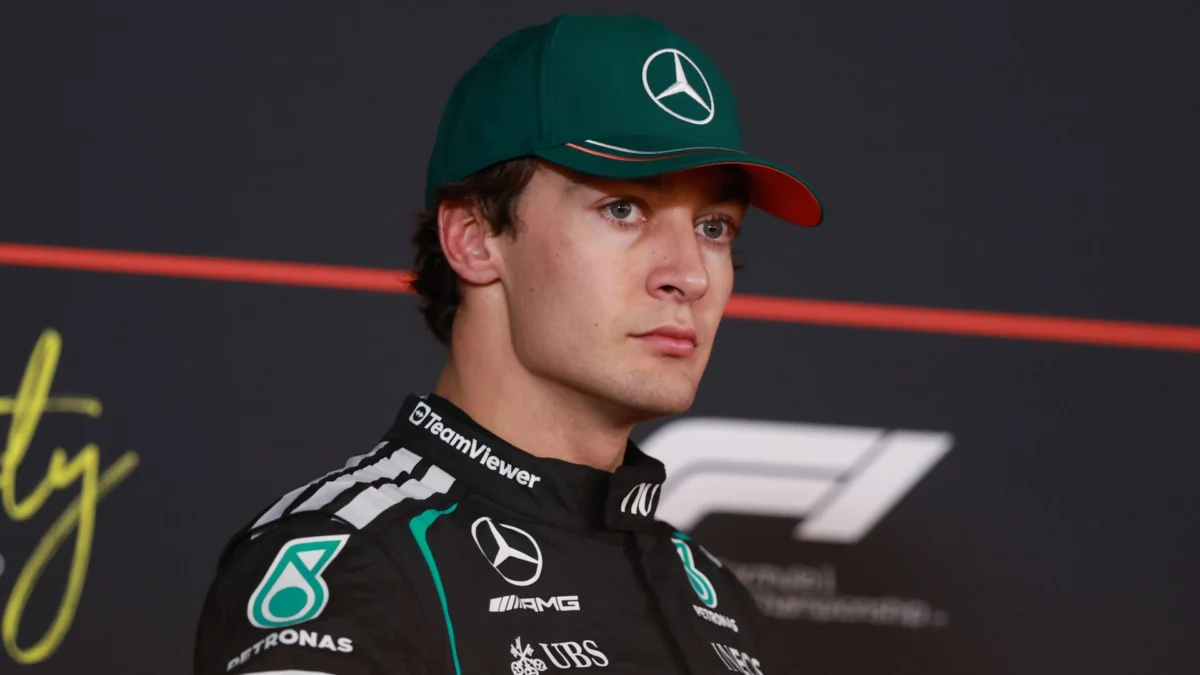
The 2026 Formula 1 season has reached a definitive turning point as Mercedes-AMG Petronas F1 Team driver George Russell has publicly addressed his difficult campaign following the coronation of his teammate, Kimi Antonelli, as the sport’s youngest-ever World Drivers’ Champion. The announcement, shared via social media, marks the first time the British driver has spoken at length regarding the internal shift within the Brackley-based squad during a year that has seen his own championship aspirations dissolve in the shadow of his rookie teammate’s meteoric rise.
The Mexico City Grand Prix: A Catalyst for Reflection
The atmosphere surrounding the Mercedes garage in Mexico City was heavy with conflicting emotions. While the team celebrated a historic achievement, team principal Toto Wolff admitted that Russell was visibly "distraught" following the conclusion of the race. The frustration was compounded by a power unit failure during the opening lap of the Grand Prix, which relegated the Briton to a non-competitive position and effectively solidified his slide in the Drivers’ Championship standings.
Following the race, the FIA stewards issued a €5,000 fine to Mercedes after Russell failed to attend mandatory post-race media obligations. While the fine itself was a procedural formality, the absence of the driver from the public eye during the immediate aftermath of the championship-deciding race highlighted the psychological weight of the season. Russell’s subsequent public statement serves as both an acknowledgement of his teammate’s achievement and a candid admission of the personal toll taken by a campaign that failed to meet his high expectations.
A Season of Contrasts: Antonelli’s Ascendance
The 2026 season was widely expected to be the year George Russell established himself as the lead protagonist for Mercedes. Having been groomed through the Mercedes Junior Team and following his tenure at Williams, Russell was viewed as the natural heir to the championship pedigree of the Silver Arrows. However, the narrative shifted dramatically with the arrival of Kimi Antonelli.
At only 20 years of age, Antonelli has redefined expectations for a rookie, securing the championship with four rounds remaining in the calendar. The statistical disparity between the two teammates has been stark: Antonelli has secured nine Grand Prix victories compared to Russell’s three. This efficiency, combined with a level of race-craft that has drawn comparisons to the sport’s greatest legends, has left the rest of the grid—and indeed his own teammate—struggling to find answers.
For Russell, the season has been characterized by what he describes as "tough luck and poor performances." After an initial period of competitiveness early in the year, a series of mechanical issues, tactical errors, and unforced mistakes saw him drop to fourth in the standings. His admission that this is the "first proper season of my career" where he has encountered more setbacks than successes underscores the fragility of momentum in the ultra-competitive environment of Formula 1.
The Anatomy of the 2026 Struggles
To understand the divergence in the paths of Russell and Antonelli, one must look at the technical and psychological landscape of the 2026 regulations. The introduction of new power unit configurations and aerodynamic constraints has placed a premium on adaptability.
Russell’s season trajectory can be segmented into three distinct phases:
- The Opening Stanza: Russell began the year with strong pace, frequently qualifying in the top three and maintaining a consistent points-scoring streak. During this phase, he appeared to be the primary challenger to the dominant Red Bull and Ferrari entries.
- The Mid-Season Unravelling: Following a string of DNFs (Did Not Finish) and reliability concerns, the psychological pressure began to mount. The team’s focus naturally drifted toward the driver who showed more consistent race-day pace—Antonelli.
- The Finality of Mexico: The power unit issue in Mexico City acted as a final blow to his title hopes. The subsequent frustration led to his withdrawal from media duties, a rare moment of vulnerability for a driver known for his composure.
Official Responses and Team Dynamics
Toto Wolff has maintained a balanced, if cautious, stance regarding the internal dynamic at Mercedes. "George is a professional," Wolff noted in a press briefing. "What we saw in Mexico was the result of immense passion. When you dedicate your life to a goal and it slips away, it is difficult to maintain a facade of indifference. We are proud of Kimi, but we are also committed to helping George rediscover the form we know he possesses."
The team’s official stance remains that both drivers are integral to the future of the organization. However, the optics of the situation are undeniable. The shift in power within the garage often dictates the allocation of resources and developmental priorities for the following season. Russell’s promise to "give his absolute all" for the remainder of the year and into 2026 is a signal that he is already recalibrating for the next cycle of competition.
Implications for the Future
The 2026 season has fundamentally altered the power structure within Mercedes. Antonelli, by virtue of his championship, now enters the 2027 season as the undisputed leader. This presents a complex challenge for Russell, who must now navigate a "number two" perception while attempting to reclaim his status as a contender.
Industry analysts suggest that Russell’s path to redemption requires more than just mechanical reliability. The psychological challenge of being outperformed by a younger, less experienced teammate is often the "make or break" moment for a driver’s career. Whether Russell can "rediscover the performance" he alluded to in his statement will depend on his ability to compartmentalize the disappointment of this year and approach the upcoming triple-header with a clean slate.
Looking Ahead: The Sao Paulo Grand Prix
As the Formula 1 circus moves to Interlagos for the Sao Paulo Grand Prix, the focus shifts toward the battle for the remaining positions in the Constructors’ and Drivers’ Championships. While the title is decided, the pride of the drivers remains a significant factor.
The schedule for the coming weekend is as follows:
- Thursday, November 5: Drivers’ Press Conference and Paddock Uncut.
- Friday, November 6: Practice sessions followed by the Team Bosses’ press conference and "The F1 Show."
- Saturday, November 7: Final practice followed by the all-important Qualifying session and "Ted’s Qualifying Notebook."
- Sunday, November 8: The Grand Prix Sunday build-up, the race itself, and the post-race analysis on "Chequered Flag."
The Sao Paulo race represents an opportunity for Russell to demonstrate resilience. The track at Interlagos, known for its high-speed elevation changes and technical corners, demands precision—an area where Russell has historically excelled. If he can secure a podium finish in Brazil, it would serve as a vital morale boost and a tangible step toward his goal of stabilizing his performance ahead of the winter break.
Conclusion: The Road to 2027
George Russell’s public acknowledgement of his struggles serves as a sobering reminder of the volatility inherent in elite-level motorsport. Behind the glamour of the podium and the prestige of the Mercedes name lies a grueling reality of technical attrition and psychological strain.
As the 2026 season concludes, the sport turns its eyes toward the future. Kimi Antonelli’s emergence is a testament to the success of the Mercedes development program, while George Russell’s journey remains a compelling narrative of professional endurance. The upcoming races in Brazil and beyond will not only decide the final standings but will also set the tone for a 2027 season that promises to be one of the most intriguing in recent memory, as Russell attempts to reclaim his seat at the top of the table.