
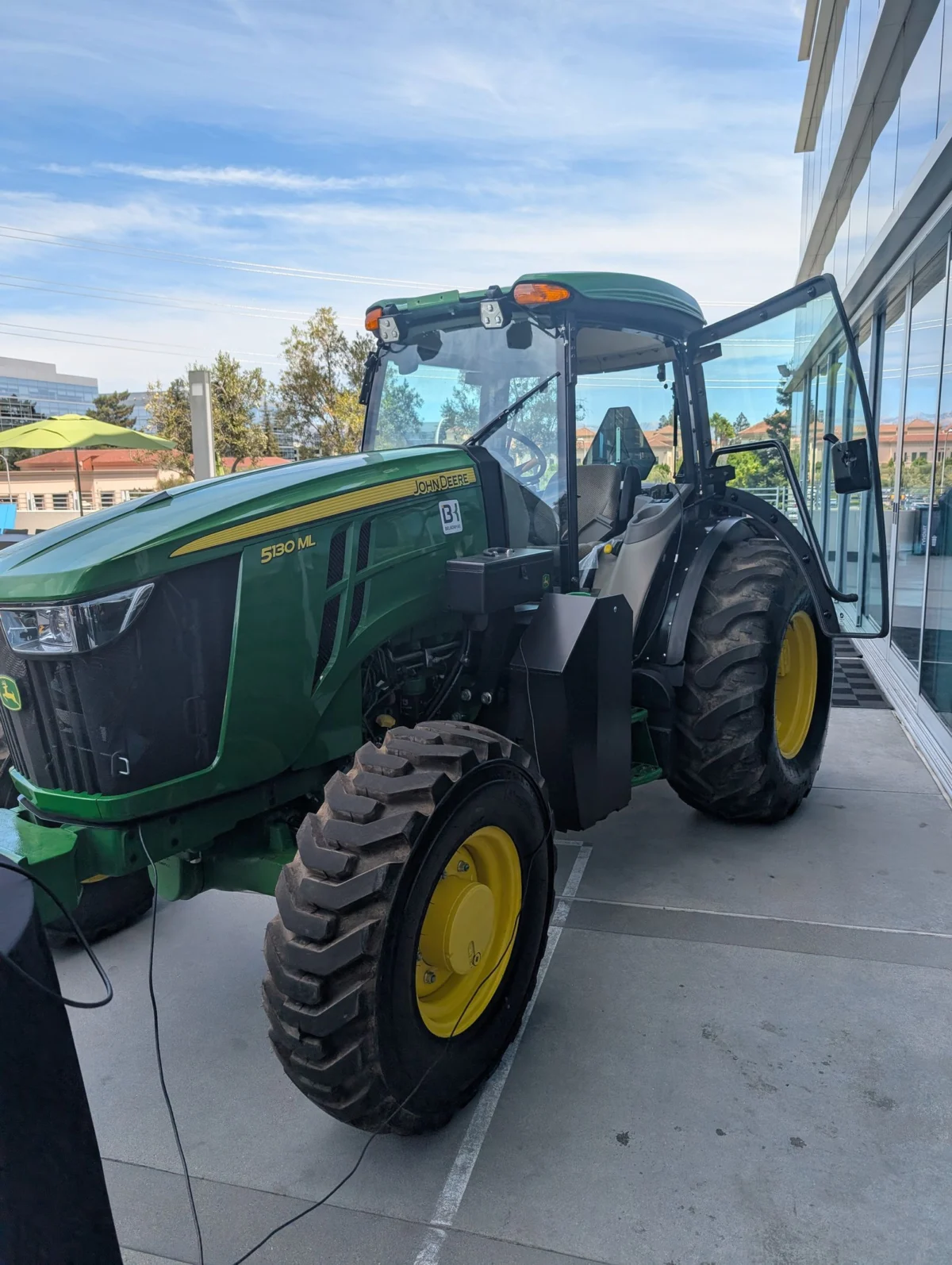
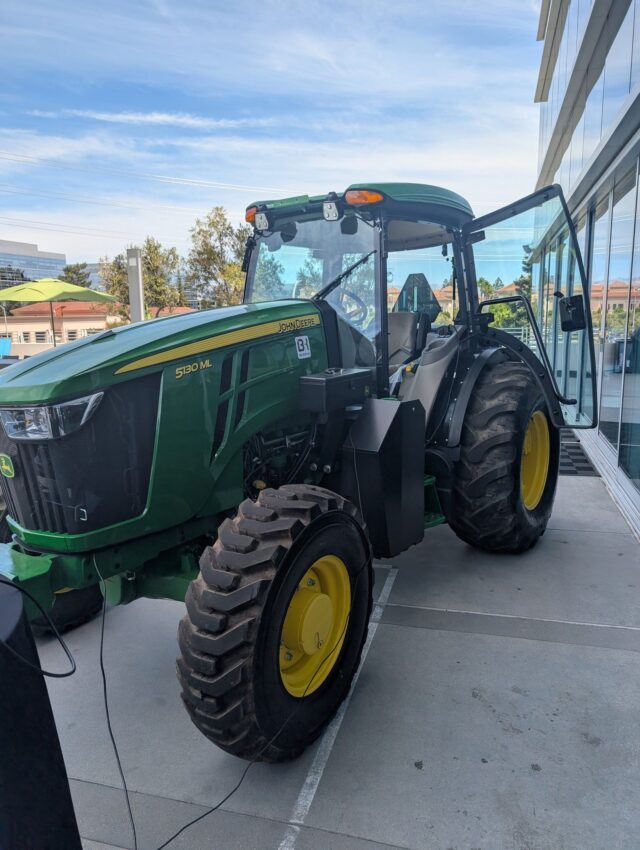
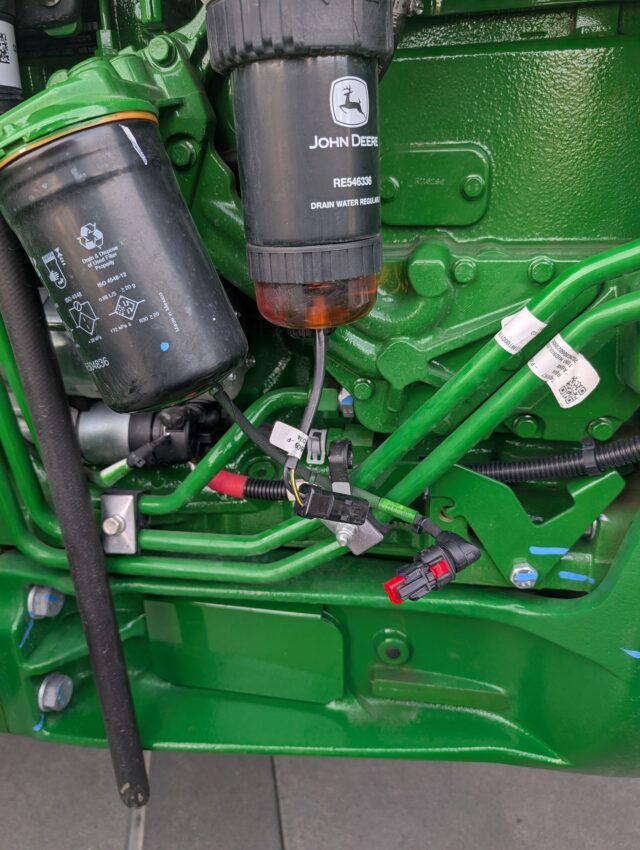
A small, disconnected wire inside a modern John Deere diesel engine serves as the focal point for a broader debate over modern agricultural technology, ownership rights, and corporate policy. Standing inside the manufacturer’s corporate office in Santa Clara, California, a first-time operator with no mechanical background can successfully diagnose and clear a water-in-fuel sensor error code within minutes using a connected laptop. This demonstration highlights the core mechanism of John Deere’s "Operations Center Pro Service," a proprietary self-repair and diagnostic platform designed to bridge the gap between increasingly computerized farming equipment and the people who operate them.
However, bridging that gap remains a steep challenge. Despite corporate initiatives aimed at expanding user accessibility, a deep reservoir of skepticism persists among the agricultural community. Long-standing disputes regarding software locks, proprietary diagnostic parity, and the true cost of autonomy have created friction between the agricultural titan and its customer base. As regulatory scrutiny and legal battles reshape the landscape of equipment maintenance, the question remains whether software-based self-service solutions can satisfy a movement demanding unconditional repair rights.
The Evolution of Agricultural Technology and the Right-to-Repair Movement
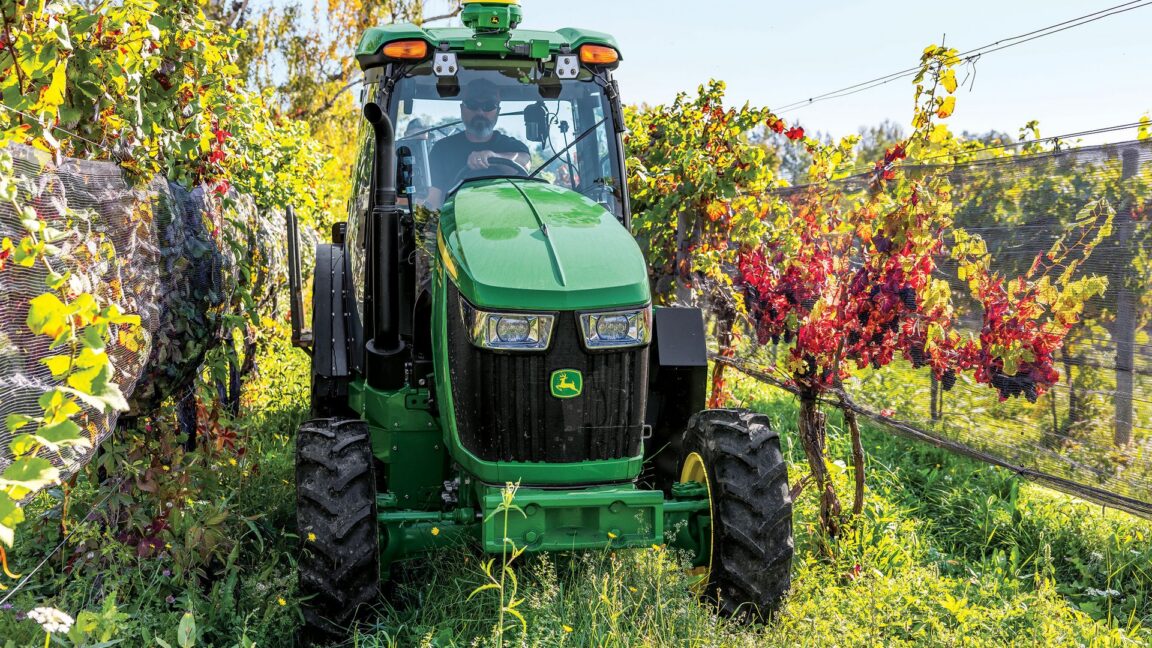
Over the past two decades, agricultural machinery has undergone a profound transformation. Once defined purely by mechanical assemblies, hydraulic pumps, and combustion engines, modern tractors and combine harvesters resemble mobile data centers. Contemporary heavy machinery is packed with dozens of electronic control units (ECUs), radio transceivers, and complex sensor arrays. Many of these commercial units feature continuous 4G wireless connectivity, streaming real-time agronomic metrics and precise geospatial data back to cloud servers. Advanced iterations even incorporate autonomous navigation capabilities, allowing heavy machinery to execute intricate field operations along predetermined paths without human intervention.
While these technological strides have increased farming efficiency, they have simultaneously introduced unprecedented control structures. John Deere, the largest agricultural equipment manufacturer in the United States, integrated digital locks within its machine software. These cryptographic barriers restricted access to critical diagnostic parameters, forcing equipment owners to rely exclusively on authorized dealer networks for troubleshooting and repairs. Attempting to bypass these software blockades, modify parameters, or install third-party aftermarket components often triggered system lockouts or operational failures.
These restrictions catalyzed the explosive growth of the "Right-to-Repair" movement. Over the past ten years, farmers, independent mechanics, and consumer advocacy groups have pushed back against manufacturer-imposed software monopolies. The frustration culminated in significant legal and regulatory interventions. In April, John Deere reached a landmark $99 million class-action settlement with equipment owners to address historical repair cost burdens. Shortly thereafter, the company resolved a separate antitrust and consumer protection investigation initiated by the United States Federal Trade Commission (FTC), prompting commitments to loosen software restrictions. While John Deere did not admit wrongdoing in either settlement, independent advocates have argued that the negotiated terms fall short of instigating structural, systemic changes in corporate behavior.
The Architecture of Pro Service: Features and Pricing Structure
In response to mounting legislative pressure and shifting market expectations, John Deere introduced its Pro Service platform. Billed as an owner-friendly diagnostic ecosystem, the software aims to provide equipment operators with deep visibility into their machinery’s health.
The platform operates on a tiered subscription model introduced in 2025. Individual operators can access the service for a single machine starting at an annual fee of $195. For larger farming operations, commercial enterprises, or independent repair shops requiring coverage across an entire fleet, annual subscription rates scale up to $4,995, with specialized agricultural and turf service packages priced at $5,995 per year.
When connected to a tractor via Wi-Fi or a physical cable interface, Pro Service reads the machine’s unique serial number. It then queries John Deere’s technical databases to pull up specific user manuals, wiring diagrams, and targeted repair instructions. The platform has also integrated conversational artificial intelligence capabilities, featuring a specialized AI assistant designed to help technicians navigate complex component layouts across modern tractors that can house upwards of 50 distinct electronic controllers.
Additionally, the software includes offline functionality for remote field environments lacking reliable internet connectivity, alongside a digital history log that tracks previous software updates and maintenance events. When a replacement component is required, the interface directs users straight to John Deere’s digital parts storefront. According to company representatives, operators retain complete ownership of their operational data, choosing whether to keep information private or share it selectively with dealers or independent shops.
Adoption Rates and the Voice of the Farming Community
Despite the sophisticated feature set, adoption metrics highlight a significant disconnect between the manufacturer’s offerings and end-user behavior. One year following the broader rollout of Pro Service, John Deere reports approximately one thousand daily active users across its platform. When viewed against the backdrop of approximately 1.8 million farms operating within the United States, this adoption rate remains modest.
Company executives acknowledge the outreach hurdle. Representatives note that the primary challenge lies in spreading awareness and demonstrating utility to a customer base accustomed to navigating closed ecosystems. However, working farmers offer a more critical assessment of the platform’s practical limitations.
Jared Wilson, a Missouri-based grain farmer cultivating 3,000 acres of corn and soybeans, serves as a named plaintiff in the $99 million class-action lawsuit against John Deere. Wilson has publicly characterized the legal settlements as fundamentally flawed. Evaluating the Pro Service architecture, Wilson suggests that while the software performs adequately for trivial, single-point failures, it fails to address complex, multi-system diagnostic challenges.
"If you have multiple failures, you have to figure out where to start," Wilson explains. "If you have three or four different diagnostic codes, where do you start in the tree to figure out what’s wrong?"
Furthermore, widespread skepticism surrounds the issue of software parity. Many independent operators question whether the consumer-facing version of Pro Service grants the exact same depth of access utilized by authorized dealership technicians. Although John Deere executives maintain that feature parity exists between both tiers, trust deficits remain deeply entrenched. Farmers frequently point to the prevalence of gray-market, cracked diagnostic software circulating within online communities as evidence of persistent dissatisfaction with official corporate pricing and tool availability.
The Controversy Surrounding Product Improvement Plans
A core operational friction point involves John Deere’s handling of Product Improvement Plans (PIPs). PIPs are internal manufacturer designations used to track known or emerging engineering anomalies across specific equipment lines. When data indicates a recurring hardware or software flaw, the company issues corrective bulletins to owners—but only after sufficient field failure data has been aggregated, verified, and analyzed at corporate headquarters.
Critics argue that this centralized verification bottleneck leaves operators stranded when confronting novel or undocumented equipment failures. If a farmer encounters a unique mechanical or software glitch in the field, the necessary diagnostic parameters and troubleshooting trees may not yet exist within the Pro Service database. Consequently, operators are often forced to wait for corporate validation or submit to dealer-managed interventions, undermining the core promise of true self-sufficiency.
Willie Cade, a board member of the consumer advocacy organization Repair.org, contends that the foundational ethos of major agricultural equipment manufacturers remains fundamentally misaligned with independent operators. "They’re just monopolists that want to make money and as much as they possibly can," Cade asserts. "Their real customer is not the farmer. Their real customer is Wall Street."
Corporate Perspective and Industry-Wide Implications
Defending the company’s trajectory, John Deere executives maintain that the enterprise is committed to empowering its customers while protecting proprietary intellectual property and operational safety standards. Jahmy Hindman, senior vice president and chief technology officer, emphasizes that the ongoing evolution of self-repair infrastructure demonstrates a clear corporate good faith.

"We have the best intentions of making sure that we have the ability to give customers the tools that they need to keep their equipment up and running," Hindman states. "We share that goal in common. Are there things that we need to continue to work on? I’m sure that there are. But let’s not forget that we are a long way towards moving the needle to a much better state."
Beyond the economics of agriculture, legal and technology analysts view the right-to-repair battle over heavy machinery as a critical proving ground for consumer rights across the broader technology ecosystem. Agricultural equipment represents some of the most durable, capital-intensive goods in modern society, often remaining in active service for decades. Establishing clear legal precedents and operational standards for equipment repair in the agricultural sector creates a powerful template for consumer electronics, automotive software, medical devices, and household appliances.
As advocacy groups continue to push for comprehensive federal legislation that legally mandates unconditional diagnostic access, the ultimate success of platforms like Pro Service will depend on rebuilding institutional trust. Until equipment manufacturers can convince skeptical end-users that proprietary self-service tools offer absolute parity and unhindered problem-solving capabilities, the tension between corporate control and agricultural independence will remain a defining feature of modern farming.










Leave a Reply