
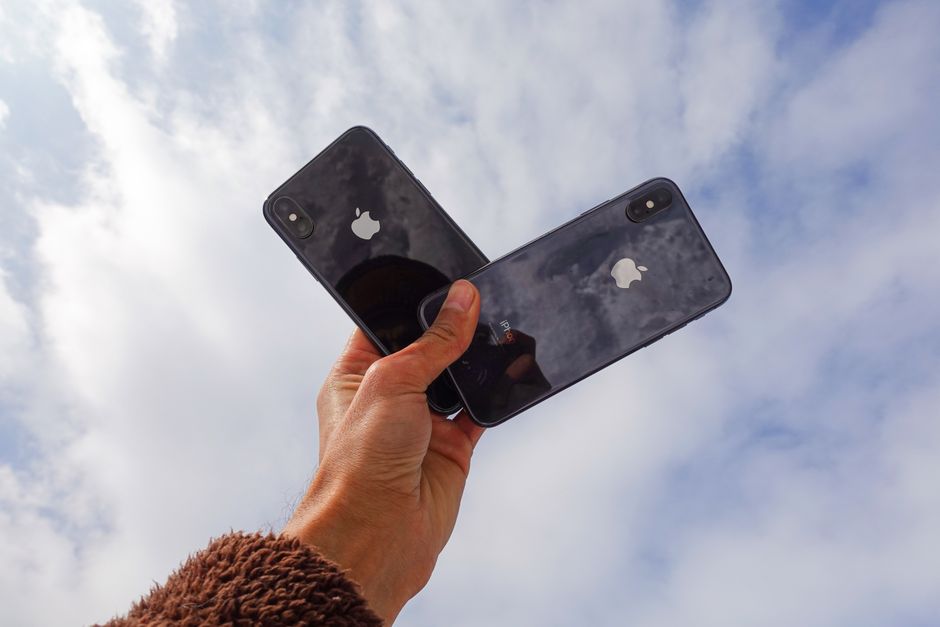
iPhone Users Beware: Apple’s Evolving Ecosystem and Your Data
Apple’s carefully crafted ecosystem, lauded for its seamless integration and user-friendly interface, is also a complex and increasingly pervasive network that warrants vigilance from its users, particularly concerning data privacy and the subtle yet significant ways Apple influences device usage and app accessibility. While the company champions privacy as a core tenet, the sheer volume of data collected and the control exerted over the user experience raise important questions that iPhone owners must actively consider. Understanding these dynamics is not about fear-mongering, but about informed decision-making and maintaining agency over one’s digital life.
The foundation of Apple’s ecosystem rests on its integrated hardware, software, and services. This synergy is undeniably convenient, allowing for effortless syncing of photos, messages, and documents across devices, and providing a unified experience for app purchases and updates. However, this very integration means that a vast amount of personal data flows through Apple’s servers, even if anonymized or encrypted. Location data, app usage patterns, contact lists, browsing history, and even voice commands processed by Siri contribute to a rich profile of the user. While Apple asserts this data is used to improve services and personalize experiences, the scope and depth of this collection are crucial considerations for privacy-conscious individuals. The opt-out mechanisms, while present, can sometimes be buried deep within settings menus, requiring proactive effort to disable certain data collection practices. The increasing reliance on cloud services, such as iCloud, further centralizes this data, making it a single point of potential vulnerability, despite Apple’s robust security measures.
One of the most significant aspects of Apple’s control lies in its App Store policies. The App Store acts as the sole gatekeeper for applications on iOS devices, a model that guarantees a certain level of quality and security but also limits user choice and developer freedom. Apple’s strict review process ensures that apps adhere to its guidelines, which can be both beneficial and restrictive. While this helps prevent malicious software, it also means that alternative app distribution channels, common on other platforms, are unavailable. This singular point of distribution gives Apple immense power over which apps are available to iPhone users and the terms under which they operate. Developers must comply with Apple’s revenue-sharing models, which can impact the pricing and availability of certain applications. Furthermore, Apple has, at times, enforced policies that restrict or remove apps that compete with its own services, leading to accusations of anti-competitive behavior. For users, this means that the breadth of the app catalog is curated by Apple, and features or functionalities that Apple deems undesirable or that compete with its own offerings may be absent. The push for subscription models, increasingly prevalent across the App Store, also represents a shift in how users pay for software, moving from one-time purchases to recurring fees, which can add up significantly over time.
The perceived immutability of Apple’s hardware and software also contributes to a form of user dependency. Unlike Android devices, which often allow for greater customization and user-level access to system files, iPhones present a more locked-down environment. While this contributes to security and stability, it also limits the ability of users to perform advanced troubleshooting or modifications. This can lead to situations where a minor software glitch or an outdated hardware component necessitates an expensive repair or an entirely new device, as third-party repair options are often discouraged or made difficult. Apple’s "right to repair" stance has been a point of contention, with critics arguing that the company intentionally makes it challenging for independent technicians to repair iPhones, thereby driving consumers towards authorized service centers or new purchases. This built-in obsolescence, whether intentional or an unintended consequence of its design philosophy, can lead to increased electronic waste and higher costs for consumers over the lifespan of their devices. The closed nature of the ecosystem also means that interoperability with non-Apple devices can sometimes be clunky or limited, encouraging a continued investment in Apple’s product line.
The increasing integration of hardware and software also means that security vulnerabilities, when discovered, can have a broad impact across millions of devices. While Apple is generally quick to patch exploits, the time lag between discovery and resolution can leave users exposed. Furthermore, sophisticated phishing attacks and social engineering tactics are constantly evolving, targeting the trust users place in the Apple brand and its perceived security. Users must remain vigilant about suspicious emails, messages, and app requests, even when they appear to originate from legitimate Apple sources. Two-factor authentication, while a crucial security layer, can also be a target for sophisticated attacks that aim to intercept one-time codes. Understanding the nuances of Apple’s security features and maintaining healthy online habits are paramount. The expansion of Apple’s services, such as Apple Pay, Apple Arcade, Apple TV+, and Apple Fitness+, further embeds users deeper into its ecosystem, creating a more interconnected web of data and services. While these services offer convenience and entertainment, they also represent additional avenues for data collection and potential vendor lock-in. The more services a user subscribes to, the more invested they become in the Apple ecosystem, making it harder to switch to a competitor without significant disruption.
The economic implications of being an iPhone user are also noteworthy. Apple’s premium pricing strategy extends beyond the initial purchase of the device to its accessories and services. The cost of replacement parts, extended warranties, and the reliance on Apple’s proprietary charging cables and adapters can add up. Furthermore, the resale value of iPhones, while generally strong, is subject to depreciation, and the perceived need to upgrade to the latest model due to software updates no longer supporting older hardware can create a cycle of regular expenditure. The constant stream of new features and technologies introduced with each iPhone generation can create a sense of pressure to upgrade, even if current hardware is still functional. This marketing strategy, combined with the technological advancements, can lead to a feeling of obsolescence for perfectly good devices, encouraging a culture of disposable technology.
In conclusion, while the iPhone offers a powerful and user-friendly computing experience, iPhone users must be aware of the multifaceted nature of Apple’s ecosystem. This awareness extends beyond superficial understanding to a critical examination of data privacy practices, the implications of app store policies, the limitations imposed by hardware and software design, and the ongoing economic commitments associated with the platform. Proactive engagement with device settings, a healthy skepticism towards unsolicited communications, and a considered approach to service subscriptions are essential for navigating this environment. The allure of seamless integration should not overshadow the importance of user autonomy and the responsible stewardship of personal data. By understanding these dynamics, iPhone users can make more informed choices, ensuring that their digital lives remain under their control.





Leave a Reply