
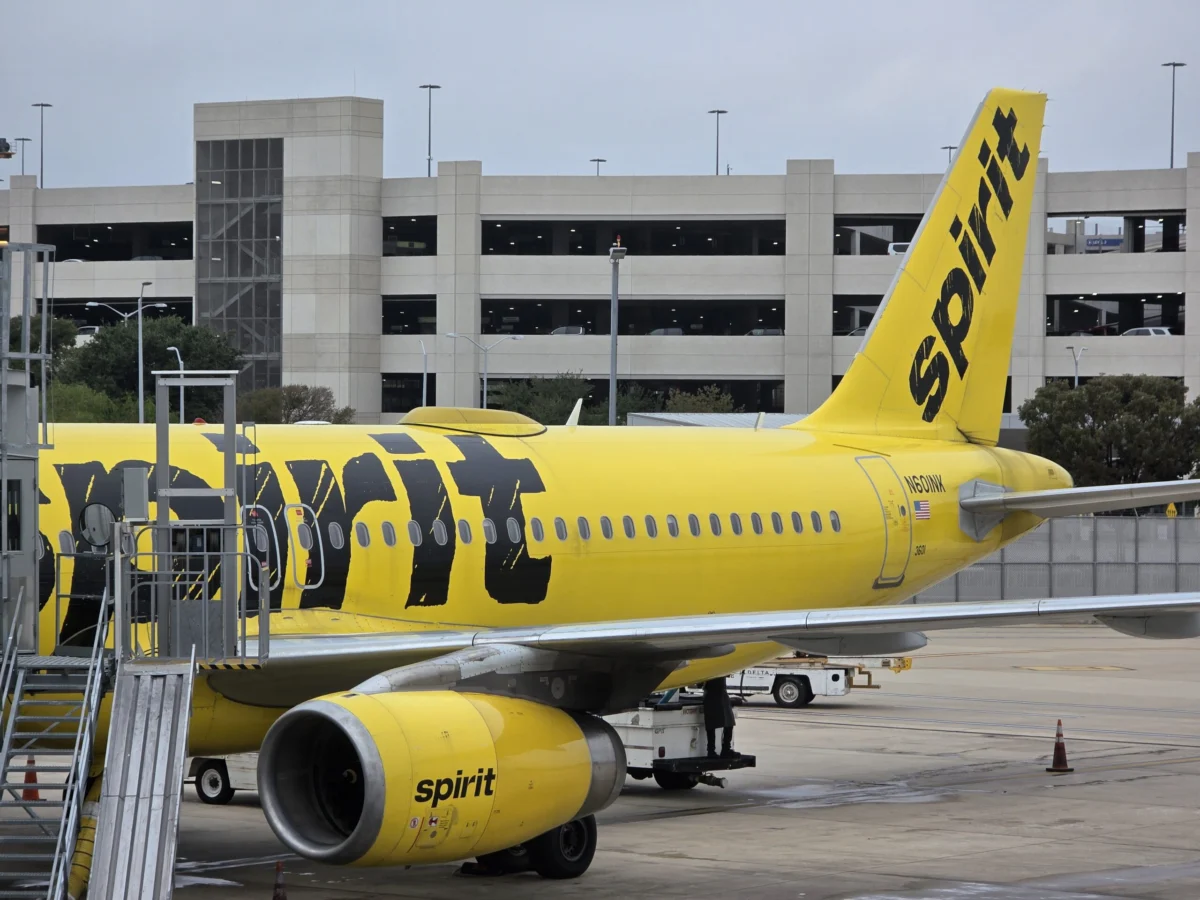
The future of Spirit Airlines hangs in a precarious balance as new reports indicate the ultra-low-cost carrier (ULCC) could face total liquidation as early as this week. According to a report by Bloomberg, the Florida-based airline is navigating a dire financial landscape that may lead to the cessation of all flight operations and the subsequent sell-off of its remaining assets. While ongoing discussions with creditors and stakeholders could theoretically result in a last-minute reprieve or a more structured reorganization, the public nature of these liquidation fears has created a self-fulfilling prophecy, undermining consumer confidence and further straining the airline’s precarious cash flow.
The airline’s current predicament is the culmination of years of financial turbulence, exacerbated by rising operational costs, significant debt maturities, and a series of strategic setbacks that have left the carrier with few viable paths forward. Spirit’s management has remained largely silent regarding the specific details of the Bloomberg report, issuing a standard corporate refrain: “We don’t comment on market rumors and speculation.” However, the lack of a firm denial has only fueled industry concerns that the end of the "Yellow Bird" era may be at hand.
The Path to Potential Insolvency
Spirit Airlines’ descent toward potential liquidation has been marked by a series of external shocks and internal struggles. For years, the airline served as the primary disruptor in the U.S. aviation market, forcing legacy carriers to lower their prices through its unbundled "Bare Fare" model. However, the post-pandemic economic environment proved hostile to this strategy.
A primary driver of the current crisis is the staggering rise in fuel costs and labor expenses. While legacy carriers were able to offset these costs by targeting high-yield premium passengers, Spirit’s budget-conscious customer base proved more sensitive to price increases. Furthermore, the airline’s fleet was significantly hampered by technical issues. A substantial portion of Spirit’s Airbus A320neo fleet was grounded due to inspections and repairs related to Pratt & Whitney’s Geared Turbofan (GTF) engines. These groundings restricted the airline’s capacity at a time when it desperately needed to maximize revenue.
The financial pressure reached a boiling point following the collapse of a proposed merger with JetBlue Airways. The Biden administration’s Department of Justice (DOJ) successfully sued to block the $3.8 billion acquisition on antitrust grounds, arguing that the disappearance of Spirit would lead to higher fares for price-sensitive travelers. Ironically, the government’s victory in "protecting" Spirit’s independent existence may have ultimately led to its demise, as the airline was left without the capital infusion and scale that the merger would have provided.
Chronology of Recent Events
The timeline leading to this week’s liquidation threat reflects a rapid deterioration of Spirit’s options:
- January 2024: A federal judge blocks the JetBlue-Spirit merger, citing concerns over competition and consumer pricing.
- March 2024: JetBlue and Spirit officially terminate their merger agreement after determining that legal hurdles were insurmountable. Spirit receives a $69 million termination fee, but its stock price continues to plummet.
- Late 2024: Spirit enters into preliminary discussions with bondholders to restructure more than $1 billion in debt set to mature in 2025 and 2026.
- Early 2025: The airline initiates a Chapter 11 bankruptcy filing, hoping to reorganize. However, the U.S. Trustee expresses skepticism regarding the airline’s ability to emerge as a viable entity.
- April 2025: Reports surface that the bankruptcy trustee is asking the court to delay Spirit’s exit from bankruptcy, citing a lack of a feasible long-term business plan.
- Current Week: Bloomberg reports that discussions have shifted toward liquidation (Chapter 7) as creditors lose faith in the turnaround strategy.
The Role of the Bankruptcy Trustee
A critical factor in the current crisis is the stance of the U.S. Bankruptcy Trustee. In a typical Chapter 11 reorganization, the goal is to keep the company operating while it sheds debt and restructures its business model. However, the trustee’s role is to ensure that the process is not merely delaying the inevitable at the expense of creditors.
Recent filings indicate that the trustee is unconvinced by Spirit’s turnaround plan, which involved shedding a majority of its aircraft and pivoting away from its core ultra-low-cost model toward a more "premium-lite" offering. The trustee’s request to delay the bankruptcy exit suggests that the financial projections provided by Spirit do not meet the legal standard of "feasibility." If the court agrees that the plan is not viable, the transition from a Chapter 11 reorganization to a Chapter 11 or Chapter 7 liquidation becomes the most likely outcome.
Strategic Implications for Competitors
The potential exit of Spirit Airlines from the market would trigger a massive shift in the domestic aviation landscape, particularly in key battlegrounds like Florida and the Northeast.
JetBlue Airways: For JetBlue, a Spirit liquidation is a double-edged sword. While it validates the DOJ’s concerns about losing a low-cost competitor, it also provides JetBlue with an opportunity to reclaim dominance in Fort Lauderdale-Hollywood International Airport (FLL). Spirit currently maintains a significant presence there, and its departure would allow JetBlue to expand its operations without the need for a costly acquisition.
Frontier Airlines: Frontier, Spirit’s primary ULCC rival, stands to gain the most from a "fire sale" of assets. Frontier was originally the preferred merger partner for Spirit before JetBlue entered the fray with a higher bid. If Spirit liquidates, Frontier could acquire aircraft leases, gate access, and flight crews at a fraction of their previous valuation, effectively becoming the sole dominant ULCC in the United States.
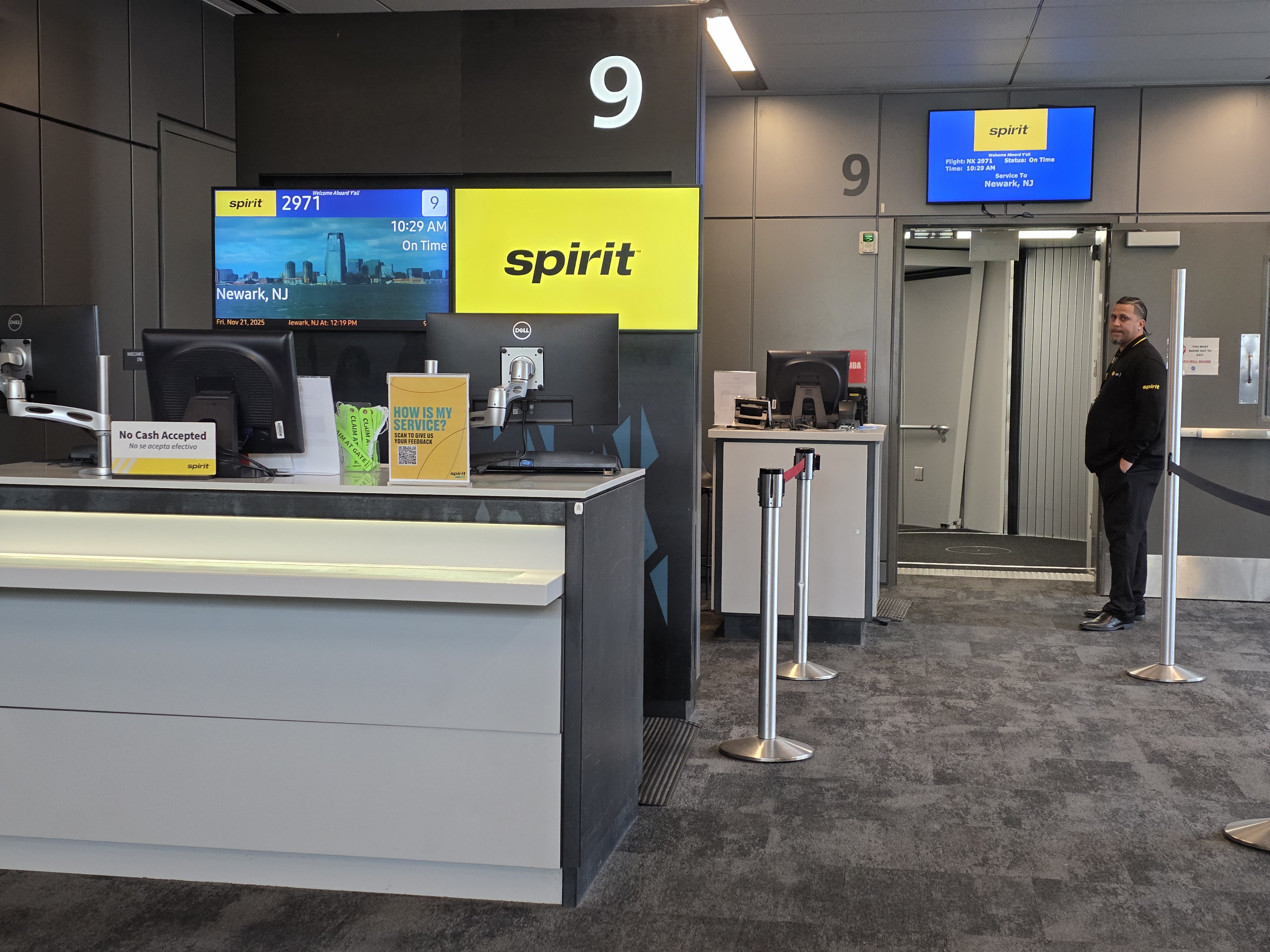
United Airlines and Legacy Carriers: Legacy carriers like United and Delta may look to bid on specific high-value assets. Specifically, Spirit’s 22 slots at New York’s LaGuardia Airport (LGA) are among the most coveted assets in the industry. These slots are strictly limited by the Federal Aviation Administration (FAA), and acquiring them would allow legacy carriers to increase their high-margin business travel offerings in the New York market.
Consumer Impact and Financial Protection
For travelers holding tickets for future Spirit flights, the threat of liquidation presents an immediate and stressful dilemma. If the airline ceases operations, it is unlikely that it will honor existing tickets or provide direct refunds through its own depleted coffers.
The most effective recourse for passengers is the Fair Credit Billing Act (FCBA). Under this federal law, consumers who used a credit card to purchase tickets for services that were not rendered have the right to dispute the charges.
- Timeline for Disputes: Generally, a dispute must be submitted within 60 days of the first statement showing the charge. However, many major credit card issuers (such as Chase, Amex, and Citi) often honor "services not received" chargebacks even after this window has passed, especially in cases of corporate insolvency.
- Debit vs. Credit: Consumers who used debit cards have significantly fewer protections. While some banks offer voluntary fraud or service protection, they are not legally mandated to provide the same level of chargeback rights as credit card issuers.
- Travel Advice: Industry experts advise passengers not to proactively cancel their flights. If a passenger cancels a non-refundable ticket before the airline officially ceases operations, they may only receive a "travel credit" which would become worthless upon liquidation. Instead, passengers should wait for the airline to officially cancel the flight, which then triggers the legal right to a refund or a credit card chargeback.
The Broader Economic Context
The potential downfall of Spirit Airlines signals a broader crisis within the ultra-low-cost carrier segment. The model, which relies on high aircraft utilization and thin profit margins, has been broken by the current economic environment of high interest rates and volatile energy prices. Moreover, the "Big Three" legacy carriers (American, Delta, and United) have successfully aggressive competed with ULCCs by introducing "Basic Economy" fares, which offer a similar stripped-down experience but with the benefit of a much larger global network and better operational reliability.
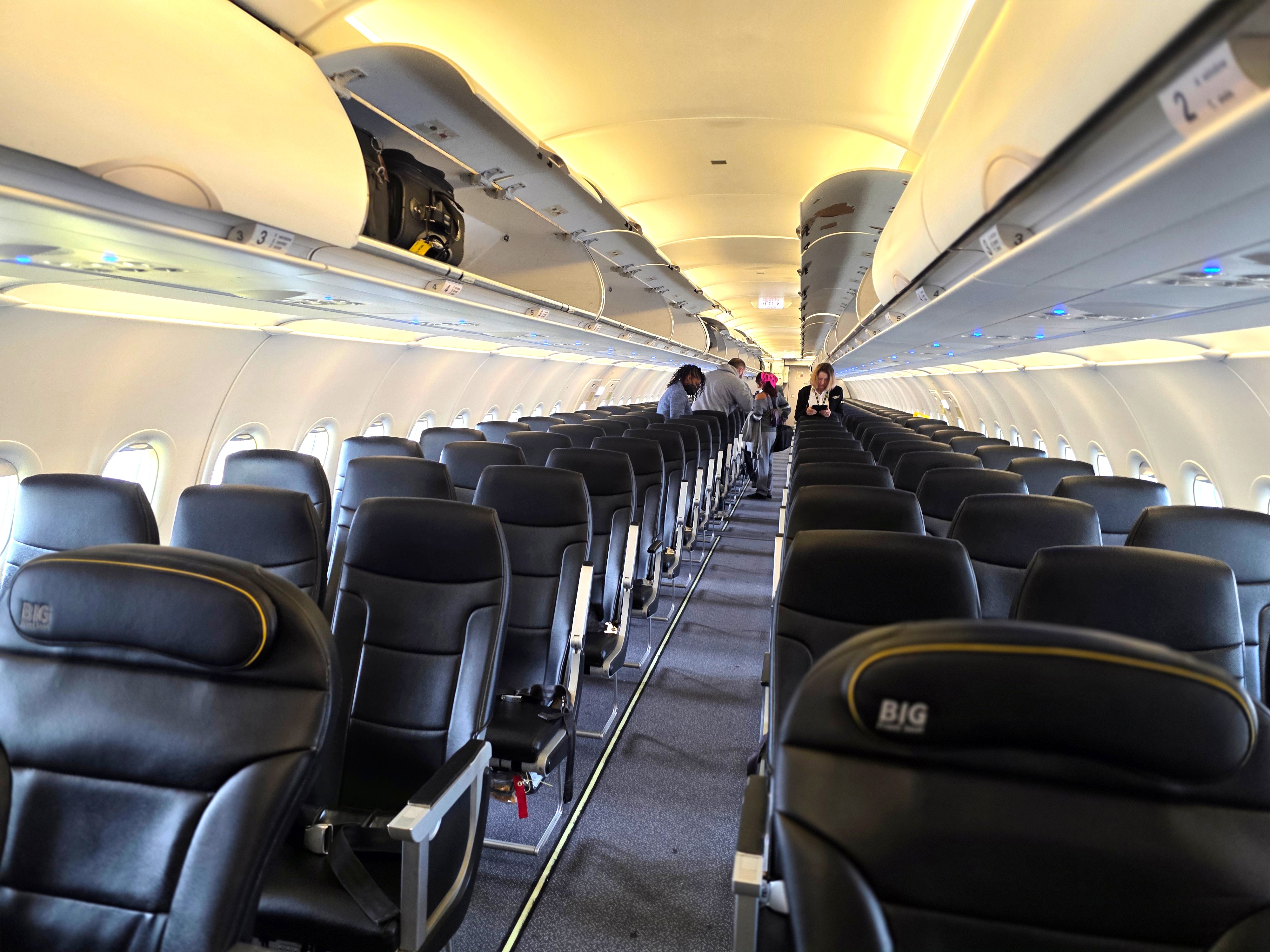
The loss of Spirit would likely result in an immediate uptick in airfares on routes where Spirit was the primary price floor. Without the downward pressure exerted by Spirit’s low fares, remaining carriers may find more "pricing power," particularly in markets like Orlando, Las Vegas, and Atlantic City.
As the week progresses, the aviation industry remains on high alert. Whether Spirit manages to secure a last-minute financing deal or is forced to ground its fleet permanently, the outcome will serve as a landmark case in the history of U.S. aviation regulation and the viability of the low-cost business model in a post-pandemic world. For now, thousands of employees and millions of ticket holders remain in a state of precarious uncertainty, waiting for a final word from the bankruptcy court or the airline’s board of directors.









Leave a Reply