A prominent South Korean digital content creator, known professionally as Yuno, has issued a public apology and retracted a controversial video following intense criticism from the online community. The incident, which centered on the creator’s decision to order approximately 20 different food items during a 15-hour international flight, has sparked a wider debate regarding the ethics of the "mukbang" genre, the limits of service industry hospitality, and the responsibilities of social media influencers in public spaces. Yuno, who commands a significant following of approximately 780,000 subscribers on YouTube, deleted the footage shortly after its upload, citing a "lapse in judgment" and acknowledging the undue burden placed on the airline’s cabin crew.
The Incident and Content of the Controversial Video
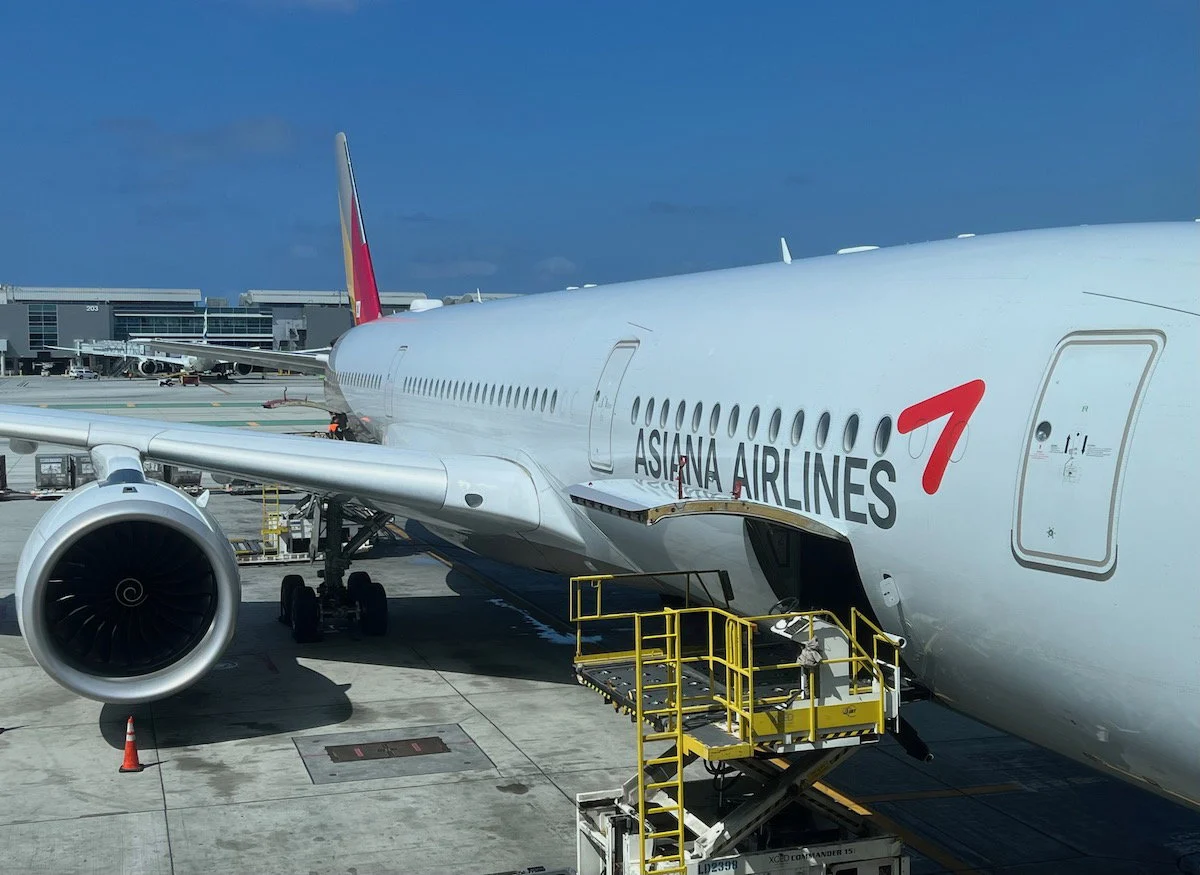
The controversy began when Yuno uploaded a video documenting his experience in the premium cabin of an Asiana Airlines flight. While the flight was marketed as a 15-hour journey, the focus of the content was not on the travel itself, but on the consumption of a massive quantity of in-flight meals and snacks. This style of content, known as "mukbang"—a portmanteau of the Korean words for "eating" (meokneun) and "broadcast" (bangsong)—typically features hosts consuming large portions of food while interacting with their audience.
The specific flight featured in the video utilized Asiana’s Airbus A380 "Business Suite" product. Historically, this cabin served as Asiana’s First Class before the airline rebranded and downgraded the service to a "Business Suite" model in 2019 to streamline operations and increase profitability. While the seating remains a high-end, enclosed suite, the service and catering are generally aligned with enhanced business-class standards.
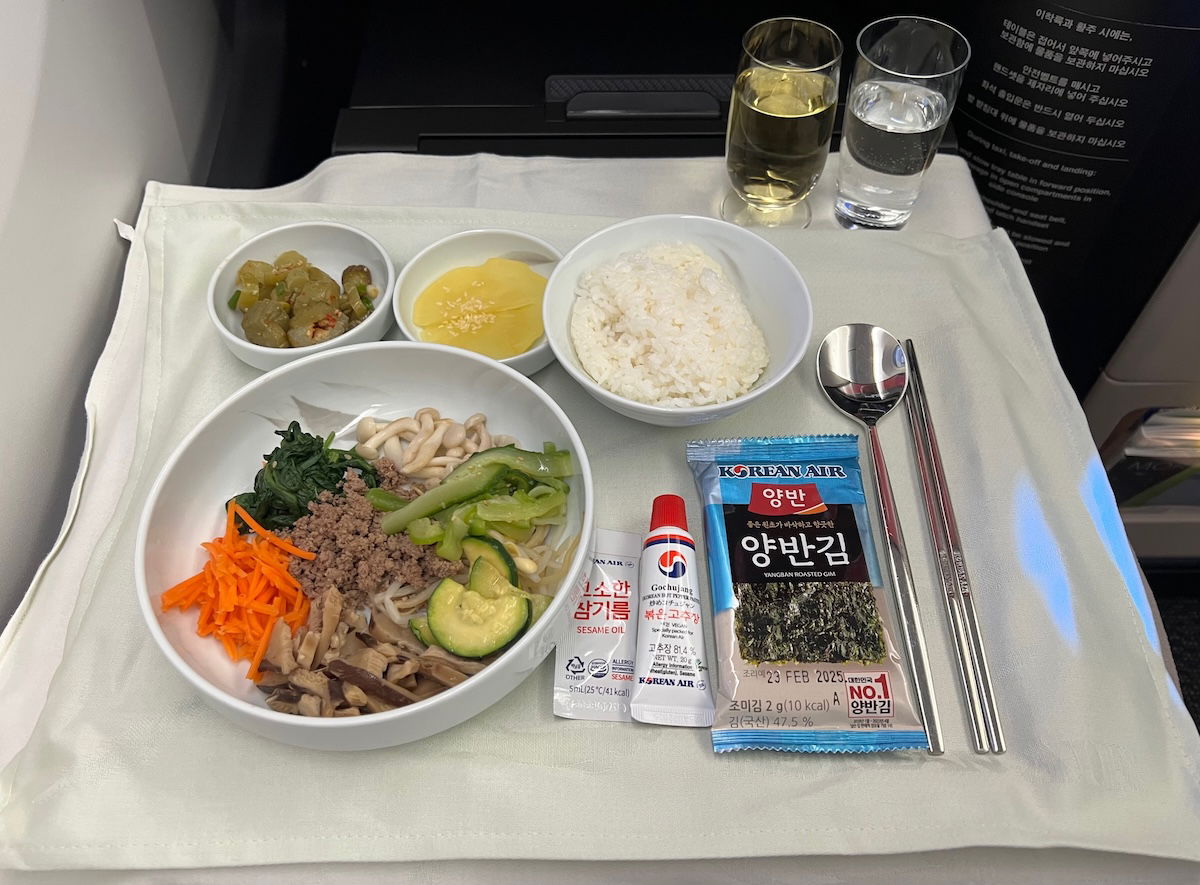
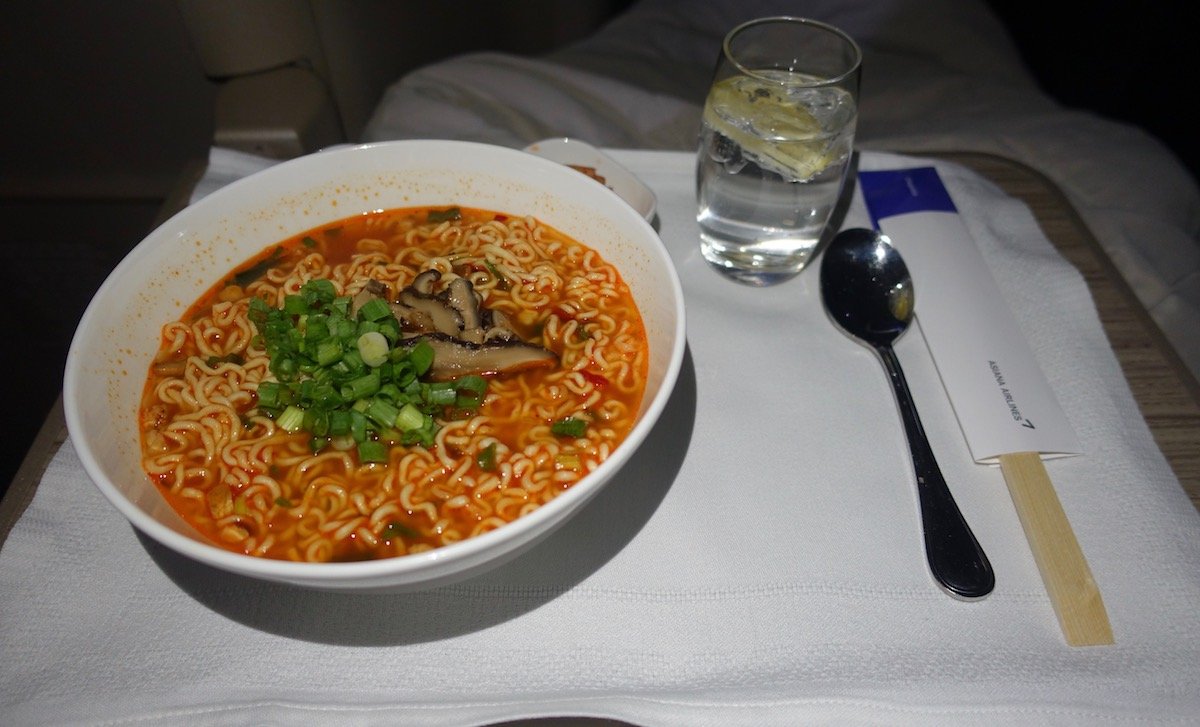
During the flight, Yuno reportedly placed 20 separate orders for food. This included full meal sets, various snacks, and multiple servings of ramen, which is a popular "on-demand" item in premium Korean air travel. The creator’s intent was to showcase the variety and quality of the airline’s catering, but the sheer volume of the requests led viewers to question the feasibility and fairness of such a demand in a closed environment like an aircraft cabin.
Chronology of Events and the Online Response
The video was initially released as a standard "luxury travel" mukbang, a sub-genre that has seen a surge in popularity as creators seek more extravagant settings for their eating challenges. However, within hours of the upload, the comments section transitioned from curiosity to condemnation.
The timeline of the fallout can be summarized as follows:
- The Upload: Yuno posted the edited 15-hour flight experience, highlighting the 20 meal orders.
- Initial Backlash: Viewers began pointing out the logistical strain such requests place on flight attendants. In a premium cabin, there are usually only a few crew members assigned to a dozen or more passengers. Continuous meal preparation, especially for labor-intensive items like ramen or multi-course meals, significantly detracts from the crew’s ability to monitor safety and assist other passengers.
- Allegations of "Gapjil": In South Korea, the term gapjil refers to the abuse of power or status by those in a superior position against those in a subordinate position, particularly in the service industry. Critics accused Yuno of exhibiting gapjil by treating the cabin crew as a personal catering service for the sake of "content."
- Deletion and Apology: Recognizing the mounting negativity, Yuno removed the video from his channel and issued a detailed written apology on his community tab.
In his statement, Yuno admitted that he had been over-focused on the novelty of his content and failed to consider the practical implications of his actions. He clarified that while he had asked the flight attendants for permission to film and order multiple items at the start of the flight, he realized in hindsight that their professional compliance did not necessarily mean the request was reasonable.
Logistics and Constraints of In-Flight Catering
The incident highlights a common misconception regarding "unlimited" dining in premium airline cabins. Unlike a ground-based restaurant, an aircraft operates under strict logistical constraints. Airline catering is meticulously planned based on the passenger manifest. While premium cabins do carry extra portions and a variety of snacks to ensure choice, they do not possess an infinite supply of fresh food.
Industry data suggests that for a typical long-haul flight, airlines may carry a 10% to 20% surplus of certain meal components to account for passenger preferences. When a single passenger consumes the equivalent of five or six full meal cycles, they risk depleting the stock intended for other passengers later in the flight. Furthermore, the preparation of hot food at 35,000 feet involves specialized ovens and strict safety protocols. Frequent requests require the crew to remain in the galley for extended periods, which can lead to fatigue and a decrease in the overall quality of service for the rest of the cabin.
Moreover, the "Business Suite" on Asiana’s A380 is a product where crew-to-passenger ratios are optimized for standard luxury service, not for high-frequency competitive eating. The labor involved in plating, serving, and clearing 20 separate orders is substantial, particularly during a 15-hour flight where crew members are also required to take mandatory rest breaks.
The Cultural Context of Mukbang and Social Media Ethics
The rise of mukbang as a global phenomenon has transformed the way food is consumed and marketed. What began as a way for lonely individuals to feel a sense of community while eating has evolved into a multi-million dollar industry characterized by "extreme eating." As the market becomes more saturated, creators like Yuno often feel pressured to find new, more "extreme" environments to maintain viewership and engagement.
The transition of mukbang into public or semi-private spaces—such as airplanes, trains, or high-end hotels—presents a new set of ethical challenges. In South Korea, where public etiquette and consideration for others (nunchi) are highly valued, the sight of a creator prioritizing a video over the well-being of service workers is particularly polarizing.
Yuno addressed this in his apology, stating: "I made an easy assumption that if I asked the flight attendants for their understanding when I boarded and they said it was fine, then it would be okay. I did not think enough about how asking for so many in-flight meals could burden the flight attendants and inconvenience the other passengers in the same space."
This statement reflects a growing realization within the influencer community that "consent" from a service worker—who is professionally obligated to be polite—is not the same as a request being ethical or appropriate.
Analysis of Implications for the Travel and Content Industries
The backlash against Yuno may serve as a turning point for how airlines and content creators interact. Several implications arise from this event:
1. Stricter Airline Policies on Filming
While many airlines currently allow filming for personal use, incidents that disrupt service or exploit crew members may lead to more stringent regulations. Some carriers, particularly in Asia and Europe, have already begun implementing policies that require influencers to obtain prior written consent from the airline’s corporate communications department before filming extensive "review" or "challenge" style content.
2. The Evolution of "Service Ethics" in the Digital Age
The incident has prompted a discussion on the "customer is always right" philosophy. In the age of social media, a customer with a large following can exert significant pressure on a brand. Airlines must balance the desire for the free publicity that influencers provide with the need to protect their employees from unreasonable demands that could lead to burnout or safety lapses.
3. A Shift in Audience Preferences
The negative reaction to Yuno’s video suggests that audiences are becoming more sensitive to perceived arrogance or "main character syndrome" among influencers. Content that is seen as "wasteful" or "disrespectful" to working-class individuals is increasingly met with "cancel culture" or collective disapproval, signaling a potential shift toward more conscientious travel content.
Conclusion and Official Stance
Yuno’s decision to defend himself by stating the filming was condensed into three sessions totaling two hours and ten minutes was seen by some as an attempt to minimize the disruption. However, the prevailing sentiment remains that the request itself was outside the bounds of standard social etiquette.
Asiana Airlines has not issued a formal reprimand against the YouTuber, likely adhering to their policy of maintaining passenger privacy and professional discretion. Nevertheless, the creator has pledged to be more mindful in the future, stating, "Looking back, it really was too much… I rationalized what I was doing, telling myself one more time would not hurt."
This event serves as a case study in the intersection of digital fame and real-world consequences. As creators continue to push the boundaries of "experience" content, the public’s reaction to Yuno’s 20-meal flight stunt serves as a reminder that even in the most luxurious settings, the human element of service cannot be overlooked or exploited for the sake of an algorithm.