The aviation industry is defined by its rigorous adherence to safety protocols and a professional image that prioritizes sobriety and readiness above all else. However, a nuanced policy at United Airlines has recently garnered attention for its departure from the standard operating procedures of its domestic competitors. United Airlines remains the only major carrier in the United States that permits its flight attendants to consume alcohol while "deadheading"—the practice of flying as a passenger to a different location for work-related positioning—provided a specific and stringent set of conditions are met. This policy, which mirrors a similar allowance at Air Canada, highlights the complex intersection of labor relations, corporate branding, and the regulatory definitions of "on-duty" status in the high-stakes world of commercial aviation.
Understanding the Mechanics of Deadheading and United’s Protocol
In the airline industry, deadheading occurs when a crew member is transported on a flight as a passenger to reach a destination where they will either begin a work assignment or return home after completing a duty period. While deadheading, the employee is technically on the clock and receiving pay, but they are not part of the active working crew responsible for the safety and service of that specific flight.
United Airlines’ policy regarding alcohol consumption during these periods is highly specific. According to internal guidelines and labor agreements, flight attendants may only consume alcohol while deadheading if the flight represents the final segment of their duty day. Furthermore, the individual must not be scheduled to perform any additional work for the remainder of that calendar day. To maintain the airline’s professional image and ensure safety, several "fail-safe" triggers must be met: the flight attendant must be entirely out of uniform, the aircraft cabin door must be closed, and the aircraft must be ready for departure. This ensures that the crew member is not mistaken for an active employee by passengers and that they are not consumed by the "pre-departure" phase where emergency re-assignments are most likely to occur.
The Industry Standard: A Culture of Absolute Sobriety
United’s stance stands in stark contrast to the policies of other major U.S. carriers, such as Delta Air Lines, American Airlines, and Southwest Airlines. At these organizations, the prohibition on alcohol consumption while on duty—regardless of whether one is actively working or deadheading—is absolute. The rationale behind these stricter prohibitions is twofold: safety readiness and brand protection.
From a safety perspective, the Federal Aviation Administration (FAA) maintains strict regulations regarding alcohol consumption for "required crew members." While a deadheading flight attendant is not technically a "required" crew member for that specific flight, they are still an airline employee on the clock. Most airlines argue that in the event of a catastrophic emergency, such as a mid-air decompression or an emergency water landing, any trained crew member on board should be in a condition to assist the active crew. Alcohol consumption, even in small amounts, would legally and physically disqualify a deadheading attendant from performing these life-saving duties, potentially increasing the airline’s liability.
Historical Context and the Evolution of Airline Branding
The sensitivity surrounding airline employees and alcohol is rooted in the "Golden Age" of aviation, where the image of the flight attendant was meticulously curated to represent elegance, service, and safety. Throughout the mid-20th century, airlines were deeply concerned that any association between their staff and intoxication would undermine public confidence in the burgeoning industry.
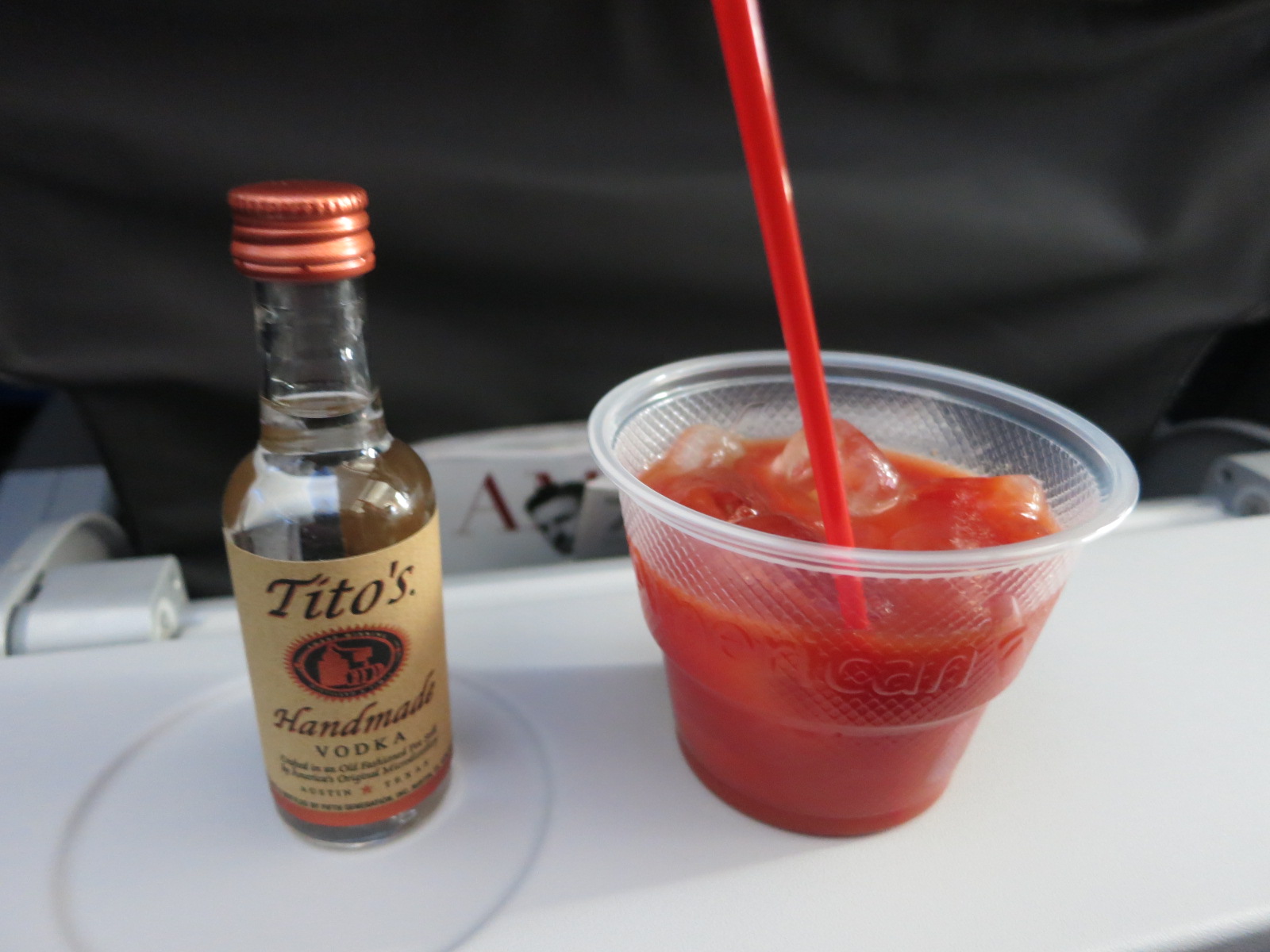
This concern persists in the modern era. The visibility of airline staff is higher than ever due to the ubiquity of smartphone cameras and social media. A single photograph of a pilot or flight attendant consuming alcohol, even if they are legally off-duty or deadheading, can trigger a public relations crisis. This was evidenced by a historical incident involving American Airlines, where an inflight magazine featured a photograph of pilots mixing cocktails. The image caused an immediate backlash, forcing the airline to issue a public apology and reinforcing the industry’s "dry" culture for uniformed or on-duty staff.
United Airlines’ willingness to buck this trend suggests a different approach to employee relations, treating the deadhead segment as a transition into the employee’s personal time, provided the "uniform" barrier is maintained. By requiring flight attendants to change into civilian clothes, United attempts to decouple the individual’s actions from the corporate brand.
Comparative Global Standards: The Case of Air Canada and Japan Airlines
The international landscape offers a spectrum of approaches to crew sobriety. Air Canada follows a model similar to United’s, allowing deadheading crew members to consume alcohol under specific circumstances. This suggests that the policy is not merely a United anomaly but a specific philosophy shared by some North American carriers that view deadheading as a "passive" duty.
Conversely, Asian carriers often maintain some of the strictest alcohol policies in the world. Japan Airlines (JAL) serves as a prominent example of the severe consequences of alcohol-related infractions. In recent years, after a series of high-profile incidents involving crew members failing breathalyzer tests, JAL implemented a draconian "zero-tolerance" policy. This included banning all 6,000 of its flight attendants from drinking alcohol during layovers and trips. The severity of the issue was so great that the CEO of Japan Airlines took a significant pay cut as a gesture of corporate responsibility. These international variations highlight that United’s policy is a significant outlier in a global industry that is moving toward more, not less, restriction.
The Human Element: Stress, Alcoholism, and Peer Support
Aviation is a notoriously high-stress profession, characterized by irregular sleep patterns, long periods away from home, and the constant pressure of safety responsibilities. These factors can contribute to higher rates of substance use disorders among airline personnel. The industry has long recognized this through programs like the Human Intervention Motivation Study (HIMS) for pilots and similar Peer Assistance Networks for flight attendants.
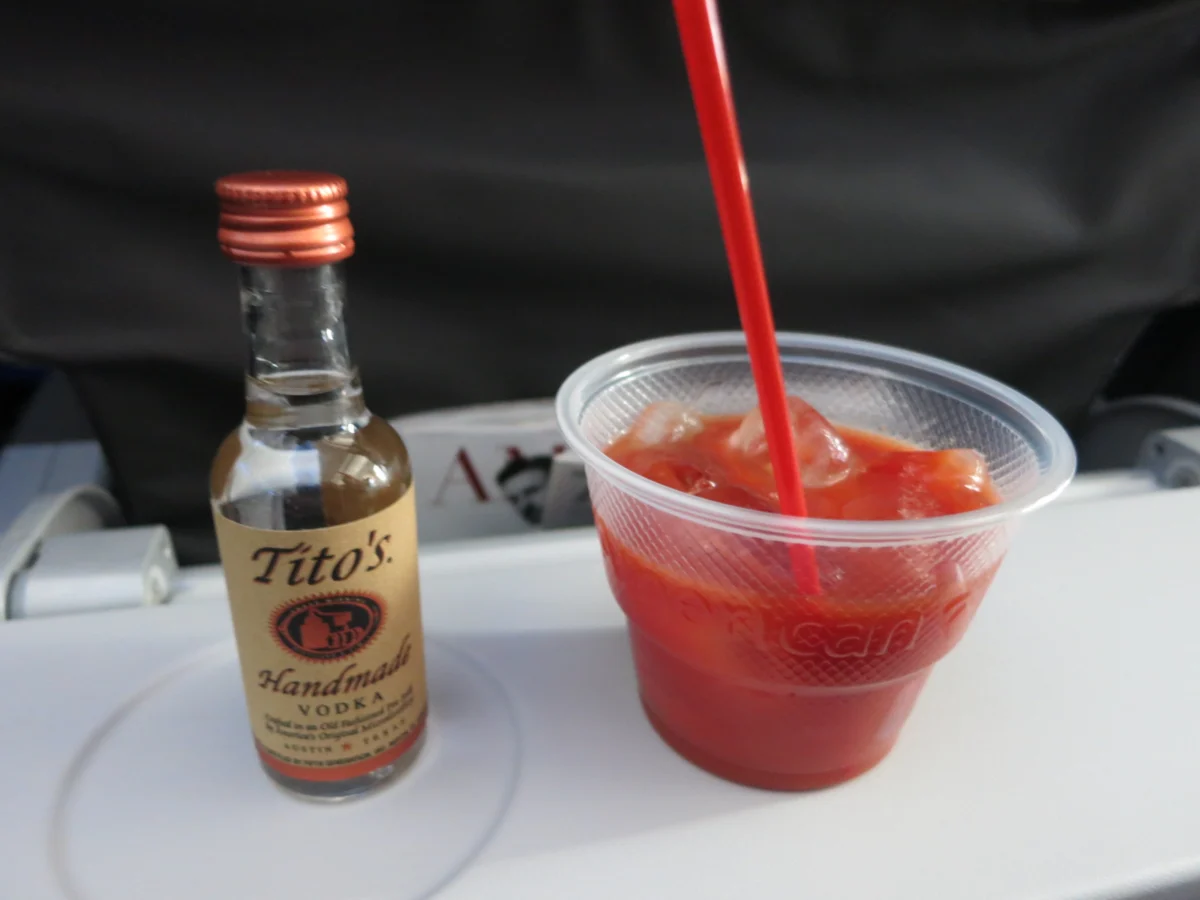
These programs are designed to allow crew members to seek help for alcoholism or substance abuse without the immediate fear of losing their careers. However, critics of relaxed alcohol policies, such as the one at United, argue that allowing any consumption "on the clock" can blur the lines for individuals struggling with dependency. While the vast majority of flight attendants exercise professional judgment, the existence of "furtive" drinking—such as the anecdotal reports of crew members consuming miniatures in the galley—suggests that policy violations occur even under the strictest regimes. United’s policy relies heavily on the "honor system" and the professional integrity of its staff to ensure that the transition from "deadheading passenger" to "off-duty individual" is handled responsibly.
Operational Risks and Legal Implications
The primary risk associated with United’s policy is the "unexpected duty" scenario. In the world of aviation, schedules are fluid. A deadheading flight attendant might arrive at their destination only to find that another crew member has fallen ill, requiring them to "pick up" an additional flight immediately. If that attendant consumed alcohol during their deadhead flight, they would be legally barred from working the subsequent leg due to FAA regulations, which generally mandate an eight-hour "bottle to throttle" window (and often stricter internal airline requirements).
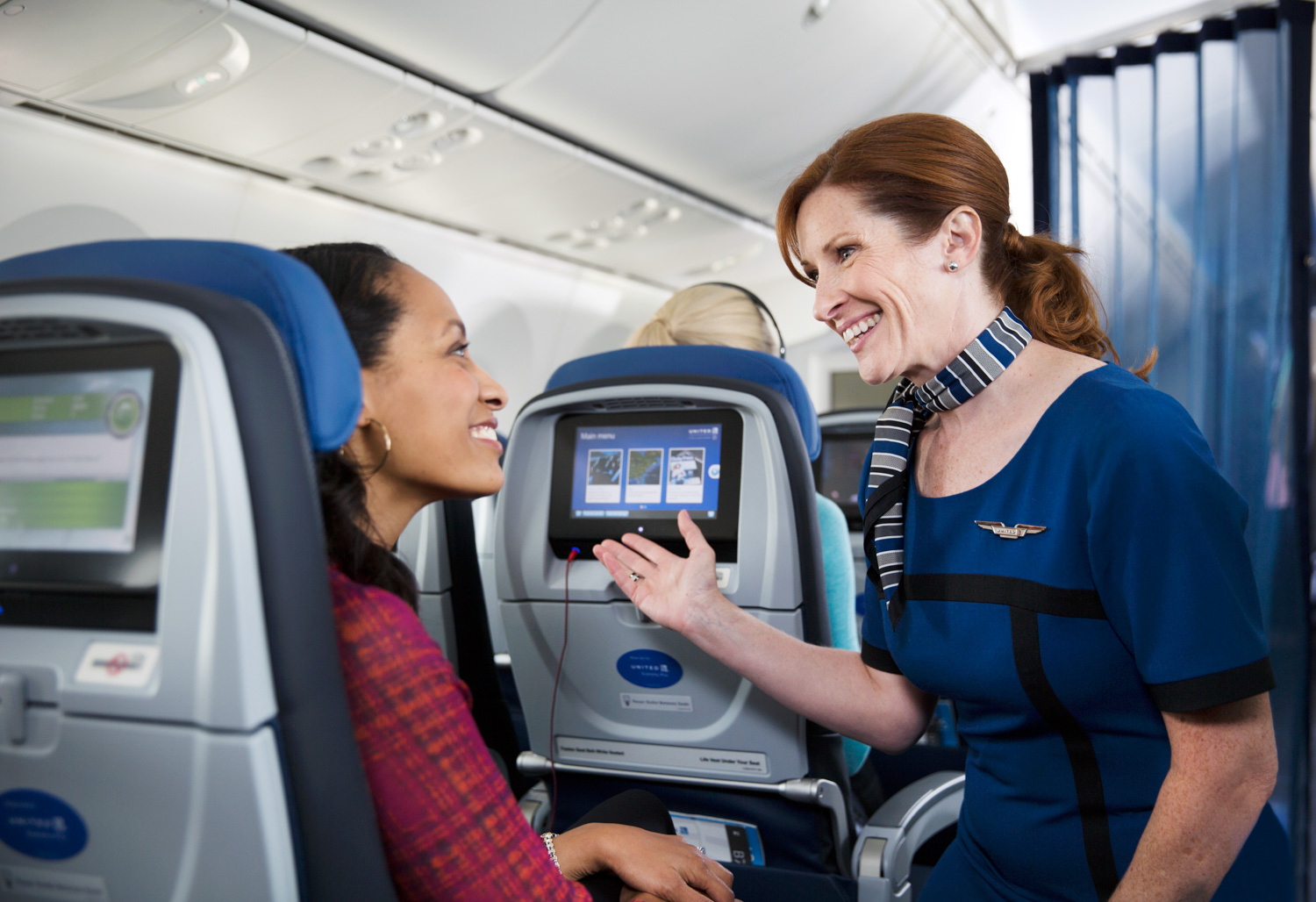
From a legal standpoint, this creates a potential operational bottleneck. If an airline allows deadheading staff to drink, they are essentially forfeiting the ability to use those employees as emergency reserves. For a large carrier like United, which manages thousands of flights daily, this loss of flexibility is a calculated trade-off. The airline has clearly decided that the boost to employee morale and the recognition of deadheading as a "passive" state outweighs the statistical likelihood of needing that specific deadheading attendant to work an emergency shift.
Analysis of Professional Sentiment and Labor Relations
The existence of this policy is often viewed as a win for labor unions, such as the Association of Flight Attendants (AFA). Unions often argue that deadheading, while paid, is a significant tax on an employee’s personal time and that the restrictions placed on them should be minimal once their active safety duties are completed. By allowing flight attendants to relax during their final leg of the day, United acknowledges the grueling nature of the job.
However, this policy also places a heavy burden of responsibility on the employee. A flight attendant must be certain of their schedule and meticulously follow the "out of uniform" rule. Failure to do so not only violates company policy but can lead to immediate termination, as the line between "allowed consumption" and "on-duty intoxication" is razor-thin.
Conclusion: A Delicate Balance in the Skies
United Airlines’ unique policy regarding alcohol consumption for deadheading flight attendants represents a rare moment of flexibility in an industry defined by rigid constraints. While it aligns with the practices of Air Canada, it remains a distinct outlier among major U.S. carriers, who view the "on-duty" status as an absolute barrier to alcohol use.
As the aviation industry continues to evolve with increased scrutiny on safety and public image, the longevity of such policies will depend on the continued professionalism of the crew members. United’s approach assumes a high level of trust and maturity, treating its flight attendants as professionals capable of navigating the transition from work to rest. However, as long as safety remains the primary metric of success in aviation, the debate over whether a "paid passenger" should be allowed to order a drink will likely continue to be a point of contention between labor advocates and safety purists. For now, United remains a solitary island of relative leniency in a sea of industry-wide sobriety.