
Evaluating the long-term value of premium credit cards has become a standard financial exercise for modern consumers. While many cards with annual fees easily justify their costs through lucrative rewards structures, travel credits, airport lounge access, and everyday spending multipliers, cardholders frequently reach a crossroads when the annual fee posts to their statement. Circumstances change, spending habits evolve, and a card that once proved essential may no longer offer sufficient return on investment.
When a cardholder decides that an annual fee is no longer justifiable, the timing of their cancellation or product change becomes critical. Recovering that fee relies entirely on the specific refund policies enforced by individual financial institutions. Because these guidelines are established independently by each bank, understanding the distinct operational frameworks of major card issuers can protect consumers from absorbing unexpected charges.
The Mechanics of Credit Card Annual Fees and Grace Periods
When a credit card issuer assesses an annual fee, the charge appears directly on the billing statement, immediately reducing available credit or increasing the statement balance. For consumers who realize they no longer want the card—or forgot to cancel before the renewal date—most major issuers provide a designated grace period. During this window, cardholders can cancel or downgrade their accounts and secure a full refund of the fee.
However, the definition of this grace period fluctuates wildly across the financial sector. Some institutions rely on strict, automated timelines measured in exact days, while others evaluate refund requests on a case-by-case basis depending on the customer’s overall banking relationship. Furthermore, policies often diverge based on whether a consumer chooses to close an account entirely or simply downgrade to a lower-tier product with no annual fee.
Major Card Issuer Refund Policies Analyzed
Analyzing the policies of the United States’ top credit card issuers reveals a fragmented landscape where assumptions can prove costly. While general rules of thumb suggest a standard 30-day window, the actual operational parameters vary significantly by institution.
American Express
American Express maintains one of the most structured systems in the industry. Cardholders can typically cancel or downgrade an account within 30 days of the annual fee posting date to receive a complete refund. If a cardholder attempts to cancel an account after this 30-day threshold, American Express does not issue prorated refunds for the remainder of the year.

Conversely, American Express offers more flexibility when downgrading products past the initial 30-day window, occasionally issuing prorated refunds. However, financial advisors urge caution regarding downgrades due to the issuer’s strict "once in a lifetime" rule regarding welcome bonuses. Accepting a product change can permanently disqualify a consumer from earning a sign-up bonus on that specific card product in the future.
Bank of America
Bank of America stands apart as one of the few major financial institutions that lacks a formalized, transparent grace period policy for annual fee refunds. Consumer data indicates that cardholders who request a refund within 30 days of the fee posting are frequently successful, but this outcome is far from guaranteed. Bank of America representatives typically evaluate these requests based on the customer’s broader relationship with the institution, including deposit balances, investment accounts, and overall account history.
Barclays
Barclays provides a relatively generous window for consumers reconsidering their card portfolios. Cardholders can typically cancel or downgrade a Barclays-issued card within 60 days of the annual fee appearing on their statement to secure a full refund. Beyond this 60-day mark, however, Barclays does not offer prorated refunds, making strict calendar management essential for its customer base.
Capital One
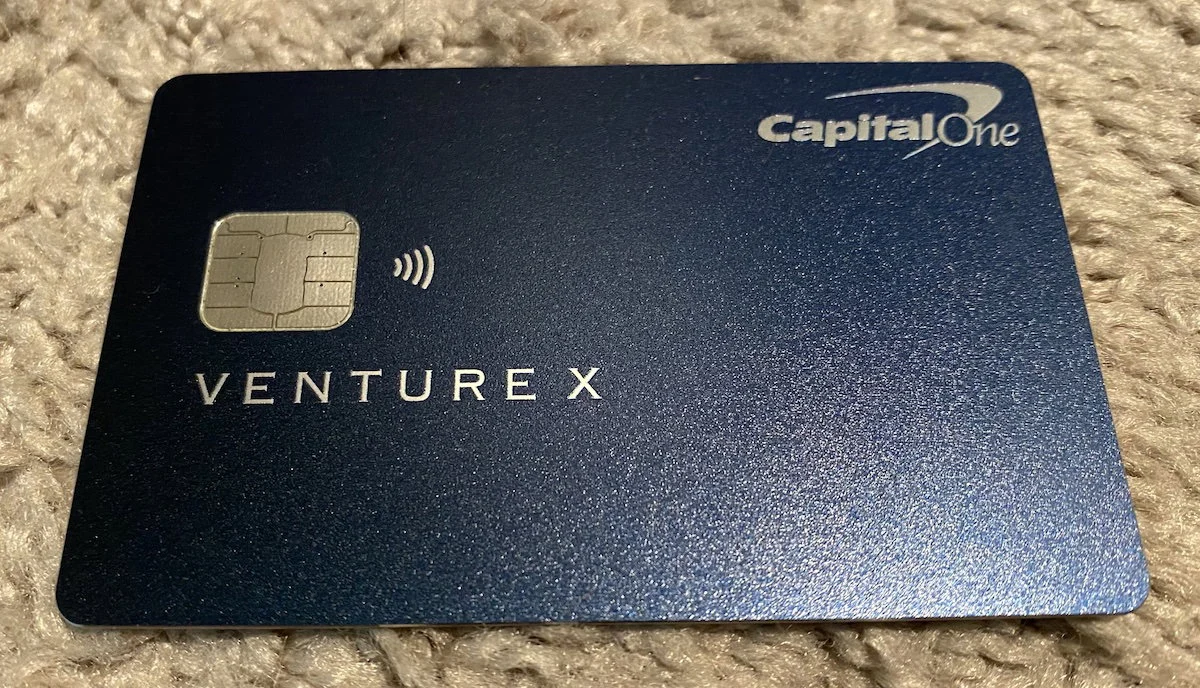
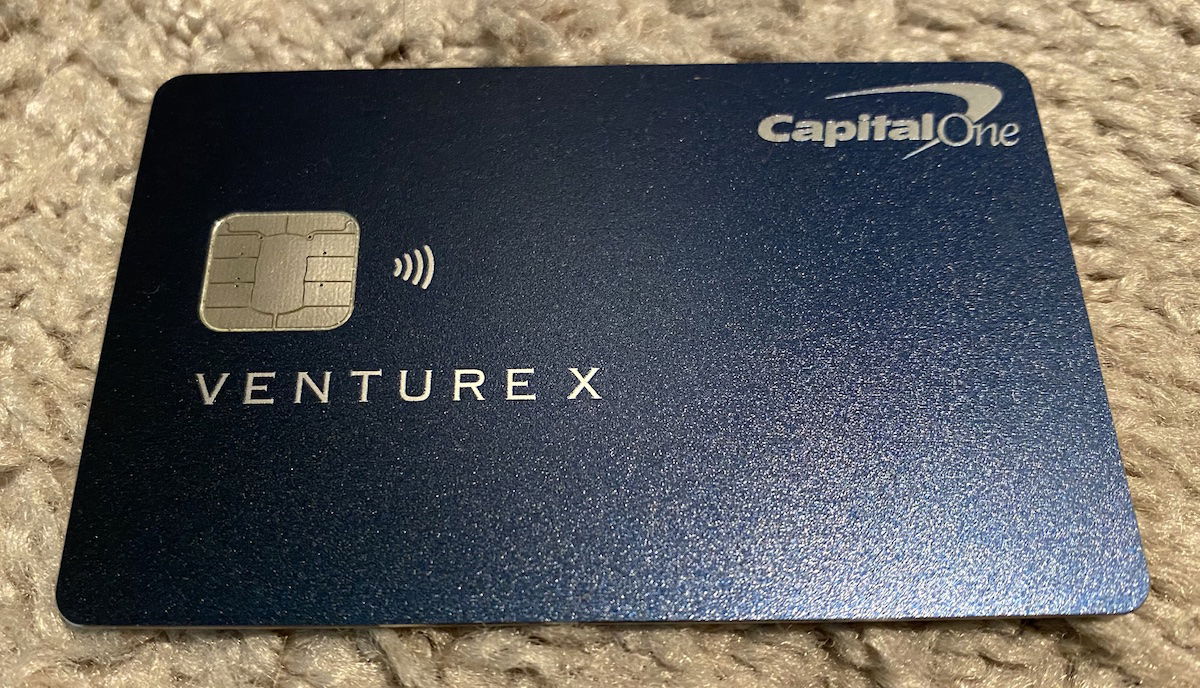
Capital One operates with a degree of inconsistency that often catches consumers off guard. Industry consensus points to a 39-day window following the billing date during which cardholders can cancel an account and receive a full fee refund. However, this policy does not consistently apply to product downgrades. Consumers attempting to downgrade a Capital One card rather than close it outright frequently find themselves locked into paying the full annual fee regardless of when the request is submitted.
Cardless
As co-branded credit cards grow in market share—particularly through partnerships with platforms like Bilt—Cardless has emerged as a notable player in the rewards space. Data surrounding Cardless refund policies remains mixed. Certain co-branded products enforced strict non-refundable policies the moment an annual fee posted, representing some of the strictest terms in the industry. For specific products like the Bilt-affiliated cards, however, standard practice typically allows a 30-day grace period to cancel and secure a reimbursement.
Chase
Chase applies a straightforward and rigid policy for its portfolio of travel and cash-back cards. Cardholders have a 30-day window from the date the annual fee is billed to either cancel the card or downgrade it to a no-fee alternative to receive a full refund. Chase does not provide prorated refunds once this initial 30-day period expires, leaving no room for negotiation past the deadline.
Citi
Citi implements a slightly extended timeline compared to some of its primary competitors. Cardholders typically have up to 37 days from the annual fee billing date to cancel or downgrade their card and obtain a complete refund. Similar to Chase and Barclays, Citi does not offer prorated refunds for cancellations or downgrades executed outside of this established window.
State-Level Exceptions: The Massachusetts Pro-Rata Statute
While federal regulations and standard cardmember agreements leave refund policies entirely up to the discretion of the issuing banks, localized state legislation can occasionally introduce alternative frameworks. A prominent example is found in Massachusetts, where state law dictates that residents who cancel a credit card at any point during the year are legally entitled to a prorated refund equal to two-thirds of the annual fee.
Despite the clear language of the statute, consumer advocates note that enforcing this right in practice can prove challenging. Major national banks often utilize centralized automated systems that do not automatically account for state-specific pro-rata mandates. Consequently, Massachusetts residents attempting to claim a partial refund months after an annual fee has posted frequently encounter friction with customer service representatives who default to standard corporate policies. Furthermore, consumers must weigh the immediate financial recovery against potential long-term relationship impacts with the issuing bank.
The Broader Implications for Credit Health and Rewards Strategies
Familiarity with annual fee refund policies is not merely a matter of administrative convenience; it is a vital component of holistic financial management. Failing to track annual fee billing cycles can lead to unnecessary expenses on cards that go unused. More importantly, understanding these timelines allows consumers to maximize the utility of premium cards during travel seasons or high-spend quarters before cleanly exiting the relationship without financial penalty.
Furthermore, strategic timing impacts credit scores and issuer relationships. Abruptly closing multiple accounts can affect average account age and total available credit limits, while repeatedly opening and closing accounts within tight windows can trigger risk-management reviews by issuers. Industry experts recommend conducting an annual financial audit of all credit card products roughly one month before renewal dates occur. This proactive approach ensures that consumers retain full control over their card portfolios, leveraging official grace periods to optimize costs without damaging their standing with major financial institutions.










Leave a Reply