Main Facts and Financial Details of the Acquisition
The acquisition, initially announced on March 5, 2026, involved Netflix paying $587 million in cash for InterPositive. This substantial figure was explicitly detailed in Netflix’s Form 10-Q report filed with the Securities and Exchange Commission (SEC) for the first quarter of the fiscal year. The regulatory filing indicated a significant cash outlay for an unnamed acquisition completed during March. However, leading industry publications such as Variety and Bloomberg swiftly correlated the disclosed acquisition cost with the high-profile purchase of Affleck’s nascent AI firm. Bloomberg had previously estimated the deal could be worth up to $600 million, positioning the $587 million disclosed figure within the higher end of market projections.
This considerable investment highlights Netflix’s profound confidence in InterPositive’s proprietary technology and its perceived potential to revolutionize various aspects of film and television production. The company’s decision to commit such a substantial capital sum reflects a broader industry trend where major entertainment conglomerates are increasingly looking towards advanced technologies, particularly artificial intelligence, to gain a competitive edge in content creation, delivery, and monetization. For Netflix, a company that annually invests tens of billions of dollars in original programming, even marginal improvements in efficiency can translate into immense financial savings and operational advantages crucial for maintaining profitability and market leadership.
The Genesis of InterPositive: Ben Affleck’s Vision for Creator-Led AI
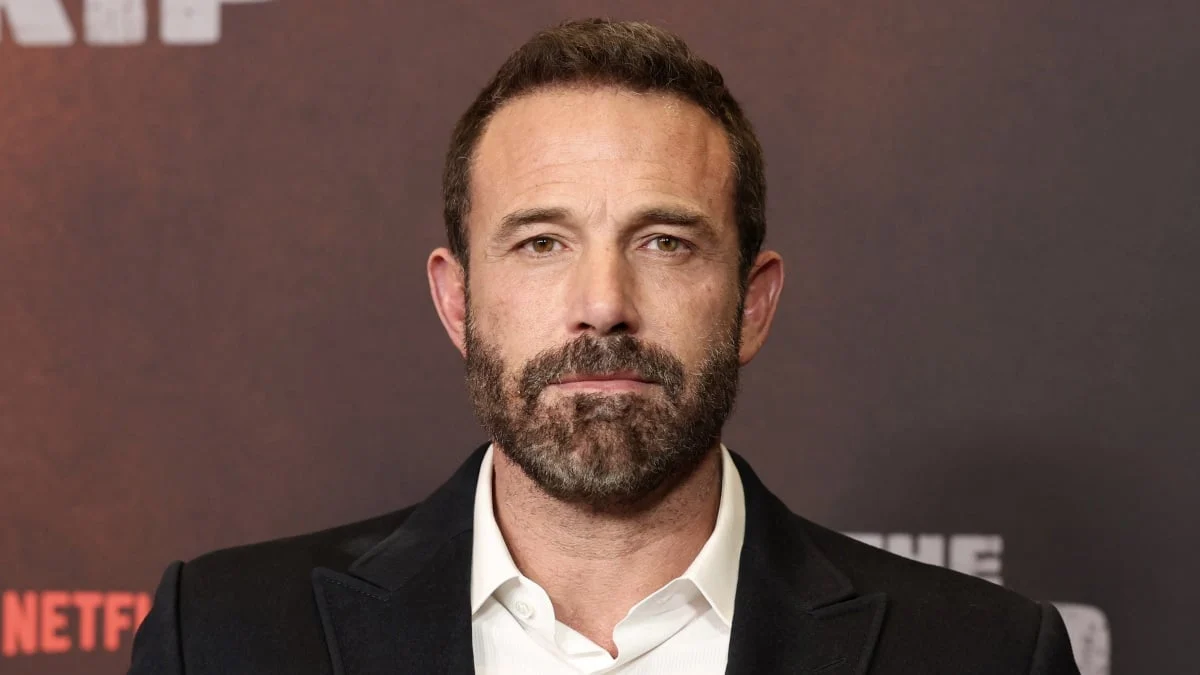
Ben Affleck, a celebrated figure known for his multifaceted career as an Academy Award-winning actor, director, and producer, ventured into the technology sector with the founding of InterPositive in 2022. His motivation stemmed from a keen observation of the nascent stages of AI integration into the production workflow. Affleck recognized a critical gap: while early AI models showed promise in various applications, they often fell short in addressing the specific, nuanced needs of filmmakers and storytellers. His vision for InterPositive was not merely to automate tasks but to empower creators, ensuring that AI tools served to amplify artistic intent rather than diminish it.
"In 2022, I spent a lot of time observing the early rise of AI in production," Affleck stated in the March 5 acquisition announcement. "As a filmmaker, I could see how these models came up short. For artists to apply these tools towards telling the stories we dedicate our lives to, they need to be purpose-built to represent and protect all the qualities that make a great story." This statement encapsulates the core philosophy behind InterPositive: a commitment to "creator-led innovation that keeps filmmakers at the center of the process," as Netflix itself articulated in its official announcement.
Affleck further elaborated on this distinction in a video released concurrently with the acquisition news, emphasizing that InterPositive was "not about text prompting or generating something from nothing." This clearly differentiates InterPositive from the wave of generative AI tools that create content, often with minimal human input, and which have been a source of contention and concern within Hollywood’s creative communities, particularly during recent labor disputes. Instead, InterPositive’s technology is designed to act as an intelligent assistant, building a bespoke model for each film project. This customized model is then deployed during critical post-production phases, such as audio mixing and color grading, to enhance and optimize the existing creative output. The ultimate goal is to offload repetitive or technically complex tasks, thereby allowing directors and other creatives to focus more intensely on core artistic elements, particularly actor performances during principal photography, fostering a more fluid and creatively uninhibited set environment.
A Detailed Chronology of InterPositive’s Development and Acquisition
The journey from InterPositive’s inception to its acquisition by Netflix represents a rapid ascent for an AI startup in the entertainment sector, highlighting the urgency and strategic importance placed on its technology.
- 2022: Founding of InterPositive: Ben Affleck establishes InterPositive, driven by his insights into the potential and pitfalls of early AI applications in filmmaking. This foundational period likely involved initial research and development, the assembly of a specialized team of AI engineers and creative technologists, and the conceptualization of the core technological framework designed to address existing gaps in production efficiency and creative support.
- 2023-Early 2026: Technology Development and Patent Filings: During these years, InterPositive would have been diligently developing its proprietary AI models and algorithms, moving from conceptualization to practical application. A significant milestone emerged in 2024 when Affleck filed a comprehensive patent application for InterPositive’s technology. This application provided the first public glimpse into the company’s ambitious goals, particularly its focus on achieving "substantial" cost savings across various production facets, from on-set logistics to post-production effects.
- Late 2025-Early 2026: Confidential Negotiations with Netflix: As InterPositive’s technology matured and its potential became evident through internal testing and perhaps discreet demonstrations, it undoubtedly attracted the attention of major players in the entertainment industry. Netflix, with its vast and growing content needs, its long-standing commitment to technological innovation, and its ongoing pursuit of efficiency, would have emerged as a prime suitor. Negotiations would have progressed under strict confidentiality, culminating in a definitive acquisition agreement.
- March 5, 2026: Official Acquisition Announcement: Netflix and Ben Affleck jointly announce the acquisition of InterPositive. The announcements prominently feature statements from both parties, highlighting the strategic alignment between Netflix’s long-term vision for content production and InterPositive’s mission to empower filmmakers through intelligent AI. Affleck’s accompanying video further clarifies the non-generative nature of InterPositive’s technology, positioning it as an assistive tool for enhancing human creativity.
- March 2026 (Later in the Month): Netflix’s SEC Filing: Netflix files its Form 10-Q with the Securities and Exchange Commission, a mandatory quarterly regulatory disclosure for all publicly traded companies. This filing formally reports a cash payment of $587 million for an acquisition made in March. Industry analysts and journalists, already aware of the InterPositive announcement, swiftly connect this financial disclosure to Affleck’s AI firm, confirming the significant investment.
- April 2026: Industry Analysis and Patent Details Emerge: Deadline reports on the specifics of InterPositive’s 2024 patent application, providing in-depth details about the projected cost savings and efficiency gains. This report amplifies the understanding of the tangible benefits Netflix expects to reap from the acquisition, particularly in the context of rising production budgets and the relentless demand for more and higher-quality content in the streaming wars.
This rapid timeline underscores both the perceived value of InterPositive’s technology and Netflix’s strategic urgency in integrating advanced AI solutions into its operational framework to maintain its competitive edge.
InterPositive’s Technology: Precision, Efficiency, and Creative Enhancement
The core of InterPositive’s innovation lies in its ability to create highly specialized, film-specific AI models. Unlike generalized AI platforms that apply broad algorithms, InterPositive’s system is designed to ingest and analyze the unique characteristics of a particular film project – its visual style, audio profile, narrative tone, and specific production requirements. This deep learning approach enables the system to develop a customized AI assistant that is intimately familiar with the project’s artistic intent, ensuring that the AI’s interventions are contextually relevant and aligned with the director’s vision, rather than imposing generic or unsuited solutions.
During the intricate and often labor-intensive phases of post-production, InterPositive’s tools are designed to optimize processes such as audio mixing and color grading. For instance, in audio mixing, the AI could meticulously analyze dialogue clarity, ambient background noise, music levels, and sound effects across thousands of individual tracks and scenes. It could then suggest optimal balance points, identify inconsistencies, or even perform preliminary mixes that a human sound engineer can then refine, significantly reducing the iterative cycles typically required in sound design. Similarly, in color grading, the AI could learn the desired aesthetic from reference footage and apply consistent color palettes across disparate shots and scenes, correct subtle inconsistencies in lighting or exposure, or even suggest stylistic enhancements that deepen emotional impact, all while maintaining visual continuity.
By automating or significantly streamlining these technical and often repetitive aspects of post-production, InterPositive aims to liberate filmmakers and their teams from the minutiae of these tasks. Affleck’s assertion that this allows filmmakers to "focus on performances in the moment" during principal photography is a key benefit. Knowing that an intelligent, context-aware system can efficiently manage and enhance post-production details could empower directors to prioritize capturing authentic, nuanced, and compelling performances without being overly preoccupied with technical constraints that might otherwise dictate choices on set. This shift could foster a more fluid, experimental, and creatively uninhibited environment during the most critical phase of content creation.
Projected Savings and Strategic Implications for Netflix
The financial implications of InterPositive’s technology for Netflix are potentially transformative, promising significant returns on its half-billion-dollar investment. The 2024 patent application by Affleck detailed projected "substantial" savings, outlining specific, high-cost areas where InterPositive could replace or drastically reduce expenses. These include:
- Background Artists and Splinter Film Units: AI-driven virtual production techniques, guided by InterPositive’s context-aware models, could substantially reduce the need for large numbers of background extras or even entirely replace the necessity for splinter units sent to capture ancillary footage. Advanced generative AI for environmental augmentation, digital crowd replication, and virtual set extensions could create realistic backdrops and populated scenes with far fewer physical resources and logistical complexities.
- Reshoots: By providing real-time or near real-time post-production feedback and optimization, InterPositive could potentially identify technical or continuity issues during principal photography that would typically necessitate expensive reshoots. For example, if the AI can predict how certain lighting, sound elements, or visual effects will integrate into the final mix, it could flag potential problems on set, allowing immediate adjustments and significantly reducing the likelihood of costly do-overs that can disrupt schedules and balloon budgets.
- Visual Effects (VFX) Costs: The patent application specifically cited an ambitious "50% reduction in VFX cost." This is a monumental claim, considering that visual effects often constitute a substantial, sometimes majority, portion of a major production’s budget. InterPositive’s ability to optimize VFX pipelines, automate routine compositing tasks, enhance digital asset management, or generate high-quality digital assets more efficiently could yield enormous savings. For a company like Netflix, which produces a vast array of content from high-budget blockbusters to intricate drama series, a 50% reduction in VFX expenditure could free up hundreds of millions, if not billions, of dollars annually.
- Overall Production Schedule and Physical Production: Beyond specific cost categories, the patent projected a "20% reduction in schedule and physical production." This efficiency gain is critically important in the fast-paced streaming landscape. Shorter production schedules mean lower overheads, faster content delivery to market, and the ability to produce more titles within a given timeframe. For a streaming service whose business model heavily relies on a constant flow of fresh, high-quality content to attract and retain subscribers, this acceleration is a significant competitive advantage that directly impacts subscriber growth and churn rates.
To put these figures into perspective, Netflix’s annual content spending has consistently been in the tens of billions of dollars, hovering around $17 billion to $20 billion annually in recent years. A 20% reduction in physical production costs and a 50% reduction in VFX could translate into savings ranging from several hundred million to potentially over a billion dollars each year. These substantial savings could be strategically reinvested into developing more diverse content, expanding into new global markets, bolstering its technology infrastructure, or enhancing its marketing efforts, thereby reinforcing its market leadership and delivering greater shareholder value.
Broader Industry Impact and Reactions
The acquisition of InterPositive by Netflix sends a clear and unequivocal signal across Hollywood and the broader entertainment industry: AI is not merely an experimental tool but a strategic imperative that will fundamentally reshape the economics and creative processes of filmmaking.
- Filmmaker Community: While Ben Affleck has meticulously positioned InterPositive as "creator-led" and focused on enhancing artistic endeavors, the broader filmmaking community’s reaction will likely be nuanced. Many directors, producers, and cinematographers will undoubtedly welcome tools that promise enhanced efficiency, greater creative freedom, and the ability to focus on core storytelling elements. However, concerns about job displacement, particularly for skilled roles in post-production (such as colorists, sound mixers, and VFX artists) and certain on-set positions, will persist. The industry has recently grappled with these issues, vividly evidenced by the 2023 WGA and SAG-AFTRA strikes, where AI’s role and its potential impact on human labor, compensation, and intellectual property were central points of negotiation. Netflix and InterPositive will need to navigate these sensitivities carefully, consistently emphasizing how the technology augments human talent rather than replaces it wholesale.
- Labor Unions: The powerful unions representing writers, actors, directors, and various craftspeople in Hollywood will undoubtedly scrutinize InterPositive’s implementation with intense focus. Their